A bruised heel can make every step feel sharp, sore, and frustrating. Whether it started after a hard landing, a long run, or repeated pressure on the bottom of the foot, the pain can be intense enough to affect walking and daily activity. The good news is that most bruised heel cases improve with simple care, time, and the right support.
This guide explains what a bruised heel is, what causes it, how to get fast relief, and when to see a doctor.
Table of Contents
- What Is a Bruised Heel?
- Common Causes of a Bruised Heel
- Symptoms of a Bruised Heel
- Bruised Heel vs. Other Heel Pain
- Fast Relief for a Bruised Heel
- How Long Does a Bruised Heel Take to Heal?
- Healing Tips for Faster Recovery
- When Should You See a Doctor?
- How Doctors Treat a Bruised Heel
- Can You Walk on a Bruised Heel?
- How to Prevent a Bruised Heel
- FAQs About Bruised Heel
- Bottom Line
What Is a Bruised Heel?
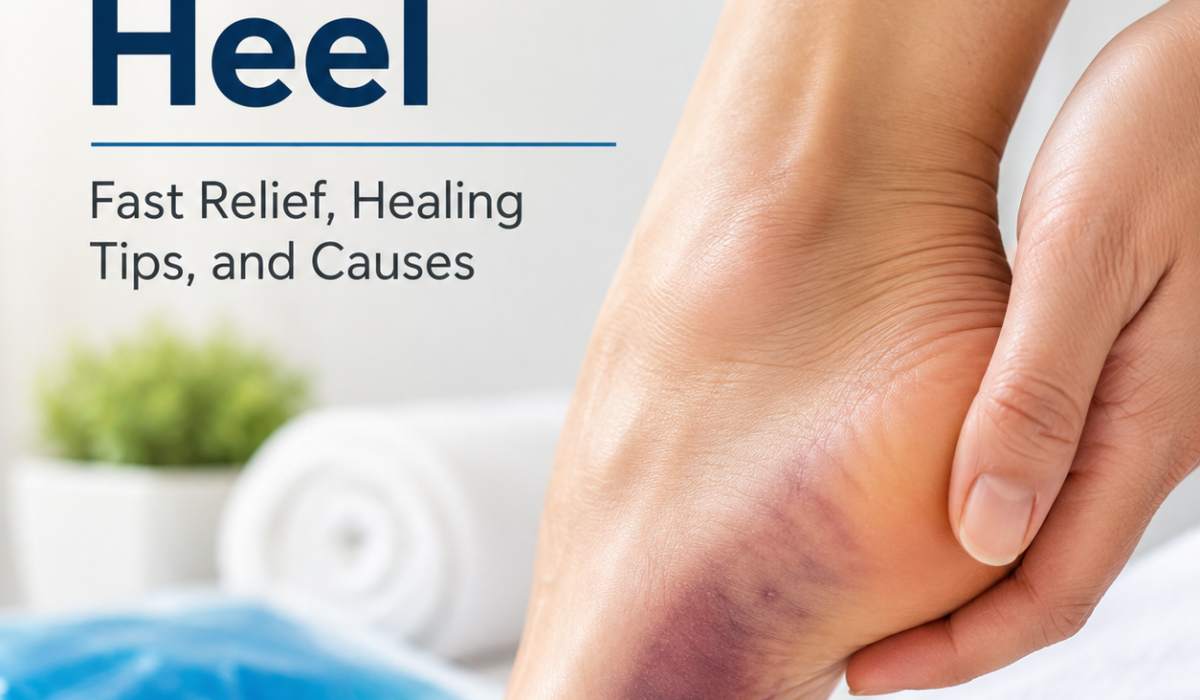
A bruised heel is a soft tissue injury to the fat pad or deeper tissues under the heel bone. It happens when the heel absorbs too much force or impact, causing tiny blood vessels to break and the area to become painful, tender, and sometimes swollen.
People often describe it as feeling like they are “walking on a stone” or as if the heel is deeply sore after stepping on something hard.
A bruised heel is different from a heel bone fracture or plantar fasciitis, although the symptoms can sometimes overlap. The pain usually feels worse when putting pressure directly on the heel.
The heel fat pad is especially important because it acts like a natural shock absorber. When that cushion is irritated, compressed, or thinned, the heel can become much more sensitive to everyday activities like standing, walking, or climbing stairs. In some cases, the discomfort comes on suddenly after a clear impact. In others, it builds up gradually after repeated stress.
For a related foot issue that can also make walking painful, you may also want to read about blisters on feet, which often develop from friction and pressure in a different way.
Common Causes of a Bruised Heel
A bruised heel can happen from a single event or from repeated strain over time. Common causes include:
- Landing hard on the heel after jumping or running
- Wearing shoes with poor cushioning
- Walking or standing on hard surfaces for long periods
- Heel strikes during sports like basketball, volleyball, or tennis
- Sudden increases in exercise intensity
- Direct impact, such as stepping on a hard object
- Heel fat pad thinning, which can make the heel less protected with age
Runners are especially prone to heel bruising because repeated impact can overload the tissue under the heel.
Other factors can raise the risk as well. People who spend many hours on concrete floors, workers who stand all day, and athletes who train in worn-out shoes may notice heel soreness more often. Even a small change in gait, posture, or training volume can shift extra force into the heel and lead to irritation.
In some cases, a bruise develops after a sudden step on a sharp pebble or a missed landing. In others, it happens more quietly from a cumulative overload problem. If you have repeated heel pain after sports, it can help to look at the broader training pattern rather than just one moment of injury.
Symptoms of a Bruised Heel
The main symptom is pain under the heel, especially when walking, standing, or pressing on the area. Other signs may include:
- Tenderness at the bottom of the heel
- Mild swelling
- A deep aching or sharp bruised feeling
- Pain that gets worse on hard floors or uneven surfaces
- Discomfort after activity
- Occasional visible discoloration, though not always
Pain from a bruised heel often feels centered under the heel bone rather than along the arch.
The pain may be mild at first and then become more noticeable after standing or walking for a while. Some people feel it most when they first step down after sitting, while others notice it only during sports or long periods of activity. Because the heel carries so much body weight, even a minor bruise can feel surprisingly limiting.
If the heel is also swollen, warm, or increasingly painful, that can point to a more significant injury. Severe bruising, changes in walking pattern, or pain that spreads beyond the heel may also suggest another issue.
Bruised Heel vs. Other Heel Pain
Heel pain can come from several causes, so it helps to know the difference.
Bruised Heel
Pain after impact, overuse, or standing on hard surfaces
Tenderness directly under the heel
Feels like a bruise or deep pressure
Plantar Fasciitis
Usually causes pain in the heel and arch
Often worst with the first steps in the morning
Tends to improve slightly with movement, then return later
Heel Spur
A bony growth that may be found with plantar fasciitis
May not cause symptoms by itself
Stress Fracture
Pain often becomes worse with activity and may continue at rest
Can cause swelling and more persistent pain
Needs medical evaluation
If the pain is severe, persistent, or happened after a major impact, it may not be just a bruise.
It can also help to compare a bruised heel with broken toe symptoms and treatment if the injury came from a fall, landing, or awkward step and you are unsure which part of the foot is responsible for the pain. Different injuries can feel similar at first, especially when swelling makes the area hard to assess.
Another condition sometimes confused with heel pain is plantar fasciitis, which often creates a more pulling or stabbing sensation near the arch. A true bruise usually feels more focal and more directly linked to pressure on the underside of the heel.
Fast Relief for a Bruised Heel
The fastest relief usually comes from reducing pressure on the heel and calming inflammation. Start with these steps:
1. Rest the Heel
Avoid activities that make the pain worse, such as running, jumping, or long walks. Rest allows the tissue to recover and prevents the bruise from getting deeper.
2. Ice the Area
Apply an ice pack wrapped in a cloth for 15 to 20 minutes at a time, several times a day during the first 48 hours. Ice can help reduce pain and swelling.
Do not place ice directly on the skin.
3. Use Heel Padding
A cushioned heel pad, gel insert, or soft insole can reduce pressure on the injured area. Extra padding helps absorb shock when walking.
4. Wear Supportive Shoes
Choose shoes with:
Good cushioning
A shock-absorbing sole
Proper arch support
Enough room so the heel does not rub
Avoid flat, thin-soled shoes or walking barefoot on hard floors.
5. Elevate the Foot
If the heel is swollen, raising the foot above heart level can help reduce swelling and discomfort.
6. Consider Over-the-Counter Pain Relief
Nonprescription pain relievers such as ibuprofen or acetaminophen may help, depending on your health conditions and whether they are safe for you. Follow the label instructions and avoid them if your doctor has advised against their use.
7. Reduce Pressure During Walking
If needed, shorten your walking distance for a few days. Taking smaller steps and avoiding hard surfaces can reduce repeated impact.
8. Use Short, Frequent Recovery Breaks
Instead of pushing through pain all day, try brief rest periods between activities. Breaking up standing time can make the heel easier to tolerate and may prevent the bruise from getting irritated again.
9. Protect the Heel at Home
Simple home changes can matter. Wearing supportive slippers indoors, placing a soft mat near sinks or work areas, and avoiding barefoot walking on tile or wood floors can reduce repeated stress on the injured tissue.
How Long Does a Bruised Heel Take to Heal?
Most bruised heels improve within a few days to a few weeks, depending on how badly the heel was injured and how much pressure continues to be placed on it.
Mild bruising may improve quickly with rest and cushioning. More severe bruising or a heel fat pad injury can take several weeks or longer to fully settle.
Healing can be delayed if you keep walking on hard surfaces, return to sports too soon, or wear unsupportive shoes.
The timeline also depends on the type of injury. A simple soft tissue bruise may calm down relatively quickly, while deeper fat pad irritation can linger because the heel is used every time you stand. If the pain is improving slowly week by week, that is usually a better sign than pain that stays exactly the same or gets worse.
People often wonder whether they should push through the discomfort. In most cases, the answer is no. A painful heel that keeps getting re-injured may take longer to heal than one that is protected early on.
Healing Tips for Faster Recovery
To help the heel heal more quickly, focus on protecting the tissue while it recovers.
Keep Weight Off the Heel When Possible
If walking hurts, reduce your activity level for a short time. This does not always mean complete bed rest, but it does mean avoiding high-impact movement.
Use a Heel Cup or Orthotic
A heel cup can help spread pressure across the bottom of the foot and protect the bruised area. In some cases, custom orthotics may help if foot shape or gait is contributing to repeated stress.
Check Your Shoes
Old shoes with worn-out cushioning can make heel pain worse. Replace them if the sole is thin or flattened.
Avoid Hard Surfaces
Try to limit time spent walking barefoot on tile, concrete, or other hard flooring.
Return to Activity Slowly
When the pain improves, increase activity gradually. Start with short walks or low-impact exercise before resuming running or jumping.
Stretch Carefully if Needed
If tight calf muscles or foot mechanics are contributing to heel stress, gentle stretching may help. Do not stretch aggressively if it increases pain at the heel.
Consider Training Adjustments
If you are active in sports or fitness, look at the full picture: running surface, workout volume, recovery time, and footwear. Small adjustments can reduce repeated impact and help keep the bruise from coming back.
Support the Whole Foot
Sometimes heel pain improves when the entire foot is better supported. A more stable shoe, improved arch support, or a different insole can reduce strain on the heel while you recover. If you have recurring pain, this is worth discussing with a podiatrist or sports medicine clinician.
When Should You See a Doctor?
Most bruised heels can be managed at home, but medical care is important in some cases. See a doctor if:
- Pain is severe or getting worse
- You cannot bear weight on the foot
- Swelling is significant
- The heel is numb, cold, or tingling
- Pain lasts more than a couple of weeks
- The injury happened after a major fall or direct trauma
- You have diabetes, poor circulation, or nerve problems
- You suspect a fracture or another injury
A healthcare provider may examine the foot, ask about the injury, and sometimes order an X-ray or other imaging if a fracture is suspected.
You should also be more cautious if the skin is broken, if there is bruising spreading across the foot, or if walking becomes difficult enough to change your posture. Compensating for heel pain can sometimes trigger pain elsewhere, including the ankle, knee, or lower back.
If you have a history of foot injuries, a medical evaluation can help rule out lingering damage or a problem that keeps the heel from fully healing.
How Doctors Treat a Bruised Heel
Treatment depends on the cause and severity of the injury. A doctor may recommend:
- Rest and activity modification
- Ice and elevation
- Cushioned heel pads or orthotics
- Physical therapy if mechanics or gait are contributing
- Short-term use of pain relievers
- Imaging tests if another injury is suspected
In rare cases, persistent heel pain may need more specialized treatment if the fat pad is damaged or significantly thinned.
If the pain is actually due to a fracture, tendon problem, or another foot condition, treatment may need to be more specific. That is why ongoing pain should not be ignored just because the first thought is “it’s only a bruise.”
For general guidance on pain and swelling after impact injuries, the NHS overview of sprains and strains is a helpful educational resource on soft tissue healing and when to seek care.
In some recovery plans, doctors may also suggest a short period of reduced weight-bearing, especially if walking continues to irritate the heel. The goal is not to keep you inactive forever, but to give the tissue enough time and protection to recover properly.
Can You Walk on a Bruised Heel?
You may be able to walk on it, but if walking makes the pain worse, it is best to reduce pressure and rest the area as much as possible. Continuing to walk on a painful heel can slow healing.
If you must stay active, use supportive shoes with cushioning and try to limit impact. If pain is strong, walking should be minimized until symptoms improve.
A practical rule is to pay attention to how the heel feels during the walk and later the same day. If each step leaves it more painful or more swollen, that is a sign to back off. Mild discomfort that steadily improves is different from pain that flares after every outing.
Some people find a temporary change in gait helpful, but limping for long periods can create new problems in the foot, ankle, or lower leg. If you need to stay mobile, cushioning and load reduction are usually better than trying to force normal activity too soon.
How to Prevent a Bruised Heel
Prevention focuses on reducing impact and protecting the heel.
- Wear well-cushioned shoes
- Replace worn-out athletic shoes regularly
- Use heel pads during sports or long periods of standing
- Warm up before exercise
- Increase training intensity gradually
- Avoid jumping or running on hard surfaces when possible
- Maintain a healthy body weight to reduce foot pressure
If you have recurring heel pain, a podiatrist or sports medicine specialist can help identify the underlying cause.
Good prevention also means paying attention to warning signs early. If the heel starts to feel tender after activity, scaling back for a few days may prevent a full flare-up. Replacing old shoes before the cushioning breaks down can make a big difference over time.
People who exercise regularly may benefit from rotating shoes, varying workout surfaces, and mixing higher-impact training with lower-impact options such as cycling or swimming. These habits reduce repetitive load on the heel while keeping fitness on track.
FAQs About Bruised Heel
Is a bruised heel the same as plantar fasciitis?
No. A bruised heel is usually caused by impact or pressure to the heel pad, while plantar fasciitis involves irritation of the band of tissue along the bottom of the foot. The pain location and timing can help tell them apart.
Does a bruised heel need treatment?
Usually, yes, at least basic home care. Rest, ice, cushioning, and supportive shoes can help speed recovery and reduce pain.
Should I massage a bruised heel?
Gentle massage may feel soothing later in recovery, but avoid deep pressure at first because it can make the bruise more painful.
Can a bruised heel become serious?
Most are minor, but ongoing pain may signal a fracture, fat pad damage, or another heel condition. Persistent or severe symptoms should be checked by a doctor.
Why does my heel hurt more after resting?
After rest, the area may stiffen slightly or become more sensitive to the first few steps. If the pain eases after a short time but returns with more walking, that pattern can still fit a bruised heel. If the pain is severe every time you stand, though, it is worth getting checked.
Is a heel bruise the same as a heel fat pad injury?
Not always. A bruise is often the result of a direct impact or temporary soft tissue injury, while fat pad problems can involve thinning, repeated compression, or chronic irritation. The symptoms can overlap, so persistent heel pain may need evaluation.
Bottom Line
A bruised heel is a common, painful injury caused by impact, overuse, or pressure on the heel’s soft tissue. The best fast relief comes from resting the foot, icing the area, using cushioned support, and wearing shoes that protect the heel. Most cases improve within a few weeks, but severe pain, swelling, or trouble walking should be evaluated by a healthcare professional.
With the right care, most people can recover and return to normal activity without long-term problems.
If you want to better understand how similar injuries are managed, see the guidance in this article and compare your symptoms with other common foot and lower-body issues before deciding whether home care is enough. For many readers, the biggest improvement comes from reducing pressure early and letting the tissue recover before returning to full activity.
A bruised heel usually settles with consistent care, but repeating the same impact too soon can bring the pain right back. Protecting the heel early often leads to the fastest recovery.
If you are still unsure whether the problem is a simple bruise or something more significant, it is safer to get it checked than to keep forcing normal activity.