Bronchospasm is a sudden tightening of the muscles around the airways in the lungs. When this happens, the airways narrow, making it harder to breathe. It can feel frightening, especially if it starts quickly. Understanding bronchospasm symptoms, common causes, and fast relief tips can help you respond calmly and get the right treatment.
This article explains what bronchospasm is, how to recognize it, what may trigger it, and what to do for quick relief. For readers looking for similar breathing-related problems, see Bronchitis vs Cold: Key Symptoms & How to Tell Fast.
Table of Contents
- What Is Bronchospasm?
- Bronchospasm Symptoms
- What Causes Bronchospasm?
- How Bronchospasm Feels
- Fast Relief Tips for Bronchospasm
- What Not to Do During Bronchospasm
- When to See a Doctor
- How Bronchospasm Is Diagnosed
- Treatment Options for Bronchospasm
- How to Prevent Bronchospasm
- Bronchospasm vs. Asthma: What’s the Difference?
- Is Bronchospasm Dangerous?
- Summary
What Is Bronchospasm?
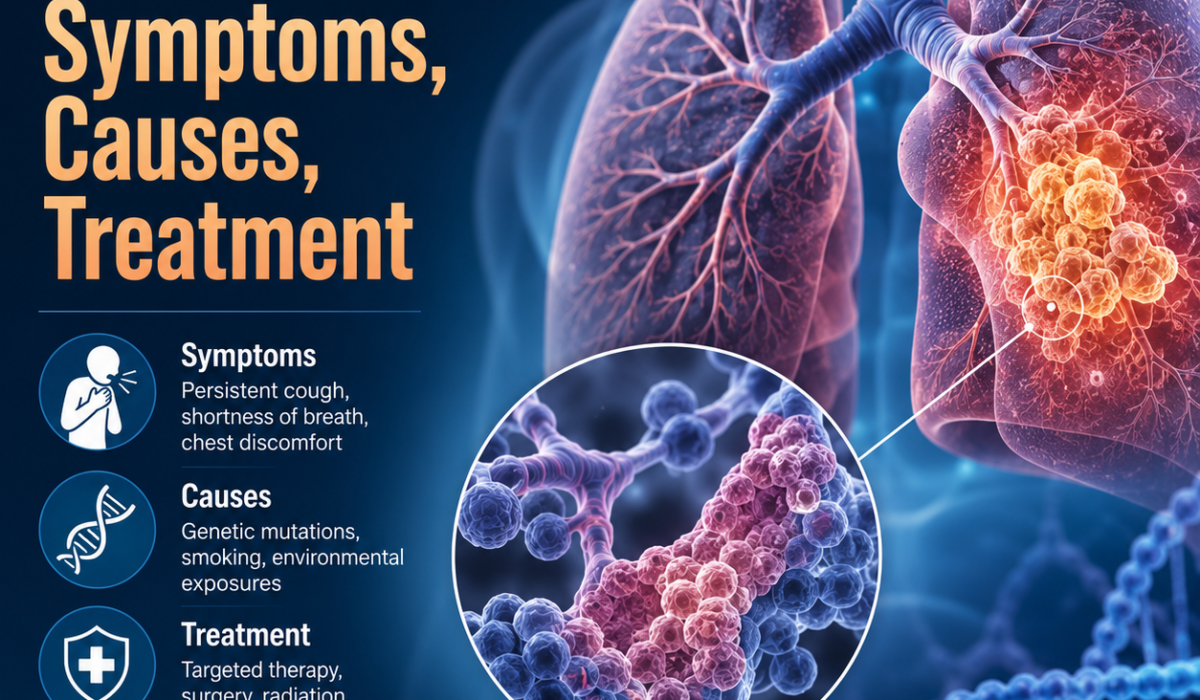
Bronchospasm happens when the smooth muscles lining the bronchi, the main breathing tubes in the lungs, tighten. This narrowing reduces airflow in and out of the lungs.
It is not a disease itself. Instead, it is a symptom or reaction that can occur with conditions such as:
- Asthma
- Chronic obstructive pulmonary disease (COPD)
- Allergic reactions
- Respiratory infections
- Exercise-induced breathing problems
Because the airways become tighter, a person may have trouble breathing, wheeze, cough, or feel chest tightness. In many cases, bronchospasm symptoms show up quickly and may worsen if the trigger is still present.
According to the National Heart, Lung, and Blood Institute’s asthma guidance, airway narrowing can be part of a broader breathing condition and should be taken seriously when symptoms escalate.
Bronchospasm Symptoms
The symptoms can range from mild to severe. Some people notice only slight breathing difficulty, while others may have a more serious attack. Bronchospasm symptoms may come on after exercise, exposure to smoke, an infection, or contact with allergens.
When the airways tighten, bronchospasm symptoms often affect both breathing in and breathing out, but exhaling is usually harder.
Common bronchospasm symptoms include:
- Wheezing, especially when exhaling
- Shortness of breath
- Chest tightness or pressure
- Coughing
- Difficulty taking a full breath
- Fast breathing
- Feeling like air is “stuck” in the chest
- Trouble speaking full sentences in severe cases
Some people first notice a dry cough or mild chest tightness before more obvious bronchospasm symptoms begin. Others may go straight to wheezing and breathlessness.
Signs that need urgent attention
Bronchospasm can become dangerous if breathing becomes severely restricted. Get emergency help right away if someone has:
- Blue lips or fingertips
- Severe shortness of breath
- Trouble speaking or walking because of breathing difficulty
- Confusion or drowsiness
- A sudden worsening of symptoms
- No improvement after using prescribed rescue medicine
Severe bronchospasm symptoms should never be watched at home if the person is struggling to breathe. Rapid treatment can make a major difference.
What Causes Bronchospasm?
Bronchospasm happens when something irritates or inflames the airways, causing them to tighten. Many different triggers can lead to this response. Knowing the cause can help reduce future bronchospasm symptoms.
Common causes and triggers include:
1. Asthma
Asthma is one of the most common causes of bronchospasm. In people with asthma, the airways are highly sensitive and may react to allergens, cold air, exercise, or infections.
2. Allergies
Exposure to pollen, pet dander, dust mites, mold, or certain foods can trigger bronchospasm in sensitive people.
3. Respiratory infections
Colds, flu, bronchitis, and other lung infections can inflame the airways and make bronchospasm more likely. If you want to compare symptoms from another airway condition, you may also find our article on Bronchitis in Winter: Symptoms, Causes & Relief Tips helpful.
4. Exercise
Some people develop exercise-induced bronchospasm, especially during intense activity or in cold, dry air.
5. Irritants in the air
Smoke, strong odors, chemical fumes, air pollution, and cleaning products can irritate the airways.
6. Cold air
Breathing in cold, dry air may cause the airways to narrow in some people.
7. Medications
Certain medications can trigger bronchospasm in some individuals, including some beta-blockers and nonsteroidal anti-inflammatory drugs (NSAIDs) in sensitive people.
8. Acid reflux
Stomach acid that moves up into the throat can irritate the airways and worsen breathing problems.
9. Stress or anxiety
Stress does not directly cause bronchospasm in every case, but it can worsen symptoms or make breathing feel more difficult.
Because bronchospasm symptoms often overlap with asthma, allergies, and infections, it can take a careful review of triggers and history to identify the exact cause.
How Bronchospasm Feels
People often describe bronchospasm as:
- “I can’t get enough air”
- “My chest feels tight”
- “Breathing out is harder than breathing in”
- “I keep coughing and wheezing”
- “It feels like my lungs are closing”
If these symptoms appear suddenly, they may be caused by a trigger such as allergy, exercise, infection, or asthma flare-up. For many people, the first clue is that bronchospasm symptoms get worse with activity or exposure to an irritant.
Fast Relief Tips for Bronchospasm
Fast relief depends on the cause and severity. If a person has been prescribed a rescue inhaler or other breathing medicine, it should be used exactly as directed by a healthcare professional. Prompt action is especially important when bronchospasm symptoms are making normal breathing difficult.
1. Use prescribed rescue medication
For people with asthma or known bronchospasm, a fast-acting bronchodilator inhaler may help open the airways quickly. Common rescue inhalers are prescribed by doctors and should be used as instructed.
If the medicine was prescribed for you, follow your asthma or action plan.
2. Sit upright
Sitting upright can help the lungs expand more easily. Avoid lying flat if breathing is difficult.
3. Move away from triggers
If smoke, fumes, dust, perfume, or another irritant seems to have caused the episode, move to fresh air as soon as possible.
4. Try slow, controlled breathing
Calm breathing may help reduce panic and support better airflow. Try:
- Inhaling slowly through the nose
- Exhaling gently through pursed lips
- Keeping breaths steady and relaxed
This may not stop bronchospasm by itself, but it can help reduce the feeling of breathlessness.
5. Stay calm
Panic can make breathing feel worse. Focus on slow breaths and use your prescribed medicine if available. If symptoms are severe, seek medical help immediately.
6. Drink water if safe and able
A small sip of water may help if coughing or throat irritation is present, but it will not treat the bronchospasm itself.
7. Follow your asthma action plan
If you have asthma, your doctor may have given you a written plan that explains what to do during symptoms. Follow that plan carefully.
These steps can help with mild bronchospasm symptoms, but they are not a substitute for urgent care when breathing is getting worse.
What Not to Do During Bronchospasm
Avoid actions that may make symptoms worse:
- Do not ignore worsening shortness of breath
- Do not overexert yourself
- Do not stay near smoke or fumes
- Do not take extra medication unless your doctor has told you to do so
- Do not delay emergency care if breathing becomes severe
Trying to “push through” bronchospasm symptoms can be risky, especially if the cause is asthma or an allergic reaction.
When to See a Doctor
Even if symptoms improve, you should speak with a healthcare provider if bronchospasm:
- Happens often
- Starts during exercise
- Is triggered by allergies
- Wakes you up at night
- Gets worse over time
- Does not respond well to your current medication
A doctor can help identify triggers, confirm the cause, and recommend treatment to prevent future episodes. If bronchospasm symptoms are recurring, treatment may need to be adjusted so attacks happen less often.
How Bronchospasm Is Diagnosed
A doctor may diagnose bronchospasm by reviewing your symptoms and medical history. They may also use tests such as:
- Breathing tests like spirometry
- Oxygen level checks
- Allergy testing
- Chest examination
- Review of medication use and triggers
These tests help determine whether asthma, allergies, infection, or another condition is causing the airway tightening. A diagnosis is often based on the pattern of bronchospasm symptoms as well as test results.
Treatment Options for Bronchospasm
Treatment depends on the cause. Common approaches include:
- Rescue inhalers to relax airway muscles
- Long-term control medicines for asthma
- Allergy treatment if triggers are allergic
- Avoiding irritants and known triggers
- Treating infections if present
- Managing reflux if acid irritation is contributing
People with recurring bronchospasm may need a long-term management plan to reduce attacks and improve breathing. The goal is not only to relieve bronchospasm symptoms, but also to reduce how often they happen.
If your doctor prescribes controller medication, taking it consistently can lower the chance of future episodes and make rescue treatment work better when needed.
How to Prevent Bronchospasm
Prevention focuses on avoiding triggers and managing underlying conditions.
Helpful prevention steps include:
- Take prescribed medicines regularly
- Avoid smoke, dust, and chemical fumes
- Keep allergies under control
- Warm up before exercise
- Cover your mouth and nose in cold air
- Wash hands often to help prevent infections
- Follow an asthma action plan if you have asthma
- Treat acid reflux if recommended by a doctor
If you know what triggers your bronchospasm, avoiding those triggers can make a big difference. Over time, good prevention habits may reduce both flare-ups and the severity of bronchospasm symptoms.
Bronchospasm vs. Asthma: What’s the Difference?
Asthma is a chronic condition that causes airway inflammation and sensitivity. Bronchospasm is one of the reactions that can happen during asthma, but it can also occur for other reasons.
In simple terms:
- Asthma is the condition
- Bronchospasm is the airway tightening that may happen as part of it or due to another trigger
This is why a person may have bronchospasm without having asthma. In either case, bronchospasm symptoms can look similar and may need similar first steps, such as resting, avoiding triggers, and using prescribed medicine.
Is Bronchospasm Dangerous?
It can be. Mild bronchospasm may improve with treatment, but severe bronchospasm can block airflow enough to become life-threatening.
The risk is higher if the person has:
- Severe asthma
- A bad allergic reaction
- A respiratory infection
- Delayed treatment
- No access to rescue medication
That is why quick recognition and prompt action are important. When bronchospasm symptoms appear suddenly and worsen quickly, it is safer to treat the situation seriously.
Summary
Bronchospasm causes the airways to tighten, making it hard to breathe. Common symptoms include wheezing, coughing, chest tightness, and shortness of breath. It can be triggered by asthma, allergies, infections, exercise, smoke, cold air, and other irritants.
Fast relief often includes using prescribed rescue medicine, sitting upright, moving away from triggers, and breathing slowly. Severe bronchospasm symptoms need urgent medical care.
If bronchospasm happens repeatedly, it is important to find the cause and work with a doctor to prevent future episodes and protect your breathing.