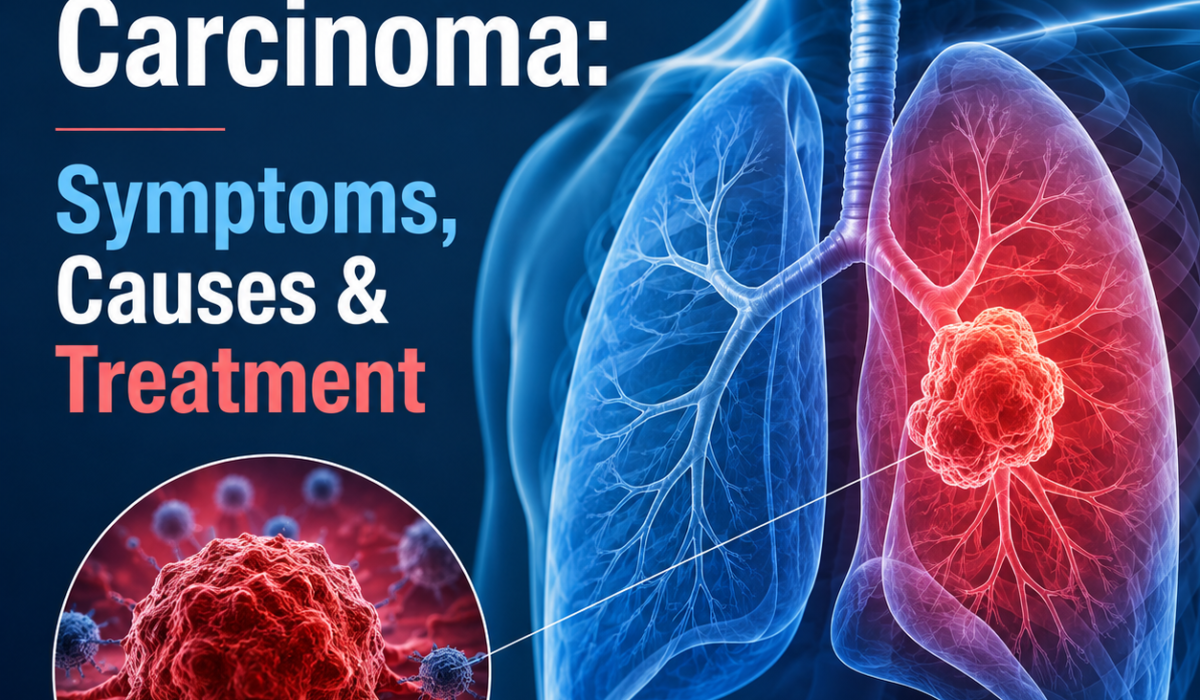
Bronconeumonia is a type of lung infection that causes inflammation in the airways and in small areas of the lungs, usually affecting the bronchi and nearby lung tissue. It can make breathing uncomfortable and, in some cases, become serious if not treated promptly. Because the symptoms may overlap with other respiratory infections, many people search for clear answers about what bronconeumonia is, how to recognize it, what causes it, and how it is treated.
This guide explains bronconeumonia in simple terms, then covers bronconeumonia symptoms, causes, diagnosis, treatment, recovery, and when to seek medical help.
Table of Contents
- What Is Bronconeumonia?
- Bronconeumonia Symptoms
- What Causes Bronconeumonia?
- How Bronconeumonia Is Diagnosed
- Bronconeumonia Treatment
- How Long Does Bronconeumonia Take to Heal?
- Possible Complications of Bronconeumonia
- How to Prevent Bronconeumonia
- When to See a Doctor
- Bronconeumonia vs Pneumonia: What’s the Difference?
- Frequently Asked Questions
- Conclusion
What Is Bronconeumonia?
Bronconeumonia is a form of pneumonia that affects the bronchioles and surrounding alveoli in patches rather than one large area of the lung. It often starts in the airways and spreads into nearby lung tissue, leading to inflammation, mucus buildup, and reduced oxygen exchange.
Unlike some other types of pneumonia that may affect an entire lobe of the lung, bronconeumonia often appears in multiple scattered areas. This can make symptoms vary from mild to severe depending on the cause, the person’s age, and overall health. In many patients, bronconeumonia symptoms are similar to those of other chest infections, which is why a medical evaluation is important.
When the infection spreads across small patches of lung tissue, it may interfere with normal breathing, especially during activity, sleep, or coughing fits. That is one reason bronconeumonia can feel more exhausting than a typical cold.
Bronconeumonia Symptoms
The symptoms of bronconeumonia can develop gradually or appear more suddenly. Common signs include:
- Cough, which may be dry or produce mucus
- Fever and chills
- Shortness of breath
- Rapid breathing
- Chest discomfort or pain, especially when breathing deeply or coughing
- Fatigue and weakness
- Wheezing
- Loss of appetite
- Headache
- Sweating
- Confusion in older adults
In children, symptoms may also include:
- Fast breathing
- Difficulty feeding
- Irritability
- Low energy
- Bluish lips or nails in severe cases
The severity of bronconeumonia symptoms can range from mild to life-threatening. If breathing becomes difficult, urgent medical attention is needed. Persistent coughing, high fever, and chest pain are also signs that should be taken seriously.
Some people notice that bronconeumonia symptoms start after a flu-like illness or a lingering chest infection. Others may first feel unusually tired before the breathing problems become obvious.
What Causes Bronconeumonia?
Bronconeumonia is usually caused by an infection, but different germs and risk factors can contribute.
1. Bacterial infection
Bacteria are a common cause of bronconeumonia. The infection may develop after a cold, flu, or another respiratory illness. Common bacteria involved in pneumonia-like infections can include:
- Streptococcus pneumoniae
- Haemophilus influenzae
- Staphylococcus aureus
2. Viral infection
Viruses can also cause bronconeumonia, especially in children and older adults. These may include:
- Influenza virus
- Respiratory syncytial virus (RSV)
- Coronavirus
- Adenovirus
3. Fungal infection
Fungal causes are less common and usually affect people with weakened immune systems.
4. Aspiration
In some cases, bronconeumonia happens when food, liquid, saliva, or stomach contents are inhaled into the lungs. This is called aspiration pneumonia and can lead to inflammation and infection.
5. Weakened immune system
People with a weaker immune system are more vulnerable to lung infections. This includes those who have:
- Chronic illnesses
- Cancer
- Diabetes
- HIV
- Are taking immune-suppressing medications
6. Other risk factors
Other factors that may increase the risk of bronconeumonia include:
- Smoking
- Air pollution
- Chronic lung disease such as asthma or COPD
- Being very young or older in age
- Recent surgery or hospitalization
- Poor nutrition
- Difficulty swallowing
Risk factors matter because they can make the lungs less able to clear mucus and fight germs. In those situations, bronconeumonia may develop more quickly or become more severe.
How Bronconeumonia Is Diagnosed
A doctor will usually diagnose bronconeumonia based on symptoms, a physical exam, and tests. Common diagnostic methods include:
- Chest X-ray: Helps show patchy areas of infection or inflammation
- Blood tests: Can detect infection and inflammation
- Sputum test: Checks mucus from the lungs for bacteria or other germs
- Pulse oximetry: Measures oxygen levels in the blood
- CT scan: May be used if the diagnosis is unclear or the infection is severe
Early diagnosis is important because untreated bronconeumonia can worsen and lead to complications. For reliable information about pneumonia evaluation and warning signs, the CDC pneumonia resource is a helpful medical reference.
Doctors may also listen for crackling sounds in the lungs, which can suggest fluid or inflammation in the air spaces. This physical exam, combined with imaging and lab tests, helps confirm the diagnosis and guide treatment.
Bronconeumonia Treatment
The best treatment depends on the cause, severity, age, and overall health of the patient. Many mild cases can be treated successfully, but some require hospital care. Effective bronconeumonia treatment usually starts with identifying whether the infection is bacterial, viral, fungal, or related to aspiration.
1. Antibiotics for bacterial bronconeumonia
If bacteria are the cause, doctors usually prescribe antibiotics. It is important to take the full course exactly as directed, even if symptoms improve sooner.
2. Antiviral medications
If a virus is responsible, treatment may focus on rest, fluids, fever control, and sometimes antiviral medication if appropriate.
3. Antifungal treatment
If the infection is caused by fungi, antifungal medicines may be needed.
4. Oxygen therapy
If oxygen levels are low, supplemental oxygen may be given to help breathing.
5. Fever and pain relief
Over-the-counter medicines may be recommended to reduce fever, body aches, and chest discomfort, depending on medical advice.
6. Fluids and rest
Getting enough rest and staying hydrated supports recovery and helps thin mucus. This is especially important when bronconeumonia symptoms include fever, sweating, or poor appetite.
7. Hospital treatment in severe cases
Hospitalization may be necessary if the person has:
- Trouble breathing
- Low oxygen levels
- Dehydration
- Very high fever
- Confusion
- A weakened immune system
- An infection that is not improving
In the hospital, treatment may include intravenous antibiotics, fluids, oxygen, or breathing support.
Follow-up care is important after the main infection begins to improve. A doctor may want to confirm that breathing is returning to normal and that symptoms are steadily resolving.
How Long Does Bronconeumonia Take to Heal?
Recovery time varies. Mild cases may improve within a few days to a couple of weeks, but full recovery can take longer, especially in older adults or people with other health conditions. Cough and fatigue may continue for several weeks even after the infection starts clearing.
It is important to follow the treatment plan and attend follow-up visits if recommended. In some people, bronconeumonia symptoms improve slowly, so monitoring progress is just as important as starting treatment.
Healing also depends on the cause. A bacterial infection treated early may improve faster than a more complicated infection or one linked to chronic lung disease. If symptoms return after seeming to get better, another medical review may be needed.
Possible Complications of Bronconeumonia
If untreated or severe, bronconeumonia can lead to complications such as:
- Breathing failure
- Lung abscess
- Pleural effusion, or fluid around the lungs
- Sepsis, a dangerous body-wide infection
- Worsening of chronic lung disease
- Spread of infection to other parts of the body
Prompt treatment lowers the risk of these complications. Severe bronconeumonia symptoms should never be ignored, especially when oxygen levels begin to drop.
Complications are more likely when treatment is delayed, the immune system is weak, or the person already has trouble breathing from another condition. That is why early care matters even when symptoms seem moderate at first.
How to Prevent Bronconeumonia
While not all cases can be prevented, these steps can reduce risk:
- Wash hands regularly
- Avoid smoking
- Get recommended vaccines, such as flu and pneumococcal vaccines
- Manage chronic conditions like asthma, diabetes, and COPD
- Eat a balanced diet
- Stay hydrated
- Reduce exposure to sick people when possible
- Practice safe swallowing if aspiration is a concern
For people with weakened immunity or a history of lung infection, prevention strategies are especially important. Good hygiene, vaccination, and control of chronic illness can all lower the chance of another episode of bronconeumonia.
Preventive care can also include keeping follow-up appointments, avoiding smoking exposure, and treating colds or flu early when advised by a clinician. These simple steps may reduce the chance that a minor infection becomes a more serious lung problem.
When to See a Doctor
Seek medical care if you have symptoms of bronconeumonia such as cough, fever, and shortness of breath, especially if they are getting worse. Get urgent help if you notice:
- Difficulty breathing
- Chest pain
- Blue lips or nails
- Confusion
- Persistent high fever
- Severe weakness
- Symptoms that do not improve
Children, older adults, and people with existing health conditions should be evaluated quickly because they are at higher risk of complications.
If bronconeumonia symptoms come with rapid breathing, dehydration, or trouble staying awake, emergency care may be needed right away. Acting early can prevent the infection from getting worse.
Bronconeumonia vs Pneumonia: What’s the Difference?
Pneumonia is a broad term for lung infection and inflammation. Bronconeumonia is a specific type of pneumonia that tends to affect patchy areas around the bronchi and nearby alveoli. In everyday conversation, both terms are sometimes used similarly, but bronconeumonia describes a particular pattern of infection in the lungs.
That distinction matters because the pattern can help doctors understand how the disease is spreading and how severe the infection may be. Even so, the warning signs are often similar, so bronconeumonia symptoms should be taken seriously either way.
Whether the infection is labeled as pneumonia or bronconeumonia, the goal is the same: identify the cause early, ease breathing, and prevent complications.
Frequently Asked Questions
Is bronconeumonia contagious?
It can be, depending on the cause. If it is caused by bacteria or a virus, the infection may spread through coughs, sneezes, or close contact.
Can bronconeumonia go away on its own?
Some mild viral cases may improve with rest and supportive care, but bronconeumonia should not be ignored. Many cases require medical evaluation and treatment.
Is bronconeumonia serious?
It can be serious, especially in young children, older adults, and people with weakened immunity or chronic illness. Early treatment is key.
Can bronconeumonia come back?
Yes, it can recur if risk factors remain or if the underlying cause is not addressed. Prevention and proper follow-up can help reduce the chance of repeat infections.
Conclusion
Bronconeumonia is a lung infection that can cause coughing, fever, chest pain, and breathing problems. It is commonly caused by bacteria or viruses, and treatment depends on the underlying cause and severity. Most people recover with timely care, but severe cases may need hospital treatment.
Understanding the symptoms, causes, and treatment options can help you respond quickly and avoid complications. If you suspect bronconeumonia, especially with shortness of breath or high fever, medical evaluation should not be delayed. Recognizing bronconeumonia symptoms early gives you the best chance of recovery and reduces the risk of serious complications.
For more on preventing and recognizing lung infections, review the CDC’s pneumonia guidance for patients and families and speak with a healthcare professional if symptoms are worsening.