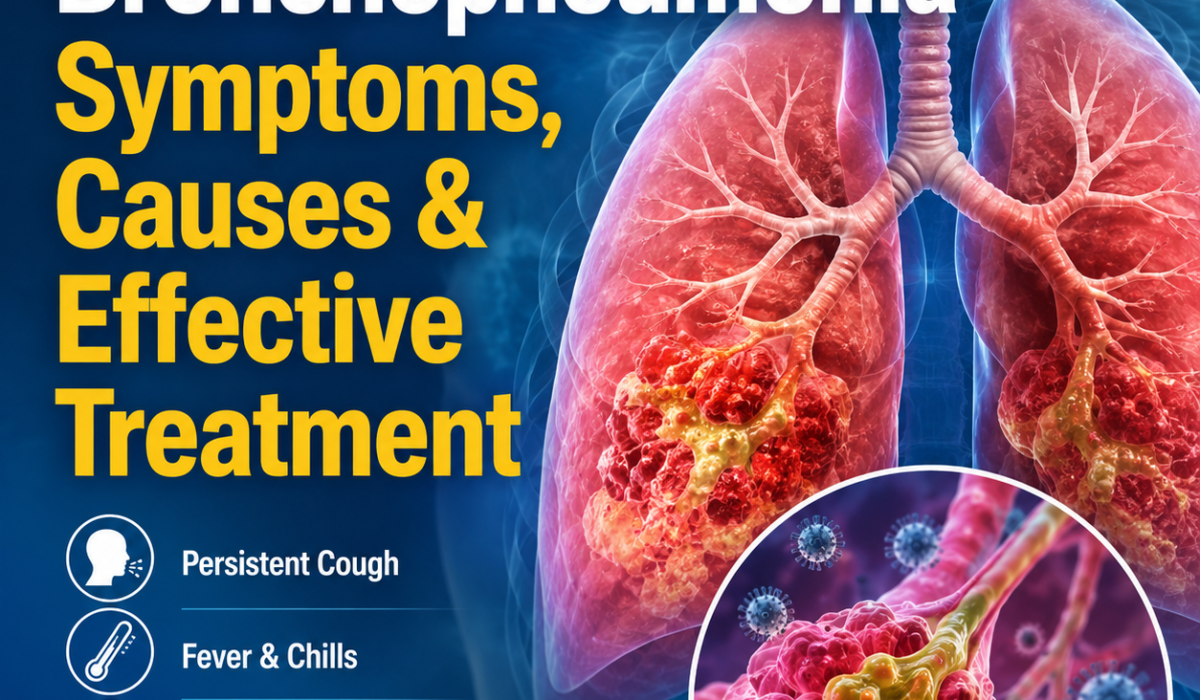
Bronchoalveolar Carcinoma is an older term once used for a type of lung cancer that begins in the air sacs of the lungs. Today, many cases described this way are classified as lung adenocarcinoma, especially adenocarcinoma in situ or lepidic-pattern adenocarcinoma.
If you are looking for bronchoalveolar carcinoma symptoms, causes, and treatment, the key point is that this form of lung cancer can sometimes grow slowly and may not cause symptoms early on. That can make it harder to detect until it is more advanced. For a broader overview of related respiratory conditions, you may also find this guide to bronchial problems, causes, symptoms, and treatment options helpful.
Although the terminology has changed, many patients and families still use the older name because it appears in past records, online searches, or earlier medical discussions. Understanding the current classification can make it easier to read pathology reports, discuss treatment with a specialist, and follow what your doctor is explaining.
- What Is Bronchoalveolar Carcinoma?
- Symptoms of Bronchoalveolar Carcinoma
- Causes of Bronchoalveolar Carcinoma
- How Bronchoalveolar Carcinoma Is Diagnosed
- Treatment for Bronchoalveolar Carcinoma
- Prognosis and Outlook
- Can Bronchoalveolar Carcinoma Be Prevented?
- Common Questions About Bronchoalveolar Carcinoma
- Summary
What Is Bronchoalveolar Carcinoma?
Bronchoalveolar Carcinoma was historically used to describe a lung cancer that spreads along the lining of the tiny air sacs, or alveoli, without invading deeply at first. Because of changes in cancer classification, doctors no longer commonly use this term.
In modern medical language, these cancers are usually grouped under:
- Adenocarcinoma of the lung
- Adenocarcinoma in situ
- Minimally invasive adenocarcinoma
- Lepidic-predominant adenocarcinoma
Even though the name has changed, many people still search for bronchoalveolar carcinoma because it is a familiar term and may appear in older medical records or discussions.
According to the National Cancer Institute’s lung cancer treatment information, modern diagnosis and treatment are based on the specific tumor type, stage, and molecular features rather than older naming alone.
In practical terms, this means two patients who once might both have been labeled with bronchoalveolar carcinoma could now receive different modern diagnoses and different treatment plans. One person may have a very early lesion that is removed surgically, while another may have a more invasive tumor that requires a combination of therapies. The updated terminology helps doctors describe those differences more precisely.
Symptoms of Bronchoalveolar Carcinoma
One reason this type of lung cancer can be difficult to detect is that symptoms may be mild or absent in the early stages. When symptoms do occur, they may be similar to other lung conditions.
Common symptoms include:
- A persistent cough
- Coughing up blood or blood-streaked mucus
- Shortness of breath
- Chest pain
- Wheezing
- Fatigue
- Unexplained weight loss
- Recurrent lung infections, such as pneumonia
- Excess mucus production
Some people may notice that their cough changes over time or that breathing becomes more difficult during activity. Others may have only vague symptoms and not realize anything is wrong until a chest X-ray or CT scan is done for another reason.
Because the cancer can spread along the lung’s air sacs rather than forming a single obvious mass in the earliest stages, symptoms may develop gradually. This slow progression can create a false sense of reassurance, especially when someone assumes a mild cough is just a lingering infection or allergies.
In some cases, symptoms overlap with other respiratory illnesses. For example, lingering cough and breathing trouble may also occur with conditions such as bronchiolitis in babies or bronchitis, which is one reason proper evaluation matters.
When to see a doctor
You should seek medical attention if you have:
- A cough that lasts more than a few weeks
- Blood in your sputum
- Ongoing chest discomfort
- Unexplained shortness of breath
- Frequent respiratory infections
- Sudden weight loss without trying
Because these symptoms can be caused by many conditions, they do not always mean cancer. However, they should always be evaluated.
It is especially important to pay attention if symptoms are new, getting worse, or not improving with routine treatment. A persistent cough in a smoker, a non-smoker with radon exposure, or someone with a history of occupational exposure deserves careful medical review. The earlier the cause is identified, the sooner the appropriate treatment can begin.
How symptoms may feel in daily life
People sometimes describe a nagging cough that will not go away, a feeling of tightness in the chest, or being unusually winded when climbing stairs. Some report repeated chest infections that return soon after antibiotics. Others notice only a reduced tolerance for physical activity. These changes may seem small at first, but they can matter when they persist.
Causes of Bronchoalveolar Carcinoma
Like other forms of lung cancer, bronchoalveolar carcinoma develops when abnormal cells grow out of control in the lungs. The exact cause is not always known, but several risk factors are associated with lung adenocarcinoma and related types.
Major risk factors include:
Smoking
Smoking is the biggest risk factor for many lung cancers, though some people with bronchoalveolar-type adenocarcinoma have never smoked. Exposure to secondhand smoke also increases risk.
Radon exposure
Radon is a naturally occurring radioactive gas that can build up in homes and buildings. Long-term exposure increases lung cancer risk.
Air pollution
Long-term exposure to outdoor air pollution and certain workplace pollutants may contribute to lung cancer development.
Occupational exposures
Substances such as asbestos, arsenic, diesel exhaust, and some industrial chemicals can raise risk.
Family history
A family history of lung cancer may increase a person’s risk, suggesting a possible genetic component.
Previous lung disease
People with chronic lung inflammation or scarring may have a higher risk of developing certain lung cancers.
Can non-smokers get it?
Yes. Lung adenocarcinoma, including tumors previously called bronchoalveolar carcinoma, is more likely than some other lung cancers to occur in people who have never smoked. This is one reason why persistent lung symptoms should not be ignored, even in non-smokers.
Researchers also believe that certain genetic changes may play a role in how these tumors develop and behave. That is one reason molecular testing is now part of routine lung cancer care. A tumor’s biology often matters as much as its size or location when doctors decide on treatment.
Risk reduction and awareness
Not every case is preventable, but awareness of risk factors can lead to earlier testing and faster care. If someone has a long smoking history, known radon exposure, or a strong family history, a discussion with a doctor about screening or symptom monitoring can be useful. Even people with no obvious risk factors should not ignore unexplained respiratory changes.
How Bronchoalveolar Carcinoma Is Diagnosed
Diagnosis usually begins when a doctor suspects a lung problem based on symptoms or imaging results. Tests may include:
- Chest X-ray
- CT scan of the chest
- PET scan
- Sputum examination
- Bronchoscopy
- Biopsy
- Molecular testing of tumor tissue
A biopsy is the most important test for confirming cancer. It allows doctors to examine the cells under a microscope and determine the exact type of lung cancer.
Molecular testing is especially important because some lung adenocarcinomas have specific gene changes that can help guide treatment.
Why imaging alone is not enough
Chest imaging can show the size, shape, and location of a lung lesion, but it cannot always tell whether the growth is cancerous. That is why doctors often combine scans with tissue sampling. In some cases, a lesion may appear slowly growing and still require careful follow-up because lepidic-pattern tumors can look different from more typical lung masses.
Imaging also helps determine whether there may be more than one area involved, whether lymph nodes look enlarged, and whether there are signs of spread to other organs. These details are important because treatment choices are very different for a localized cancer than for a cancer that has already spread. A small lesion in one lung can sometimes be treated very differently from a tumor that affects multiple areas of the lungs.
What doctors may look for
During evaluation, clinicians may consider whether the tumor appears confined to one area, whether there are signs of spread to lymph nodes or other organs, and whether the patient has a history of smoking, prior lung disease, or occupational exposure. These details help guide the next step in care.
Doctors may also ask about how long symptoms have been present, whether coughing is dry or productive, whether there has been any fever, and whether the patient has had repeated chest infections. A full history helps separate a possible cancer from infections, asthma, chronic bronchitis, or other lung disorders. Pulmonary function testing may also be used in some cases to see how well the lungs are working before surgery or other treatment.
Pathology and staging
Once tissue is obtained, pathologists review the sample to identify the cell type and growth pattern. Staging then shows how far the cancer has advanced. This step is critical because early-stage disease may be treated with surgery alone, while more advanced disease may need a combination of therapies. The stage, along with molecular findings, is one of the strongest factors in predicting outcome.
Treatment for Bronchoalveolar Carcinoma
Treatment depends on how far the cancer has spread, the exact tumor type, and the patient’s overall health. Because bronchoalveolar carcinoma is now generally classified under lung adenocarcinoma, treatment follows modern lung cancer guidelines.
In many cases, care is planned by a team that may include a pulmonologist, thoracic surgeon, medical oncologist, radiation oncologist, and pathologist. This team approach helps match the treatment to both the tumor and the person receiving care. Age alone does not decide treatment; lung function, other medical problems, and cancer stage matter as well.
1. Surgery
If the cancer is found early and has not spread, surgery may be the best option. Types of surgery include:
- Wedge resection
- Lobectomy
- Pneumonectomy in more advanced cases
Surgery aims to remove the tumor and some surrounding tissue to reduce the chance of recurrence.
When possible, surgeons try to remove enough tissue to clear the cancer while preserving as much healthy lung as they can. The exact surgery depends on the tumor’s size, location, and whether nearby tissue or lymph nodes are involved. Recovery can vary, but early-stage tumors that are removed completely often have better outcomes.
2. Radiation therapy
Radiation may be used:
- After surgery, if there is a risk of remaining cancer cells
- As the main treatment if surgery is not possible
- To relieve symptoms in advanced disease
Radiation uses high-energy beams to damage cancer cells. It may be especially helpful when a tumor cannot be safely removed or when a person is not healthy enough for surgery. In advanced cases, it can also reduce pain, ease breathing trouble, or control bleeding.
3. Chemotherapy
Chemotherapy uses drugs to kill cancer cells or stop them from growing. It may be used:
- Before surgery to shrink a tumor
- After surgery to lower recurrence risk
- For cancers that have spread
Not every patient with bronchoalveolar-type disease needs chemotherapy, but it remains an important option, especially when cancer is more advanced or when doctors want to treat microscopic disease that cannot be seen on scans. Side effects vary by medication and may include fatigue, nausea, lowered blood counts, or hair loss.
4. Targeted therapy
Many lung adenocarcinomas have gene mutations that can be treated with targeted drugs. These medicines focus on specific cancer-related changes, such as:
- EGFR mutations
- ALK rearrangements
- ROS1 changes
- BRAF mutations
- Other molecular markers
Targeted therapy can be especially helpful when the tumor has a known mutation.
This type of treatment is one of the biggest advances in lung cancer care. Instead of treating all cancers the same way, doctors can use tumor-specific information to choose drugs that are more likely to work. For some patients, targeted medicines may shrink the cancer, slow its growth, or help keep it under control for longer periods.
5. Immunotherapy
Immunotherapy helps the body’s immune system recognize and attack cancer cells. It may be used in certain advanced lung cancers, especially when specific markers are present.
These drugs do not work for every tumor, but when they do, they can provide meaningful benefit. Doctors often use test results from the tumor to decide whether immunotherapy is appropriate. In some cases, it may be given alone; in others, it is combined with chemotherapy.
6. Supportive care
Supportive or palliative care helps manage symptoms and improve quality of life. It may include:
- Oxygen therapy
- Pain control
- Medications for cough or nausea
- Nutritional support
- Breathing support and pulmonary rehabilitation
Supportive care can be used along with cancer treatment at any stage.
Supportive care is not the same as giving up on treatment. It is meant to reduce distress and help the patient function better day to day. For someone with lung cancer, that may mean improving breathing, keeping pain under control, maintaining weight, or helping with fatigue so everyday activities are easier.
What treatment planning often involves
Doctors usually review the tumor stage, biopsy results, molecular testing, lung function, and overall fitness for treatment before recommending a plan. Some people need more than one therapy, while others may be best treated with surgery alone if the cancer is discovered early. The right approach depends on how the disease behaves and how much lung tissue can safely be preserved.
Planning can also include discussions about goals of care, likely side effects, and how treatment may affect breathing or daily activity. Patients often benefit from asking questions about recovery time, follow-up scans, and whether additional therapies are likely to be needed after surgery. Clear communication can make a difficult diagnosis feel more manageable.
Prognosis and Outlook
The outlook for bronchoalveolar carcinoma depends on several factors, including:
- Tumor size
- Whether it has spread
- The specific subtype
- Molecular features
- Overall health of the patient
- Response to treatment
Some forms, especially adenocarcinoma in situ, tend to grow slowly and have a better prognosis when caught early. More invasive or advanced cancers may require more intensive treatment and have a less favorable outlook.
Early detection is one of the biggest factors affecting survival.
Why early treatment matters
When a lung cancer is identified before it spreads, treatment options are often broader and outcomes are usually better. That is why ongoing cough, blood in mucus, or unexplained breathing changes should be checked promptly, especially if risk factors are present.
Follow-up is also important after treatment. Even when surgery appears successful, doctors may recommend regular imaging and appointments to watch for recurrence or new lesions. Staying in care gives the best chance of catching changes early.
Living with the diagnosis
A lung cancer diagnosis can affect more than the lungs. It may influence energy, sleep, appetite, emotional well-being, and daily routines. Some people need rehabilitation or breathing exercises after treatment, while others may need help managing anxiety or uncertainty. Good follow-up care addresses both the cancer and its wider impact on life.
Can Bronchoalveolar Carcinoma Be Prevented?
Not all cases can be prevented, but you can lower your risk of lung cancer by reducing known risk factors.
Prevention steps include:
- Not smoking
- Avoiding secondhand smoke
- Testing your home for radon
- Using protective equipment at work if exposed to toxins
- Limiting exposure to air pollution when possible
- Keeping up with medical care for lung symptoms
For people at high risk, lung cancer screening may help detect disease earlier. The CDC’s lung cancer screening guidance explains who may benefit from low-dose CT screening and why early detection can save lives.
Practical ways to lower risk
Small changes can make a real difference. If you smoke, quitting is the most important step. If you live in an area with known radon risk, testing your home is a simple prevention measure. At work, following safety rules and using protective gear can reduce exposure to harmful substances that may contribute to lung cancer over time.
Regular medical checkups can also help. People with a long smoking history, chronic cough, or repeated lung infections should not wait until symptoms become severe. In some cases, routine follow-up for other health issues is what leads to the discovery of an early lung lesion. That can make a major difference in treatment success.
Common Questions About Bronchoalveolar Carcinoma
Is bronchoalveolar carcinoma still a medical term?
Not usually. It is an older term that has largely been replaced by modern classifications of lung adenocarcinoma.
Is it the same as lung cancer?
Yes, it is a type of lung cancer, specifically one that was historically described based on its growth pattern in the air sacs.
Does it always cause coughing?
No. Some people have no symptoms at first. Others may develop cough, shortness of breath, or recurrent infections.
Is it aggressive?
Some forms grow slowly, especially early-stage adenocarcinoma in situ. However, other forms can be more invasive and serious.
Can it be treated successfully?
Yes, especially if diagnosed early. Treatment success depends on the stage and tumor characteristics.
Should older pathology reports be reviewed again?
If you were previously told you had bronchoalveolar carcinoma, it can be helpful to review the old report with an oncologist or pulmonologist. Classification systems have changed, and the current diagnosis may give a clearer picture of treatment options and prognosis.
Is follow-up after treatment important?
Yes. Follow-up visits, repeat imaging, and symptom monitoring help doctors detect recurrence, treatment side effects, or new lung changes as early as possible. This ongoing care is part of long-term management and is often just as important as the first treatment decision.
Summary
Bronchoalveolar Carcinoma is an older name for a type of lung adenocarcinoma that affects the air sacs of the lungs. It may cause symptoms such as cough, shortness of breath, chest pain, blood in mucus, fatigue, or recurrent infections, but it can also remain silent in the early stages.
Its causes are linked to the same major lung cancer risk factors, including smoking, radon, air pollution, and occupational exposure, though it can also occur in non-smokers. Treatment may include surgery, radiation, chemotherapy, targeted therapy, immunotherapy, and supportive care depending on the stage and molecular features of the cancer.
If you notice ongoing lung symptoms, early evaluation is important. Prompt diagnosis gives the best chance for effective treatment and a better outcome.
If you already have an older diagnosis in your records, ask your doctor how it translates into modern terminology. That conversation can help you understand your current outlook, what tests may still be needed, and which treatment options are most appropriate.