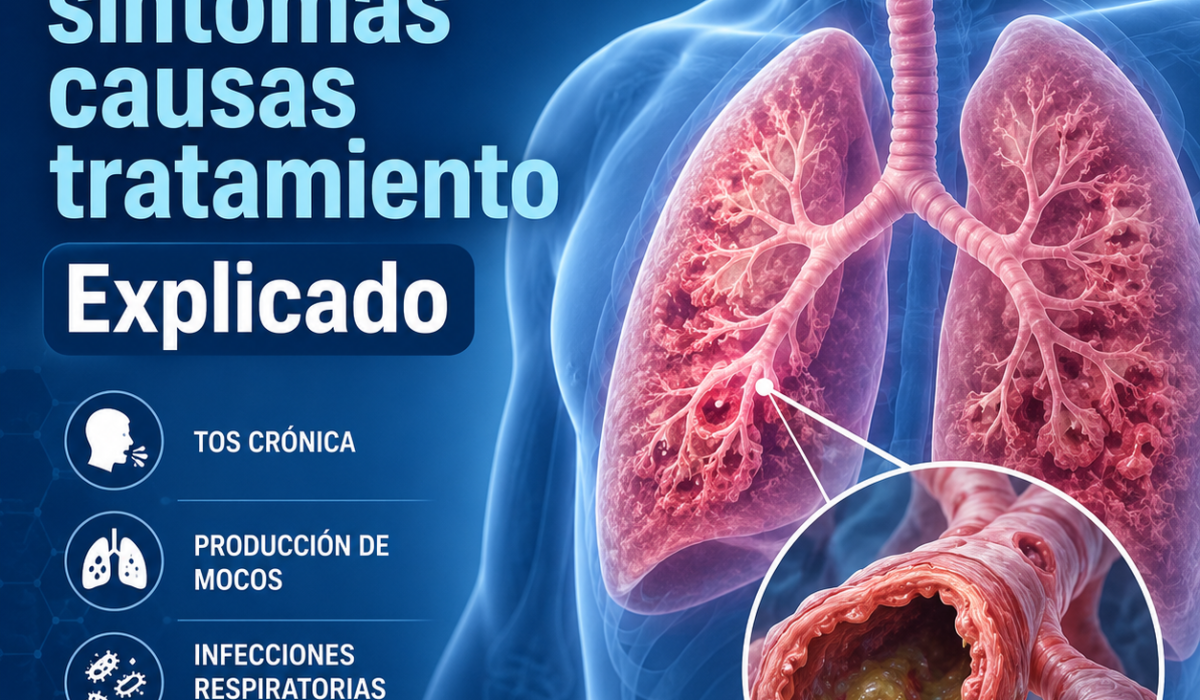
Bronchogenic Carcinoma is a type of lung cancer that starts in the cells lining the bronchi, which are the main air passages that carry air into the lungs. It is the most common form of lung cancer and one of the leading causes of cancer-related death worldwide. Many people search for this term because they want to understand what it is, what symptoms to watch for, what causes it, and how it is treated.
In simple terms, bronchogenic carcinoma is a cancer that develops in the airways of the lungs and can spread to nearby tissues or other parts of the body if not treated early. Knowing the warning signs and risk factors can help with earlier diagnosis and better outcomes.
What Is Bronchogenic Carcinoma?
Bronchogenic Carcinoma refers to cancers that arise from the epithelial cells of the bronchi or bronchioles. These cells normally protect and line the airways, but when they become damaged and grow uncontrollably, a tumor can form. Because the bronchi are part of the main airway system, cancers in this area can interfere with breathing early in the disease process.
The term is broadly divided into two main types:
- Non-small cell lung cancer (NSCLC), which is the most common type
- Small cell lung cancer (SCLC), which tends to grow and spread more quickly
The term “bronchogenic carcinoma” is often used interchangeably with lung cancer, especially when the cancer begins in the central airways. In everyday medical use, doctors may still describe the exact subtype, location, and stage because those details strongly affect treatment planning and prognosis.
Because lung cancer can behave differently depending on the cell type, doctors usually identify the exact subtype before discussing treatment. For a broader overview of cancer classification and how different tumors are grouped by origin and behavior, you can also read Brain Cancer Types: Symptoms, Causes & Treatment Guide.
Understanding the basic structure of the airways also helps explain why this disease can cause such a wide range of symptoms. The bronchi divide into smaller and smaller passages that deliver oxygen-rich air to the lungs. When a tumor grows in this system, it may block airflow, irritate the lining of the bronchial tubes, or cause bleeding. Over time, these changes can lead to cough, wheeze, infection, chest discomfort, and shortness of breath.
Symptoms of Bronchogenic Carcinoma
In the early stages, bronchogenic carcinoma may not cause obvious symptoms. This is one reason it is often diagnosed late. When symptoms do appear, they may be subtle at first and easy to mistake for bronchitis, asthma, smoking-related irritation, or a lingering chest infection. When symptoms do appear, they may include:
- Persistent cough that does not go away
- Coughing up blood or blood-streaked mucus
- Shortness of breath
- Chest pain, especially when coughing, breathing deeply, or laughing
- Wheezing
- Hoarseness
- Repeated lung infections, such as bronchitis or pneumonia
- Unexplained weight loss
- Fatigue
- Loss of appetite
- Shoulder pain
- Swelling in the face or neck
Some people also notice a change in their cough pattern rather than a completely new cough. For example, a smoker may develop a cough that becomes more frequent, more painful, or more productive than usual. Others may feel breathless on stairs, during conversation, or while walking shorter distances than before.
If the cancer has spread, additional symptoms may develop depending on the organ involved. For example:
- Bone pain if it spreads to the bones
- Headaches, dizziness, or seizures if it spreads to the brain
- Yellowing of the skin and eyes if it affects the liver
Because these symptoms can also be caused by less serious conditions, they are sometimes ignored. However, a persistent cough, coughing up blood, or ongoing shortness of breath should always be evaluated by a doctor. Any symptom that lasts longer than a few weeks or gets worse over time deserves medical attention, especially in people with a history of smoking or workplace exposure.
If breathing problems are affecting daily life, the guidance in Advanced lung cancer relief: Breathe Easier With Practical Options may also be useful for understanding supportive care approaches.
It is also worth noting that symptoms do not always reflect the size of the tumor. A relatively small lesion in a central bronchus can cause major symptoms if it blocks airflow, while a larger tumor in a more peripheral area may stay hidden longer. This is one reason imaging and biopsy are so important when lung cancer is suspected.
Causes of Bronchogenic Carcinoma
Bronchogenic Carcinoma develops when cells in the bronchial lining undergo genetic changes that cause them to grow uncontrollably. These changes may be triggered by exposure to harmful substances, lifestyle factors, or inherited tendencies. Over time, damaged cells can avoid normal repair signals, divide too quickly, and form a malignant tumor.
In many cases, there is no single clear cause. Instead, several risk factors may work together over many years. Some exposures damage the DNA inside airway cells directly, while others create chronic inflammation that makes abnormal cell growth more likely.
1. Smoking
Smoking is the biggest risk factor for bronchogenic carcinoma. Cigarette smoke contains many cancer-causing chemicals that damage the lung tissue over time. The risk increases with:
- Number of cigarettes smoked
- Number of years smoked
- Early age of starting smoking
Secondhand smoke can also raise the risk. Even people who never smoked may be exposed at home, at work, or in public settings where tobacco smoke is present. Quitting smoking lowers risk over time, although the risk may not return fully to the level of someone who never smoked.
2. Exposure to Carcinogens
Long-term exposure to certain workplace or environmental substances may increase risk, including:
- Asbestos
- Radon gas
- Arsenic
- Chromium
- Nickel
- Diesel exhaust
- Air pollution
These exposures matter because the lungs are directly in contact with inhaled particles and gases. Over many years, repeated irritation may injure the airway lining and promote cancer development. People who work in construction, mining, manufacturing, shipbuilding, or transportation may have higher occupational exposure depending on the job and safety measures used.
3. Genetic Factors
Some people may be more prone to lung cancer because of inherited genetic mutations or a family history of the disease. While genetics alone does not usually cause bronchogenic carcinoma, it can contribute to risk. A family history may suggest inherited susceptibility, shared environmental exposures, or both.
4. Previous Lung Disease
People with chronic lung conditions or scarring in the lungs may have a higher chance of developing cancer in affected tissue. Long-standing inflammation can make the lung environment less stable, which may increase the likelihood of abnormal cell changes.
5. Radiation Exposure
Previous radiation therapy to the chest can increase the risk of developing lung cancer later in life. This risk depends on the amount of radiation used, the area treated, and the time since treatment. For some people, the benefit of radiation still outweighs the long-term risk, but it remains an important part of medical history during evaluation.
6. Age and General Health
The risk of bronchogenic carcinoma increases with age, especially after 50. Overall health, immune function, and exposure history also play a role. Cancer is more likely when the body has been exposed to carcinogens for many years and natural cell repair mechanisms are less effective.
While these risk factors are important, they do not guarantee that cancer will develop. Many people with one or more risk factors never get lung cancer, and some people with little obvious exposure still do. That is why persistent respiratory symptoms should always be taken seriously.
Types of Bronchogenic Carcinoma
Understanding the type of bronchogenic carcinoma is important because treatment depends on it. The main difference lies in how the cancer cells look under a microscope, how quickly they grow, and how likely they are to spread.
Non-Small Cell Lung Cancer (NSCLC)
This is the most common type and includes:
- Adenocarcinoma
- Squamous cell carcinoma
- Large cell carcinoma
NSCLC usually grows more slowly than small cell lung cancer. Adenocarcinoma often develops in the outer parts of the lung, while squamous cell carcinoma is more closely linked to the central airways. Large cell carcinoma is less common and can behave more aggressively than some other non-small cell cancers.
Small Cell Lung Cancer (SCLC)
This type is less common but more aggressive. It often spreads quickly and is strongly linked to smoking. Because it tends to grow and spread early, doctors often treat it with chemotherapy and radiation rather than surgery alone.
Doctors may also consider related airway conditions and symptoms when evaluating respiratory health. For example, the National Cancer Institute’s lung cancer treatment overview provides a helpful, evidence-based summary of treatment approaches and staging.
In some cases, doctors also classify tumors by whether they are localized, regional, or metastatic. This staging language helps explain how far the cancer has spread and what treatment approach is most likely to help. A cancer confined to one area may be treated very differently from one that has spread to lymph nodes or distant organs.
How Bronchogenic Carcinoma Is Diagnosed
Diagnosis usually begins with a medical history and physical examination. If lung cancer is suspected, doctors may order one or more of the following tests:
- Chest X-ray
- CT scan
- PET scan
- MRI for checking spread to the brain or other areas
- Sputum cytology to look for cancer cells in mucus
- Bronchoscopy, where a camera is used to examine the airways
- Biopsy, which confirms the diagnosis by testing tissue samples
A biopsy is often the most important step because it confirms whether the mass is cancer and identifies the exact cell type. Doctors may take tissue during bronchoscopy, with a needle biopsy, or during surgery depending on the location of the tumor.
After diagnosis, doctors determine the stage of cancer, which describes how large it is and whether it has spread. Staging is essential for planning treatment. It may include checking the lymph nodes, the opposite lung, the bones, the liver, and the brain.
In some cases, more detailed molecular testing can guide treatment choices, especially for non-small cell lung cancer. That is one reason biopsy results matter so much for the next step in care. Molecular markers can help identify whether targeted therapy or immunotherapy is appropriate, and they may also provide information about expected response to treatment.
Doctors may also assess lung function, oxygen levels, and overall fitness before recommending surgery or other treatments. These tests help determine whether a patient can safely tolerate an operation or whether a non-surgical approach would be better.
Treatment for Bronchogenic Carcinoma
Treatment depends on the type, stage, location, and overall health of the patient. Some people need one treatment, while others require a combination. The goal may be cure, long-term disease control, or symptom relief, depending on how advanced the cancer is at the time of diagnosis.
Before treatment starts, doctors may discuss the expected benefits, side effects, and likely timeline. Many patients also meet with a multidisciplinary team that can include oncologists, pulmonologists, surgeons, radiation specialists, nurses, dietitians, and palliative care providers.
1. Surgery
Surgery may be an option when the cancer is detected early and has not spread widely. The surgeon may remove:
- A small portion of the lung
- One lobe of the lung
- An entire lung in severe cases
Surgery is more commonly used for non-small cell lung cancer. It works best when the tumor is localized and the patient is healthy enough to recover from the procedure. In some cases, lymph nodes nearby are also removed to check for spread.
2. Radiation Therapy
Radiation uses high-energy rays to kill cancer cells or shrink tumors. It may be used:
- Before surgery to shrink a tumor
- After surgery to remove remaining cancer cells
- As the main treatment when surgery is not possible
- To relieve symptoms in advanced cancer
Radiation can be given externally or, in some situations, internally depending on the cancer’s location and treatment plan. Side effects may include fatigue, skin irritation, cough, or inflammation in the treated area.
3. Chemotherapy
Chemotherapy uses medicines that kill rapidly dividing cells. It may be given:
- Before surgery
- After surgery
- With radiation
- As the main treatment for advanced or small cell lung cancer
Chemotherapy can help shrink tumors, slow disease progression, and improve symptoms, but it may also cause side effects such as nausea, fatigue, hair loss, and lowered blood counts. Supportive medicines are often used to reduce these effects.
4. Targeted Therapy
Targeted therapy works by attacking specific gene mutations or proteins involved in cancer growth. This treatment is only helpful if the cancer has certain genetic changes. It can be more precise than traditional chemotherapy.
Targeted drugs may be used in selected patients with non-small cell lung cancer whose tumors carry specific alterations. This is why molecular testing is so important after a biopsy. When a targetable change is found, treatment may be more effective and sometimes better tolerated.
5. Immunotherapy
Immunotherapy helps the immune system recognize and attack cancer cells. It has become an important option for many patients with advanced lung cancer. Some drugs work by removing the “brakes” that keep immune cells from attacking the tumor.
Not everyone is a candidate for immunotherapy, but when it is appropriate, it can sometimes produce long-lasting control of disease. Doctors use tumor markers, staging, and overall health to decide whether it is likely to help.
6. Palliative Care
Palliative care focuses on improving comfort and quality of life. It may include:
- Pain relief
- Breathing support
- Nutritional guidance
- Emotional support
- Treatment of side effects
Palliative care can be used at any stage of illness, not only near the end of life. It may be started alongside active cancer treatment to help manage symptoms and support daily function.
People living with ongoing breathlessness may need several forms of support at once, including symptom control, nutrition, and emotional care. When treatment is no longer focused only on cure, comfort-based care can make a meaningful difference.
In addition to treatment for the cancer itself, some people need oxygen, inhalers, antibiotics for infection, blood clot prevention, or nutritional support. Rehabilitation and exercise planning may also help preserve strength during treatment when appropriate.
Can Bronchogenic Carcinoma Be Cured?
The chance of cure depends on how early the cancer is found and how far it has spread. Bronchogenic carcinoma diagnosed at an early stage may be treated successfully, especially if surgery can remove all of the cancer. Advanced cancer is more difficult to cure, but treatment can still help control the disease, reduce symptoms, and extend life.
Early detection is one of the most important factors affecting survival. Cancers discovered before they spread widely are more likely to respond to curative treatment, while late-stage cancers often require ongoing therapy to keep them under control.
Staging, cell type, gene changes, and the patient’s overall health all affect prognosis. Even when a cure is not possible, many people benefit from a treatment plan that slows progression and improves comfort.
Risk Factors for Bronchogenic Carcinoma
Common risk factors include:
- Current or past smoking
- Exposure to secondhand smoke
- Exposure to asbestos, radon, or other carcinogens
- Family history of lung cancer
- Previous chest radiation
- Chronic lung disease
- Older age
- Long-term exposure to air pollution
Even people without obvious risk factors can develop bronchogenic carcinoma, which is why persistent symptoms should not be ignored. Risk also varies depending on the intensity and duration of exposure. For example, someone who smoked lightly for a short time may have a different risk profile from someone who smoked heavily for decades.
In rare situations, a tumor in the airways may be found while investigating another lung problem. For readers interested in related respiratory conditions, Bronchiolitis in Babies: Symptoms, Causes & Treatment covers an entirely different condition that can still help explain how inflamed airways affect breathing.
How to Reduce the Risk
While not all cases can be prevented, risk can be lowered by:
- Quitting smoking
- Avoiding secondhand smoke
- Testing homes for radon
- Using protective equipment at work
- Reducing exposure to air pollution when possible
- Getting regular medical care if you have lung symptoms
- Following screening recommendations if you are at high risk
For people with a history of heavy smoking, low-dose CT screening may help detect lung cancer earlier. Screening is especially important because lung cancer can grow quietly before producing clear symptoms. If you have been told you are at high risk, ask a healthcare professional whether screening is appropriate for you.
Public health guidance on tobacco risks and quitting support can be found through the Centers for Disease Control and Prevention tobacco resources, which offers practical information for reducing exposure and stopping smoking.
It can also help to make your environment safer. This may include improving ventilation, wearing respiratory protection when recommended, checking workplace safety protocols, and reducing exposure to fumes or dust whenever possible. Small preventive steps can add up over time.
When to See a Doctor
Seek medical attention if you have:
- A cough lasting more than a few weeks
- Coughing up blood
- Shortness of breath that worsens
- Ongoing chest pain
- Unexplained weight loss
- Recurrent chest infections
- Hoarseness that does not improve
Prompt evaluation is especially important if you smoke or have had long-term exposure to lung cancer risk factors. You should not wait for symptoms to become severe before getting checked, because earlier diagnosis may expand treatment options.
If your doctor suspects a lung problem, you may be referred for imaging or to a specialist such as a pulmonologist or oncologist. Bringing a list of symptoms, medications, smoking history, and workplace exposures can make the appointment more useful.
Living With Bronchogenic Carcinoma
Living with lung cancer affects more than the lungs alone. It can influence energy levels, appetite, sleep, mood, work, and family life. Supportive care is often just as important as the cancer treatment itself, especially when symptoms affect day-to-day activities.
Many people benefit from a care plan that includes symptom monitoring, nutrition support, emotional counseling, and follow-up imaging. Pulmonary rehabilitation, gentle exercise when approved by a doctor, and breathing techniques may also help improve stamina and reduce shortness of breath.
It is common to feel overwhelmed after diagnosis. Clear communication with the medical team can help patients and families understand the next steps, medication schedules, and warning signs that need urgent attention. Support groups, social workers, and patient navigators may also be helpful resources.
Family members and caregivers should learn how to watch for changes in breathing, pain, confusion, or reduced intake of food and fluids. These changes may signal that treatment needs adjustment or that a complication is developing.
Key Takeaway
Bronchogenic Carcinoma is a major form of lung cancer that begins in the bronchial lining. Its symptoms often include persistent cough, coughing up blood, shortness of breath, and chest pain, though early disease may cause no symptoms at all. Smoking is the leading cause, but exposure to carcinogens, genetics, and other factors also contribute. Treatment may include surgery, radiation, chemotherapy, targeted therapy, immunotherapy, and palliative care, depending on the cancer type and stage.
Understanding the symptoms, causes, and treatment options can help people seek care sooner and improve the chances of effective treatment. If warning signs are present, timely medical evaluation is the best next step.