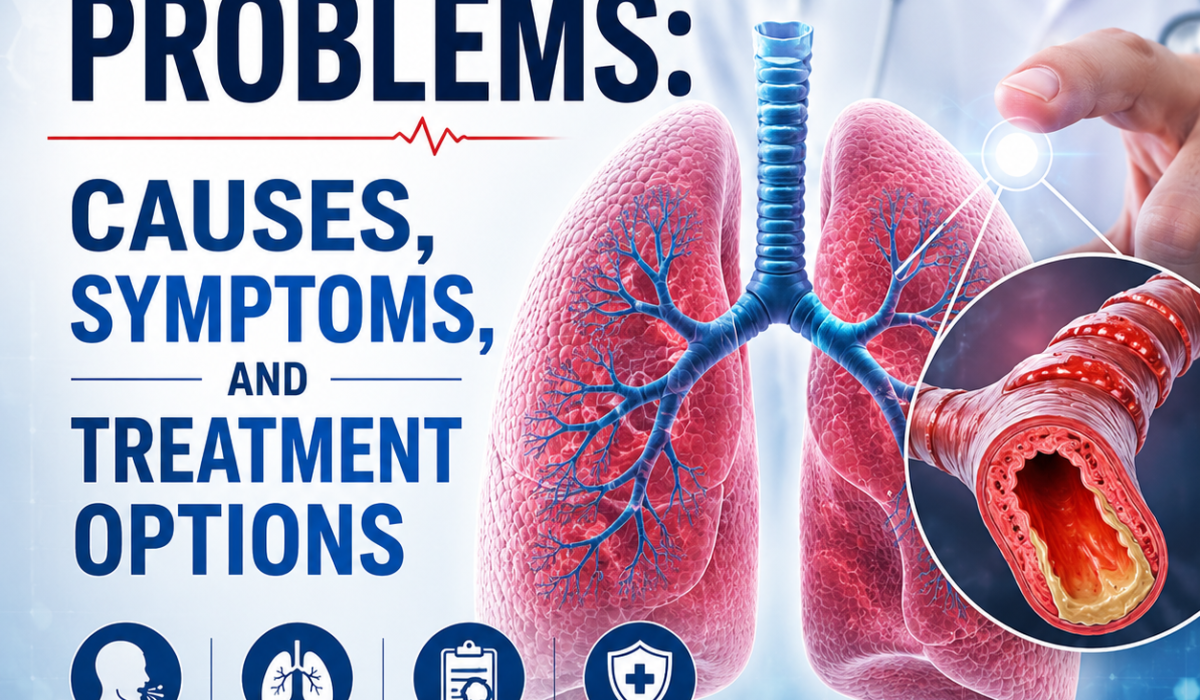
The bronchi are an important part of the respiratory system. They are the large air passages that carry air from the trachea, or windpipe, into the lungs. When the bronchi become irritated, inflamed, or blocked, breathing can become difficult and uncomfortable. Understanding what affects the bronchi, what symptoms to watch for, and which treatment options are available can help you respond early and prevent complications.
This article explains the bronchi in simple terms, then covers the most common causes of bronchial problems, the symptoms they can produce, and the treatment options doctors may recommend. It also explains when to seek care, how to reduce flare-ups, and how to support long-term lung health.
Table of Contents
- What Are the Bronchi?
- What Causes Bronchial Problems?
- Common Symptoms of Bronchial Problems
- How Are Bronchial Problems Diagnosed?
- Treatment Options for Bronchial Problems
- Home Care Tips for Mild Bronchial Symptoms
- When to See a Doctor
- Can Bronchial Problems Be Prevented?
- Bronchi and Long-Term Lung Health
- Frequently Asked Questions
- Conclusion
What Are the Bronchi?
The bronchi are two main airways that branch off from the trachea and enter each lung. Inside the lungs, they divide into smaller tubes called bronchioles, which lead to tiny air sacs where oxygen enters the blood.
The bronchi help:
- Carry air into the lungs
- Filter and warm inhaled air
- Move mucus and particles out of the airway through tiny hair-like structures called cilia
Because the bronchi are constantly exposed to air, dust, germs, smoke, and other irritants, they can become inflamed or narrowed relatively easily.
When bronchial irritation becomes persistent, it may lead to ongoing coughing, mucus buildup, or a feeling of chest tightness. In some people, the same bronchial problems are linked to asthma, infections, or long-term exposure to smoke and pollution.
In healthy airways, mucus is thin and moves out of the lungs efficiently. When bronchial problems develop, that process can slow down, making mucus thicker and harder to clear. This is one reason coughing may linger even after the original infection begins to improve.
The bronchi also react to temperature changes, allergens, and environmental pollutants. Cold air, strong odors, and smoke can all irritate already sensitive airways. For people with recurring respiratory issues, learning what triggers the bronchi can make a big difference in daily comfort.
What Causes Bronchial Problems?
Problems involving the bronchi usually happen when the airways become inflamed, infected, irritated, or narrowed. The most common causes include:
1. Infections
Viral infections are a major cause of bronchial inflammation. Acute bronchitis often develops after a cold or flu. Bacterial infections can also affect the bronchi, though they are less common. For a broader overview of airway symptoms, see Breathing Difficulties: Causes, Symptoms & When to Act.
Infection-related bronchial problems often start with upper respiratory symptoms such as a sore throat, runny nose, or mild fever. As the infection moves into the lower airways, the cough may become deeper, more frequent, and more productive. The bronchi may remain irritated for some time even after the infection itself begins to clear.
2. Smoking
Cigarette smoke is one of the leading causes of chronic bronchial irritation. Smoking damages the lining of the bronchi, increases mucus production, and makes it harder for the lungs to clear irritants and germs.
Long-term smoking can also slow the tiny cilia that help move mucus out of the airways. When these cleaning mechanisms are weakened, mucus and particles can stay in the bronchi longer, increasing the risk of repeated symptoms and infection.
3. Air pollution and irritants
Exposure to dust, fumes, chemical vapors, and polluted air can inflame the bronchi. This is especially common in people who work in certain industrial settings or live in areas with poor air quality.
Household irritants can matter too. Cleaning sprays, strong perfumes, and smoke from fireplaces or cooking can all aggravate sensitive airways. Over time, repeated exposure may contribute to frequent bronchial problems, even if each episode seems mild at first.
4. Allergies and asthma
Allergic reactions and asthma can make the bronchi overly sensitive. During an asthma flare-up, the bronchial muscles tighten and the airway lining swells, making it harder to breathe.
For some people, bronchial symptoms appear seasonally when pollen counts are high. For others, dust mites, pet dander, or mold are the main triggers. Asthma and allergy-related bronchial problems may improve when triggers are identified and controlled early.
5. Chronic lung conditions
Conditions such as chronic bronchitis and chronic obstructive pulmonary disease, or COPD, can cause long-term damage and narrowing of the bronchi.
These conditions often develop slowly. A person may notice a persistent cough, more mucus than usual, or increased shortness of breath during activity before they realize there is an ongoing airway problem. Chronic bronchial inflammation can make routine tasks feel harder and reduce stamina over time.
6. Weak immune system
People with weakened immune systems may be more likely to develop respiratory infections that affect the bronchi and lungs.
In many cases, more than one trigger is involved. Someone may have a viral infection first, then notice that smoke, dust, or poor air quality makes the symptoms worse. Bronchial problems can also be more noticeable during winter, when people spend more time indoors and viruses spread more easily.
Risk can rise with age, certain chronic illnesses, or repeated exposure to irritants. That is why bronchial problems are not always caused by one single event. They often reflect a combination of infection, airway sensitivity, and environmental stress on the lungs.
Common Symptoms of Bronchial Problems
Symptoms can vary depending on the cause and whether the condition is short-term or chronic. Common signs include:
- Cough, often persistent
- Mucus production
- Wheezing
- Shortness of breath
- Chest tightness or discomfort
- Fatigue
- Low-grade fever, especially with infection
- Sore throat or runny nose when bronchial symptoms follow a cold
A cough that produces mucus is one of the most familiar signs of bronchial irritation. In some people, the cough is worse in the morning. In others, symptoms become more noticeable during exercise, after exposure to cold air, or at night.
The cough may begin dry and later become productive, or it may stay wet from the start. Some people also notice a rattling sound in the chest, especially when mucus is present. If the bronchi are very inflamed, even a deep breath may trigger coughing or discomfort.
Wheezing happens when air has trouble moving through narrowed airways. It may sound like a whistle during exhalation. Shortness of breath may be mild at first and then become more noticeable when walking, climbing stairs, or lying down.
For people looking for background on airway narrowing, bronchial problems can overlap with conditions that cause breathing trouble during daily activity. When symptoms start after a cold, infection, or exposure to smoke, the pattern often gives doctors an important clue.
Symptoms of Acute Bronchitis
Acute bronchitis usually comes on suddenly and often follows a viral infection. Common symptoms include:
- Cough that may produce mucus
- Mild fever
- Chest soreness from coughing
- Wheezing or mild breathing difficulty
Acute bronchial problems often improve gradually, but the cough can last longer than the fever or body aches. That lingering cough may be frustrating, but it does not always mean the illness is getting worse.
Symptoms of Chronic Bronchitis
Chronic bronchitis is a long-term condition and is often part of COPD. Symptoms may include:
- Cough with mucus for months at a time
- Repeated respiratory infections
- Shortness of breath
- Frequent wheezing
- Reduced exercise tolerance
For readers comparing airway symptoms with other breathing concerns, Shortness of breath: Breathlessness Explained: Causes, Symptoms & Relief offers a helpful related overview.
Chronic bronchial problems can affect daily routines in subtle ways. A person might avoid exercise, need more time to recover after activity, or wake up with chest congestion more often. These changes matter because they can signal ongoing airway inflammation rather than a brief illness.
How Are Bronchial Problems Diagnosed?
Doctors usually begin with a physical exam and a discussion of symptoms. They may ask about smoking history, exposure to irritants, recent infections, and any history of asthma or allergies.
Tests may include:
- Pulse oximetry to measure oxygen levels
- Chest X-ray to rule out pneumonia or other lung problems
- Pulmonary function tests to evaluate airflow
- Sputum tests if a bacterial infection is suspected
- Blood tests in some cases
Diagnosis depends on whether the issue is acute bronchitis, chronic bronchitis, asthma-related bronchial narrowing, or another respiratory condition.
If symptoms are severe or do not improve as expected, a doctor may look for other causes of coughing and breathing trouble. That helps make sure the treatment matches the underlying problem, not just the symptoms.
In some cases, the evaluation also focuses on how long the symptoms have been present, whether they come and go, and whether they are linked to exercise, allergies, or infection. This pattern can help a clinician separate temporary bronchial irritation from a more persistent condition.
Depending on the situation, your doctor may also review medications, work exposure, and home environment. This is especially useful when bronchial problems keep coming back or when the cause is not obvious from the first visit.
Treatment Options for Bronchial Problems
Treatment depends on the cause. Some bronchial conditions improve on their own, while others need medical treatment and long-term management.
1. Rest and fluids
For many cases of acute bronchitis, especially when caused by a virus, rest and plenty of fluids are recommended. Fluids help loosen mucus and support recovery.
Warm drinks may be especially soothing when the throat is irritated by frequent coughing. Adequate sleep also gives the immune system a better chance to recover and may reduce the strain that coughing places on the chest muscles.
2. Over-the-counter medicines
Doctors may suggest:
- Pain relievers for chest discomfort or fever
- Cough medicines in certain situations
- Expectorants to help loosen mucus
These medicines do not cure the underlying problem, but they may help reduce symptoms.
Not every cough should be suppressed. In some cases, coughing helps clear mucus from the bronchi. The best choice depends on whether the cough is dry, productive, or interfering with sleep and daily function.
3. Bronchodilators
Bronchodilators are medicines that relax the muscles around the airways and make breathing easier. They are commonly used for asthma, COPD, and other conditions that cause bronchial narrowing.
These medicines are especially helpful when wheezing or tightness is a major symptom. By opening the airways, bronchodilators can reduce the feeling that breathing takes extra effort and may make it easier to clear mucus.
4. Inhaled corticosteroids
These medications reduce airway inflammation and are often used in asthma and some chronic bronchial conditions. They can help prevent flare-ups and improve airflow.
Inhaled corticosteroids are not the same as quick-relief inhalers. They are used as part of a longer-term plan to calm inflammation and reduce the chance of repeated bronchial problems.
5. Antibiotics
Antibiotics are only used when a bacterial infection is suspected or confirmed. They do not help viral bronchitis.
This distinction is important because many bronchial infections begin with viruses. Using antibiotics when they are not needed does not speed recovery and may cause unnecessary side effects or resistance.
6. Oxygen therapy
If bronchial disease causes low oxygen levels, oxygen therapy may be needed. This is more common in severe chronic lung disease.
Oxygen therapy is typically used when the lungs cannot deliver enough oxygen on their own. It is not a first-line treatment for mild bronchial irritation, but it can be essential for more advanced disease.
7. Pulmonary rehabilitation
People with chronic bronchial conditions, especially COPD, may benefit from pulmonary rehabilitation. This program often includes:
- Breathing exercises
- Physical conditioning
- Education about lung health
- Lifestyle support
Pulmonary rehabilitation can improve endurance, confidence, and symptom control. It also gives people practical tools for conserving energy and breathing more efficiently during everyday activities.
8. Lifestyle changes
Lifestyle changes are essential, especially for chronic bronchial problems. These may include:
- Quitting smoking
- Avoiding secondhand smoke
- Limiting exposure to dust, fumes, and chemicals
- Using air filters or masks when appropriate
- Managing allergies and asthma triggers
- Staying up to date on vaccines, including flu and pneumonia vaccines
For people who also struggle with airway tightness or persistent breathing strain, treatment may overlap with care used for Breathing Difficulties: Causes, Symptoms & When to Act.
When bronchial problems are related to asthma or allergy triggers, reducing exposure can be as important as taking medicine. Simple changes, such as cleaning bedding regularly or avoiding indoor smoke, may lower symptom frequency over time.
Good management also means knowing when symptoms are changing. If a cough becomes more frequent, mucus changes color, or breathing becomes harder during routine tasks, it is worth reassessing the plan with a healthcare professional.
Home Care Tips for Mild Bronchial Symptoms
If symptoms are mild and a doctor has ruled out serious illness, home care may help:
- Get enough rest
- Drink warm fluids such as tea or broth
- Use a humidifier to add moisture to the air
- Avoid smoke and other irritants
- Sleep with your head elevated if coughing is worse at night
These steps can ease irritation and help the airways recover. Supportive care is especially useful when bronchial problems follow a viral infection and the main goal is to reduce discomfort while the body heals.
It can also help to avoid strenuous exercise until breathing feels more stable. Gentle movement is fine for many people, but pushing too hard too soon may worsen coughing or chest tightness.
If mucus is thick, maintaining hydration may help make it easier to cough up. Breathing warm, moist air in a steamy bathroom or with a humidifier can also be soothing for some people, although it should not replace medical advice when symptoms are concerning.
Another practical step is to track what makes the bronchi feel worse. Cold air, cleaning products, dust, or exercise may be enough to trigger symptoms in sensitive airways, and identifying those patterns can help prevent repeated flare-ups.
When to See a Doctor
You should seek medical care if you have:
- A cough that lasts more than a few weeks
- Trouble breathing
- Wheezing that does not improve
- High fever
- Coughing up blood
- Chest pain
- Blue lips or fingertips
- Repeated bronchial infections
Immediate medical attention is important if breathing becomes severely difficult or symptoms worsen quickly.
For trusted guidance on when breathing symptoms need urgent medical attention, the National Heart, Lung, and Blood Institute bronchitis overview is a useful educational resource.
You should also contact a doctor if symptoms interfere with sleep, daily tasks, or work, even if they seem mild at first. Recurrent bronchial problems may point to an underlying condition that needs ongoing management rather than short-term relief alone.
Can Bronchial Problems Be Prevented?
Not all bronchial conditions can be prevented, but you can lower your risk by:
- Not smoking
- Avoiding exposure to tobacco smoke
- Washing hands regularly to reduce infections
- Getting recommended vaccines
- Managing asthma and allergies
- Wearing protective equipment in polluted or dusty work environments
- Maintaining good overall lung health
Prevention is especially important for people with chronic respiratory conditions or a history of frequent bronchial infections.
Simple habits like staying hydrated, reducing irritant exposure, and treating colds early can also help protect the airways. Over time, these small steps can reduce strain on the bronchi and lower the chance of repeated flare-ups.
Good prevention often starts with recognizing patterns. If symptoms appear after exposure to smoke, cold air, or dust, it may help to avoid that trigger as much as possible. If symptoms happen with allergies, better control of the allergy may help reduce bronchial irritation too.
Bronchi and Long-Term Lung Health
Healthy bronchi are essential for normal breathing. When they are repeatedly inflamed or damaged, lung function can decline over time. This is why early treatment matters. Treating infections promptly, avoiding irritants, and managing chronic conditions can help protect the airways and reduce the chance of long-term complications.
Long-term care is not only about easing symptoms during an illness. It also involves protecting the airway lining, keeping mucus moving normally, and reducing the risk of further inflammation. In chronic bronchial problems, good daily management can make breathing easier and help preserve quality of life.
People who have had repeated episodes may benefit from tracking symptoms in a simple notebook or phone app. Writing down when coughing starts, what makes it worse, and what helps can reveal patterns that are useful during medical visits. This can make it easier to adjust treatment and avoid future flare-ups.
Bronchial health is closely tied to overall respiratory health. Staying active, following treatment plans, and avoiding tobacco exposure all support the lungs. Even small improvements can make breathing feel more comfortable and reduce the burden of chronic symptoms.
With steady care, many people can manage bronchial problems well and reduce the impact on daily life. The key is to notice patterns early, treat the cause when possible, and protect the airways from repeated irritation.
Frequently Asked Questions
What is the difference between bronchi and bronchioles?
The bronchi are the larger airways that branch from the trachea into the lungs. Bronchioles are the smaller branches that extend deeper into the lungs and lead to the air sacs.
Is bronchitis the same as a bronchial problem?
Bronchitis is one type of bronchial problem. It means inflammation of the bronchi. Other bronchial problems include airway narrowing from asthma or chronic damage from COPD.
How long does bronchitis last?
Acute bronchitis often lasts a few weeks. Chronic bronchitis lasts much longer and is usually a recurring or ongoing condition.
Can bronchial inflammation go away on its own?
Yes, mild acute bronchial inflammation caused by a virus often improves with rest and supportive care. However, chronic or severe symptoms need medical evaluation.
Are bronchial problems contagious?
The bronchial condition itself is not contagious, but the infection causing acute bronchitis, such as a cold or flu virus, may be contagious.
Conclusion
The bronchi are vital airways that help move air into the lungs. When they become inflamed or narrowed, symptoms such as cough, mucus, wheezing, and shortness of breath can develop. Common causes include infections, smoking, allergies, asthma, and exposure to irritants.
Treatment depends on the underlying cause and may include rest, fluids, inhalers, medications, oxygen therapy, and lifestyle changes. Early attention to symptoms and good lung care can help prevent complications and support better breathing over time. If bronchial problems keep returning, a medical evaluation can help identify the trigger and guide the right long-term plan.
With the right support, many bronchial problems can be managed effectively. Paying attention to warning signs, reducing exposure to triggers, and following treatment advice can make a meaningful difference in comfort, breathing, and overall lung health.