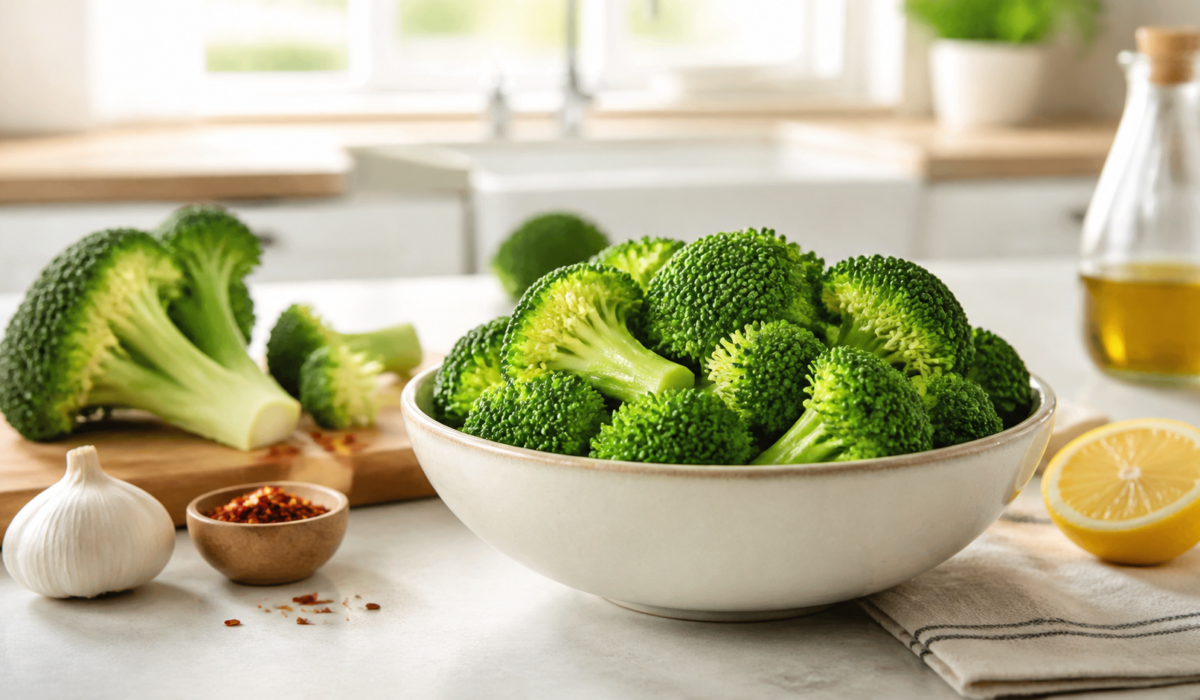
Broccoli is one of the most nutritious vegetables you can eat, and the broccoli benefits go far beyond being a low-calorie side dish. Packed with vitamins, minerals, fiber, and powerful plant compounds, broccoli supports many important functions in the body.
If you’ve ever wondered whether broccoli is really as healthy as people say, the answer is yes—and then some. In this article, you’ll learn the top broccoli benefits, why they matter, and how eating broccoli regularly can support better health.
Table of Contents
- What Makes Broccoli So Healthy?
- Broccoli Supports Strong Immune Function
- It May Help Protect Heart Health
- Broccoli Helps Improve Digestion
- It Supports Healthy Blood Sugar Levels
- Broccoli Contains Powerful Antioxidants
- It May Support Brain Health
- Broccoli Supports Healthy Bones
- How to Add Broccoli to Your Diet
What Makes Broccoli So Healthy?
Before getting into the surprising benefits, it helps to understand what broccoli contains. This cruciferous vegetable is rich in:
- Vitamin C
- Vitamin K
- Folate
- Fiber
- Potassium
- Antioxidants
- Sulforaphane, a plant compound linked to many health benefits
Because broccoli contains so many nutrients in relatively few calories, it is often considered a superfood. But the real value comes from how these nutrients work together in the body. For more vegetable ideas, see our guide to the healthiest vegetables.
In many ways, the most practical broccoli benefits come from how easy it is to fit into everyday meals. It works well as a side dish, a soup ingredient, or a quick vegetable addition to lunch and dinner. It also fits into simple meal prep, which makes it easier to eat consistently throughout the week.
Another reason broccoli stands out is its versatility. You can keep it crisp for salads, soften it for casseroles, or roast it until the edges are caramelized. That flexibility makes it easier to enjoy the full range of broccoli benefits without feeling like you are eating the same meal over and over.
1. Broccoli Supports Strong Immune Function
One of the most well-known broccoli benefits is immune support. Broccoli is especially high in vitamin C, a nutrient that helps the body protect itself from illness and infection.
Vitamin C supports the production and function of white blood cells, which are essential for defending the body against harmful invaders. It also acts as an antioxidant, helping reduce damage caused by free radicals.
In addition to vitamin C, broccoli contains other compounds that may help support a healthy immune response. Eating broccoli regularly can be a simple way to help your body stay resilient. This is especially useful during seasons when colds and other infections are more common.
Broccoli also provides water and fiber, both of which support overall wellness. When your body is nourished with a variety of vitamins and plant compounds, it is better equipped to handle daily stress and maintain normal immune activity. That is one of the clearest broccoli benefits for everyday health.
2. It May Help Protect Heart Health
Broccoli is good for the heart in several ways. Its fiber, potassium, and antioxidant content all play a role in supporting cardiovascular health.
Fiber helps manage cholesterol levels by reducing the amount of cholesterol absorbed in the bloodstream. Potassium helps balance sodium levels and supports healthy blood pressure. Antioxidants help protect blood vessels from oxidative stress.
Some research suggests that the compounds in broccoli, especially sulforaphane, may also help reduce inflammation and support blood vessel function. These effects can contribute to better long-term heart health, making broccoli one of the more helpful vegetables to include in a balanced diet.
Heart-friendly eating often comes down to patterns, not single foods. Broccoli works well alongside beans, whole grains, fish, olive oil, and other vegetables, creating meals that are naturally rich in nutrients and lower in ultra-processed ingredients. That is why the broccoli benefits can be especially meaningful when broccoli becomes part of a heart-conscious eating style.
For readers interested in blood-clotting nutrition concerns, it may also help to understand how blood thinners can interact with vitamin K-rich foods like broccoli.
3. Broccoli Helps Improve Digestion
If you want better digestive health, broccoli can help. It is a good source of dietary fiber, which supports regular bowel movements and helps prevent constipation.
Fiber also feeds beneficial gut bacteria, which is important for a healthy digestive system. A balanced gut microbiome supports digestion, nutrient absorption, and even immune function.
That said, broccoli can be hard to digest for some people if eaten in large amounts, especially raw. Cooking it lightly can make it easier on the stomach while still preserving many of its nutrients.
Many people notice that the digestive broccoli benefits are easier to enjoy when the vegetable is steamed or roasted instead of eaten raw in large portions. Smaller servings can be a better starting point if you are not used to eating a lot of fiber.
If bloating or gas is a concern, pairing broccoli with other gentle foods may help. For example, adding it to rice bowls, soups, or grain salads can make it easier to digest than eating a large raw portion all at once. In that sense, the best broccoli benefits are often the ones you can tolerate comfortably and enjoy regularly.
4. It Supports Healthy Blood Sugar Levels
Broccoli may be a smart food choice for people who want to keep blood sugar steady. Since it is low in calories and carbohydrates while being high in fiber, broccoli has a low impact on blood sugar levels.
Fiber slows the absorption of sugar into the bloodstream, which can help prevent spikes and crashes in blood sugar. Some studies also suggest that sulforaphane may help support better blood sugar control, especially in people with insulin resistance.
This makes broccoli a valuable addition to balanced meals, particularly when paired with protein and healthy fats. The blood sugar support is one more reason the broccoli benefits are so widely discussed in nutrition guidance.
Broccoli is especially useful in meals that would otherwise be heavy in refined carbohydrates. Adding it to pasta, grain bowls, omelets, or stir-fries can improve the overall nutrition profile of the dish without adding many calories. That practical use is part of what makes broccoli benefits so easy to work into real life.
For people who are trying to build steadier energy throughout the day, broccoli can be a helpful companion food. Its fiber helps increase fullness, which may also make it easier to avoid unnecessary snacking between meals.
5. Broccoli Contains Powerful Antioxidants
Another surprising benefit of broccoli is its antioxidant power. Antioxidants are compounds that help protect cells from damage caused by oxidative stress.
Broccoli contains several antioxidants, including vitamin C, beta-carotene, lutein, and sulforaphane. These compounds may help reduce inflammation and support overall health by protecting the body at a cellular level.
Since oxidative stress is linked to aging and many chronic health issues, antioxidant-rich foods like broccoli can play an important role in a healthy diet. That is one of the key broccoli benefits to keep in mind when planning everyday meals.
Broccoli’s antioxidants are part of a broader family of plant-based protective compounds that make cruciferous vegetables so valuable. Eating broccoli alongside other colorful produce can help you get a wider mix of nutrients. If you want more variety on your plate, our guide to the healthiest vegetables is a good place to look for additional ideas.
It is also worth remembering that broccoli’s plant compounds work best as part of a consistent eating pattern. One serving is useful, but the stronger broccoli benefits come from including it regularly over time.
6. It May Support Brain Health
Broccoli does more than support the body—it may also help the brain. Nutrients in broccoli, such as vitamin K, folate, and antioxidants, are important for brain function.
Vitamin K plays a role in cognitive function and healthy brain cell activity. Folate is needed for healthy neurotransmitter production, which affects mood and mental performance. Antioxidants may help protect brain cells from damage over time.
While broccoli is not a cure for memory or focus problems, including it in your diet may help support long-term brain health as part of an overall balanced eating pattern. Among the many broccoli benefits, this one is often overlooked.
Brain health is influenced by sleep, physical activity, stress, and the overall quality of your diet. Broccoli cannot do everything on its own, but it can contribute valuable nutrients that support normal brain function. When combined with other nutrient-dense foods, the broccoli benefits become part of a larger strategy for healthy aging.
7. Broccoli Supports Healthy Bones
Many people do not think of vegetables when they think of bone health, but broccoli is a helpful source of nutrients for strong bones. It contains vitamin K, calcium, and magnesium, all of which contribute to bone maintenance.
Vitamin K is especially important because it helps the body use calcium properly. Calcium is essential for building and maintaining bones, while magnesium supports bone structure and overall mineral balance.
For people who do not consume much dairy, broccoli can be a valuable plant-based food that contributes to bone strength. This is one of the most practical broccoli benefits for people trying to support long-term skeletal health.
If bone support is a priority, you may also want to read these bone health tips to strengthen your bones naturally.
Because bone health depends on many factors, it helps to think of broccoli as one useful part of a larger plan. Adequate protein, movement, and other mineral-rich foods also matter. Still, adding broccoli regularly can be an easy way to reinforce those bone-supportive habits and enjoy more broccoli benefits at the same time.
Other Broccoli Benefits Worth Knowing
In addition to the seven major benefits above, broccoli may also:
- Support healthy skin
- Help with weight management
- Promote detoxification processes in the body
- Contribute to eye health
- Provide anti-inflammatory support
These additional broccoli benefits come from its combination of vitamins, minerals, fiber, and natural plant compounds.
For example, the vitamin C in broccoli supports collagen formation, which is important for skin structure. Its fiber can help you feel full after meals, which may support weight control. And its carotenoids may contribute to eye health as part of a diet rich in colorful fruits and vegetables.
Is Broccoli Better Raw or Cooked?
A common question is whether broccoli is healthier raw or cooked. The answer depends on your goals.
- Raw broccoli preserves more of some heat-sensitive nutrients.
- Lightly cooked broccoli may be easier to digest and can make some beneficial compounds more available.
Steaming is often one of the best cooking methods because it helps retain nutrients while improving texture and digestibility. Overcooking broccoli can reduce its nutrient content and make it mushy.
For most people, the best approach is simply the one that makes broccoli easier to enjoy consistently. That way, the broccoli benefits remain part of your routine instead of staying on paper.
If you prefer roasted broccoli, a short cook time and a little olive oil can create a flavorful side dish without much effort. If you like it raw, try smaller pieces with dip or in salads so the texture is more pleasant. However you prepare it, the goal is to keep broccoli practical, tasty, and easy to repeat.
How Much Broccoli Should You Eat?
There is no perfect amount of broccoli for everyone, but including it in your meals several times a week is a good start. A serving is usually about 1 cup of raw broccoli or 1/2 cup of cooked broccoli.
If you are new to eating more vegetables or have digestive sensitivity, start with smaller portions and gradually increase your intake.
Consistency matters more than perfection. A few servings per week can already help you enjoy more of the broccoli benefits without making your meals feel restrictive. Some people find it easiest to add broccoli to one lunch and one dinner each week, then build from there.
Easy Ways to Add Broccoli to Your Diet
Broccoli is versatile and easy to prepare. You can enjoy it:
- Steamed with olive oil and lemon
- Roasted with garlic and spices
- Added to stir-fries
- Mixed into soups and casseroles
- Tossed into salads
- Blended into vegetable-packed smoothies
- Served with dips like hummus or yogurt-based sauces
The more enjoyable it is to eat, the easier it becomes to make broccoli a regular part of your routine. If you are building a more vegetable-forward plate, the broccoli benefits can be a good reason to keep it on your weekly shopping list.
For meal-planning inspiration, you can also explore a wider range of nutritious produce in our roundup of the healthiest vegetables.
When buying broccoli, look for firm stalks and tightly closed florets with a deep green color. Fresh broccoli should smell clean and mild, not sour or wilted. Good storage also matters: keep it in the refrigerator and use it within a few days for the best texture and flavor.
If you want to make broccoli more appealing, try pairing it with ingredients you already enjoy. Cheese sauces, sesame oil, garlic, chili flakes, tahini, or a squeeze of lemon can all make a simple dish feel more satisfying while keeping the focus on the vegetable itself. The easier broccoli is to enjoy, the more likely you are to keep getting the broccoli benefits over time.
Are There Any Downsides to Eating Broccoli?
For most people, broccoli is very healthy and safe to eat regularly. However, a few things are worth noting:
- Eating very large amounts may cause gas or bloating
- People taking blood thinners should monitor vitamin K intake and follow medical advice
- Those with thyroid concerns may want to discuss cruciferous vegetable intake with a healthcare professional if eating very large amounts
For most healthy adults, moderate broccoli consumption is beneficial and encouraged. The goal is not to avoid the vegetable, but to enjoy the broccoli benefits in a way that fits your body and your diet.
For a reliable reference on vitamin K and food guidance, the NIH Office of Dietary Supplements vitamin K fact sheet is a useful place to learn more.
If you are managing a medical condition or take prescription medication, it is always smart to check with a healthcare professional before making major diet changes. That advice is especially important when food choices may affect nutrient intake or medication planning.
Final Thoughts
Broccoli is much more than just a nutritious vegetable—it offers a wide range of health benefits that can support your immune system, heart, digestion, blood sugar, brain, and bones. Its combination of fiber, vitamins, minerals, and antioxidants makes it one of the best vegetables to include in a balanced diet.
If you want a simple way to improve your eating habits, broccoli is a smart place to start. Whether steamed, roasted, or added to your favorite meals, this green vegetable delivers serious nutritional value in every bite. Those broccoli benefits are easy to enjoy when you make broccoli a regular part of your meals.
Over time, small food choices can add up to real improvements in how you feel and how you eat. Broccoli is an easy example of that idea: affordable, versatile, and full of nutrients your body can use every day. When you keep it in rotation, you make it much easier to benefit from the many broccoli benefits without overcomplicating your routine.