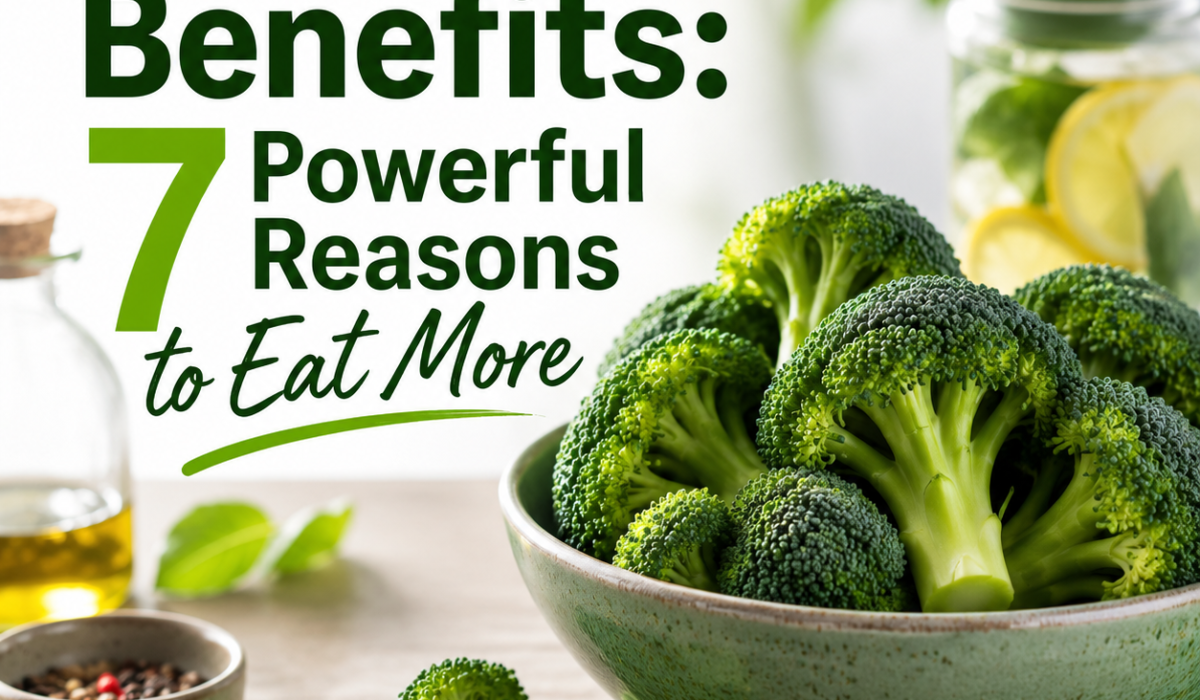
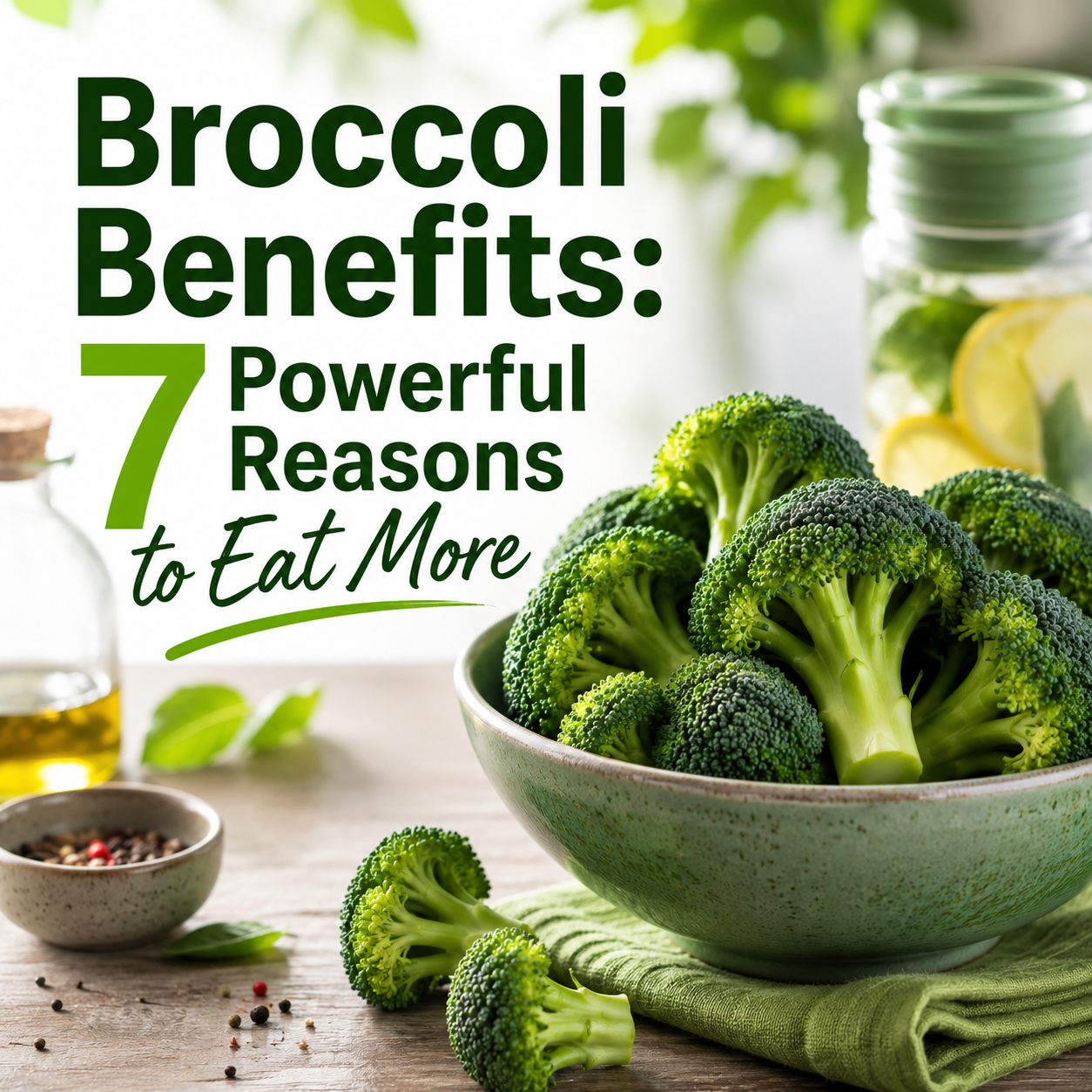
Broccoli is one of the most nutrient-dense vegetables you can eat. It is low in calories, rich in fiber, and packed with vitamins, minerals, and antioxidants that support overall wellness. If you’re wondering whether broccoli benefits are worth adding to your routine, the short answer is yes. It offers a wide range of health advantages that can support your heart, digestion, immune system, and more.
Table of Contents
- Broccoli Is Packed With Important Nutrients
- Broccoli Benefits for Immune System Support
- Broccoli Promotes Better Digestion
- Broccoli and Heart Health
- Broccoli Is Rich in Antioxidants
- Broccoli Benefits for Weight Management
- Broccoli Supports Overall Cell Health
- How to Eat More Broccoli
- Is Broccoli Better Raw or Cooked?
- Are There Any Downsides to Eating Broccoli?
Below are 7 powerful broccoli benefits for better health, explained clearly and in simple terms. If you also want to compare broccoli with other vegetables, you may find this guide to the healthiest vegetables useful.
1. Broccoli Is Packed With Important Nutrients
One of the biggest broccoli benefits is its impressive nutrient profile. Broccoli contains vitamin C, vitamin K, folate, potassium, and fiber, along with antioxidants and plant compounds that support health in multiple ways.
A single serving can contribute to your daily needs for several essential nutrients. That makes broccoli an easy way to improve the overall quality of your diet without adding many calories.
Why this matters
When your body gets enough vitamins and minerals, it can function more efficiently. Nutrient-rich foods like broccoli help support energy production, immune defense, and normal cell function.
Broccoli also fits easily into everyday meals, which makes it one of the most practical broccoli benefits for busy people who want simple, healthy food choices.
2. Broccoli Benefits for Immune System Support
Broccoli is especially known for its high vitamin C content. Vitamin C plays a major role in immune health by helping the body protect and repair cells. Broccoli also contains compounds that may help reduce inflammation and oxidative stress, both of which can affect immune function.
Eating broccoli regularly may help your body stay better equipped to defend against everyday health stressors. Among the most practical broccoli benefits is the way it supplies immune-supporting nutrients in a familiar vegetable you can cook in many different ways.
Common question: Does broccoli help prevent illness?
Broccoli does not prevent illness on its own, but it supports the body with nutrients that help the immune system work properly. A balanced diet with plenty of vegetables can contribute to stronger overall health.
For a broader look at how vegetables support wellness, the USDA’s vegetables guidance on MyPlate is a helpful reference.
3. Broccoli Promotes Better Digestion
Broccoli is a good source of dietary fiber, which is important for digestive health. Fiber helps keep bowel movements regular and supports a healthy gut environment.
It also contains compounds that may support the balance of good bacteria in the digestive tract. A healthy gut is connected to improved digestion, better nutrient absorption, and even overall wellness.
Why fiber matters
Many people do not get enough fiber in their daily diet. Adding broccoli to meals is a simple way to increase fiber intake naturally.
When you build meals around vegetables, whole grains, and lean proteins, the broccoli benefits for digestion can become part of a larger, more balanced eating pattern.
4. Broccoli and Heart Health
Another important broccoli benefit is its potential role in supporting heart health. Broccoli contains fiber, antioxidants, and potassium, all of which are associated with healthy cardiovascular function.
Fiber can help support healthy cholesterol levels as part of a balanced diet. Potassium helps the body maintain normal blood pressure by balancing the effects of sodium. Antioxidants may help protect cells from damage caused by free radicals.
Easy heart-friendly tip
Including broccoli in meals instead of processed side dishes can help you build a more heart-conscious eating pattern.
Heart health is one of the most discussed broccoli benefits, especially when broccoli is part of an overall diet that includes other vegetables and fiber-rich foods.
If you enjoy learning about foods that support cardiovascular wellness, you may also want to read about blood thinner medications and related heart-health considerations.
5. Broccoli Is Rich in Antioxidants
Broccoli contains several antioxidants, including vitamin C, beta-carotene, lutein, and a compound called sulforaphane. Antioxidants help protect the body from oxidative stress, which happens when unstable molecules damage cells.
Over time, oxidative stress is linked to aging and many health problems. Eating antioxidant-rich foods like broccoli can help support long-term wellness.
Common question: What is sulforaphane?
Sulforaphane is a natural plant compound found in broccoli that has been widely studied for its health-supporting properties. It is one reason broccoli is often considered a superfood.
Among all the broccoli benefits, its antioxidant content is one of the most valuable because it helps make broccoli a strong addition to a balanced, nutrient-rich diet.
6. Broccoli Benefits for Healthy Weight Management
Broccoli can be helpful for people trying to manage their weight because it is low in calories and high in fiber. That means it can help you feel full without adding a lot of extra energy to your meals.
Foods that are filling and nutrient-rich can make it easier to eat balanced portions and avoid unnecessary snacking. Broccoli is also very versatile, so it can be added to many meals without much effort.
Best part
You can steam, roast, stir-fry, or add broccoli to soups and salads, making it easy to include in a healthy eating plan.
For people looking to build better everyday habits, these broccoli benefits can make it easier to enjoy satisfying meals while keeping portions in check.
7. Broccoli Supports Overall Cell Health
Broccoli contains natural plant compounds that may help protect cells and support healthy body function. Its vitamins, antioxidants, and sulfur-containing compounds all work together to promote cell health.
This is one of the reasons broccoli is often praised as a highly beneficial vegetable. It provides support at a basic cellular level, which contributes to overall health and well-being.
Why this is important
Healthy cells are essential for everything from skin health to immune defense to recovery after daily stress.
When people talk about the long-term broccoli benefits, this cellular support is often part of the reason it is considered such a smart everyday vegetable.
How to Eat More Broccoli
If you want to get more of the health benefits of broccoli, consistency matters. The good news is that broccoli is easy to include in many meals.
Here are a few simple ideas:
- Steam it and serve it as a side dish
- Roast it with olive oil and garlic
- Add it to pasta, rice, or grain bowls
- Mix it into soups and casseroles
- Toss it into omelets or scrambled eggs
- Blend it into smoothies with other vegetables
Best cooking tip
Light cooking methods such as steaming or lightly roasting can help preserve nutrients while improving taste and texture.
If you are looking to build a meal plan around more vegetables, pairing broccoli with other broccoli health benefits can help reinforce the habit of eating more nutrient-dense foods.
Is Broccoli Better Raw or Cooked?
Both raw and cooked broccoli can be healthy. Raw broccoli keeps all of its natural crunch and some heat-sensitive nutrients. Lightly cooked broccoli may be easier to digest and can still provide excellent nutrition.
If you have a sensitive stomach, cooked broccoli may be the better choice. If you enjoy raw vegetables, adding broccoli to salads or snack plates can also be a great option.
Either way, the broccoli benefits remain strong enough to make it worth eating in the form you enjoy most.
Are There Any Downsides to Eating Broccoli?
For most people, broccoli is a very healthy food. However, eating too much at once may cause bloating or gas because of its fiber content and certain natural compounds.
If you’re not used to eating a lot of fiber, it’s a good idea to increase your intake gradually and drink enough water. People with specific medical conditions should follow their doctor’s advice about dietary changes.
Even with a few minor digestive concerns, the overall broccoli benefits still make it a smart choice for most healthy diets.
Final Thoughts
Broccoli is much more than just a side vegetable. It offers a wide range of health benefits, from supporting immunity and digestion to promoting heart health and providing powerful antioxidants. Because it is low in calories but rich in nutrients, broccoli is one of the best foods you can add to a balanced diet.
If you’re looking for a simple way to improve your eating habits, broccoli is an excellent place to start. Regularly including it in your meals is an easy and effective step toward better health. In other words, the everyday broccoli benefits are practical, affordable, and easy to enjoy.