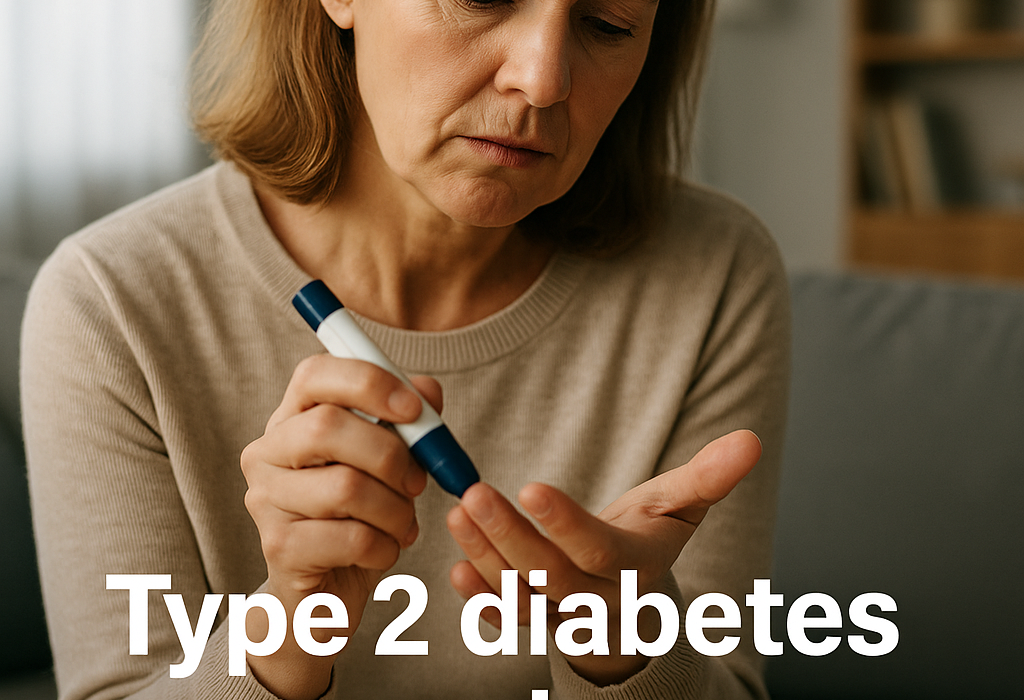
Type 2 diabetes symptoms often develop slowly, which means many people do not realize anything is wrong until blood sugar has already been high for a while. The symptoms can be mild, easy to blame on stress, aging, or a busy lifestyle, and sometimes they appear so gradually that they are overlooked entirely.
That is why knowing the early warning signs matters. Catching type 2 diabetes symptoms early can help reduce the risk of serious complications such as nerve damage, vision problems, kidney disease, and heart disease. If you have noticed several of the symptoms below, it may be time to talk with a healthcare professional about blood sugar testing.
Table of Contents
- What Is Type 2 Diabetes?
- 7 Sneaky Type 2 Diabetes Symptoms You Shouldn’t Ignore
- Other Common Signs of Type 2 Diabetes
- Why These Symptoms Are Easy to Miss
- Who Is at Higher Risk?
- When Should You See a Doctor?
- What Happens If Type 2 Diabetes Is Not Treated?
- Can Type 2 Diabetes Be Managed?
- The Bottom Line
What Is Type 2 Diabetes?
Type 2 diabetes is a condition in which the body does not use insulin properly, leading to high blood sugar levels. Insulin is the hormone that helps move glucose from the bloodstream into the body’s cells for energy. When the body becomes resistant to insulin or does not make enough of it, glucose builds up in the blood.
Unlike type 1 diabetes, type 2 diabetes usually develops over time. That is one reason the signs can be subtle at first. Some people may not have obvious symptoms, while others experience several small changes that seem unrelated. For a broader overview of related blood sugar issues, see diabetes complications and why diabetes is called the mother of all diseases.
People often search for type 2 diabetes symptoms after noticing a few small changes that do not seem serious on their own. In reality, those little clues can add up and point to a larger problem with blood sugar control.
Understanding the early signs also helps people separate everyday discomforts from changes that deserve medical attention. If several warning signs keep showing up, type 2 diabetes symptoms may be part of the picture even before a diagnosis is confirmed.
7 Sneaky Type 2 Diabetes Symptoms You Shouldn’t Ignore
1. Feeling unusually thirsty all the time
One of the most common early signs of type 2 diabetes is constant thirst. When blood sugar is too high, the body tries to flush out the extra glucose through urine. This can lead to dehydration, which makes you feel thirsty more often than usual.
You may notice:
- Dry mouth
- Drinking more water than normal
- Waking up thirsty at night
If your thirst seems persistent even when you are drinking enough fluids, it may be worth getting checked. This is one of the type 2 diabetes symptoms that can seem harmless at first, yet it often appears alongside other warning signs.
Some people also find themselves reaching for drinks throughout the day without feeling satisfied. When thirst becomes a pattern instead of an occasional inconvenience, it is one of the clearest type 2 diabetes symptoms to note.
2. Urinating more often, especially at night
Frequent urination often goes hand in hand with increased thirst. When blood sugar rises, the kidneys work harder to remove excess glucose from the blood. This causes you to urinate more frequently.
Many people first notice:
- More bathroom trips during the day
- Waking up several times at night to urinate
- Feeling like your bladder is never completely empty
Because frequent urination can also be caused by other conditions, it is important not to ignore it, especially if it is happening along with other symptoms. When this symptom shows up with thirst, it is often one of the clearest type 2 diabetes symptoms to pay attention to.
It can be easy to dismiss nighttime bathroom trips as a sleep issue, but repeated urination overnight may be your body’s way of dealing with excess glucose. That is why this symptom deserves attention when type 2 diabetes symptoms are being considered.
3. Feeling tired even after rest
Ongoing fatigue is another sneaky symptom of type 2 diabetes. When your body cannot use glucose properly for energy, you may feel drained, weak, or mentally foggy. High blood sugar can also interfere with sleep, especially if you are waking up to urinate during the night.
This kind of fatigue is often described as:
- Low energy throughout the day
- Trouble concentrating
- Feeling exhausted after normal activities
- Needing more naps than usual
If rest, food, and hydration are not improving your energy levels, blood sugar may be part of the problem. For another article that covers diabetes concerns in more everyday language, read diabetes help for dads.
Fatigue is one of the type 2 diabetes symptoms that people commonly blame on work, parenting, or poor sleep, so it can be overlooked for months.
When the tiredness feels heavier than usual or starts interfering with daily life, it can be a sign that the body is not processing glucose well. Persistent exhaustion should be considered alongside other type 2 diabetes symptoms rather than as an isolated complaint.
4. Blurry vision
High blood sugar can cause fluid to shift in and out of the lenses of your eyes, which may lead to blurry vision. For some people, this comes and goes. For others, it becomes more noticeable over time.
You might experience:
- Trouble reading
- Difficulty focusing on objects
- Vision that seems slightly out of focus
- Changes in eyesight that do not seem to have an obvious cause
Blurry vision is not always caused by diabetes, but it should never be ignored, especially if it appears suddenly or happens with other symptoms. Among type 2 diabetes symptoms, vision changes are especially important because they can affect daily safety, driving, and work.
If glasses, screen breaks, or more rest do not help, the cause may be more than eye strain. Vision changes that happen with thirst, fatigue, or frequent urination can fit the pattern of type 2 diabetes symptoms.
5. Cuts and wounds that heal slowly
If small cuts, scrapes, or sores take longer than usual to heal, high blood sugar may be affecting your circulation and immune response. Diabetes can reduce the body’s ability to repair tissue and fight infection, making even minor injuries harder to heal.
Common examples include:
- Cuts that stay red or open for longer than expected
- Repeated skin infections
- Sores on the feet that linger
- Scratches that seem to heal very slowly
Slow healing is an important warning sign because it can lead to more serious problems if left untreated. If you notice this with other type 2 diabetes symptoms, it is a good reason to ask for a blood sugar check.
Skin problems may seem minor at first, but delayed healing can be an early clue that the body is struggling with high glucose levels. When injuries linger or keep coming back, type 2 diabetes symptoms may be part of the explanation.
6. Increased hunger, even shortly after eating
Another symptom that can sneak up on people is feeling hungry all the time. When insulin does not work properly, glucose cannot efficiently enter the body’s cells. Even though there is plenty of sugar in the bloodstream, the cells may still “think” they are starving.
This can lead to:
- Constant cravings
- Feeling hungry soon after meals
- Eating more than usual without feeling satisfied
- Cravings for carbohydrate-rich foods
If your appetite has changed significantly without an obvious reason, it may be connected to blood sugar issues. This can be a confusing symptom because hunger is normal, but persistent hunger alongside other type 2 diabetes symptoms deserves attention.
Hunger that does not match how recently you ate can feel frustrating and confusing. Still, it is worth noting when it happens together with other type 2 diabetes symptoms, especially if cravings and fatigue are showing up at the same time.
7. Numbness, tingling, or burning in the hands or feet
High blood sugar over time can damage nerves, a complication known as diabetic neuropathy. Early nerve changes often show up in the feet and hands. Some people describe it as tingling, pins and needles, numbness, or a burning sensation.
You may notice:
- Tingling in the toes or fingers
- Numbness in the feet
- Burning pain, especially at night
- Reduced sensitivity to temperature or touch
This symptom is especially important because nerve damage can worsen gradually and may become permanent if diabetes is not managed. For people who want to understand how long-term blood sugar problems can affect the body, the American Diabetes Association’s complications overview is a helpful starting point.
Of all type 2 diabetes symptoms, tingling or numbness in the feet can be one of the most serious because it can interfere with walking, balance, and foot care.
Because nerve changes often start subtly, some people do not connect them with blood sugar until the sensation becomes more noticeable. That is another reason type 2 diabetes symptoms should not be dismissed too quickly.
Other Common Signs of Type 2 Diabetes
In addition to the seven symptoms above, there are several other warning signs that can appear in people with type 2 diabetes:
- Unexplained weight loss
- Darkened skin patches, especially around the neck or armpits
- Frequent infections, including skin, gum, or urinary tract infections
- Itchy skin
- Mood changes or irritability
- Slow recovery after exercise
These symptoms do not automatically mean you have diabetes, but they can be clues that something is affecting your blood sugar. If you are comparing warning signs across different diabetes topics, you may also find disappearing diabetes: what it means useful.
Some people also notice that their clothes fit differently, their energy crashes after meals, or they feel “off” without being able to explain why. Those changes can be part of the same pattern of type 2 diabetes symptoms.
Skin, mood, and weight changes may seem unrelated, but they can help complete the picture when other signs are already present. The more of these type 2 diabetes symptoms that appear together, the more important it becomes to get tested.
Why These Symptoms Are Easy to Miss
Type 2 diabetes symptoms can be mistaken for everyday issues. For example:
- Fatigue may seem like stress or poor sleep
- Thirst may be blamed on weather or exercise
- Blurry vision may be dismissed as eye strain
- Frequent urination may be seen as a sign of drinking too much water
Because the signs can be subtle, many people do not seek help until a routine checkup reveals elevated blood sugar. That is why it is important to pay attention to changes that seem unusual or persistent. In that sense, type 2 diabetes symptoms often show up as small warning lights rather than one big alarm.
Another reason these symptoms are missed is that they can come and go. A person may feel normal for days and then notice thirst, fatigue, or blurry vision again. That pattern can make the problem feel less urgent than it really is.
Many of the early changes are easy to explain away, especially if life is busy. Still, when several of the same type 2 diabetes symptoms keep returning, the pattern matters more than any single episode.
Who Is at Higher Risk?
Anyone can develop type 2 diabetes, but certain factors increase the risk. You may be more likely to develop it if you:
- Have a family history of diabetes
- Are overweight or have excess body fat, especially around the abdomen
- Are physically inactive
- Are over age 45
- Have high blood pressure or abnormal cholesterol
- Had gestational diabetes during pregnancy
- Have been told you have prediabetes
- Belong to certain racial or ethnic groups with higher risk
Even if you do not have obvious risk factors, symptoms should still be taken seriously. Type 2 diabetes symptoms can appear in people who do not fit the stereotype of a typical patient, so testing matters more than assumptions.
It is also worth remembering that risk factors and symptoms are not the same thing. Risk factors tell you who may be more likely to develop the condition, while symptoms are the body’s signal that blood sugar may already be too high.
Knowing your risk can make it easier to recognize why a symptom deserves attention. If you already have more than one risk factor, even mild type 2 diabetes symptoms should prompt a conversation with a clinician.
When Should You See a Doctor?
You should make an appointment with a healthcare professional if you have:
- Several of the symptoms listed above
- Symptoms that are getting worse
- A strong family history of diabetes
- A recent diagnosis of prediabetes
- Wounds that will not heal
- Vision changes, numbness, or frequent infections
A doctor can check your blood sugar with simple tests such as:
- Fasting blood glucose
- A1C test
- Oral glucose tolerance test
These tests can help determine whether your symptoms are related to diabetes, prediabetes, or another condition. If type 2 diabetes symptoms are on your mind, getting tested is often the clearest next step.
According to the Centers for Disease Control and Prevention’s diabetes testing guidance, blood sugar testing is the only way to know for sure whether you have diabetes or prediabetes.
If symptoms are stacking up, do not wait for them to become severe before asking for help. Testing can clarify whether the changes you are noticing are really type 2 diabetes symptoms or something else that needs treatment.
What Happens If Type 2 Diabetes Is Not Treated?
Untreated type 2 diabetes can quietly damage the body over time. High blood sugar affects the blood vessels, nerves, eyes, kidneys, and heart. Possible complications include:
- Heart disease
- Stroke
- Kidney disease
- Vision loss
- Neuropathy
- Foot ulcers and infections
- Poor wound healing
The good news is that early diagnosis and treatment can make a major difference. Lifestyle changes, medications when needed, and regular monitoring can help keep blood sugar in a healthy range.
This is why it is so important not to wait until type 2 diabetes symptoms become severe. The earlier the condition is found, the more likely it is that treatment can prevent long-term damage.
Ignoring early warning signs may allow small problems to grow into lasting complications. Treating type 2 diabetes symptoms seriously can help protect your eyes, feet, kidneys, and heart for the long term.
Can Type 2 Diabetes Be Managed?
Yes. Many people manage type 2 diabetes successfully with a combination of healthy habits and medical care. Depending on the individual, treatment may include:
- Eating a balanced, lower-sugar diet
- Increasing physical activity
- Losing excess weight
- Taking prescribed medications
- Monitoring blood sugar
- Managing blood pressure and cholesterol
Even small improvements can help lower blood sugar and reduce the risk of complications. In many cases, paying attention to type 2 diabetes symptoms early gives people more options and a better chance to act before the condition progresses.
Managing blood sugar is not about perfection. It is about steady habits, regular checkups, and making sure warning signs are taken seriously instead of brushed aside.
With the right support, many people are able to reduce symptoms, improve energy, and lower future risk. Taking action early is often the easiest way to keep type 2 diabetes symptoms from turning into more serious health issues.
The Bottom Line
Type 2 diabetes does not always announce itself with dramatic symptoms. Instead, it often starts with subtle changes like thirst, frequent urination, fatigue, blurry vision, slow-healing wounds, constant hunger, or tingling in the hands and feet.
If you have noticed one or more of these signs, especially if they are becoming more frequent, do not ignore them. Early testing is the best way to find out what is going on and take action before complications develop.
Recognizing type 2 diabetes symptoms early could be an important step toward protecting your long-term health.
When these warning signs are present together, they deserve a conversation with a healthcare professional, even if each one seems small on its own. A simple test may give you the clarity you need and help you move forward with the right care.
Pay attention to patterns, not just isolated moments. If the same type 2 diabetes symptoms keep returning, the safest next step is to get checked and talk through your results with a qualified clinician.