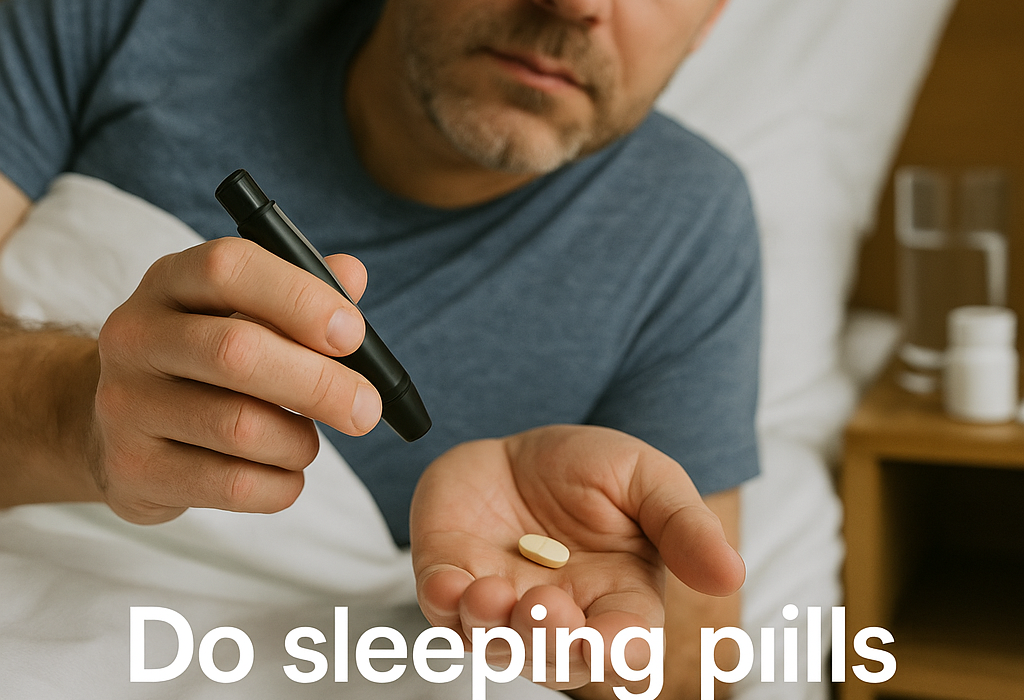
If you have diabetes or prediabetes, you may wonder whether sleeping pills can affect blood sugar. The short answer is: yes, they can in some cases. The effect depends on the type of sleeping pill, your overall health, other medications, and how your body responds to better or worse sleep.
Sleep and blood sugar are closely connected. Poor sleep can make blood glucose harder to control, while certain sleep medications may change appetite, activity levels, stress hormones, or how your body uses insulin. That means the impact of sleeping pills on blood sugar is not the same for everyone.
This article explains how sleeping pills may affect blood sugar, which types may be more concerning, what to watch for, and when to talk to a healthcare provider.
Table of Contents
- The short answer: Can sleeping pills raise or lower blood sugar?
- Why sleep affects blood sugar
- How sleeping pills may affect blood sugar
- Which sleeping pills may affect blood sugar?
- Can sleeping pills lower blood sugar?
- Can sleeping pills raise blood sugar?
- Who should be especially careful?
- Signs your sleeping pill may be affecting blood sugar
- Tips for using sleeping pills more safely if you have diabetes
- Non-medication ways to improve sleep and support blood sugar
- When to talk to a healthcare provider
- Frequently asked questions
- Bottom line
The short answer: Can sleeping pills raise or lower blood sugar?
Sleeping pills do not usually change blood sugar in a simple, predictable way. Some may raise blood sugar indirectly by making you more groggy, hungrier, or less active the next day. Others may lower blood sugar indirectly if they improve sleep and reduce stress-related glucose spikes.
In general, these medicines can affect blood sugar through:
- Changes in sleep quality
- Effects on appetite and weight
- Reduced awareness of nighttime hypoglycemia
- Interaction with diabetes medications
- Effects on hormones involved in glucose control
For people with diabetes, the bigger concern is often not the pill itself, but how it changes sleep behavior and nighttime safety. If you are also learning more about related diabetes issues, you may find this article on diabetes management and daily life helpful.
Why sleep affects blood sugar
Before looking at sleeping pills specifically, it helps to understand the sleep-blood sugar connection.
When you do not sleep well, your body may release more stress hormones such as cortisol and adrenaline. These hormones can raise blood sugar. Poor sleep can also:
- Reduce insulin sensitivity
- Increase cravings for high-carbohydrate foods
- Make it harder to exercise the next day
- Increase inflammation
- Disrupt normal hunger hormones
So, in some cases, a sleep aid that improves rest might indirectly help blood sugar control. But this is not guaranteed, and it depends on the medication and the person taking it.
For a reliable overview of healthy sleep habits, the CDC sleep hygiene guidance is a useful reference.
How sleeping pills may affect blood sugar
1. They may change nighttime glucose awareness
Some sleeping pills make you very drowsy or less aware of your body’s signals. If you take insulin or medications that can cause low blood sugar, this can be a problem. You might sleep through symptoms of hypoglycemia such as:
- Sweating
- Shaking
- Fast heartbeat
- Hunger
- Confusion
This is especially important for people with diabetes who experience nighttime lows.
2. They may affect eating behavior
Some sleep medications can increase next-day grogginess or appetite. If you are tired the next day, you may be more likely to:
- Snack more
- Choose high-sugar foods
- Skip exercise
- Eat late at night
These habits can raise blood sugar over time.
3. They may alter stress hormones
Better sleep often helps lower stress hormone levels, which may improve blood sugar control. However, some medications can affect the nervous system in ways that change how your body responds to stress and glucose.
4. They may interact with diabetes medications
Some sleeping pills can interact with medications used for diabetes, blood pressure, anxiety, or depression. These interactions may increase side effects or make blood sugar harder to predict.
5. They may cause weight changes
Long-term use of some sleep aids may be linked with changes in body weight, either through appetite changes or lower activity. Weight gain can worsen insulin resistance and make blood sugar management harder.
Which sleeping pills may affect blood sugar?
Not all sleep aids work the same way. The effect on blood sugar can vary by medication class.
Prescription sleeping pills
Prescription sleep medications include several categories, such as:
- Z-drugs like zolpidem, zaleplon, and eszopiclone
- Benzodiazepines such as temazepam
- Sedating antidepressants such as trazodone or doxepin
- Melatonin receptor agonists such as ramelteon
These medicines may affect blood sugar indirectly by changing sleep quality, appetite, or next-day alertness. Some can also increase the risk of falls or confusion, especially in older adults.
Over-the-counter sleep aids
Common over-the-counter sleep aids often contain antihistamines like diphenhydramine or doxylamine. These can cause:
- Morning grogginess
- Dry mouth
- Dizziness
- Confusion
- Next-day fatigue
They do not usually raise blood sugar directly, but they may affect eating habits, activity, and safety.
Melatonin
Melatonin is a commonly used supplement for sleep. Research on melatonin and blood sugar is mixed. In some people, melatonin may slightly affect glucose metabolism, especially if taken in high doses or at the wrong time. For others, better sleep may outweigh any possible downside.
People with diabetes should use melatonin carefully and discuss dosing with a healthcare provider if they plan to take it regularly.
Herbal and natural sleep products
Herbal sleep aids are often marketed as gentle, but they can still affect the body. Products containing valerian, chamomile, kava, or combination formulas may interact with medications or cause sedation. Their effect on blood sugar is less predictable because ingredient quality and dosage can vary.
Can sleeping pills lower blood sugar?
Sleeping pills are not usually used to lower blood sugar directly. However, they may contribute to lower readings in some indirect situations:
- You sleep better and your stress hormones decrease
- You eat less because you are less anxious or more rested
- You take diabetes medicine and sleep through a low blood sugar episode
- You have reduced awareness of symptoms while asleep
This is one reason people on insulin or sulfonylureas should be cautious with any medication that causes deep sleep or heavy sedation. If low glucose has been a concern before, the article on diabetes medicines may also be useful.
Can sleeping pills raise blood sugar?
Yes, they can in some situations. Sleeping pills may contribute to higher blood sugar if they:
- Make you more tired and less active the next day
- Increase appetite or late-night snacking
- Disrupt normal sleep cycles
- Cause weight gain over time
- Interact with diabetes medications or other prescriptions
If you notice that your glucose readings are higher after starting a sleep aid, it may be related to these indirect effects rather than the medication acting on blood sugar directly.
Longer-term considerations
One or two nights of medication use may not noticeably change glucose readings for many people. The bigger concern is repeated use over time. When sleep medicine becomes a regular part of bedtime, it can influence your routine in ways that matter for diabetes control.
For example, consistent next-morning grogginess may reduce your activity level. If you are less active, insulin sensitivity may decline. If the medicine leaves you hungrier, you may be more likely to reach for snacks that push glucose higher. Even subtle changes can add up over weeks or months.
Some people also develop tolerance to certain sleep medicines, meaning the same dose feels less effective over time. That can lead to dose increases, and higher doses may bring more side effects. In that situation, the medication itself may not directly change blood sugar, but the pattern surrounding its use can make glucose control less stable.
It is also important to think about memory, balance, and nighttime safety. If a sleep aid leaves you unsteady, you may be at greater risk of falls when you get up during the night. For people with diabetes, that risk can be even more important if low blood sugar is part of the picture.
Who should be especially careful?
Some people should be more cautious with sleeping pills and blood sugar, including:
- People with type 1 diabetes
- People with type 2 diabetes using insulin or sulfonylureas
- Older adults
- People with sleep apnea
- People taking multiple medications
- People with a history of falls, confusion, or memory issues
- People who drink alcohol at night
Alcohol plus sleeping pills can be especially risky because both can worsen sedation and interfere with blood sugar awareness.
People who already struggle with variable overnight readings may want to review the article on diabetes complications for a broader look at how uncontrolled glucose can affect health.
Signs your sleeping pill may be affecting blood sugar
Watch for these possible signs after starting a sleep aid:
- Higher-than-usual morning blood sugar
- Nighttime sweating or waking up confused
- Feeling shaky or weak during the night
- Unusual hunger after taking the medication
- More daytime fatigue
- Weight gain
- Trouble focusing the next day
- More frequent low glucose episodes
If these changes begin after you start a new medication, it is worth discussing with your clinician.
Tips for using sleeping pills more safely if you have diabetes
If your doctor recommends a sleep aid, these steps may help reduce risk:
Monitor blood sugar more closely at first
Check your readings more often when starting a new sleep medication. This can help you notice patterns early.
Ask about nighttime low blood sugar risk
If you use insulin or a medication that can cause hypoglycemia, ask whether you need a bedtime snack or a dose adjustment.
Avoid alcohol
Alcohol can increase the sedating effects of sleep pills and make blood sugar control less predictable.
Use the lowest effective dose
More medication does not always mean better sleep. A lower dose may reduce side effects.
Keep a consistent bedtime
Good sleep habits matter. Going to bed and waking up at the same time can improve sleep more safely than relying on medication alone.
Review all medications with your doctor
Some sleep issues are caused by other prescriptions, pain, anxiety, or untreated sleep apnea. A medication review can uncover the real cause.
Non-medication ways to improve sleep and support blood sugar
For many people, lifestyle changes can improve sleep without the potential side effects of sleep medications. These strategies may also help blood sugar:
- Keep a regular sleep schedule
- Limit caffeine in the afternoon and evening
- Avoid heavy meals right before bed
- Reduce screen time before sleep
- Make your bedroom cool, dark, and quiet
- Get regular physical activity earlier in the day
- Manage stress with relaxation exercises
- Treat snoring or sleep apnea if present
Better sleep hygiene can improve both rest and glucose control over time.
For example, if you are trying to build a more stable daily routine, diabetes help for dads offers another practical perspective on living with diabetes day to day.
What to do if you already take a sleep aid
If you already use a sleeping pill, do not panic. Many people take these medicines without major blood sugar problems. The most useful step is to observe patterns.
Try to track:
- Your bedtime glucose
- Any nighttime symptoms
- Morning blood sugar readings
- Your appetite the next day
- How alert you feel in the morning
- Whether your activity level changes
If you see a repeated pattern, share it with your healthcare provider. A small change in dose, timing, or medication type may improve both sleep and glucose control.
When to talk to a healthcare provider
Talk to a doctor, pharmacist, or diabetes care team if:
- You recently started a sleep aid and your blood sugar changed
- You have frequent nighttime lows
- You feel overly drowsy or confused after taking a sleep pill
- You take insulin or a sulfonylurea
- You have trouble sleeping most nights
- You suspect sleep apnea
- You use over-the-counter sleep aids regularly
Do not stop prescription medication suddenly without medical advice. Some sleep medications should be adjusted gradually.
Frequently asked questions
Do sleeping pills affect blood sugar in everyone?
No. The effect varies by medication, dose, sleep quality, and whether you have diabetes or take glucose-lowering medicine.
Is melatonin safe for people with diabetes?
Melatonin is commonly used, but its effect on blood sugar is not the same for everyone. It may be safe for some people, but it should still be used thoughtfully, especially if you take diabetes medication.
Can sleeping pills cause low blood sugar at night?
They do not usually cause low blood sugar directly, but they can make it harder to notice symptoms while you are asleep.
Are over-the-counter sleep aids safer than prescription sleeping pills?
Not always. Over-the-counter sleep aids can still cause drowsiness, confusion, and next-day effects. They may also interact with other medicines.
Can better sleep improve blood sugar?
Yes. Good sleep can improve insulin sensitivity, reduce stress hormones, and support healthier eating and activity patterns.
Bottom line
So, do sleeping pills affect blood sugar? Yes, they can—usually indirectly. They may raise blood sugar by affecting appetite, activity, and sleep quality, or they may lower it by improving sleep and reducing stress. For people with diabetes, the biggest concern is often nighttime hypoglycemia awareness and medication interactions.
If you use sleeping pills and have diabetes, pay attention to your glucose patterns and speak with your healthcare provider before starting, stopping, or changing any sleep medication. Better sleep can support better blood sugar control, but the safest option depends on your personal health situation.