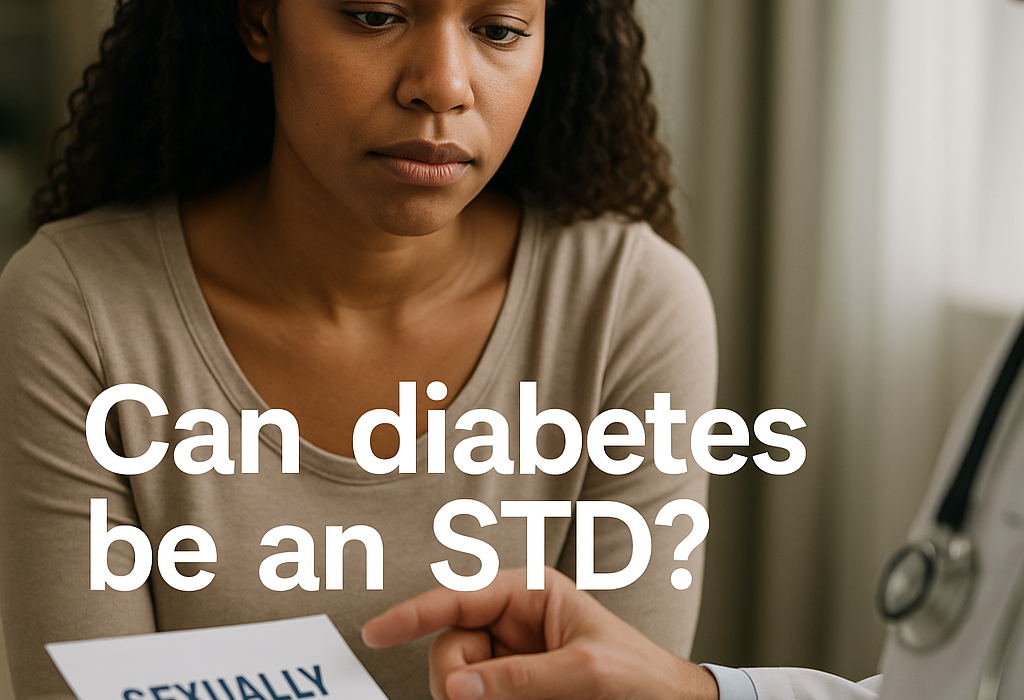
Many people search online for two very different health concerns at the same time: sexually transmitted diseases (STDs) and diabetes. The question “can you catch diabetes from sex?” usually comes from confusion about symptoms, risk, or the idea that sexual contact may somehow spread the disease.
The short answer is: no, you cannot catch diabetes from sex. Diabetes is not contagious and is not spread through sexual activity. However, STDs can be spread through sex, and some STDs can cause symptoms that may be mistaken for other health problems. That is why it is important to understand the difference between diabetes and STDs, how each one works, and when to get tested or seek medical care.
Table of Contents
- Can You Catch Diabetes from Sex?
- Why do people ask if diabetes can be spread sexually?
- What STDs can you catch from sex?
- Can diabetes affect sexual health?
- Can STDs and diabetes happen together?
- Common symptoms that should not be ignored
- How do you test for STDs?
- How do you test for diabetes?
- Can you prevent STDs during sex?
- Can you prevent diabetes?
- The main difference between STDs and diabetes
- When to see a doctor
- Final answer
Can You Catch Diabetes from Sex?
No. Diabetes cannot be transmitted through sex, kissing, sharing toilet seats, or any other type of casual contact.
Diabetes is a metabolic condition that affects how the body uses blood sugar (glucose). It happens when the body does not make enough insulin, does not use insulin properly, or both. Insulin is the hormone that helps glucose move from the blood into the body’s cells for energy.
There are different types of diabetes, including:
- Type 1 diabetes: an autoimmune condition where the body attacks insulin-producing cells
- Type 2 diabetes: the body becomes resistant to insulin or doesn’t make enough
- Gestational diabetes: diabetes that develops during pregnancy
None of these types are infectious. You cannot get diabetes from a sexual partner the way you can get chlamydia, gonorrhea, herpes, syphilis, or HIV. If you want to understand broader diabetes risks and complications, see our guide on diabetes complications: why diabetes is called the mother of all diseases.
It is also important to separate fear from facts. A partner with diabetes does not pass the condition through semen, vaginal fluid, saliva, or skin contact. If you have heard rumors online or through friends, remember that can you catch diabetes from sex is a myth, not a medical reality.
What sex can spread are infections. That is why a person might worry about symptoms after intimacy, especially if they already feel unwell or notice changes in urination, discharge, energy, or genital comfort. Those concerns deserve attention, but the cause is not diabetes being transmitted.
In practical terms, this means you should think of diabetes as a chronic health condition that develops from genetics, immune system activity, lifestyle factors, pregnancy-related changes, or a mix of causes. It is not an illness you acquire from another person during sex. The more you understand that difference, the easier it becomes to decide whether you need an STD test, a blood sugar test, or both.
Why do people ask if diabetes can be spread sexually?
This question often comes up because some symptoms of diabetes can overlap with symptoms caused by infections or sexual health problems.
For example, diabetes can cause:
- frequent urination
- increased thirst
- fatigue
- yeast infections
- slower healing
- blurry vision
Some STDs can also cause:
- burning during urination
- genital irritation
- unusual discharge
- sores or rashes
- pain during sex
Because symptoms may look similar, someone might worry they “caught” diabetes from a partner when the real issue is an infection, a blood sugar problem, or something else entirely. For general sexual health education and prevention guidance, the CDC sexual health resources are a reliable place to start.
Another reason this question appears so often is that people may notice symptoms after a new relationship, a period of stress, or a sexual encounter that caused anxiety. Anxiety can make normal body sensations feel more intense. At the same time, diabetes symptoms can develop slowly and be easy to dismiss. That combination can make it seem as if sex caused the problem when it was already developing in the background.
Sometimes people also confuse diabetes with a yeast infection or a urinary tract infection. High blood sugar can make yeast infections more likely, and infections can cause discomfort during sex. That does not mean the condition was transmitted sexually. It means the body is reacting to changes in sugar levels, bacteria, or yeast growth.
If you are asking can you catch diabetes from sex because you noticed thirst, fatigue, or repeated urination after intimacy, it is wise to look at the full picture. Consider whether you also have pain, discharge, sores, fever, or a new rash. Those clues may point more toward an infection. If the main signs are increased thirst, constant urination, or unexplained weight change, blood sugar testing is more relevant.
What STDs can you catch from sex?
Unlike diabetes, STDs are spread through sexual contact. These can include vaginal, anal, and oral sex, and sometimes skin-to-skin contact.
Common STDs include:
- Chlamydia
- Gonorrhea
- Syphilis
- Herpes
- HIV
- Human papillomavirus (HPV)
- Trichomoniasis
- Hepatitis B
Some STDs may not cause symptoms right away, which is why regular testing is important, especially if you have new or multiple partners or do not always use protection.
Sexually transmitted infections can spread even when a person feels completely healthy. That is why prevention and testing matter. A person may carry an infection for weeks or months without obvious signs, then pass it on without knowing it. This is very different from diabetes, which does not spread from person to person at all.
Symptoms can also be subtle. Mild burning when urinating, unusual spotting, a small sore, or slight itching may not seem serious at first. But because many STDs are treatable, early testing can make a real difference. If you are concerned after sex, do not assume it is diabetes just because you feel off. The safer approach is to consider both possibilities and test accordingly.
Remember that many people use the word “STD” to include sexually transmitted infections, even if the infection has not yet caused disease symptoms. Whether you say STD or STI, the key point remains the same: these conditions can be passed through sex, while diabetes cannot.
Can diabetes affect sexual health?
Yes. While you cannot catch diabetes from sex, diabetes can affect sexual function and sexual health in several ways.
People sometimes ask can you catch diabetes from sex when the real concern is a change in desire, comfort, or performance during intimacy. In many cases, the answer is not infection but a blood sugar problem that needs attention.
In men
Diabetes may contribute to:
- erectile dysfunction
- reduced libido
- delayed ejaculation
- nerve damage affecting sexual response
Blood vessels and nerves play a major role in sexual function. When blood sugar stays high over time, it can damage both. That can make erections harder to achieve or maintain and may also reduce sensation. This is one reason diabetes should be managed carefully even when the person feels otherwise healthy.
In women
Diabetes may contribute to:
- vaginal dryness
- pain during sex
- lower sexual desire
- more frequent yeast infections
- urinary tract infections
If you have recurring symptoms and keep wondering can you catch diabetes from sex, it may help to remember that diabetes can raise the risk of irritation and infection-like symptoms without being passed from one person to another.
In both men and women
High blood sugar can increase the risk of:
- infections
- slower healing
- reduced blood flow
- nerve damage
So while diabetes is not sexually transmitted, it can still influence sexual well-being.
Healthy blood sugar management often improves comfort, confidence, and sexual health over time. Good control may reduce recurrent yeast infections, lower irritation, and help with circulation-related issues. If you have diabetes and notice a change in intimacy, that is worth discussing with a clinician rather than assuming it is a new STD or a sex-related infection.
Sexual health is also emotional health. Worry, embarrassment, and relationship stress can make symptoms feel worse. A clear explanation can be reassuring: diabetes can affect the body during sex, but it is not something you catch from sex.
Can STDs and diabetes happen together?
Yes, a person can have both a sexually transmitted disease and diabetes at the same time. One does not cause the other, but certain health factors can overlap.
For example:
- People with diabetes may be more prone to yeast infections and some other infections because high blood sugar can weaken immune defense.
- People with STDs may notice genital symptoms and assume it is only a blood sugar issue.
- Some STDs can increase inflammation and make existing health conditions harder to manage.
If you have symptoms, it is important not to guess the cause. Proper testing is the best way to know what is going on, especially if you are asking can you catch diabetes from sex after a recent change in sexual health or blood sugar symptoms.
There can also be practical overlap. For example, someone with diabetes may already urinate frequently, and then a urinary infection or STD may make the problem worse. Another person may feel genital itching and assume it is only an STD, when the deeper issue is uncontrolled blood sugar. In both cases, treating the wrong problem first can delay relief.
That is why doctors often look beyond one symptom at a time. They may ask about your age, medications, sexual history, weight changes, thirst, appetite, family history, and other medical conditions. A full evaluation helps separate a blood sugar issue from an infectious one.
In short, diabetes and STDs can exist together, but one does not cause the other. If you suspect both, ask for both kinds of tests. That is a more accurate and less stressful approach than trying to solve everything with online searches alone.
Common symptoms that should not be ignored
Whether you are worried about an STD, diabetes, or both, certain symptoms should prompt medical attention.
Possible signs of an STD
- unusual discharge
- painful urination
- sores, blisters, or warts
- itching or irritation in the genital area
- pelvic pain
- bleeding after sex
- rash on the genitals or body
Possible signs of diabetes
- excessive thirst
- frequent urination
- unexplained weight loss
- fatigue
- blurred vision
- frequent infections
- slow-healing cuts or sores
If you have symptoms from either list, see a healthcare professional for testing and diagnosis. Asking can you catch diabetes from sex is understandable, but symptoms alone cannot tell the difference between diabetes, an STD, or another condition.
You should also pay attention to timing and pattern. A one-time irritation after sex may be simple friction or a temporary reaction. Repeated burning, discharge, sores, or worsening thirst and urination are more concerning. If symptoms last more than a few days, return often, or affect daily life, do not wait it out.
Emergency care may be needed if you have severe weakness, confusion, vomiting, trouble breathing, very high fever, or signs of dangerously high or low blood sugar. Those situations are not typical, but they should never be ignored.
How do you test for STDs?
STD testing depends on the infection you may have been exposed to. Tests may include:
- urine tests
- blood tests
- swabs from the genitals, throat, or rectum
- physical examination of sores or rash
Testing is quick, confidential in many settings, and often the only way to know for sure since many STDs do not cause obvious symptoms.
Your clinician may recommend testing based on the type of sex you had, the number of partners, whether condoms were used, and whether any symptoms are present. If there was oral or anal sex, testing may need to include those sites too, not just urine or blood. The right test depends on the exposure.
Some people avoid testing because they feel embarrassed or assume symptoms will go away. But untreated STDs can lead to complications and can also be passed to others. Testing protects both you and your partner.
If a test is positive, the next steps depend on the infection. Some STDs are cured with medication, while others are managed long term. In every case, honest communication and follow-up care are important.
How do you test for diabetes?
Diabetes is diagnosed with blood tests, such as:
- A1C test: shows average blood sugar levels over the past 2 to 3 months
- Fasting blood glucose test: measures blood sugar after not eating
- Oral glucose tolerance test: checks how your body handles sugar after drinking a glucose solution
- Random blood glucose test: measures blood sugar at any time
If you think you may have diabetes, a doctor can determine whether your symptoms are related to blood sugar or another cause. If your concern started after sex, remember that can you catch diabetes from sex is a myth, but a proper checkup can still rule out an infection or other health issue.
These tests are important because diabetes often develops gradually. A person may not notice the condition until routine screening finds it. That is why a blood sugar check can be useful even if your symptoms seem mild. If you have a family history of diabetes, excess weight, high blood pressure, or a previous diagnosis of prediabetes, testing is even more important.
Some people think a single normal reading means they are fine forever. Not always. Blood sugar can change over time, especially with illness, pregnancy, weight changes, medication use, or reduced physical activity. If symptoms continue, follow-up testing may be needed.
Can you prevent STDs during sex?
Yes. Since STDs are spread through sexual contact, prevention matters.
Ways to reduce STD risk include:
- using condoms or dental dams correctly
- getting vaccinated for HPV and hepatitis B
- limiting the number of sexual partners
- getting regular STD screenings
- communicating with partners about testing and sexual health
- avoiding sex when you or your partner have unexplained sores, rashes, or symptoms
No method is perfect, but these steps greatly reduce risk.
It also helps to remember that prevention is not only about condoms. Timing, communication, and testing all matter. If a partner has symptoms, waiting until they are evaluated is smarter than assuming everything is fine. Vaccination is another major part of prevention, especially for HPV and hepatitis B.
Regular testing is useful even when you feel healthy. Because some infections can be silent, screening can catch problems early. This is especially true after a new partner, after unprotected sex, or if you are changing partners.
Can you prevent diabetes?
You cannot always prevent diabetes, especially type 1 diabetes, which is not known to be preventable. However, type 2 diabetes risk can often be lowered with healthy habits such as:
- staying physically active
- maintaining a balanced diet
- managing body weight
- avoiding tobacco
- limiting sugary drinks and highly processed foods
- getting regular checkups if you are at risk
If diabetes runs in your family, talk to a healthcare provider about screening.
These habits do not guarantee that diabetes will never happen, but they can lower the risk of type 2 diabetes and help with overall wellness. Movement, sleep, stress management, and regular medical follow-up also matter. Small changes over time can make a big difference.
Pregnancy-related diabetes is a separate situation, and it can appear even in people who are otherwise healthy. That is why prenatal care and blood sugar monitoring are important during pregnancy. Again, none of these forms of diabetes are passed through sex.
One important point: if you are asking can you catch diabetes from sex because you are trying to protect yourself, prevention is still worth discussing, but it belongs in two separate categories. Use safe sex practices to reduce STDs. Use healthy lifestyle habits and regular screening to reduce diabetes risk. They are different problems with different solutions.
The main difference between STDs and diabetes
The simplest way to understand the difference is this:
- STDs are infections that can spread through sexual contact
- Diabetes is a chronic metabolic disease that does not spread from person to person
Sex can transmit infections, but it does not transmit diabetes. That is the key answer behind can you catch diabetes from sex, and it is why testing for the right condition matters.
Another difference is treatment. STDs may need antibiotics, antivirals, or other infection-specific care. Diabetes management usually involves nutrition changes, exercise, monitoring, and sometimes medication or insulin. Because the causes and treatments are different, getting the right diagnosis is essential.
It is also worth noting that people can be affected by both conditions at once. You do not have to choose one explanation before testing. If the symptoms point in both directions, it is reasonable to ask for both a sexual health evaluation and a diabetes screening.
When to see a doctor
You should seek medical advice if:
- you have symptoms of an STD
- you have signs of diabetes
- you recently had unprotected sex
- you have genital sores, discharge, burning, or rash
- you are unusually thirsty, tired, or urinating often
- you are worried about exposure to an infection or blood sugar problem
If you are thinking specifically about women’s risk, symptoms, or prevention, this related guide on women with diabetes and what they need to know may also be useful.
Early testing and treatment can prevent complications and give you peace of mind.
You should also make an appointment if symptoms keep returning after treatment, if you have several risk factors for diabetes, or if you have a partner who has recently tested positive for an STD. In those cases, waiting can make the situation harder to manage. Even if the problem turns out to be minor, getting checked is better than guessing.
Health concerns involving sex can feel personal, but clinicians handle them every day. Being direct about your symptoms, recent sexual contact, and any blood sugar concerns helps them choose the right tests faster. The more clearly you describe what is happening, the faster you are likely to get answers.
Final answer: can you catch diabetes from sex?
No, you cannot catch diabetes from sex. Diabetes is not contagious and cannot be passed through sexual activity. However, STDs can be spread through sex, and some symptoms may overlap with diabetes-related symptoms. If you are experiencing genital symptoms, frequent urination, fatigue, or other concerning changes, the safest step is to get checked by a healthcare professional.
Understanding the difference between STDs and diabetes helps you protect your health, get the right testing, and avoid unnecessary worry. In short, can you catch diabetes from sex? No — but you should still take both sexual health and blood sugar concerns seriously.
When in doubt, use a simple rule: if the concern is exposure to infection, think STD testing; if the concern is thirst, frequent urination, unexplained weight changes, or fatigue, think diabetes testing. If both seem possible, ask for both. That approach is calm, practical, and medically sound.