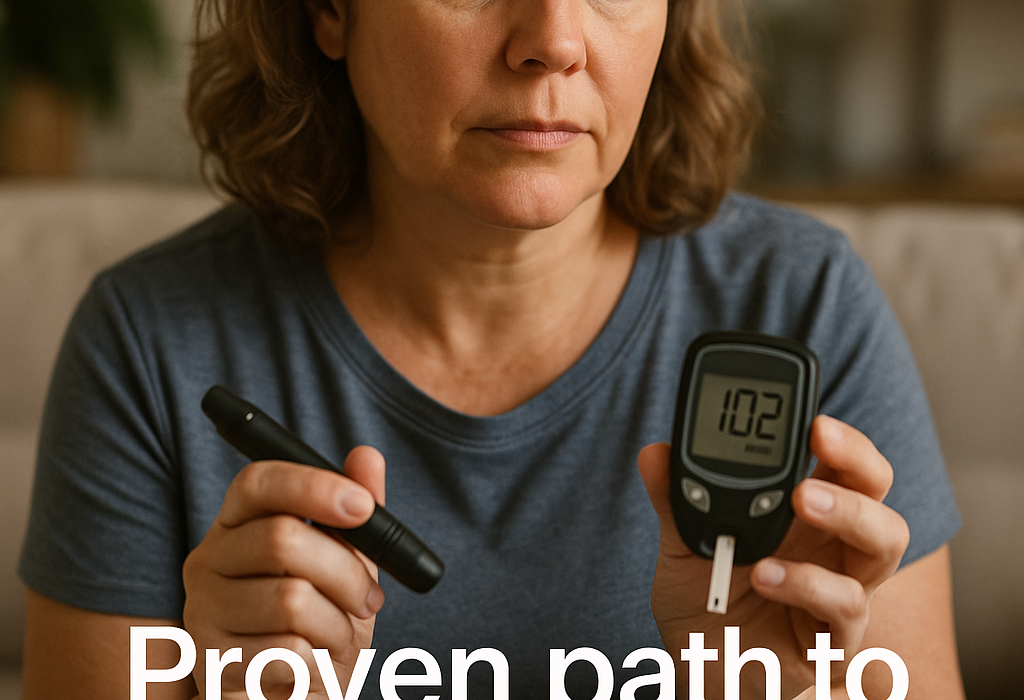
Type 2 diabetes remission is possible for many people, but it’s not something you “hope” for—it’s something you plan for. The real question is how to improve blood sugar and insulin resistance safely and sustainably, with support from evidence-based lifestyle changes and appropriate medical care.
The good news: research and real-world programs show remission can happen, especially when action begins early and progress is monitored closely. In this Ask Dmine guide, you’ll learn what remission means, why it’s achievable, and what a practical, step-by-step plan can look like for your situation.
Table of Contents
The answer is not a quick fix. Remission usually happens through a combination of weight loss, healthy eating, physical activity, and medical support. For some people, medications, structured lifestyle programs, or metabolic surgery may also play a role. The good news is that research shows remission is achievable, especially when action is taken early.
What Type 2 Diabetes Remission Means
Type 2 diabetes remission means blood sugar levels return to a range below the diabetes threshold without the need for diabetes medications. In other words, the condition is no longer active by standard lab criteria, even though ongoing monitoring is still needed.
In practical terms, remission usually means:
- HbA1c stays below 6.5% for at least 3 months
- Blood glucose remains in a non-diabetic range
- Diabetes medications are reduced or stopped under medical supervision
Remission is different from a cure. Type 2 diabetes can come back if healthy habits are not maintained, so ongoing monitoring is still important. For many people, the goal is not just one good lab result, but stable type 2 diabetes remission over time.
It’s also helpful to understand that “improvement” and “remission” are not the same thing. Many people experience better energy, lower glucose readings, and fewer medication needs before they ever reach remission criteria. Those steps still matter.
Why Remission Is Possible
Type 2 diabetes is strongly linked to insulin resistance and excess fat stored in the liver and pancreas. When that fat is reduced, the body may regain better control over blood sugar.
This is why remission is more likely when the underlying metabolic problem improves. In many cases, even a modest amount of weight loss can make a meaningful difference. For others, larger weight loss is needed to restore normal glucose control.
It is also why a plan for type 2 diabetes remission works best when it focuses on the root causes rather than only chasing blood sugar numbers. That approach is more sustainable and more likely to protect heart health, energy levels, and long-term quality of life.
Another important point: the body adapts. When you consistently reduce excess calories, improve food quality, and increase activity, insulin sensitivity can improve. Over time, the pancreas may require less strain to manage blood sugar. That chain of changes is what turns effort into measurable results.
The Proven Path to Type 2 Diabetes Remission
There is no single method that works for everyone, but the most evidence-based approach usually includes the following steps. These strategies are at the center of many successful type 2 diabetes remission programs and can be adapted to fit different health needs.
1. Lose Weight, Especially Early in the Disease
Weight loss is one of the strongest predictors of remission. Studies show that the more weight a person loses, the more likely blood sugar levels are to normalize.
A common target is:
- 5% to 10% body weight loss for better glucose control
- 10% to 15% or more for a higher chance of remission
The best approach is gradual, sustainable weight loss rather than crash dieting. Rapid weight loss may work for some people, but it should be done with medical guidance. A realistic plan for type 2 diabetes remission usually balances short-term progress with long-term maintenance.
For safety, ask your clinician how to adjust diabetes medications during weight loss. As food intake and glucose levels change, medication needs can shift quickly, and some medications can increase the risk of low blood sugar if doses are not adjusted.
2. Follow a Diabetes-Friendly Eating Plan
Food choices have a major effect on blood sugar and insulin levels. A remission-focused diet typically reduces excess calories, refined carbohydrates, and sugary drinks while emphasizing nutrient-dense foods.
Helpful eating strategies may include:
- Reducing added sugar
- Limiting refined starches such as white bread and pastries
- Choosing lean proteins
- Eating more non-starchy vegetables
- Including healthy fats in moderation
- Controlling portion sizes
- Planning regular meals to avoid overeating
Some people do well with lower-carb eating plans, while others succeed with Mediterranean-style or calorie-controlled approaches. The “best” diet is the one that supports adherence without triggering extreme restriction, fatigue, or rebound overeating. If you’d like more context on what changes you may notice as blood sugar shifts, see type 2 diabetes symptoms: 7 sneaky signs you shouldn’t ignore.
It also helps to build meals that are filling. Many people find remission progress easier when each meal includes protein, fiber-rich plants, and satisfying fats in reasonable amounts. That combination can blunt glucose spikes and make portion control more manageable.
Another practical strategy is to reduce sugar-sweetened beverages first. Drinks can add many grams of carbohydrate without improving fullness. Replacing them with water or unsweetened options can be an easy early win for many readers.
3. Increase Physical Activity
Exercise helps the body use insulin more effectively and supports weight loss. It also improves heart health, which is especially important because type 2 diabetes increases cardiovascular risk.
A strong activity routine may include:
- Brisk walking
- Cycling
- Swimming
- Strength training
- Resistance exercises
- Reducing long periods of sitting
A practical goal is at least 150 minutes of moderate activity per week, along with muscle-strengthening exercise on 2 or more days. Even small increases in movement can help. People often underestimate how much regular walking can support type 2 diabetes remission when it is combined with better food choices.
Beyond minutes, timing can matter. A short walk after meals can help reduce post-meal glucose spikes for some people. If you’re new to exercise or have complications, start slowly and consider clinician guidance so your activity plan is safe.
4. Work With a Healthcare Team
Remission should always be managed with medical support. A healthcare team can help monitor blood sugar, adjust medications, and prevent complications.
This is especially important because:
- Blood sugar may fall quickly when diet changes begin
- Medications such as insulin or sulfonylureas may need to be reduced
- Other health issues, such as high blood pressure or cholesterol, may need attention
Doctors, diabetes educators, dietitians, and pharmacists can all play a role in keeping the process safe and effective. For general standards on diabetes care and follow-up, the American Diabetes Association’s Diabetes Care journal is a useful educational reference.
Your clinician may also help interpret results. For example, improvements in home glucose readings may not perfectly match your HbA1c timeline. Knowing what to expect from different tests can reduce stress and improve adherence.
5. Consider Structured Weight-Loss Programs
People often do better with a structured program than with trying to change everything alone. Programs designed for diabetes remission may include meal replacements, close monitoring, behavior coaching, and medical oversight.
These programs work because they provide:
- Clear eating plans
- Accountability
- Faster early weight loss
- Support for long-term maintenance
The DiRECT study and other research have shown that intensive weight-loss programs can lead to remission in a significant number of people, especially when diabetes has been present for a shorter time. This is one reason type 2 diabetes remission is now considered a realistic clinical goal rather than just an optimistic idea.
If you’ve tried to lose weight before, structured support can help you overcome common barriers such as inconsistent meal planning, low motivation, or not knowing how to adjust portions without feeling deprived.
6. Discuss Metabolic Surgery if Appropriate
For some people with obesity and type 2 diabetes, bariatric or metabolic surgery may offer the highest chance of remission. Procedures such as gastric bypass or sleeve gastrectomy can lead to major improvements in blood sugar, weight, and overall health.
Surgery is usually considered when:
- Body mass index is high
- Diabetes is difficult to control
- Lifestyle treatment alone has not worked
- A person is medically eligible for the procedure
This option is not right for everyone, but it can be life-changing for selected patients. If you want to read about another major diabetes-related outcome, you may also find diabetes complications: Ask Dmine on why diabetes is called the mother of all diseases helpful.
For some patients, surgery can accelerate type 2 diabetes remission by changing both weight and hormone signals that affect appetite and glucose control. Even when remission is not permanent, surgery can still reduce risk and improve daily metabolic health.
How Long Type 2 Diabetes Remission Can Take
Many people want to know how quickly change happens. The timeline is different for each person, but improvements may appear within weeks when diet, activity, and medication use are adjusted carefully.
Common progress markers include:
- Lower fasting glucose within days or weeks
- Better post-meal readings within a few weeks
- Weight loss over the first 1 to 3 months
- HbA1c improvement after about 3 months or more
Remission itself usually takes months of sustained effort. The most successful plans treat type 2 diabetes remission as a process, not a deadline.
It’s also normal to experience plateaus. Weight may slow even while blood sugar improves. This can happen as the body adapts to new habits. Staying consistent and reviewing results with your healthcare team can help you interpret whether the plan is working and what adjustments (if any) are needed.
Who Is Most Likely to Achieve Remission?
Remission is more likely when:
- Type 2 diabetes was diagnosed recently
- Weight loss is substantial
- Blood sugar has not been severely uncontrolled for long
- Insulin has not been needed for many years
- Lifestyle changes are started early
That does not mean long-term diabetes cannot improve. Many people with longstanding type 2 diabetes still benefit greatly from better blood sugar control, reduced medications, and lower risk of complications. Even partial improvement can move someone closer to type 2 diabetes remission or at least reduce the daily burden of diabetes management.
Also remember: remission is not purely an “all or nothing” outcome. If you’re working on metabolic health, even moving your numbers in a better direction can reduce strain on the body over time.
Common Questions About Type 2 Diabetes Remission
Is type 2 diabetes remission permanent?
Not always. Remission can last for years, but diabetes may return if weight is regained, activity drops, or blood sugar worsens over time. That is why maintenance matters.
Think of remission as a new metabolic “baseline” that needs protection. Many people maintain progress by keeping an eating pattern they can repeat, staying active, and attending regular follow-ups.
Can you reverse type 2 diabetes without medicine?
Some people can achieve remission through lifestyle changes alone, especially with significant weight loss. Others may need medications, at least temporarily. The best plan depends on the person’s health status and blood sugar levels.
Because medication needs vary, never stop medications on your own. Instead, work with your clinician to adjust treatment as your readings and overall health change.
How long does it take to see results?
Some improvements can happen within days or weeks, especially after changing diet and increasing activity. Remission itself usually takes months of sustained effort.
Some people notice better energy, fewer cravings, or easier movement early on. Those changes can support adherence, even before lab results confirm remission.
Does everyone need to lose a lot of weight?
No. While weight loss is one of the most effective strategies, the amount needed varies. Some people may see major improvement with moderate weight loss, while others need more.
Even if weight goals feel challenging, improving food quality, reducing sugary drinks, increasing activity, and learning sustainable portion habits can still create meaningful blood sugar improvements.
Is low-carb eating the only option?
No. Low-carb eating can help many people, but it is not the only effective approach. Calorie control, Mediterranean-style diets, and medically supervised meal replacement programs can also work.
The key is choosing a plan you can follow long term. Extreme restriction often becomes difficult to maintain, which can increase the risk of weight regain and loss of metabolic progress.
What to Avoid
If your goal is remission, it helps to avoid common mistakes that can slow progress:
- Skipping medical follow-up
- Stopping medications without advice
- Relying on fad diets
- Drinking sugary beverages
- Expecting overnight results
- Regaining lost weight after early success
Sustainable change is the real key to long-term success. A steady plan gives type 2 diabetes remission a better chance of lasting.
Another common issue is “doing everything at once.” When changes feel too overwhelming, people often lose motivation. Consider starting with a small, consistent routine—then expand gradually once the basics are working.
Signs You May Be Making Progress
You may be moving toward remission if you notice:
- Lower fasting blood sugar
- Improved HbA1c results
- Reduced need for diabetes medication
- More energy
- Better weight control
- Improved cholesterol and blood pressure
These changes are encouraging, but they should still be confirmed through lab testing and regular checkups. A person can feel better long before the numbers fully show type 2 diabetes remission, which is why follow-up matters.
If you monitor at home, look for trends rather than single readings. Illness, stress, sleep changes, and schedule shifts can all affect glucose temporarily. Consistency is what your body needs—and what your clinician will use to guide decisions.
A Safe, Practical Plan to Start
If you want to begin the path to remission, start with these steps:
- Book a visit with your healthcare provider
- Review current medications and blood sugar targets
- Set a realistic weight-loss goal
- Choose one eating plan you can maintain
- Begin walking or another activity most days of the week
- Track food, weight, or glucose if recommended
- Recheck HbA1c and other markers regularly
Small changes done consistently often lead to the best results. A practical routine is more effective than a perfect plan you cannot keep. That is why type 2 diabetes remission often begins with a few manageable habits rather than a dramatic overhaul.
To make the plan easier to follow, focus on “repeatable” actions. For example: plan meals ahead of time, keep healthy options available at home, schedule activity you can realistically attend, and identify triggers that lead to overeating or sugary drinks. When you reduce friction, adherence becomes more natural.
The Bottom Line
Type 2 diabetes remission is a realistic goal for many people. The most proven path includes weight loss, healthy eating, regular physical activity, and medical support. For some, structured programs or metabolic surgery may provide additional benefit.
The earlier action begins, the better the chances of type 2 diabetes remission. Even if complete remission does not happen, these steps can still improve blood sugar, reduce medication needs, and protect long-term health.
If you are looking for a proven path to health, the best place to start is with a plan that is safe, personalized, and sustainable. With the right support and follow-through, type 2 diabetes remission can become a meaningful goal instead of a distant hope.