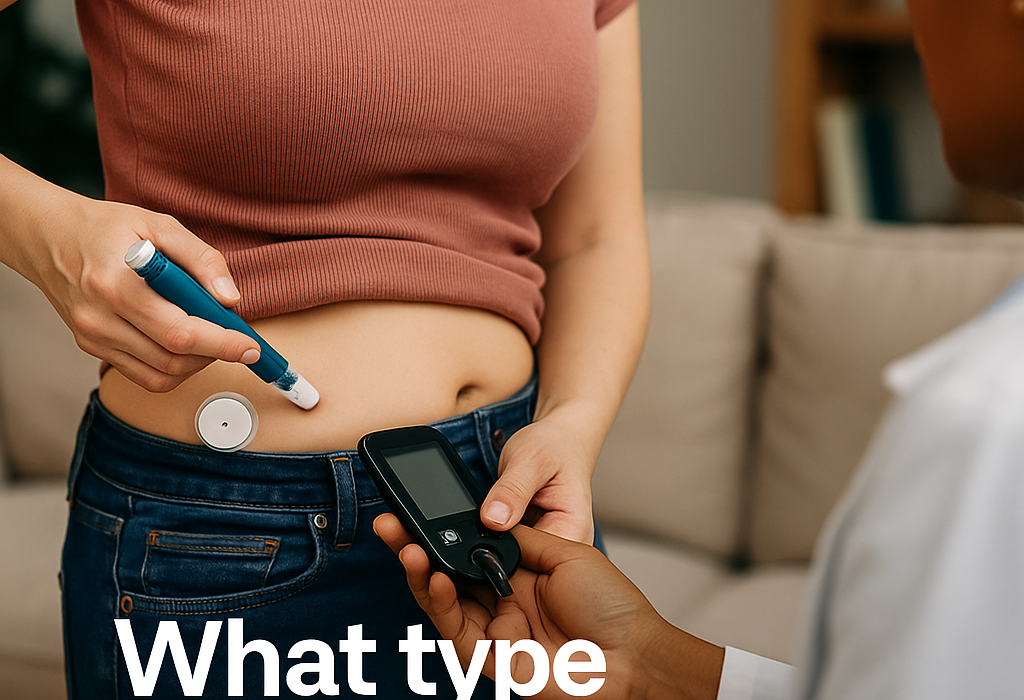
If you’ve ever heard someone ask, “What type of diabetes do you have?” and wondered what they mean, you’re not alone. Diabetes is not a single condition. It is a group of related diseases that affect how the body handles blood sugar, and the type matters because it changes how the condition is managed.
Table of Contents
In simple terms, the most common types of diabetes are:
- Type 1 diabetes
- Type 2 diabetes
- Gestational diabetes
- Prediabetes
- Less common forms, such as MODY or secondary diabetes
Understanding the type of diabetes someone has helps explain symptoms, treatment, and long-term care. It also answers one of the most important questions people ask after a diagnosis: What kind of diabetes do I have, and what does that mean for me?
What Is Diabetes?
Diabetes is a condition that affects how your body uses glucose, or blood sugar. Glucose is the body’s main source of energy. Normally, insulin helps move glucose from the bloodstream into the cells.
When the body does not make enough insulin, does not use insulin properly, or both, blood sugar rises. Over time, high blood sugar can damage the heart, kidneys, eyes, nerves, and other organs. For a clear medical overview, the National Institute of Diabetes and Digestive and Kidney Diseases explains how diabetes affects the body.
What Type of Diabetes Do You Have?
The answer depends on how your body is affected.
Type 1 diabetes
Type 1 diabetes is an autoimmune condition. This means the immune system attacks the insulin-producing cells in the pancreas. As a result, the body makes little or no insulin.
People with type 1 diabetes need insulin every day to survive. It is often diagnosed in children and young adults, but it can appear at any age.
Common signs of type 1 diabetes include:
- Increased thirst
- Frequent urination
- Unexplained weight loss
- Fatigue
- Blurred vision
Type 2 Diabetes
Type 2 diabetes is the most common type of diabetes. In this condition, the body either does not use insulin well or does not make enough insulin to keep blood sugar normal.
Type 2 diabetes often develops gradually, so many people do not realize they have it right away. It is more common in adults, but it is increasingly seen in children and teens too.
Common risk factors for type 2 diabetes include:
- Family history of diabetes
- Being overweight
- Low physical activity
- Age
- History of gestational diabetes
- Certain ethnic backgrounds
- High blood pressure or cholesterol
Gestational Diabetes
Gestational diabetes develops during pregnancy. It happens when pregnancy hormones make it harder for the body to use insulin.
This type of diabetes often goes away after delivery, but it increases the risk of type 2 diabetes later in life for both the mother and the child.
Prediabetes
Prediabetes means blood sugar is higher than normal, but not high enough to be diagnosed as type 2 diabetes. It is an important warning sign.
With healthy lifestyle changes, many people with prediabetes can delay or prevent type 2 diabetes.
Less common forms of diabetes
Some people have forms of diabetes that do not fit neatly into the main categories. These may include MODY, secondary diabetes, or diabetes linked to certain medicines or medical conditions. If the diagnosis seems unclear, a doctor may order more testing to help identify the cause.
How Do You Know What Type of Diabetes You Have?
A doctor usually determines the type based on:
- Symptoms
- Age at diagnosis
- Weight and medical history
- Family history
- Blood tests
- Need for insulin
- Antibody testing in some cases
Blood Tests Used to Diagnose Diabetes
The main tests used to diagnose diabetes and help identify the type include:
- A1C test: Measures average blood sugar over the past 2 to 3 months
- Fasting blood glucose test: Checks blood sugar after not eating overnight
- Oral glucose tolerance test: Measures how the body responds to sugar over time
- Autoantibody tests: Can help identify type 1 diabetes
- C-peptide test: Helps show how much insulin the body is making
These tests help doctors not only confirm diabetes but also understand what is happening inside the body.
If you want another practical breakdown of diabetes questions and treatment basics, see Diabetes math: Ask Dmine for Insulin Pen Users.
Why the Type of Diabetes Matters
Knowing the type of diabetes is important because treatment can be very different.
- Type 1 diabetes usually requires insulin
- Type 2 diabetes may be managed with lifestyle changes, oral medications, injectable medications, or insulin
- Gestational diabetes is managed during pregnancy to protect both parent and baby
- Prediabetes is often managed with lifestyle changes and monitoring
The type also affects what complications are most likely and what kind of follow-up care is needed.
Understanding diabetes complications can also help you see why early diagnosis matters. Read more in Diabetes complications: Ask Dmine on why diabetes is called the mother of all diseases.
Common Questions People Ask About Diabetes Types
Can You Have More Than One Type of Diabetes?
Usually, a person is classified as having one main type of diabetes. However, some people’s cases are harder to categorize. For example, someone may be diagnosed with type 2 diabetes but later be found to have type 1 diabetes or a rare form like MODY.
Can Type 2 Diabetes Turn Into Type 1?
No. Type 2 diabetes does not turn into type 1 diabetes. They are different conditions with different causes. However, symptoms can sometimes overlap, which is why proper testing is important.
Is Type 1 Diabetes Worse Than Type 2 Diabetes?
Neither type is automatically “worse.” Both can be serious if not managed well. Type 1 diabetes requires insulin, while type 2 diabetes may be controlled in different ways. The impact depends on how well the condition is treated and monitored.
Can You Reverse Diabetes?
Type 1 diabetes cannot be reversed. Type 2 diabetes may go into remission for some people, especially with weight loss, improved diet, exercise, and early treatment. Prediabetes can often be improved or reversed through lifestyle changes.
What If I Don’t Know My Type?
If you are unsure, ask your doctor. It is important to confirm the diagnosis because treatment depends on it. If you were told you have diabetes but do not know the type, your doctor can review your labs, symptoms, and medical history.
Signs That You Should Get Checked for Diabetes
Some people have no symptoms at all, but common warning signs include:
- Frequent urination
- Excessive thirst
- Increased hunger
- Fatigue
- Blurry vision
- Slow-healing wounds
- Unexplained weight loss
- Numbness or tingling in the hands or feet
If you have these symptoms, a medical evaluation can help determine whether you have diabetes and which type it may be.
How Diabetes Is Managed by Type
Managing Type 1 Diabetes
Type 1 diabetes is managed with:
- Insulin
- Blood sugar monitoring
- Meal planning
- Exercise
- Ongoing medical follow-up
Because insulin needs can change with food, activity, illness, and stress, careful monitoring is especially important. People who use insulin pens may also benefit from learning how to calculate doses more confidently.
Managing Type 2 Diabetes
Type 2 diabetes may be managed with:
- Healthy eating
- Physical activity
- Weight management
- Oral medications
- Injectable medications
- Insulin if needed
- Regular blood sugar checks
Many people also find it helpful to build simple routines around meals, movement, and sleep so blood sugar stays steadier from day to day.
Managing Gestational Diabetes
Gestational diabetes is usually managed with:
- Diet changes
- Physical activity
- Blood sugar monitoring
- Insulin or medication if needed
- Regular prenatal care
Managing blood sugar during pregnancy helps lower the risk of complications for both parent and baby.
Managing Prediabetes
Prediabetes is often managed with:
- Weight loss if needed
- Better nutrition
- More physical activity
- Regular monitoring
- Reduced risk factors such as high blood pressure
Even small changes can make a meaningful difference when prediabetes is caught early.
Questions to ask your doctor
If you have been diagnosed but are still unclear about your condition, consider asking:
- What type of diabetes do I have?
- Which tests were used to confirm it?
- Do I need more testing, such as antibody or C-peptide tests?
- What treatment plan is best for my type?
- How often should I check my blood sugar?
- What warning signs should I watch for?
These questions can make appointments more productive and help you understand the diagnosis more clearly.
The Bottom Line
When someone asks, “What type of diabetes do you have?” they are asking about the specific kind of diabetes affecting your body. The answer matters because type 1, type 2, gestational diabetes, and prediabetes are all different, with different causes and treatments.
If you are unsure what type you have, the best next step is to talk with a healthcare professional. Proper testing and diagnosis can help you understand your condition, get the right treatment, and manage your health with confidence.
For more background on type 1 diabetes and related topics, you may also want to read Type 1 diabetes books: 7 Books to Help You Feel Better About Type 1 Diabetes.