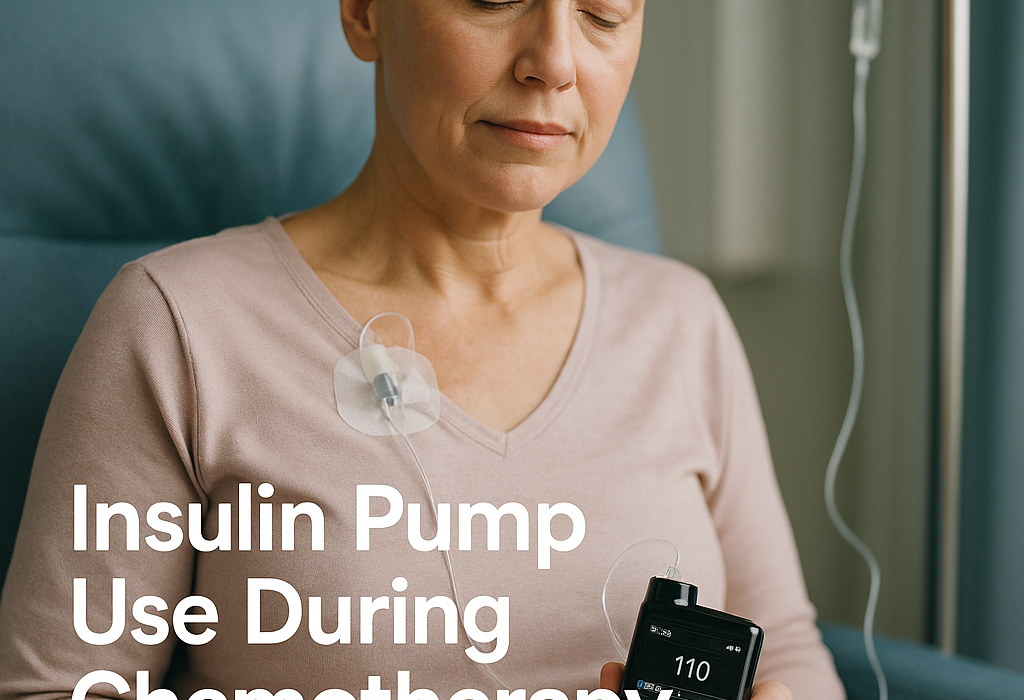
If you use an insulin pump during chemo and are starting chemotherapy, one of the first questions you may ask is: will my insulin pump be kept during chemo? In many cases, the answer is yes, but it depends on the type of chemotherapy, your treatment setting, your blood sugar control, and the policies of your cancer care team and hospital.
For many people with diabetes, an insulin pump during chemo can continue to be used during cancer treatment with careful monitoring. However, there are situations where the pump may need to be paused, removed, or switched temporarily to another insulin plan. The best answer is not the same for everyone, which is why a personalized plan matters from the start.
This article explains what usually happens, why insulin pump use may change during chemo, and what questions to ask your oncology and diabetes teams before treatment begins.
- The Short Answer
- Why This Question Matters
- Common Reasons an Insulin Pump May Stay On During Chemo
- Common Reasons a Pump May Be Removed or Paused
- What Happens to Blood Sugar During Chemo?
- How Doctors Decide Whether the Pump Can Stay On
- What You Should Ask Before Chemo Starts
- Can I Wear My Pump During Outpatient Chemo?
- Can I Use My Insulin Pump in the Hospital During Chemo?
- What If Steroids Make My Blood Sugar Go High?
- What If I Am Too Sick to Manage My Pump?
- Backup Plan: Always Have One
- Tips for Managing an Insulin Pump During Chemo
- Questions to Ask Your Care Team
- When to Call Your Doctor Right Away
- The Bottom Line
The Short Answer
Often, yes — your insulin pump can stay on during chemotherapy. But in some cases, your care team may recommend keeping the pump on, adjusting pump settings, using a different insulin plan temporarily, or removing the pump for certain procedures or hospital stays.
The decision is usually based on safety, your ability to manage the device, and how chemotherapy affects your blood sugar. For many people, the key issue is not whether the pump is allowed, but whether it remains the safest and most practical way to manage insulin during treatment.
Why This Question Matters
Chemotherapy can affect blood glucose in several ways. Some chemo medications, steroids, anti-nausea drugs, reduced appetite, vomiting, and infections can all make blood sugar harder to predict. If you already use an insulin pump during chemo, your usual settings may no longer work the same way.
That is why your oncology team may want a plan in place before treatment begins. In most situations, the goal is not to take away your pump unnecessarily, but to make sure your diabetes is managed safely during treatment. The more predictable your plan is before the first infusion, the easier it can be to respond if your numbers start changing.
For a reliable reference on blood sugar targets and general diabetes care, the American Diabetes Association is a helpful source for patient education and guidance.
It can also help to learn more about diabetes management in general before treatment changes begin. If you want another practical diabetes-focused read, see Carb Counting: Ask Dmine Master Fast & Easy for a helpful refresher on matching insulin to food intake.
Common Reasons an Insulin Pump May Stay On During Chemo
Your insulin pump is more likely to be kept in place if:
- You are awake and able to manage it
- Your blood sugar is relatively stable
- The chemotherapy is outpatient
- There is no imaging or surgery that requires the pump to be removed
- Your care team is comfortable monitoring it
- You can still eat or drink enough to match insulin needs
Many people receiving outpatient chemo continue using their insulin pumps with close monitoring and dose adjustments. If you are already comfortable with pump therapy at home, that familiarity can make it easier for your team to keep the same system going during treatment.
In some cases, the pump may even make treatment simpler because it allows for fine-tuned changes in basal rates, temporary adjustments, and correction boluses when needed. Still, any decision should be based on the overall treatment picture rather than convenience alone.
Common Reasons a Pump May Be Removed or Paused
There are also situations where the pump may not be appropriate to keep on.
1. Hospitalization
If you are admitted to the hospital, the staff may decide to manage your insulin differently. Some hospitals allow patients to keep their pumps, while others prefer their own insulin protocols.
2. Severe nausea or vomiting
If chemotherapy causes severe nausea, vomiting, or poor oral intake, pump settings may need to change. In some cases, the pump may be less useful if your food intake becomes unpredictable.
3. Steroid use
Steroids such as dexamethasone are often given with chemotherapy and can raise blood sugar significantly. Your pump may need temporary adjustments, or your diabetes team may recommend more frequent corrections.
4. Imaging or procedures
Some scans, radiation sessions, surgeries, or other procedures may require the pump to be removed temporarily.
5. Inability to self-manage
If chemo side effects such as fatigue, confusion, weakness, or pain make it hard to manage the pump safely, your care team may recommend another plan.
6. Infection or skin problems
If the infusion site becomes irritated, infected, or difficult to maintain, your team may suggest changing the site or temporarily switching insulin delivery methods.
What Happens to Blood Sugar During Chemo?
Chemotherapy can cause blood sugar to go up or down. The direction is not always predictable, and the same treatment can affect people very differently. That uncertainty is one reason clinicians watch glucose trends closely during cancer treatment.
Blood sugar may rise because of:
- Steroids
- Stress from illness
- Infection
- Less activity
- Tube feeds or nutritional supplements
- Certain medications
Blood sugar may drop because of:
- Poor appetite
- Vomiting
- Diarrhea
- Skipping meals
- Weight loss
- Reduced carbohydrate intake
Because of this, people using an insulin pump during chemo often need closer glucose monitoring during chemo than they do at baseline. If your usual routine includes a continuous glucose monitor, ask your team whether it should stay in place throughout treatment and whether staff should also confirm readings with fingerstick checks when needed.
Keeping a log of glucose trends, food intake, steroid days, and symptoms can make pattern recognition much easier for your diabetes team. That record can also help if a dose adjustment is needed later in the cycle.
How Doctors Decide Whether the Pump Can Stay On
Your oncologist, endocrinologist, diabetes educator, and sometimes the hospital nursing staff may work together to decide what is safest.
They may consider:
- Your type of diabetes
- How well your diabetes is controlled
- Whether you use a standard pump or a closed-loop system
- How often your blood sugar changes
- Whether you have had severe hypoglycemia or diabetic ketoacidosis before
- The type of chemo regimen
- Whether steroids are included
- Your ability to respond to pump alarms and make adjustments
- Whether you are being treated as an outpatient or inpatient
In practical terms, the question is whether your insulin pump during chemo can be managed safely in the setting where you are receiving care. If the answer is yes, your team may prefer to keep the device in place and make targeted changes instead of switching everything at once.
What You Should Ask Before Chemo Starts
Before your first treatment, ask your team these important questions:
- Will I be allowed to keep my insulin pump on during chemotherapy?
- Will I be able to use my continuous glucose monitor too?
- Who will help adjust my insulin if my blood sugar changes?
- What should I do if I cannot eat after treatment?
- What if I get steroids with chemo?
- Should I bring backup insulin supplies?
- When would the pump need to be removed?
- Who should I call if my blood sugar is very high or very low?
Having answers ahead of time can reduce stress and help prevent emergency situations. It can also help your providers coordinate care, since a clear plan makes it easier for each part of the team to know what the others expect.
If you want a broader look at life with diabetes and related support topics, you may also find Type 1 diabetes books: 7 Books to Help You Feel Better About Type 1 Diabetes useful for extra background and encouragement.
Can I Wear My Pump During Outpatient Chemo?
In many cases, yes. People who receive chemo in an outpatient infusion center often keep their insulin pump on while being treated.
You may need to:
- Keep the pump accessible for staff
- Make sure the infusion site is not in the way of treatment
- Bring extra supplies
- Check blood sugar more often
- Alert staff if the pump alarms or if your glucose changes quickly
If you use a continuous glucose monitor, ask whether the infusion center has any restrictions on wearing it during treatment. Some centers have policies about device placement, alarms, and whether staff can rely on sensor values alone. A quick conversation before your appointment can prevent confusion later.
It can also help to label your supplies clearly and keep them together in one bag. Many patients find it useful to bring a charger, spare batteries, adhesive patches, and a written list of current pump settings.
Can I Use My Insulin Pump in the Hospital During Chemo?
Sometimes. Hospital policies vary.
Some hospitals allow patients to keep managing their own insulin pumps if they are alert, capable, and trained to do so. Other hospitals prefer their nursing staff to manage glucose with injections or an insulin drip, especially if you are very ill or unstable.
If you are admitted during chemotherapy, ask early:
- Does this hospital allow personal insulin pumps?
- Will I be allowed to adjust basal rates?
- Will my diabetes device be documented in my chart?
- What happens if I need surgery or a scan?
Hospital teams also may want to know whether your pump has a temporary basal feature or whether it pairs with a CGM. For some patients, that information can help the team decide whether the device can remain in place or whether a different insulin strategy will be safer.
What If Steroids Make My Blood Sugar Go High?
Steroids are a very common reason blood sugar rises during chemo. If your treatment includes steroids, your insulin needs may increase temporarily.
Your team may recommend:
- Higher basal rates
- More frequent correction boluses
- Temporary pump setting changes
- Closer glucose checks
- Extra insulin during steroid days and for a day or two afterward
Never make major changes without guidance if you are unsure, especially if your blood sugar has been unstable before. Steroid-related highs can be stubborn, but they are usually easier to manage when there is a prearranged plan instead of a last-minute guess.
If steroid days are part of your regimen, ask whether the higher glucose effect is expected to peak the same day or after treatment. That timing can vary, and knowing the pattern helps you prepare food, insulin, and monitoring supplies accordingly.
What If I Am Too Sick to Manage My Pump?
If you are too tired, confused, weak, or sick to use your pump safely, your care team may need to switch you to another insulin plan.
This may happen if you have:
- Severe vomiting
- Dehydration
- Serious infection
- Low blood pressure
- Very high blood sugars
- Diabetic ketoacidosis
- A hospital admission
Safety comes first. If you cannot manage the pump, it may not be the best option during that period. That does not mean you failed or did anything wrong; it simply means your body needs a different level of support.
For many people, a short-term change is all that is needed. Once symptoms improve and eating becomes more regular, the pump can sometimes be restarted under guidance from the care team.
Backup Plan: Always Have One
If you use an insulin pump, it is wise to have a backup plan before chemo begins. That may include:
- Long-acting insulin
- Rapid-acting insulin pens or vials
- Syringes or pen needles
- Glucose tablets or gel
- Ketone test strips
- Contact numbers for your diabetes and cancer teams
If your pump fails or must be removed unexpectedly, you will be better prepared. This backup plan is especially important if you are traveling far for treatment or if you know your infusion center does not stock diabetes supplies.
A written emergency plan can also reduce stress for family members or caregivers. Include your current insulin settings, typical correction factors, and the circumstances that should trigger a call to your care team.
Tips for Managing an Insulin Pump During Chemo
Here are practical steps that may help:
Monitor glucose more often
Chemotherapy can change your insulin needs quickly, so frequent checks are important. If you use CGM, confirm it is working properly and know when to verify readings manually.
Keep supplies with you
Bring extra infusion sets, reservoirs, batteries, adhesives, insulin, and sensor supplies.
Stay hydrated
Dehydration can worsen blood sugar problems and make you feel worse overall.
Tell your team about all diabetes devices
Make sure every provider knows you use a pump and whether you also wear a CGM.
Watch for signs of high or low blood sugar
Report symptoms early rather than waiting for them to get severe.
Have clear sick-day rules
Ask your diabetes team what to do if you cannot eat, vomit, or develop a fever.
It can also help to choose clothing that makes device access easier on treatment days. Small details, such as where the infusion set is placed or how your tubing is secured, can reduce unnecessary stress while you are already dealing with chemo-related fatigue.
Some people also find it useful to set reminders for infusion set changes and to double-check that their pump time and date are correct, especially if treatment, time-zone travel, or interruptions in routine make their schedule less predictable.
Questions to Ask Your Care Team
Before and during treatment, consider asking:
- What blood sugar range do you want me to aim for during chemo?
- How often should I check glucose on treatment days?
- Should I change my basal rate on steroid days?
- Do you want me to keep my pump on for every infusion visit?
- What should I do if I miss a meal after treatment?
- What symptoms mean I should go to urgent care or the emergency room?
- Who should I contact after hours?
If you are unsure how your device works in a treatment setting, ask whether the infusion center has a protocol for patients with personal insulin devices. Some centers also provide written instructions, which can be especially helpful when multiple providers are involved.
In some cases, your team may recommend reviewing your pump settings before chemo begins. That review can include basal rates, correction factors, carb ratios, and any temporary profiles that might be helpful on steroid days or when your appetite drops.
When to Call Your Doctor Right Away
Call your cancer team, diabetes team, or urgent care line promptly if you have:
- Blood sugar that stays very high
- Repeated low blood sugar
- Vomiting that prevents eating or drinking
- Signs of dehydration
- Ketones in your urine or blood
- Pump malfunction
- Redness, swelling, or infection at the infusion site
- Confusion or inability to manage your pump
Get emergency help if you have severe symptoms, trouble breathing, or signs of diabetic ketoacidosis. If you are unsure whether a symptom is urgent, it is safer to call sooner rather than wait.
The Bottom Line
Will my insulin pump be kept during chemo? Often, yes — but not always. Many people can continue using their insulin pump during chemotherapy, especially in outpatient settings, as long as they are able to manage it safely and their team can monitor blood sugar closely.
Your pump may need to be adjusted, paused, or replaced temporarily if you are hospitalized, receive steroids, have severe side effects, or cannot manage the device safely. The best approach is to plan ahead with both your oncology and diabetes teams so you know exactly what to expect.
A personalized plan before treatment starts can help keep your blood sugar safer and make chemotherapy easier to manage. For people living with diabetes and cancer treatment, that plan is often the difference between reacting to problems and preventing them.
If your care team is deciding whether an insulin pump during chemo should remain in place, ask for the plan in writing if possible. That way, everyone involved in your care can follow the same instructions, and you will have a clear reference on days when treatment feels overwhelming.