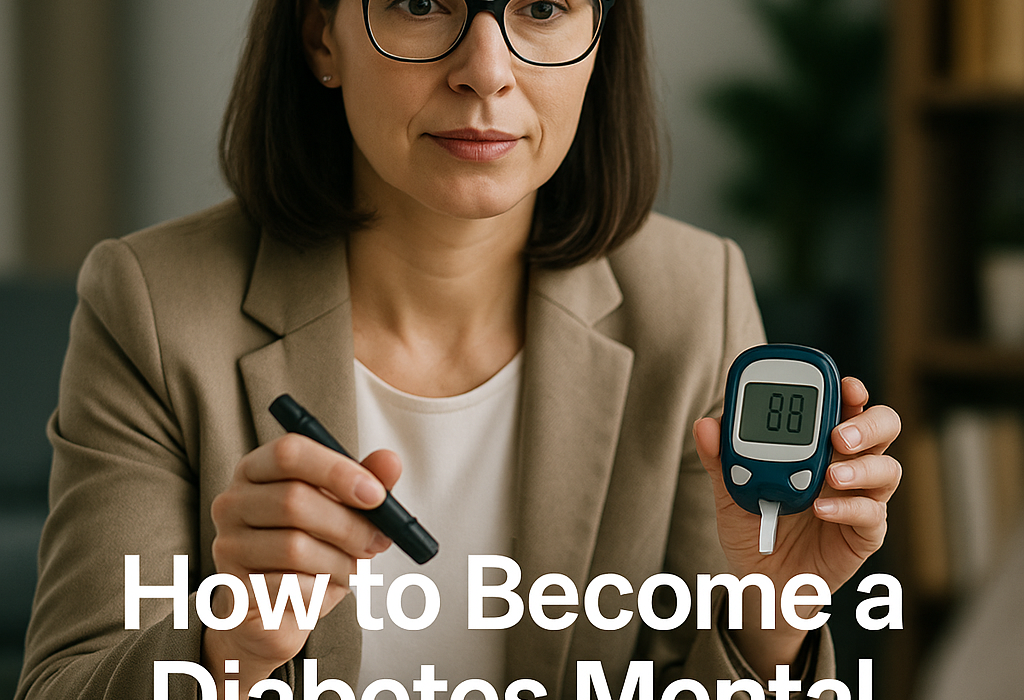
Becoming a diabetes mental health professional means building the skills to support people living with diabetes who are also dealing with stress, anxiety, burnout, depression, eating concerns, trauma, or adjustment challenges related to their condition. This career sits at the intersection of mental health care and chronic disease management, helping patients improve both emotional well-being and diabetes outcomes.
If you are wondering how to become a diabetes mental health professional, the path usually starts with a background in behavioral health, counseling, psychology, social work, or psychiatry, followed by specialized training in diabetes care. The goal is not only to treat mental health symptoms, but also to understand how diabetes affects daily life, self-management, relationships, and long-term health.
Table of Contents
- What Does a Diabetes Mental Health Professional Do?
- Who Can Become a Diabetes Mental Health Professional?
- Step 1: Earn the Right Degree
- Step 2: Become Licensed in a Mental Health Profession
- Step 3: Learn the Basics of Diabetes Care
- Step 4: Get Specialized Training in Diabetes and Mental Health
- Step 5: Gain Clinical Experience With Chronic Illness Populations
- Step 6: Learn to Work as Part of a Multidisciplinary Team
- Step 7: Build Skills in Diabetes-Specific Counseling Approaches
- Step 8: Stay Informed About Best Practices
- Step 9: Understand the Emotional Challenges of Diabetes
- Step 10: Choose Your Work Setting
- Skills Needed to Succeed in This Career
- Common Questions About Becoming a Diabetes Mental Health Professional
- Career Benefits of This Specialization
- Final Thoughts
What Does a Diabetes Mental Health Professional Do?
A diabetes mental health professional helps people manage the psychological and emotional side of diabetes. This can include support for:
- Diabetes distress and burnout
- Depression and anxiety
- Fear of hypoglycemia or complications
- Disordered eating and insulin restriction
- Stress related to blood sugar management
- Family conflict around diabetes care
- Adjustment to a new diagnosis
- Trauma related to medical experiences
- Low motivation or adherence challenges
These professionals often work with adults, children, teens, and families. They may be part of a diabetes care team that includes endocrinologists, primary care providers, diabetes educators, dietitians, nurses, and social workers. For readers who want a broader view of the support network around diabetes care, the diabetes patient community can also offer perspective on how shared experience shapes coping and care.
In practice, a diabetes mental health professional may help a patient unpack why they feel overwhelmed after diagnosis, why they avoid checking glucose, or why they struggle to stay consistent with treatment. This support is often practical and collaborative, not just symptom-focused. The best care connects emotional health with everyday diabetes routines in a way that feels realistic and respectful.
Why this role matters
Diabetes management is demanding. Patients are expected to make constant decisions about food, activity, medication, sleep, stress, and monitoring. Over time, that pressure can affect confidence and emotional well-being. A diabetes mental health professional can reduce shame, identify barriers, and help patients build healthier coping strategies. That makes the work valuable not only for mental health, but for overall diabetes self-management too.
Who Can Become a Diabetes Mental Health Professional?
There is not one single job title or license for this specialty. Instead, several types of licensed professionals can work in diabetes mental health, including:
- Licensed clinical social workers
- Licensed professional counselors
- Licensed marriage and family therapists
- Psychologists
- Psychiatrists
- Psychiatric nurse practitioners
- Other licensed mental health clinicians with diabetes-specific training
In most cases, you must first become fully licensed in your mental health discipline before specializing in diabetes care. The specialty comes from additional education, supervised experience, and ongoing training.
That means this career is usually best suited to people who already want to work in counseling, assessment, or psychotherapy, and who are interested in the medical context of chronic illness. If you are already in a clinical role, becoming a diabetes mental health professional can be a natural way to build a focused niche. If you are just entering the field, it helps to choose a degree path that leads to licensure and provides strong clinical foundations.
Step 1: Earn the Right Degree
The first step is to complete a degree that qualifies you for a mental health career.
Common educational paths include:
- Bachelor’s degree in psychology, social work, counseling, nursing, or a related field
- Master’s degree in social work, counseling, marriage and family therapy, psychiatric nursing, or psychology
- Doctoral degree in psychology or psychiatry, depending on the path
If you are still early in your education, choosing a field that leads to licensure is essential. A strong foundation in human behavior, mental health assessment, and therapy is important before adding diabetes specialization.
Coursework in development, psychopathology, medical ethics, trauma, family systems, and health psychology can be especially helpful. If your program offers practicum placements in hospitals, outpatient clinics, or integrated care settings, those experiences can make the transition into diabetes-related work much smoother. A future diabetes mental health professional benefits from understanding both traditional therapy skills and how medical settings operate.
Some students also strengthen their preparation by learning basic health terminology and chronic disease concepts early. That background can make later training in diabetes much easier to absorb.
Step 2: Become Licensed in a Mental Health Profession
To practice independently, you must usually complete the licensing requirements for your chosen profession. This typically includes:
- A qualifying graduate degree
- Supervised clinical hours
- Passing a licensing exam
- Meeting state or regional regulations
- Completing continuing education
For example:
- Counselors may pursue licensure as an LPC or LMHC
- Social workers may become LCSWs
- Psychologists usually complete doctoral training and licensure
- Psychiatrists must complete medical school and psychiatric residency
This step matters because diabetes mental health work often involves clinical treatment, diagnosis, collaboration with medical teams, and treatment planning.
Licensure also helps define your scope of practice. A diabetes mental health professional should know when to provide counseling directly, when to coordinate with a medical provider, and when to refer a patient for additional services. That kind of clinical judgment is essential when people are managing both emotional distress and a chronic health condition.
Step 3: Learn the Basics of Diabetes Care
Once you have a mental health foundation, the next step is learning how diabetes works. You do not need to become an endocrinologist, but you should understand the disease well enough to support patients effectively.
Important areas to study include:
- Type 1, type 2, and gestational diabetes
- Blood glucose monitoring
- Insulin, oral medications, and other treatments
- Hypoglycemia and hyperglycemia
- Diabetes complications
- Nutrition, exercise, and lifestyle factors
- Technology such as CGMs and insulin pumps
- Diabetes self-management routines
Understanding the medical side of diabetes helps you provide care that is realistic, informed, and collaborative. It also helps you avoid giving advice that conflicts with a patient’s treatment plan.
For a diabetes mental health professional, the goal is not to explain every medical detail, but to understand enough to ask better questions and spot where emotional issues are affecting self-care. For example, a patient who avoids insulin may not be “noncompliant” in a simple sense; they may be afraid of weight gain, public injection, needles, or low blood sugar. Knowing the basics lets you address the real issue underneath the behavior.
It can also help to review trusted educational sources such as the American Diabetes Association, which provides evidence-based information on living with diabetes, treatment, and advocacy. Pairing reliable medical information with therapy skills is one of the most important habits in this specialty.
Step 4: Get Specialized Training in Diabetes and Mental Health
Specialized training is what helps you move from general mental health practice to diabetes mental health care. This training may come through:
- Continuing education courses
- Workshops and conferences
- Certifications
- Supervised experience in diabetes clinics
- Collaboration with diabetes care teams
- Professional organizations focused on diabetes education and behavioral health
You should look for training in topics such as:
- Diabetes distress
- Motivational interviewing
- Cognitive behavioral therapy for chronic illness
- Family systems and caregiver support
- Eating disorders and diabetes
- Trauma-informed care
- Health behavior change
- Patient adherence and self-management barriers
This specialization is especially important because diabetes-related emotional issues can look different from general mental health concerns.
A diabetes mental health professional often needs to recognize patterns that may be overlooked in standard therapy settings. A patient may not describe themselves as depressed, yet still feel exhausted by daily management. Another patient may appear motivated, but secretly live with fear of numbers, body image concerns, or past medical trauma. Specialized training improves your ability to identify these issues early and respond with the right kind of support.
Training in behavioral medicine or integrated care can also help you communicate effectively with physicians and educators. The more fluent you are in both psychological and medical language, the easier it becomes to work as part of a coordinated team.
Step 5: Gain Clinical Experience With Chronic Illness Populations
Experience matters. Many diabetes mental health professionals gain skills by working with people who have chronic illnesses, medical trauma, or health behavior concerns.
Helpful settings may include:
- Endocrinology clinics
- Diabetes centers
- Primary care practices
- Hospital outpatient programs
- Community mental health clinics
- Private practice with medical referrals
- Pediatric specialty clinics
Working in these settings gives you exposure to common diabetes challenges, patient education needs, and team-based care models.
It also teaches you how to sit with uncertainty. Diabetes is not always predictable, and the same strategy does not work for every person. A skilled diabetes mental health professional learns to ask about routines, stressors, family dynamics, and practical barriers before jumping to conclusions. Clinical exposure helps develop that kind of patience and flexibility.
If possible, seek supervisors or mentors who understand both behavioral health and chronic illness. Their feedback can help you improve your assessment skills, refine your treatment planning, and better support patients whose emotional health is tightly linked to their diabetes management.
Step 6: Learn to Work as Part of a Multidisciplinary Team
Diabetes care works best when mental health professionals collaborate with medical providers. A diabetes mental health professional often communicates with:
- Endocrinologists
- Primary care physicians
- Diabetes educators
- Dietitians
- Nurses
- Case managers
- Caregivers and family members, when appropriate
Team-based care is important because mental health concerns can affect blood sugar management, and diabetes symptoms can worsen mental health. Collaboration helps create coordinated treatment plans that support the whole person.
In practical terms, this may mean sharing observations about anxiety that interferes with glucose monitoring, discussing meal-related stress with a dietitian, or helping a medical team understand that a patient’s missed appointments are linked to depression rather than lack of interest. The more closely a diabetes mental health professional works with others, the more complete the care becomes.
Communication should always respect privacy, consent, and professional boundaries. When collaboration is done well, patients feel supported rather than judged, and the team can respond more efficiently to barriers in care.
Step 7: Build Skills in Diabetes-Specific Counseling Approaches
A diabetes mental health professional should be comfortable using counseling methods that support behavior change without shame or blame. Helpful approaches include:
- Motivational interviewing
- Cognitive behavioral therapy
- Acceptance and commitment therapy
- Problem-solving therapy
- Family therapy
- Psychoeducation
- Stress management strategies
These approaches can help patients deal with the emotional burden of diabetes and improve everyday self-care in a practical way.
For example, motivational interviewing can help a patient explore ambivalence about using a continuous glucose monitor. Cognitive behavioral therapy may help someone challenge thoughts such as “I failed because my numbers were high.” Family therapy can improve communication between parents and children managing diabetes together. These methods are especially useful because diabetes care is often shaped by habits, emotions, and relationships, not just knowledge.
A diabetes mental health professional should also know how to talk about food, body image, and control in a respectful way. Those topics can be emotionally loaded, especially for people who have experienced weight stigma or disordered eating. Good counseling focuses on collaboration, not correction.
Step 8: Stay Informed About Best Practices
Diabetes care changes over time. Technology, medications, treatment targets, and psychological approaches continue to evolve. To stay effective, you should keep learning through:
- Continuing education
- Research articles
- Clinical conferences
- Professional associations
- Case consultations
- Supervision or peer support
This ongoing learning helps ensure your work remains evidence-based and relevant.
Keeping up with new developments matters because the experience of being a diabetes mental health professional is shaped by changing tools and treatment patterns. As devices improve, patients may need help adjusting to alarms, data overload, or unrealistic expectations. As new medications become available, emotional concerns may also shift. Staying informed means you can meet patients where they are rather than relying on outdated assumptions.
It is also helpful to monitor developments in integrated care, health equity, and culturally responsive practice. Diabetes does not affect every person in the same way, and best practices should account for language, access, finances, family structure, and lived experience.
Step 9: Understand the Emotional Challenges of Diabetes
To succeed in this field, you need to understand the emotional experience of diabetes, not just the medical diagnosis. Many patients feel:
- Overwhelmed by constant management
- Guilty about numbers or food choices
- Frustrated by unpredictable blood sugar
- Burned out from daily decision-making
- Afraid of judgment from providers or family
- Discouraged by complications or setbacks
A good diabetes mental health professional recognizes that these emotions are common and valid. Support should reduce shame and help patients build realistic, sustainable coping strategies.
Diabetes distress is one of the most important concepts to understand in this area. Unlike generalized anxiety or depression, diabetes distress is tied specifically to the burden of living with diabetes. A patient may feel fine in many parts of life and still become emotionally exhausted by medication decisions, sensor readings, mealtime planning, or the pressure to “do everything right.” Recognizing that difference helps you tailor treatment more effectively.
It is also important to remember that emotional concerns can affect self-management in both obvious and subtle ways. A patient might miss appointments, avoid data review, or resist support because they feel ashamed, hopeless, or tired. A diabetes mental health professional should normalize the struggle while still helping patients move toward healthier routines.
Step 10: Choose Your Work Setting
Once you have the right training and experience, you can decide where you want to work. Diabetes mental health professionals may work in:
- Private practice
- Hospitals
- Academic medical centers
- Diabetes specialty clinics
- Pediatric care centers
- Public health programs
- Telehealth services
- Integrated care practices
Your setting may shape the type of patients you see and the level of collaboration you have with medical teams.
Private practice can offer flexibility and long-term client relationships, while hospital or clinic settings may provide more built-in referrals and multidisciplinary collaboration. Telehealth can expand access for people who live far from specialty care or have mobility and transportation barriers. No matter the setting, a diabetes mental health professional should be prepared to work in a way that is practical, ethical, and patient-centered.
If you work in a medical practice, you may need to adjust your scheduling, documentation, and referral process to fit a faster-paced team environment. If you are in outpatient therapy, you may have more time for deep emotional work and longer treatment plans. Both paths can be valuable.
Skills Needed to Succeed in This Career
In addition to formal education, certain skills are especially useful in diabetes mental health work:
- Strong listening and communication skills
- Empathy and nonjudgmental care
- Ability to explain complex ideas clearly
- Knowledge of behavior change strategies
- Cultural competence
- Comfort discussing food, body image, and medical routines
- Ability to support both patients and families
- Good clinical judgment
- Understanding of boundaries and scope of practice
Because diabetes care can involve sensitive topics, trust and compassion are essential.
Organization and curiosity also matter. A diabetes mental health professional often needs to connect patterns over time, ask detailed questions, and understand how daily routines affect emotional functioning. The role rewards clinicians who are both compassionate and methodical.
Another useful skill is advocacy. Patients may need help communicating with medical teams, asking for accommodations, or pushing back against stigma. Professionals who can advocate without overstepping can make a real difference in a patient’s care experience.
Common Questions About Becoming a Diabetes Mental Health Professional
Do you need to be a psychologist to work in diabetes mental health?
No. Psychologists can work in this field, but so can licensed social workers, counselors, marriage and family therapists, psychiatrists, and other qualified mental health professionals.
Do you need diabetes certification?
Not always, but specialized training is highly recommended. A certificate, continuing education, or experience in diabetes care can strengthen your expertise and credibility.
Can you work with children and teens?
Yes. Many diabetes mental health professionals work with pediatric patients and families. This often involves helping with school issues, family routines, diabetes distress, adherence, and emotional adjustment.
Is this the same as being a diabetes educator?
No. A diabetes educator focuses mainly on self-management education and diabetes skills. A diabetes mental health professional focuses on emotional, behavioral, and psychological support, though the roles often overlap and collaborate.
Can you do this work in private practice?
Yes, many professionals do. However, private practice clinicians should make sure they have specific training in diabetes care and strong referral relationships with medical providers.
What kinds of clients benefit most?
People who feel overwhelmed by diabetes tasks, experience diabetes burnout, struggle with food-related anxiety, or need help adjusting after diagnosis often benefit from this type of care. Families, caregivers, and teens can also benefit when diabetes affects home life or school functioning.
Career Benefits of This Specialization
Choosing this path can be rewarding because it allows you to make a meaningful difference in a medically important area. Benefits include:
- Helping patients improve quality of life
- Supporting both mental and physical health
- Working in collaborative care settings
- Serving a population with a real need for emotional support
- Building a unique niche in mental health practice
As diabetes rates continue to rise and awareness of diabetes distress grows, demand for trained professionals in this area is likely to remain strong.
There is also professional satisfaction in seeing progress that goes beyond symptom reduction. A diabetes mental health professional may help a patient feel less ashamed, more confident, and more capable of making day-to-day decisions. That kind of progress can ripple into better relationships, more stable self-care, and a stronger sense of control.
If you are already working in behavioral health, this specialty can also help you stand out in a crowded field. It combines clinical depth with a clearly defined area of focus, which can be useful for referrals, professional growth, and long-term career development.
Final Thoughts
If you want to become a diabetes mental health professional, the basic path is:
- Earn a degree in a mental health field
- Complete licensure requirements
- Learn the medical basics of diabetes
- Get specialized diabetes and behavioral health training
- Gain experience with chronic illness populations
- Build collaborative skills for team-based care
- Continue learning throughout your career
This career is a strong choice for mental health professionals who want to support the whole person, not just the diagnosis. By combining clinical training with diabetes-specific knowledge, you can help patients manage the emotional challenges of diabetes and live healthier, more balanced lives.
For many clinicians, becoming a diabetes mental health professional is not just a career move; it is a way to provide care that feels more complete, more compassionate, and more grounded in everyday reality. When you understand both the emotional burden and the medical demands of diabetes, you can offer support that truly meets patients where they are.
That combination of empathy, knowledge, and collaboration is what makes this specialty so valuable. If you are drawn to chronic illness care, behavioral health, and patient-centered practice, this could be a deeply meaningful path to pursue.