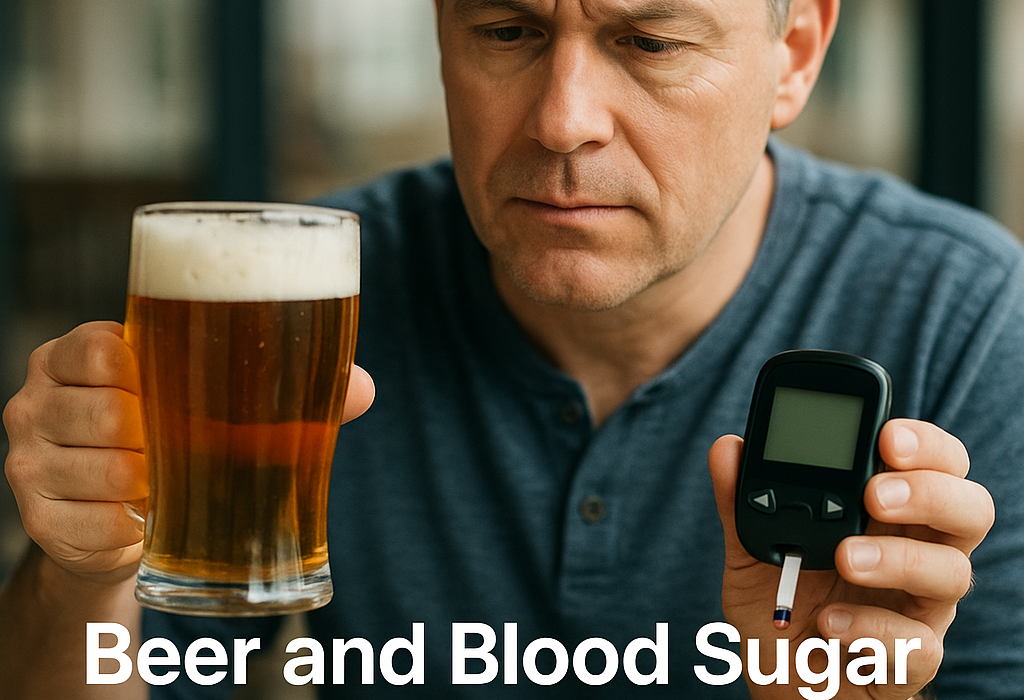
Beer can affect blood sugar in different ways, and the impact depends on the type of beer, how much you drink, whether you’ve eaten, and how well your diabetes is managed. For people with diabetes, the biggest concern is not just the carbs in beer, but also how alcohol can cause blood sugar to rise at first and then drop later.
If you have diabetes, you do not necessarily have to avoid beer completely, but you should understand how it works in the body, what risks to watch for, and how to drink more safely. The relationship between beer and blood sugar is especially important because the effects can change over several hours, not just right after your first sip.
How Beer Affects Blood Sugar
Beer contains alcohol and carbohydrates, both of which can influence blood glucose. That is why beer and blood sugar can be such an unpredictable combination, especially when you are trying to keep diabetes under control.
1. Beer can raise blood sugar
Beer contains carbohydrates from malted grains. These carbs can increase blood sugar, especially if you drink several beers or choose a higher-carb style like:
- regular lagers
- stouts
- ales
- flavored beers
- craft beers with higher alcohol and carb content
The sugar and starch in beer are broken down into glucose, which can cause blood sugar to rise soon after drinking.
For some people, the first effect of beer and blood sugar is a noticeable spike, particularly if the beer is paired with salty snacks, fried foods, or a large meal. That can make it easy to underestimate how much the drink is contributing to the overall glucose rise.
2. Alcohol can lower blood sugar later
Alcohol affects the liver’s ability to release glucose into the bloodstream. Normally, your liver helps keep blood sugar stable by releasing stored glucose between meals and overnight. When you drink alcohol, the liver focuses on processing it instead of managing glucose.
This means your blood sugar may drop several hours after drinking beer, especially if:
- you drank on an empty stomach
- you took insulin or sulfonylurea medications
- you exercised before or after drinking
- you had multiple drinks
This delayed drop can be dangerous because it may happen while you sleep, making low blood sugar harder to notice. In other words, beer and blood sugar concerns do not end when the glass is empty.
The body’s response can also vary based on your overall health, liver function, hydration, and whether you are eating enough carbohydrate to support your medications. For a more general look at diabetes-related medication topics, you may also find Diabetes medicines: Ask Dmine Mailbag Q&A helpful.
Why Beer Is a Concern for People With Diabetes
The main issue is that beer can cause both high and low blood sugar, sometimes within the same day. That makes it harder to predict than many other drinks.
Possible risks include:
- short-term blood sugar spikes
- delayed hypoglycemia
- dehydration
- weight gain
- poor diabetes control over time
- increased risk of accidental overeating while drinking
If your blood sugar is already unstable, beer can make management more difficult. The mix of alcohol, carbohydrates, and meal timing can affect how your body handles glucose for hours, which is why beer and blood sugar deserves a closer look before you drink.
Alcohol can also affect judgment, making it more likely that you miss symptoms of low glucose, forget to check your meter, or eat less than you should. That combination can be especially risky for anyone using insulin. For related safety information, see Alcohol addiction type 1 diabetes: Key risks explained.
Does Beer Raise Blood Sugar Right Away?
It can. The carbohydrates in beer may raise glucose fairly quickly, especially if you are drinking on an empty stomach or have already eaten a carb-heavy meal.
However, the effect is not always the same for everyone. Some people see a modest rise, while others notice little change at first. The more important issue is what happens later, when alcohol begins to interfere with the liver’s glucose production.
If you are trying to understand beer and blood sugar in your own routine, a few checks with your meter or continuous glucose monitor can help you see how your body responds. Keep in mind that the same beer may affect you differently depending on exercise, medication timing, stress, or a recent meal.
Can Beer Cause Low Blood Sugar?
Yes. This is one of the most important concerns for people with diabetes.
Alcohol can suppress the liver’s release of glucose for several hours. If you are using insulin or certain diabetes medications, your blood sugar may fall too low after drinking beer. This risk is even higher if:
- you skip meals
- you drink more than one beer
- you are physically active
- you drink late in the evening
- you have type 1 diabetes or take insulin
Symptoms of low blood sugar may include:
- shakiness
- sweating
- confusion
- dizziness
- fast heartbeat
- headache
- irritability
- weakness
Because alcohol can blur the signs of hypoglycemia, it may be harder to realize what is happening. That is one reason the relationship between beer and blood sugar can be more dangerous at night than people expect.
If you want more background on symptoms and what is normal versus concerning with digestive symptoms in diabetes, you may also read Diabetes and farting: Ask Dmine: What’s Normal?.
Beer and Type 1 Diabetes
People with type 1 diabetes need to be especially cautious. Beer can make blood sugar unpredictable because insulin is already being used to manage glucose, and alcohol can increase the risk of delayed hypoglycemia.
If you have type 1 diabetes, drinking beer may require closer monitoring of blood sugar before, during, and after drinking. The risk is greater if you drink without food or after physical activity. In practical terms, beer and blood sugar may need the same level of planning you would use for exercise or sick days.
It is also smart to be careful when you are traveling, at a party, or away from your usual routine. A small change in food intake or timing can make a bigger difference than expected when alcohol is involved.
Beer and Type 2 Diabetes
People with type 2 diabetes may also experience blood sugar changes from beer. Whether beer raises or lowers glucose depends on your medication, meal timing, and overall blood sugar control.
If you take insulin or medications that can cause hypoglycemia, the risk of low blood sugar is higher. If you do not use those medications, beer may still raise blood sugar because of its carbohydrate content and can contribute to weight gain and insulin resistance over time.
For many adults, the question is not simply whether they can drink, but how often and in what amount. The effects of beer and blood sugar are usually more manageable when drinking is occasional, food is included, and portions stay small.
If you are also managing other diabetes-related concerns, such as medications and timing, this broader overview may help: Diabetes medicines: Ask Dmine Mailbag Q&A.
Which Beers Are Better for Blood Sugar?
If you have diabetes and choose to drink beer, lower-carb options may have less immediate impact on blood sugar than regular beers. In general, these may be less likely to cause a spike:
- light beer
- low-carb beer
- small servings
- beers with lower alcohol content
That said, “better” does not mean risk-free. Even lower-carb beers still contain alcohol, which can lower blood sugar later.
Higher-carb and higher-alcohol beers are more likely to affect glucose levels significantly. When thinking about beer and blood sugar, it helps to look at both the carbohydrate grams and the alcohol percentage, because both can matter.
As a general reference, you can review alcohol nutrition basics from the National Institute on Alcohol Abuse and Alcoholism, which explains how alcohol affects the body and why moderation is important.
How Much Beer Is Safe for Diabetes?
There is no universal answer, because safety depends on your medications, blood sugar patterns, body size, and overall health.
As a general rule, many health organizations recommend that adults who drink alcohol do so in moderation. For beer, that usually means:
- up to 1 drink per day for women
- up to 2 drinks per day for men
One drink is typically about:
- 12 ounces of regular beer
- 5% alcohol by volume
But for diabetes, even moderate drinking may still be risky if your blood sugar is difficult to control or if you take medications that can cause hypoglycemia. The safest approach is to ask your healthcare provider about your personal limits.
When people search for beer and blood sugar, they often want a simple yes-or-no answer. In reality, the safer answer is usually: it depends, and monitoring matters.
Tips for Drinking Beer More Safely With Diabetes
If you decide to drink beer, these steps can help reduce risks:
Eat food with it
Never drink beer on an empty stomach. Food slows alcohol absorption and helps reduce low blood sugar risk.
Monitor blood sugar
Check your blood sugar before drinking, and again afterward if needed. If you are drinking at night, it may also help to check before bed.
Drink slowly
Avoid drinking several beers quickly. Spacing them out gives you a better chance to notice blood sugar changes.
Stay hydrated
Alternate beer with water to reduce dehydration and help your body process alcohol more safely.
Know your medication risks
If you take insulin or medications such as sulfonylureas, you are at greater risk for hypoglycemia. Be especially careful.
Avoid drinking if blood sugar is already low
Do not drink beer if your blood sugar is low or trending downward.
Carry fast-acting glucose
Keep glucose tablets or another fast-acting carbohydrate nearby in case of a low blood sugar episode.
Tell someone
If you are drinking with others, let someone know you have diabetes and what to do if you seem confused or unwell.
These habits do not remove all risk, but they can make beer and blood sugar effects easier to manage. If you drink beer more than occasionally, keep a record of what you drank, what you ate, and what happened to your glucose afterward. Over time, that pattern can help you and your clinician make better decisions.
Beer, Calories, and Weight Gain
Beer can also make diabetes harder to manage by adding calories without much nutrition. Extra calories from beer may contribute to weight gain, which can worsen insulin resistance and make blood sugar control more difficult.
This is especially important if you drink regularly or choose stronger beers with higher calorie counts. The calories from beer can also add up quickly when combined with restaurant meals, snacks, or desserts.
For people trying to improve A1C, weight, or fasting glucose, beer and blood sugar may be one part of a larger lifestyle picture. Even if a beer does not cause a major short-term spike, the long-term calorie load can still matter.
Common Questions About Beer and Diabetes
Can diabetics drink beer?
Yes, some people with diabetes can drink beer in moderation, but it depends on their health, medications, and blood sugar control.
Is light beer better for diabetes?
Light beer usually has fewer carbs and calories than regular beer, so it may have less impact on blood sugar. Still, it can lower blood sugar later because it contains alcohol.
Does beer have sugar?
Beer does not usually contain a lot of added sugar, but it does contain carbohydrates that can turn into glucose in the body.
Can beer cause a blood sugar crash?
Yes. Alcohol can interfere with the liver’s glucose output, which may lead to delayed low blood sugar, especially if you drink without food.
Is beer worse than wine for diabetes?
Not always, but beer generally has more carbohydrates than dry wine. That means beer may raise blood sugar more at first, though both can cause delayed low blood sugar because of alcohol. If you want a closer comparison, see Diabetics Drink Wine: Can They Safely?.
Should I check my blood sugar after drinking beer?
Yes, that is often a good idea, especially if you use insulin or medications that can cause hypoglycemia.
Can beer interact with diabetes medicines?
Yes. Beer and alcohol can increase the chance of low blood sugar when combined with insulin or sulfonylureas, so it is worth asking your clinician how your specific medication plan changes the risk.
Beer and Blood Sugar: When to Avoid Beer Entirely
You should avoid beer if:
- your diabetes is poorly controlled
- you have frequent low blood sugar episodes
- you take medications that raise hypoglycemia risk
- you have liver disease or pancreatitis
- your doctor has advised you not to drink alcohol
- you are pregnant
- you are underage
You should also avoid drinking if you are sick, dehydrated, or unable to monitor your blood sugar properly.
People with additional health issues may need even more caution. For example, if alcohol use is affecting your diabetes routine or sleep, it can complicate overall management and make beer and blood sugar swings more likely. For another related topic, you may find Blood sugar: Do Sleeping Pills Affect? Ask Dmine useful.
The Bottom Line
Beer can affect blood sugar in two main ways: it may raise glucose because of its carbohydrates, and later it may lower blood sugar because alcohol makes it harder for the liver to release glucose. For people with diabetes, this combination can make beer unpredictable and sometimes risky.
If you have diabetes and choose to drink beer, moderation matters. Drink with food, monitor your blood sugar, stay hydrated, and be aware of your medication-related risks. The safest choice depends on your individual health and diabetes plan.
Understanding how beer and blood sugar interact can help you make better decisions and avoid unwanted highs and lows. If you want to keep drinking occasionally, planning ahead is usually the difference between a manageable night and an overnight glucose problem.
For people who are unsure how alcohol fits into their daily diabetes routine, it is often best to discuss the question with a healthcare professional who knows your medications and history. That way, your decisions about beer and blood sugar are based on your own needs, not a one-size-fits-all rule.
For a more complete overview of alcohol and diabetes, review the practical guidance above, compare beer choices carefully, and remember that the safest approach is the one that matches your glucose patterns, medications, and meal timing. When in doubt, keep beer and blood sugar monitoring simple, consistent, and personal.
That final point matters because even small changes in serving size, food intake, or drink timing can make a noticeable difference. If you test before drinking, check again later, and watch for delayed lows overnight, you can better understand how beer and blood sugar interact in real life.