Being 2 months pregnant usually means you are around 6 to 8 weeks pregnant. This is an exciting time, but it can also feel overwhelming because your body is changing quickly while your baby is growing at an amazing pace. If you’re wondering what symptoms are normal, how your baby is developing, and what you should expect during this stage, this guide explains it clearly.
Table of Contents
- What Does 2 Months Pregnant Mean?
- Common 2 Months Pregnant Symptoms
- Baby Development at 2 Months Pregnant
- What You May Feel Emotionally at 2 Months Pregnant
- What to Expect at Your First Prenatal Visit
- Important Things to Do at 2 Months Pregnant
- When to Call a Doctor
- Is It Normal to Not Have Symptoms at 2 Months Pregnant?
- Frequently Asked Questions
- Final Thoughts
What Does 2 Months Pregnant Mean?
Pregnancy is counted from the first day of your last menstrual period, not from the day of conception. So when you are 2 months pregnant, you are typically in the 6th, 7th, or 8th week of pregnancy.
At this stage:
- Your pregnancy may still feel very new
- You may have already missed your period
- You may be experiencing early pregnancy symptoms
- Your baby is developing major organs and body parts
This is one of the most important stages of early development. It is also the time when many people first start reading more about the weeks ahead, including what comes next in the first trimester and when the next milestone appointments may happen.
Because pregnancy dating can feel confusing at first, it helps to remember that “2 months pregnant” is an approximation. Your healthcare provider may talk about your pregnancy in weeks instead, since that gives a more precise picture of your baby’s growth and your expected due date. If you want a later week-by-week comparison, see our 14 Weeks Pregnant: What to Expect This Week guide.
Common 2 Months Pregnant Symptoms
Symptoms vary from person to person. Some women have many symptoms, while others have only a few. Both can be normal.
In early pregnancy, symptoms often come and go from day to day. You might feel very tired one morning and surprisingly fine the next. This can be unsettling, but it is often just part of the normal hormonal changes happening in the first trimester.
For many people, the first weeks of 2 months pregnant include subtle changes that build gradually rather than all at once. Paying attention to those changes can help you know what feels typical for your body.
1. Missed Period
A missed period is often the first sign of pregnancy. If your cycle is regular and your period is late, pregnancy may be the reason.
For many people, the missed period is what leads them to take a home pregnancy test. If the result is positive, your doctor can confirm the pregnancy and help estimate how far along you are.
2. Nausea and Morning Sickness
Nausea is one of the most common symptoms at 2 months pregnant. It may happen in the morning, evening, or all day. Some women also vomit.
Even though it is often called morning sickness, nausea can happen at any time. Small, frequent meals, bland foods, and staying hydrated may help. If you are unable to keep fluids down or you are losing weight, contact your doctor.
Some people notice that nausea gets worse on an empty stomach, which is why a simple snack before getting out of bed can sometimes make mornings easier.
3. Breast Tenderness
Your breasts may feel sore, fuller, or more sensitive. The area around the nipples may also darken.
This tenderness is usually caused by rising hormone levels and increased blood flow. A supportive bra may make you more comfortable during the day and at night.
4. Fatigue
Feeling unusually tired is very common. Your body is working hard to support your pregnancy, and hormone changes can make you feel exhausted.
Rest is important, especially during the first trimester when your body is doing so much behind the scenes. If possible, try to nap when you can and go to bed earlier than usual.
5. Frequent Urination
You may notice that you need to urinate more often than usual. This happens because pregnancy hormones and increased blood flow affect your kidneys.
Although it can be inconvenient, frequent urination is usually normal in early pregnancy. If urination causes burning or pain, however, that could be a sign of a urinary tract infection and should be checked by a healthcare provider.
6. Food Aversions or Cravings
You might suddenly dislike foods you usually enjoy, or crave certain foods more than usual. These changes are common in early pregnancy.
Some smells may also feel stronger than before. This can make cooking or eating more difficult, especially if nausea is already present.
7. Mood Changes
Hormonal shifts can affect your emotions. It is normal to feel more sensitive, emotional, or irritable.
You may also feel a mix of excitement and worry at the same time. That emotional swing is common, especially if this is your first pregnancy or if you are waiting for your first ultrasound.
8. Mild Cramping
Some mild cramping can happen as your uterus begins to grow. Light cramping without heavy bleeding is often normal, but severe pain should be checked by a doctor.
Cramping can also happen after constipation or bloating. If you are unsure whether the discomfort is pregnancy-related, it is always reasonable to ask your provider.
9. Bloating and Constipation
Pregnancy hormones can slow digestion, which may cause bloating, gas, and constipation.
Drinking enough water, eating fiber-rich foods, and staying gently active can sometimes help. If constipation becomes painful or long-lasting, speak with your doctor before taking any remedy.
10. Light Spotting
Some women experience light spotting in early pregnancy, often called implantation bleeding. This is usually light and short-lived, but any bleeding should be discussed with a healthcare provider.
Spotting can also happen after sex or a pelvic exam. Even when it is not serious, it is still a good idea to mention it at your prenatal visit so your doctor has a complete picture.
Baby Development at 2 Months Pregnant
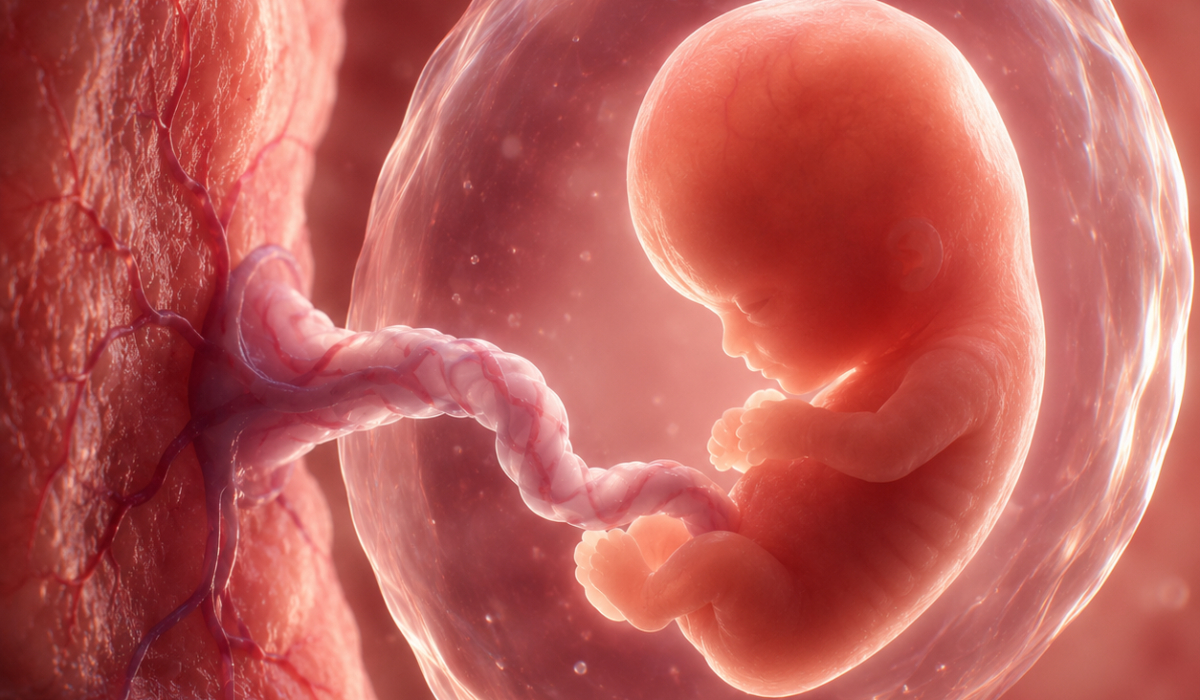
At 2 months pregnant, your baby is still very small, but development is happening rapidly. This stage is crucial because the baby’s organs and body structures are forming.
During these weeks, the embryo is changing quickly from a simple cluster of cells into a tiny baby with recognizable features. This is why the early weeks of pregnancy are so important for prenatal vitamins, healthy habits, and medical follow-up.
Even though you may not see much on the outside yet, a lot is happening inside during 2 months pregnant.
Baby Size
By the end of 2 months, your baby is about the size of a raspberry or small bean, depending on the exact week of pregnancy.
Even though the embryo is tiny, the changes happening now are major. The foundation for many organs and body systems is being laid during this brief period.
Major Development Changes
During this time, your baby is developing:
- The brain and spinal cord
- The heart, which is already beating
- Arms and legs
- Hands and feet
- Early facial features
- Eyes, ears, and nose
- Basic internal organs
The heart is one of the most important developments during this stage. It begins working very early and may already be visible on an ultrasound, depending on how far along you are.
The tiny limbs are also starting to form. At first they look like small buds, but they will continue to grow and separate into arms, legs, hands, and feet over the coming weeks.
Heartbeat
By around 6 to 8 weeks, the baby’s heart is developing quickly and may already be detectable on an ultrasound. This is often a reassuring milestone for parents.
For many families, hearing or seeing that first heartbeat can make the pregnancy feel more real. It is also one of the reasons early prenatal care matters so much.
Movement
Your baby is beginning to move, but you will not feel it yet. These tiny movements are visible only on ultrasound at this stage.
Although you cannot sense the movement now, your baby is already active in a tiny way. The muscles and nerves are continuing to develop, which will eventually lead to the first fluttering kicks later in pregnancy.
What You May Feel Emotionally at 2 Months Pregnant
Early pregnancy is not just physical. Emotionally, many women feel a mix of excitement, anxiety, joy, and uncertainty.
You may be:
- Happy to see a positive pregnancy test
- Nervous about whether everything is progressing normally
- Overwhelmed by symptoms
- Eager for your first prenatal appointment
- Adjusting to the reality of pregnancy
All of these feelings are normal. It can help to talk with your partner, a trusted friend, or your healthcare provider if you feel anxious.
Some people also feel pressure to “feel pregnant” in a certain way, but there is no single emotional experience that defines this stage. You may feel joyful and uncertain at the same time, and both can be true.
What to Expect at Your First Prenatal Visit
If you have not already had one, your first prenatal appointment often happens around this stage or soon after.
During the visit, your doctor may:
- Confirm the pregnancy
- Estimate how far along you are
- Review your medical history
- Ask about symptoms
- Order blood tests and urine tests
- Check your weight and blood pressure
- Discuss vitamins and healthy habits
- Schedule your first ultrasound if needed
This appointment is an important step in making sure both you and your baby are healthy. For additional guidance on early prenatal care, the American College of Obstetricians and Gynecologists’ nutrition during pregnancy guidance is a helpful evidence-based resource.
Your provider may also talk with you about your due date, past pregnancies, medications, and any medical conditions that could affect pregnancy care. If you have questions, bring them with you so you do not forget anything during the appointment.
Important Things to Do at 2 Months Pregnant
Start or Continue Taking Prenatal Vitamins
Prenatal vitamins usually contain folic acid, iron, calcium, and other nutrients that support your baby’s development. Folic acid is especially important in early pregnancy because it helps reduce the risk of neural tube defects.
If your prenatal vitamin makes you feel nauseous, try taking it with food or before bed. If it still upsets your stomach, ask your doctor whether a different brand or form may be a better fit.
Eat Nutritious Foods
Try to eat a balanced diet that includes:
- Fruits and vegetables
- Whole grains
- Lean protein
- Dairy or calcium-rich alternatives
- Healthy fats
If nausea makes eating difficult, try small meals and bland foods.
Examples that are often easier to tolerate include crackers, toast, rice, bananas, applesauce, soup, yogurt, and plain pasta. These simple foods can help you get through a rough morning or an off day without forcing heavy meals.
Stay Hydrated
Drinking enough water can help with fatigue, constipation, and dehydration from vomiting.
If plain water is hard to drink, try sipping cold water, adding lemon, or using broth, herbal teas that are considered pregnancy-safe, or foods with high water content such as melon and cucumbers.
Avoid Harmful Substances
If you are pregnant, avoid:
- Alcohol
- Smoking
- Recreational drugs
- Unapproved medications
- Raw or undercooked foods that may carry bacteria
Always check with your doctor before taking any medicine or supplement.
If you are unsure whether a product is safe, ask your pharmacist or healthcare provider before using it. This includes over-the-counter pain relievers, herbal products, and some cold or allergy medications.
Rest When Needed
Your body is doing a lot right now. Resting when you feel tired is important.
Short naps, earlier bedtimes, and lighter schedules can make a big difference. If you are working or caring for other children, try to build in small moments to sit, eat, and drink water throughout the day.
Stay Active if Approved
Light exercise such as walking or prenatal yoga may help with energy, mood, and digestion. Ask your doctor if it’s safe for you.
If you were active before pregnancy, you may be able to continue many of the same activities with some adjustments. The key is to listen to your body and avoid anything that causes pain, dizziness, or excessive strain.
Track Your Symptoms
Keeping a simple note of nausea, spotting, cramping, or food aversions can help you notice patterns and share clear details with your provider. It can also be reassuring to see what changes are improving from one week to the next.
A few quick notes in your phone or on paper can be enough. You do not need a complicated system; consistency matters more than detail.
When you are 2 months pregnant, symptom tracking can also help you spot what foods, smells, or times of day seem to trigger nausea.
Prepare Questions for Your Doctor
If this is your first pregnancy or you are unsure about what is normal, write down questions before your appointment. You might ask about exercise, travel, medications, genetic testing, and what symptoms should prompt a call.
You can also ask when your next scan or blood test might happen, what foods to avoid, and whether any of your current supplements need to change during pregnancy.
When to Call a Doctor
Some early pregnancy symptoms are normal, but certain signs need medical attention.
Contact your healthcare provider if you have:
- Heavy bleeding
- Severe abdominal pain
- Severe vomiting that prevents you from keeping fluids down
- Fever
- Dizziness or fainting
- Pain or burning when urinating
- Sudden swelling or severe headaches
It’s always better to ask if something feels wrong.
If you ever have symptoms that feel urgent or severe, do not wait for your next appointment. Quick medical advice can help rule out problems and give you peace of mind.
Is It Normal to Not Have Symptoms at 2 Months Pregnant?
Yes. Some women have very few symptoms in early pregnancy. Lack of symptoms does not automatically mean something is wrong. Every pregnancy is different.
Some women feel strong symptoms early, while others feel almost nothing until later. If you are concerned, your doctor can evaluate your pregnancy and reassure you.
In fact, symptom intensity can vary widely from one pregnancy to another, even for the same person. The presence or absence of nausea, breast tenderness, or fatigue is not a reliable way to judge how a pregnancy is progressing.
Frequently Asked Questions About Being 2 Months Pregnant
How many weeks is 2 months pregnant?
Two months pregnant is usually around 6 to 8 weeks pregnant.
Can you see a baby at 2 months pregnant?
The baby is still very small, but an ultrasound may show a tiny embryo and possibly a heartbeat.
Is it normal to have cramps at 2 months pregnant?
Yes, mild cramping can be normal as the uterus grows. Severe pain or cramping with heavy bleeding should be checked right away.
What should I eat when 2 months pregnant?
Focus on balanced meals with fruits, vegetables, protein, whole grains, and plenty of water. Small, frequent meals may help if you feel nauseous.
When should I have my first ultrasound?
Many people have their first ultrasound in the first trimester, often between 6 and 12 weeks, depending on medical history and symptoms.
Can I travel at this stage?
Many people can travel in early pregnancy if they feel well and their doctor has no concerns. It is best to check before long trips, especially if you have bleeding, pain, or a history of pregnancy complications.
What if my nausea is mild or comes and goes?
Mild or inconsistent nausea can still be completely normal. Some days may feel easier than others, and symptoms often change as hormone levels rise.
Should I be worried if I do not feel pregnant yet?
Not necessarily. Some people do not feel strong symptoms at all in the first two months. If you have had a positive test and want reassurance, your doctor can help confirm that everything is progressing as expected.
Final Thoughts
Being 2 months pregnant is a time of rapid change for both you and your baby. Common symptoms like nausea, fatigue, breast tenderness, and frequent urination are normal signs that your body is adjusting to pregnancy. At the same time, your baby is growing quickly, with the heart, brain, limbs, and other major organs developing.
Knowing what to expect can make this stage feel less uncertain. If you have concerns about symptoms, bleeding, or pain, reach out to your healthcare provider for guidance. Early prenatal care, healthy habits, and rest can help support a healthy pregnancy from the very beginning.
If you want to read more about early pregnancy nutrition from a trusted source, you can also review the March of Dimes guide to eating well during pregnancy.
With the right care and support, 2 months pregnant can become a reassuring milestone rather than a confusing one.