At 14 weeks pregnant, you are entering the second trimester, and for many people, this is when pregnancy starts to feel a little more manageable. Early pregnancy symptoms may begin to ease, energy can improve, and your baby is growing quickly. If you’ve been wondering what changes are happening in your body, how your baby is developing, and what symptoms are normal this week, this guide covers everything you need to know.
- What Does 14 Weeks Pregnant Mean?
- Baby Development at 14 Weeks Pregnant
- Your Body at 14 Weeks Pregnant
- Common Symptoms at 14 Weeks Pregnant
- Is It Normal to Feel Better at 14 Weeks Pregnant?
- Pregnancy Belly at 14 Weeks
- Can You Feel the Baby Move at 14 Weeks?
- What Happens at a 14-Week Ultrasound?
- What to Eat at 14 Weeks Pregnant
- What to Avoid at 14 Weeks Pregnant
- Prenatal Care at 14 Weeks
- Emotional Changes at 14 Weeks Pregnant
- When to Call Your Doctor
- Tips for Feeling Better at 14 Weeks Pregnant
- Frequently Asked Questions About 14 Weeks Pregnant
- The Bottom Line
What Does 14 Weeks Pregnant Mean?
Being 14 weeks pregnant means you are about three and a half months along. You have likely moved past the most intense part of the first trimester, and your pregnancy is now in the second trimester.
At this point:
- Your baby is growing rapidly
- Your uterus is expanding
- Hormone levels are starting to stabilize
- Some early pregnancy symptoms may begin to improve
For many pregnant people, week 14 is a turning point. Morning sickness may be less severe, food aversions may ease, and energy levels may start to return. If you are comparing your symptoms with someone else’s, it helps to remember that pregnancy changes can vary a lot from one person to the next.
This stage is also a good time to start planning ahead for the second trimester. That may include scheduling upcoming prenatal visits, thinking about nutrition and hydration, and getting familiar with the tests or screenings your provider may recommend later in pregnancy. If you want to read about another week close to this one, you may also find this guide to 13 weeks pregnant helpful.
Baby Development at 14 Weeks Pregnant
At 14 weeks, your baby is becoming more active and more recognizable as a tiny human. Even though your baby is still very small, major development is happening.
Baby size at 14 weeks
Your baby is about the size of:
- A lemon
- A peach
- Around 3.5 inches long from head to bottom
- Roughly 1 ounce in weight
That size may sound tiny, but the body is changing quickly. The head is still large compared with the rest of the body, and the limbs are lengthening as the fetus continues to grow. Internal organs are also becoming more developed and functional.
What is happening with your baby this week?
Some important developments at 14 weeks include:
- Facial features becoming more defined: Eyes and ears continue to move into place.
- Body movement: Your baby is moving arms, legs, fingers, and toes, though you probably cannot feel it yet.
- Bone development: The skeleton is continuing to harden.
- Fine hair forming: Soft hair called lanugo may begin to grow on the body.
- Swallowing and sucking practice: Your baby may begin practicing these reflexes.
- Organs maturing: The liver, kidneys, and spleen are working as development continues.
Although your baby is still tiny, this week is an important stage of growth. The placenta is also doing more of the work of supporting your baby’s needs, which is one reason many people begin to feel a little better as the second trimester begins.
For a broader overview of fetal growth and pregnancy timing, see the March of Dimes pregnancy week-by-week guide.
Your Body at 14 Weeks Pregnant
Your body is working hard to support pregnancy, and you may notice several changes this week. Some symptoms may improve, while others may become more noticeable as your belly grows.
Common body changes at 14 weeks
You may experience:
- A growing bump
- Fuller breasts
- Less nausea for some people
- Increased appetite
- More energy
- Mild headaches
- Dizziness
- Nasal congestion
- Skin changes
- Round ligament pain
Every pregnancy is different, so your experience may not match someone else’s exactly. Some people feel a dramatic shift in the second trimester, while others only notice a gradual change over several weeks.
You may also notice that your clothes fit differently. Waistbands can feel tighter, bras may need more support, and you may prefer softer fabrics or looser tops. These small changes are normal as your body makes room for pregnancy.
Even if you are feeling better overall, your body is still doing significant work. Extra blood volume, hormone shifts, and changes in digestion can all affect how you feel from one day to the next.
Common Symptoms at 14 Weeks Pregnant
Here are the symptoms many people notice during week 14.
1. Reduced nausea
One of the most welcome changes for many people is that morning sickness begins to improve around this time. You may still feel nauseous occasionally, but it may not be as constant or severe as before.
Some people still have triggers such as strong smells, skipped meals, or certain textures. If nausea is lingering, eating small snacks and staying hydrated can help. If vomiting is frequent or you cannot keep fluids down, talk to your healthcare provider.
For many people, 14 weeks pregnant is the point when nausea starts to ease enough to make meals feel more manageable again.
2. More energy
Many people notice a boost in energy during the second trimester. If you felt exhausted in early pregnancy, you may now begin to feel more like yourself. That said, energy levels can still come and go.
Try to use the extra energy in a way that supports you, not in a way that drains you. A little movement, a short walk, or organizing your schedule may feel manageable now, but rest still matters.
3. Increased appetite
As nausea fades, your appetite may return. It is common to feel hungrier, and you may need to eat more often to stay comfortable and energized.
Focus on meals and snacks that combine protein, fiber, and healthy fats. That can help you feel full longer and avoid sharp dips in energy. Simple options like yogurt with fruit, whole-grain toast with nut butter, or hummus with vegetables can be satisfying and practical.
Eating well while 14 weeks pregnant does not need to mean perfect meals; steady, balanced choices matter more than strict rules.
4. Growing belly
Your uterus is expanding, and your abdomen may start to look more rounded. Some people notice a visible baby bump around this time, especially in a first or second pregnancy.
Not every bump looks the same. Some people carry more low in the belly, while others notice fullness higher up or around the waist. What matters most is that your body is changing in a healthy, gradual way.
5. Breast changes
Your breasts may remain tender, fuller, or larger than usual. The areolas may also darken as pregnancy progresses.
Supportive bras and comfortable fabrics can make a difference. If your breasts feel sore, it may help to avoid underwire if it feels restrictive and choose a bra that gives gentle support without pressure.
6. Round ligament pain
As the uterus grows, you might feel sharp or pulling pain on one or both sides of your lower belly. This is often caused by stretching ligaments and is usually normal.
It can happen when you change position quickly, cough, laugh, or stand up after sitting for a while. Moving more slowly and supporting your belly with your hands when you rise can sometimes make it less noticeable.
7. Constipation and bloating
Hormonal changes can slow digestion, which may cause constipation, gas, or bloating. Drinking enough water and eating fiber-rich foods can help.
Fruits, vegetables, oats, beans, and whole grains are all good choices. Gentle activity such as walking can also support digestion.
8. Headaches
Pregnancy hormones, dehydration, hunger, or fatigue can contribute to headaches. If headaches are severe or frequent, talk to your healthcare provider.
Headaches sometimes improve with rest, fluids, and regular meals. However, if a headache feels different from your usual pattern, is intense, or comes with vision changes, it should be checked promptly.
9. Nasal congestion or nosebleeds
Increased blood flow and hormone changes can cause swelling in the nasal passages, leading to congestion or occasional nosebleeds.
Using a humidifier, drinking enough water, and avoiding harsh nasal irritants may help. If nosebleeds are heavy or frequent, mention them at your next prenatal visit.
10. Skin changes
You may notice changes such as:
- A pregnancy glow
- Darkened patches on the skin
- A dark line down the belly, called linea nigra
- Acne or oilier skin
These changes are often related to hormones and are generally harmless. Some skin changes fade after birth, while others may take longer.
Is It Normal to Feel Better at 14 Weeks Pregnant?
Yes, it is very common to feel better around 14 weeks pregnant. Many people find that the second trimester is easier than the first trimester because nausea decreases, energy improves, and emotional stability may feel better as hormone levels settle.
That said, not everyone feels a dramatic improvement right away. Some symptoms can continue into the second trimester, and that is still normal.
If you are still feeling tired or queasy, it does not mean anything is wrong. Pregnancy is not a straight line, and it is normal to have a few better days followed by a day that feels more difficult again.
Pregnancy Belly at 14 Weeks
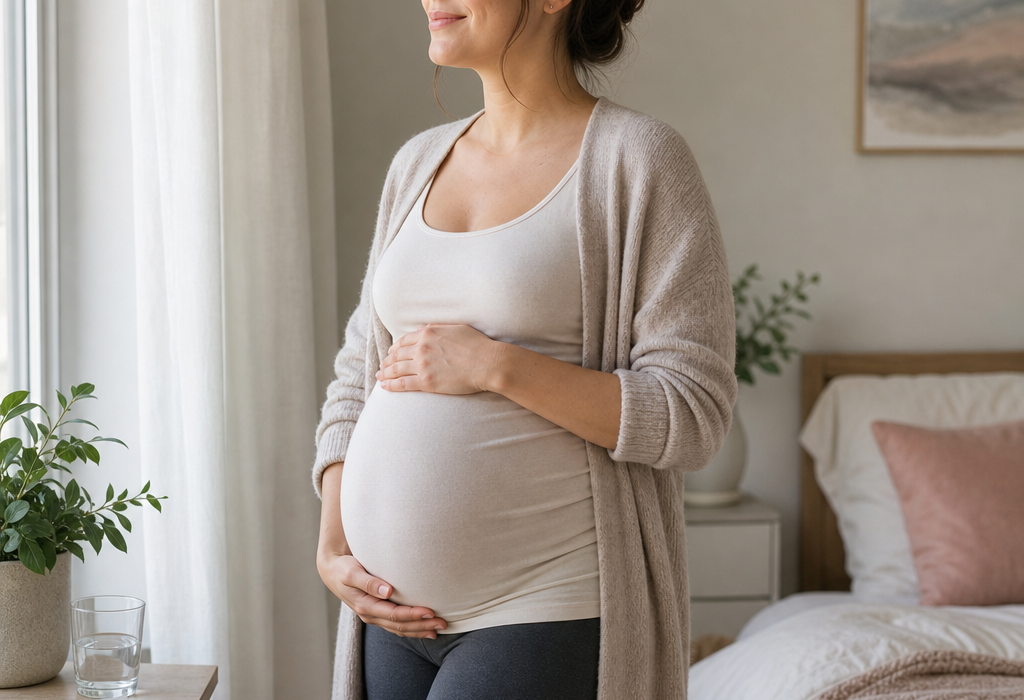
At 14 weeks, your belly may start to become more noticeable, but not everyone will have a visible bump yet.
Whether your bump shows depends on several factors:
- Whether this is your first pregnancy
- Your body type
- Your uterus position
- Muscle tone
- Whether you are carrying one baby or multiples
Some people may still look mostly unchanged, while others may already need looser clothing.
It is also common to confuse bloating with a baby bump in the early second trimester. Bloating often comes and goes throughout the day, while a true bump tends to feel more consistent over time.
If you are curious about how the next stage compares, the article on 13 weeks pregnant can help readers understand how pregnancy symptoms evolve from one week to the next.
Can You Feel the Baby Move at 14 Weeks?
Most people cannot feel fetal movement at 14 weeks, especially if this is their first pregnancy. The baby is moving, but the movements are usually too small and subtle to notice.
If you have been pregnant before, you may feel movement a little earlier, sometimes around 16 to 18 weeks. First-time pregnancies often feel movement later, usually closer to 18 to 22 weeks.
When movement does begin, it may feel like fluttering, bubbles, or gentle taps. At first, it can be easy to mistake these sensations for gas or muscle twitches.
For most readers, 14 weeks pregnant is still too early to notice clear kicks, even though baby movement is already happening.
What Happens at a 14-Week Ultrasound?
Not everyone has an ultrasound at 14 weeks, but if you do, it may provide an exciting look at your baby’s development.
A 14-week ultrasound may show:
- Baby’s heartbeat
- Basic body structure
- Movement
- Head, limbs, and facial features
- Placenta location
- Number of babies if applicable
Some providers may also use this time to check growth and confirm your due date if it hasn’t already been set.
Depending on where you receive prenatal care, your provider may talk with you about future screening options as well. For general information on pregnancy testing and prenatal care, the American College of Obstetricians and Gynecologists offers reliable patient education.
What to Eat at 14 Weeks Pregnant
Nutrition remains important during the second trimester. Now that your appetite may be improving, this is a good time to focus on balanced meals.
Healthy pregnancy eating tips
Try to include:
- Protein: eggs, beans, poultry, fish, tofu, yogurt
- Complex carbohydrates: whole grains, oats, brown rice, sweet potatoes
- Healthy fats: avocado, nuts, seeds, olive oil
- Fruits and vegetables: for vitamins, minerals, and fiber
- Iron-rich foods: lean meats, lentils, spinach, fortified cereals
- Calcium sources: milk, cheese, yogurt, fortified plant milks
Key nutrients at 14 weeks
Some nutrients are especially important during pregnancy:
- Folate for baby’s development
- Iron to support blood volume
- Calcium for bones and teeth
- Protein for growth
- Omega-3 fatty acids for brain development
- Vitamin D for calcium absorption and immune support
If you are taking a prenatal vitamin, continue as directed by your healthcare provider.
Hydration matters too. Water supports digestion, helps with circulation, and may reduce headaches and dizziness. If plain water is hard to drink, try flavored water, ice chips, or foods with high water content such as oranges, cucumbers, melons, and soups.
It can also help to think about meal timing. Eating every few hours may reduce nausea and keep your blood sugar steadier. If you are busy, keep simple snacks on hand so you are not stuck going too long without food.
At 14 weeks pregnant, small changes in how you eat can make the day feel much steadier.
What to Avoid at 14 Weeks Pregnant
It is still important to avoid things that can increase pregnancy risk.
Common things to avoid include:
- Alcohol
- Smoking or vaping
- Recreational drugs
- Raw or undercooked meat and eggs
- Unpasteurized dairy products
- High-mercury fish
- Excess caffeine
- Certain medications unless approved by your doctor
If you are unsure whether something is safe, check with your healthcare provider before using it.
You can also reduce food safety risks by washing produce well, cooking meats thoroughly, and paying attention to expiration dates on refrigerated foods. These small habits matter during pregnancy.
Prenatal Care at 14 Weeks
During the second trimester, your prenatal care continues to track both your health and your baby’s growth.
Your provider may:
- Check your blood pressure
- Track your weight
- Measure your abdomen
- Listen for the fetal heartbeat
- Review symptoms
- Discuss prenatal testing if needed
If you have not had your first trimester screening or blood work, your provider may still bring up testing options depending on timing and your care plan.
Appointments in this phase often feel a little more reassuring because there is usually more to measure and more to see. This is a good time to bring questions about symptoms, exercise, travel, work, or supplements so your care stays personalized.
It can help to bring a short note on your phone with the symptoms you’ve noticed since your last visit. That way, you won’t forget anything important once you are in the appointment.
Emotional Changes at 14 Weeks Pregnant
Second trimester hormones may feel more stable than in early pregnancy, but emotions can still shift. You may feel:
- More relaxed
- More hopeful
- More excited
- Still anxious about pregnancy or birth
- Sensitive or tired some days
Pregnancy can be emotionally complex, and it is normal to have mixed feelings even if you are feeling physically better.
Some people also notice they begin thinking more about practical planning around this time, such as maternity leave, nursery ideas, or birth preferences. Others prefer to take things one week at a time. Both approaches are perfectly valid.
When to Call Your Doctor
Most changes at 14 weeks are normal, but some symptoms should be checked by a healthcare provider.
Call your doctor if you have:
- Heavy bleeding
- Severe abdominal pain
- Strong cramping
- Fever
- Persistent vomiting
- Painful urination
- Severe headache
- Vision changes
- Swelling in the face or hands
- Fluid leaking from the vagina
- Decreased pregnancy symptoms that worry you, especially if combined with pain or bleeding
If something feels off, it is always better to ask.
Trust your instincts. If a symptom seems sudden, intense, or different from what you have been experiencing, contacting your provider is the safest choice.
Tips for Feeling Better at 14 Weeks Pregnant
If you want to stay comfortable and support your body this week, these tips may help.
1. Eat smaller meals more often
This can help with nausea, bloating, and hunger swings.
2. Drink plenty of water
Staying hydrated may reduce headaches, constipation, and dizziness.
3. Rest when you need to
Even if your energy is improving, pregnancy still requires a lot from your body.
4. Move gently
Walking, prenatal yoga, and stretching may help with circulation, digestion, and mood.
5. Wear comfortable clothing
Looser waistbands and supportive bras can make a big difference.
6. Keep taking prenatal vitamins
They help fill nutritional gaps during pregnancy.
7. Monitor symptoms
Notice what feels normal for you so you can spot changes more easily.
It can also help to build a simple routine around sleep, meals, and hydration. Small, steady habits are often easier to maintain than big lifestyle changes, especially when pregnancy fatigue still comes and goes.
If you want a broader look at other pregnancy-related health topics, the article on CGM for Diabetes: 39 New CGMs for Diabetes Best Picks for 2026 may be useful for readers managing blood sugar concerns during pregnancy or beyond.
Frequently Asked Questions About 14 Weeks Pregnant
Is 14 weeks pregnant still first trimester?
No, 14 weeks pregnant is usually considered the beginning of the second trimester.
Is it normal to have no symptoms at 14 weeks?
Yes. Some people notice symptoms fading by this point, and that can be completely normal.
Can I lie on my stomach at 14 weeks pregnant?
In many cases, yes, if it still feels comfortable. As your belly grows, this will likely become less comfortable.
Is it normal to gain weight at 14 weeks?
Yes, gradual weight gain is normal during pregnancy. The amount varies from person to person.
Can I exercise at 14 weeks pregnant?
For many people, moderate exercise is safe and beneficial during pregnancy, but you should follow your healthcare provider’s guidance.
Should I be worried if my bump is not showing yet?
Not usually. Bump timing varies widely, and many healthy pregnancies do not show clearly until later in the second trimester. If you have concerns about growth or symptoms, your provider can give you reassurance at your next visit.
What if I still feel tired at 14 weeks?
Some fatigue can continue into the second trimester, especially if you are not sleeping well, are not eating regularly, or have other responsibilities that drain your energy. Gentle rest and regular meals may help, but mention ongoing severe tiredness to your provider.
Can constipation get worse in the second trimester?
Yes. Pregnancy hormones and iron supplements can both slow digestion. Drinking more water, eating fiber, and moving regularly can help reduce discomfort.
The Bottom Line
At 14 weeks pregnant, you may be entering a more comfortable phase of pregnancy. Morning sickness often starts to fade, energy may improve, and your baby is growing rapidly. Your body is changing as your uterus expands, and it is normal to notice a bump beginning to form.
This week is a good time to focus on balanced nutrition, hydration, rest, and prenatal care. While many symptoms are improving, stay alert for anything unusual and contact your healthcare provider if you have concerns.
Week 14 is often the start of a new rhythm in pregnancy, and for many people, it brings relief, reassurance, and excitement about what is still to come. If you are looking ahead to the next stage, reading about 13 weeks pregnant can also give helpful context for how quickly things change in early pregnancy.