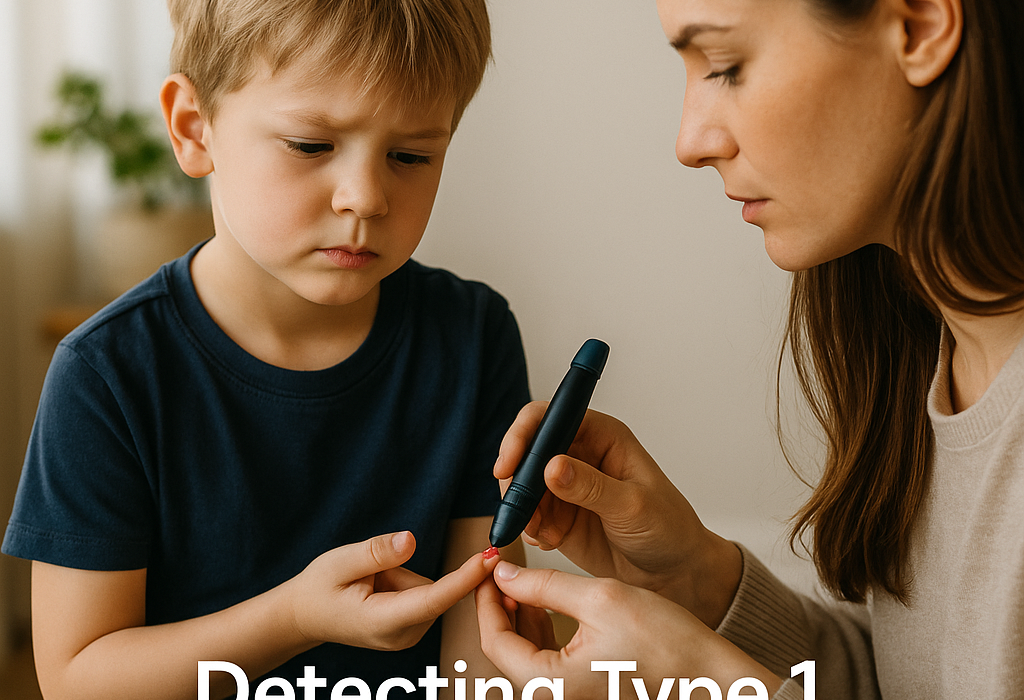
Type 1 diabetes symptoms in children often develop quickly, and the early changes can be easy to miss or mistake for something less serious. Parents and caregivers who know what to look for may be able to spot the warning signs sooner and get medical help before the child becomes very sick.
The main early signs of type 1 diabetes symptoms in children usually include increased thirst, frequent urination, unusual hunger, weight loss, fatigue, and blurred vision. Some children also develop irritability, bedwetting after being dry at night, or symptoms that look like a stomach bug. Recognizing these changes early is important because untreated type 1 diabetes can become a medical emergency.
- What is type 1 diabetes?
- Why early detection matters
- Key early signs of type 1 diabetes in children
- Symptoms of diabetic ketoacidosis in children
- How symptoms may look by age
- When to call a doctor
- How type 1 diabetes is diagnosed
- Common questions parents ask
- What parents should watch for
- The bottom line
What is type 1 diabetes?
Type 1 diabetes is an autoimmune condition. In this disease, the body’s immune system attacks the insulin-producing cells in the pancreas. Insulin is the hormone that helps sugar move from the blood into the body’s cells for energy.
When the body does not make enough insulin, glucose builds up in the blood instead of being used properly. This leads to high blood sugar and the symptoms of diabetes.
Type 1 diabetes is not caused by eating too much sugar, and it is not something a child “catches.” It can happen at any age, but it is commonly diagnosed in children, teens, and young adults. For a broader overview of the condition, you can also read Type 1 diabetes: Ask Dmine: What Type of Diabetes Do You Have?.
In practical terms, the body is losing its ability to use glucose for fuel. That is why the warning signs can look like dehydration, hunger, tiredness, or sudden changes in behavior. The pattern matters more than any single symptom, especially when several changes happen together.
Why early detection matters
Type 1 diabetes can worsen rapidly, sometimes over days or weeks. A child may seem healthy at first, then develop obvious symptoms quickly. That fast progression is one reason families and schools should pay attention to repeated or unusual symptoms, not just a single bad day.
Early detection matters because it can help prevent:
- Severe dehydration
- Diabetic ketoacidosis (DKA), a life-threatening emergency
- Hospitalization
- Delayed treatment and complications
If a child shows several warning signs of diabetes, they should be evaluated by a healthcare professional as soon as possible. Getting checked early can help a child start treatment before they become dangerously ill and can also reduce the stress of an emergency hospital visit.
It also helps families understand what is happening. A child who suddenly seems thirsty all the time or starts waking up at night to urinate may not be “going through a phase.” These changes can be the first clues that the body is under strain.
Key early signs of type 1 diabetes in children
1. Increased thirst
One of the most common early type 1 diabetes symptoms is drinking much more than usual. A child may constantly ask for water or finish drinks very quickly.
This happens because the body tries to flush out excess sugar through urine, which causes dehydration and makes the child feel thirsty. Parents may notice a child carrying a water bottle everywhere or asking for drinks even shortly after finishing one.
2. Frequent urination
A child with type 1 diabetes may need to urinate more often than usual, including waking up several times at night to use the bathroom.
Parents may notice:
- More trips to the bathroom
- Soaking through diapers faster than usual
- New bedwetting in a child who was previously dry at night
Frequent urination often goes hand in hand with increased thirst. When the body tries to get rid of excess glucose, it loses more fluid, which creates a cycle of dehydration and thirst.
3. Unexpected weight loss
Even if a child is eating normally or eating more than usual, they may lose weight quickly.
This happens because the body cannot use glucose properly for energy, so it starts breaking down fat and muscle instead.
Unexplained weight loss in a child should always be taken seriously, especially if it happens along with thirst and frequent urination. It can be subtle at first, such as clothes fitting looser or a child looking thinner in the face.
4. Increased hunger
Some children with type 1 diabetes feel hungrier than usual because their bodies are not getting energy from the glucose in their blood.
They may:
- Ask for snacks more often
- Seem hungry soon after meals
- Eat larger portions but still lose weight
This symptom can be confusing because it may seem like the child is simply going through a growth spurt. When hunger is paired with weight loss, thirst, and urination changes, it deserves closer attention.
5. Fatigue and low energy
A child with type 1 diabetes may seem unusually tired, sluggish, or less interested in play and normal activities.
Because the body cannot use glucose efficiently, the child may not have enough energy even after eating.
Signs of fatigue may include:
- Sleeping more than usual
- Low enthusiasm for school or play
- Trouble keeping up with usual routines
- Appearing weak or “not themselves”
Fatigue can be easy to overlook, especially in busy households. But when a child’s energy changes along with thirst and urination, it is worth asking whether a medical issue could be involved.
6. Blurred vision
High blood sugar can affect the fluid balance in the eyes and cause blurry vision.
Younger children may not be able to explain this clearly, but they might:
- Rub their eyes often
- Hold books or screens close
- Complain that they cannot see well
- Have trouble focusing in school
Because children often do not describe vision problems in detail, adults may only see the side effects, such as frustration while reading or increased difficulty with schoolwork.
7. Irritability or mood changes
Children with undiagnosed type 1 diabetes may become unusually irritable, moody, or hard to comfort.
This is often related to how the body feels when blood sugar is high or fluctuating. A child who is not yet able to explain their symptoms may show distress through behavior changes instead.
Parents sometimes assume the child is overtired, stressed, or acting out. But if irritability appears with other type 1 diabetes symptoms, it may be part of the same pattern.
8. New bedwetting or accidents
If a child who was previously dry at night starts wetting the bed again, it can be an early warning sign of diabetes.
This symptom is especially important when it appears along with:
- Increased thirst
- Frequent urination
- Weight loss
Bedwetting alone does not mean a child has diabetes, but it should not be ignored if other symptoms are present.
9. Stomach pain, nausea, or vomiting
In some children, type 1 diabetes may first appear as a stomach illness. They may complain of:
- Belly pain
- Nausea
- Vomiting
- Loss of appetite
These symptoms can signal that blood sugar is very high and that diabetic ketoacidosis may be developing. This is a medical emergency.
When these symptoms are happening, do not wait for the child to “get over it” if thirst, frequent urination, or weight loss are also present. A quick evaluation can make a major difference.
Symptoms of diabetic ketoacidosis in children
Diabetic ketoacidosis, or DKA, is a serious complication that can happen when the body has little or no insulin. It can develop when type 1 diabetes is not yet diagnosed or not being treated properly.
Warning signs of DKA include:
- Deep, rapid breathing
- Fruity-smelling breath
- Severe tiredness or confusion
- Vomiting
- Severe stomach pain
- Dehydration
- Trouble waking up
If a child has these symptoms, seek emergency medical care immediately.
DKA can progress quickly, and the child may look much sicker than expected. If you suspect this emergency, it is safer to act right away rather than wait for symptoms to improve on their own.
For general patient education on preventing infection-related stress and other complications, this related article may also be useful: Diabetes and coronavirus: What Patients Need to Know.
How type 1 diabetes symptoms may look in infants and toddlers
In very young children, the signs may be harder to recognize. They cannot always describe thirst, blurry vision, or how they feel.
Possible signs in infants and toddlers include:
- Very wet diapers or frequent diaper changes
- Extreme thirst or drinking from bottles more often
- Weight loss or poor growth
- Fussiness or unusual irritability
- Fatigue
- Dehydration
- Vomiting
Parents may think the child has a stomach virus or teething issue, but persistent symptoms deserve prompt medical attention. In this age group, even small changes can matter because children can become dehydrated quickly.
It is also important to compare the child’s current pattern with what is normal for them. A sudden rise in thirst or diaper output, especially when it continues day after day, should not be dismissed.
How type 1 diabetes symptoms may look in school-age children
Older children may be able to describe some symptoms, but they might not connect them to a health problem.
Common signs in school-age children include:
- Constant thirst
- Frequent bathroom trips
- Nighttime urination
- Feeling tired at school
- Trouble concentrating
- Weight loss
- Hunger soon after eating
- Blurry vision
Teachers may also notice a child seems sleepy, distracted, or more irritable than usual.
Children in this age group may explain the symptoms in simple ways, such as feeling “weird,” having a dry mouth, or needing the bathroom more often. Those small comments can be valuable clues.
How to track symptoms at home
If you are concerned about type 1 diabetes symptoms, a simple symptom log can help you describe the problem clearly to a doctor. Write down when symptoms started, how often they happen, and whether they are getting worse.
Useful details include:
- How much the child is drinking
- How often they are urinating
- Any weight change
- Changes in appetite
- Energy level during the day
- Nighttime bathroom trips or bedwetting
- Any vomiting, stomach pain, or breathing changes
This kind of record can help a healthcare professional understand the urgency and decide what tests are needed. It can also help parents notice a pattern that might not be obvious from day to day.
If you are unsure whether symptoms are serious, ask yourself whether the child has a cluster of changes rather than just one isolated issue. Type 1 diabetes symptoms often show up together.
When to call a doctor
A child should be seen by a healthcare professional promptly if they have one or more of the following:
- Increased thirst
- Frequent urination
- Unexplained weight loss
- Persistent fatigue
- New bedwetting
- Blurred vision
- Increased hunger
If symptoms are happening together, especially thirst, urination, and weight loss, diabetes should be checked as soon as possible.
Do not wait to see if the symptoms go away on their own. Type 1 diabetes requires medical evaluation and treatment.
A good rule is to treat repeated symptoms as more important than one-time complaints. If the same changes keep coming back, a medical visit is the right next step.
When to seek emergency care
Get emergency help right away if a child has signs of diabetic ketoacidosis, such as:
- Vomiting
- Severe abdominal pain
- Fast, deep breathing
- Fruity breath
- Confusion
- Extreme drowsiness
- Trouble staying awake
These symptoms may mean the child’s body is in crisis and needs immediate treatment.
When in doubt, urgent care or emergency services are appropriate if the child seems dehydrated, weak, or mentally not quite right. Time matters when DKA is developing.
How type 1 diabetes is diagnosed
If a doctor suspects type 1 diabetes, they may order tests such as:
- Blood glucose test
- Hemoglobin A1C
- Urine test for glucose or ketones
- Blood tests for diabetes-related antibodies
These tests help confirm whether the child has diabetes and whether the body is making insulin.
Doctors may also look at the child’s hydration level and overall condition. If the child is already sick or showing signs of DKA, treatment may begin right away while testing is underway.
It can be helpful for parents to bring a list of symptoms, recent weight changes, and questions to the appointment. Clear notes can save time and ensure the main concerns are addressed.
What families can do while waiting for care
If you suspect type 1 diabetes symptoms and you are waiting to see a doctor, keep the child comfortable and monitor them closely. Offer water if they are thirsty unless a clinician tells you otherwise, and watch for vomiting, breathing changes, or worsening tiredness.
Do not rely on food, sports drinks, or rest alone to fix the problem. If the child is becoming sicker, seek urgent medical attention.
Families should also avoid blaming themselves. Type 1 diabetes is not caused by bad parenting or too much sugar. The priority is noticing the signs early and getting the child care as soon as possible.
Common questions parents ask
Is type 1 diabetes in children the same as type 2 diabetes?
No. Type 1 diabetes happens when the body stops making insulin. Type 2 diabetes is usually related to insulin resistance, where the body still makes insulin but does not use it effectively. They are different conditions and are treated differently.
Can type 1 diabetes be prevented?
At this time, there is no known way to prevent type 1 diabetes. It is not caused by diet, parenting, or lifestyle choices.
Do symptoms appear suddenly?
Yes, often they do. In children, symptoms can develop over a short period of time, sometimes within days or weeks.
Can a child have diabetes without obvious symptoms?
Yes. Some children have mild or subtle symptoms at first. That is why noticing small changes in drinking, urination, energy, and weight is so important.
Is bedwetting always a sign of diabetes?
No. Bedwetting can happen for many reasons. But if it starts suddenly in a child who was previously dry, and especially if it comes with thirst and weight loss, diabetes should be considered.
Should parents wait and see?
Not when several warning signs are happening at once. If a child has clear type 1 diabetes symptoms, it is better to contact a doctor promptly than to assume the symptoms will pass.
What parents should watch for
A helpful way to remember the main warning signs is to think about changes in:
- Thirst
- Urination
- Weight
- Energy
- Appetite
- Vision
- Behavior
When several of these change at the same time, it is worth checking with a doctor.
Parents who want a separate perspective on pediatric diabetes signs may find it useful to compare symptom patterns with other patient stories, such as Diabetes story: Raelynn Opens Up About Diabetes and Daily Life.
It can also help to remember that symptoms do not have to be dramatic to matter. A child who is slightly thirstier, waking once or twice at night, and more tired than usual may still be showing early signs that deserve attention.
Helpful external resource
For a trusted overview of diabetes warning signs and emergency symptoms, the National Institute of Diabetes and Digestive and Kidney Diseases provides a clear patient guide at NIDDK’s diabetes symptoms and causes page.
That resource can be especially helpful if you want to compare symptoms or understand when high blood sugar needs prompt medical care.
The bottom line
Detecting type 1 diabetes in children starts with recognizing the early signs: increased thirst, frequent urination, unexplained weight loss, hunger, fatigue, blurred vision, and new bedwetting. Because the condition can progress quickly, prompt medical attention is important whenever these symptoms appear.
If a child has symptoms of diabetic ketoacidosis, such as vomiting, deep breathing, or confusion, seek emergency care immediately. Early recognition and diagnosis can make a major difference in keeping a child safe and starting treatment as soon as possible.
Paying attention to the overall pattern is the key. When type 1 diabetes symptoms show up together, the safest step is to contact a healthcare professional without delay.