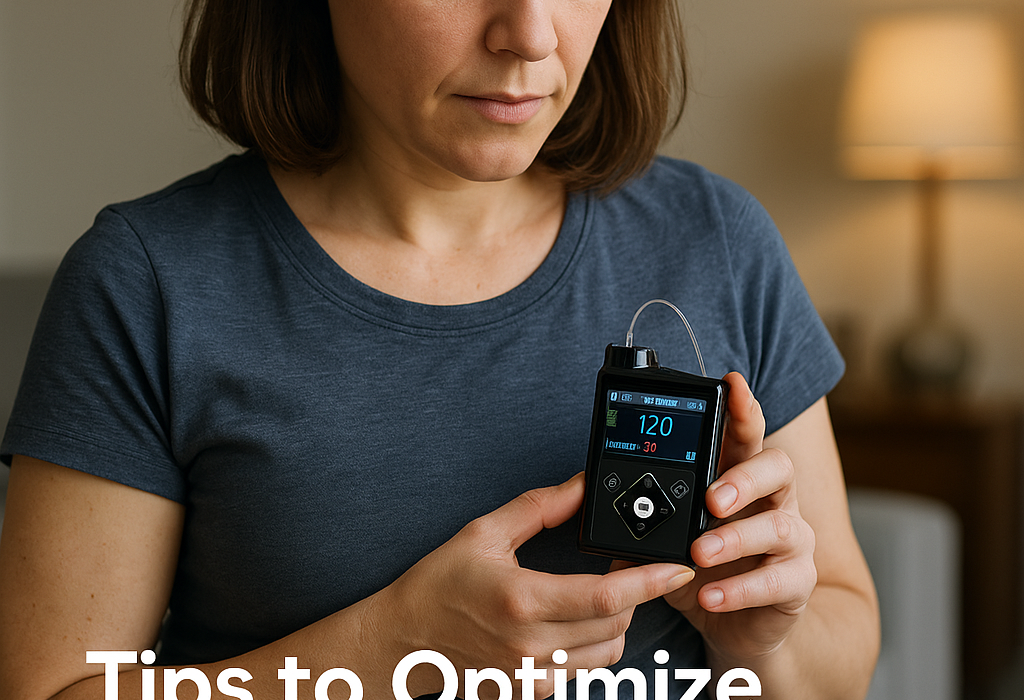
The Medtronic 670G optimization process can be a powerful tool for diabetes management, especially for people who want more consistent glucose control with less day-to-day guesswork. But getting the best results from the system takes more than simply wearing the device. To truly optimize your Medtronic 670G optimization, you need to understand how the pump, CGM, and Auto Mode work together, then fine-tune the settings and habits that influence performance.
Table of Contents
This guide explains how to optimize the Medtronic 670G optimization in a practical, easy-to-follow way. It covers the most important settings, common issues, and simple habits that can improve time in range, reduce alarms, and help the system work more smoothly for your lifestyle.
For a broader overview of diabetes self-management principles, the American Diabetes Association offers a helpful patient education library at https://diabetes.org/living-with-diabetes.
What the Medtronic 670G optimization Does
The Medtronic MiniMed 670G is a hybrid closed-loop insulin pump system. That means it automatically adjusts basal insulin based on continuous glucose monitoring data, but it still requires you to enter carbs and give meal boluses.
Its main features include:
– Auto Mode, which adjusts basal insulin automatically
– Manual Mode, which lets you control basal delivery yourself
– Guardian Sensor 3, which provides glucose readings to the system
– SmartGuard technology, designed to help prevent highs and lows
Because it is a hybrid system, your results depend on both the technology and your daily management choices. Optimizing the 670G means improving both. The better your habits, the better your Medtronic 670G optimization is likely to be.
Start With the Right Expectations
Before changing settings, it helps to understand what the 670G can and cannot do. Realistic expectations make Medtronic 670G optimization more effective and less frustrating.
The 670G is not fully automatic
It can adjust basal insulin, but it does not automatically dose for meals. You still need to:
– Count carbohydrates accurately
– Bolus before meals when possible
– Respond to alerts and sensor prompts
– Maintain good sensor insertion and calibration habits
Auto Mode works best with consistency
The system performs best when your meals, calibration timing, and sensor use are consistent. Frequent interruptions, missed calibrations, or inaccurate carb entries can reduce performance. Consistency is one of the most overlooked parts of Medtronic 670G optimization.
Tips to Optimize Medtronic 670G Performance
1. Use Accurate Carb Counting
One of the most important ways to optimize the Medtronic 670G is to improve carbohydrate counting. Since the system does not handle meal boluses automatically, inaccurate carb entries can lead to glucose spikes or lows.
Helpful carb-counting tips:
– Measure portions when possible
– Learn common serving sizes
– Use nutrition labels carefully
– Pay attention to hidden carbs in sauces, drinks, and snacks
– Estimate cautiously when eating out
If you consistently undercount carbs, your glucose may run high after meals. If you overcount, you may get unnecessary insulin and go low later. Accurate carb counting remains the foundation of Medtronic 670G optimization.
2. Bolus Before Meals When Appropriate
Pre-bolusing, or giving insulin before eating, can help reduce post-meal spikes. In many cases, bolusing 10 to 20 minutes before a meal can improve glucose control, especially for meals higher in carbohydrates.
However, the exact timing depends on:
– Your current glucose level
– The type of food you are eating
– How quickly your body absorbs glucose
– Guidance from your healthcare provider
For example, a high-fat meal may digest more slowly than a meal with simple carbohydrates. In that case, timing may need to be adjusted. Better meal timing can make Medtronic 670G optimization feel more predictable.
3. Keep the Sensor Working Reliably
The Guardian Sensor 3 is central to Auto Mode performance. If the sensor is inaccurate or drops out, the system may exit Auto Mode or deliver less reliable adjustments.
To improve sensor performance:
– Insert the sensor in an approved site
– Follow insertion instructions carefully
– Keep the sensor securely taped down
– Avoid placing it in areas prone to compression during sleep
– Replace sensors on schedule
– Calibrate at the best times
A stable, accurate sensor helps the pump make better insulin decisions and supports Medtronic 670G optimization across the day and night.
4. Calibrate at the Right Times
Calibration quality matters a lot. Poor timing can affect sensor accuracy and increase the chance of alerts or Auto Mode exits.
Best calibration habits:
– Calibrate when glucose is steady
– Avoid calibrating during rapid rises or drops
– Wash and dry hands before testing
– Use a reliable blood glucose meter
– Follow the system’s calibration prompts
Calibrating during stable periods helps the sensor sync more accurately with your blood glucose. Reliable calibration is a small habit that can make a big difference in Medtronic 670G optimization.
5. Pay Attention to Alert Patterns
The 670G gives alerts for several reasons, including highs, lows, sensor issues, and calibration needs. Instead of just dismissing these alerts, look for patterns.
Ask yourself:
– Do alerts happen after certain meals?
– Are lows happening overnight?
– Is the sensor losing signal in specific situations?
– Are you getting frequent calibration requests?
Pattern recognition helps you identify what is affecting your glucose control. If alerts are repetitive, your settings or habits may need adjustment. Paying attention to patterns is a practical part of Medtronic 670G optimization.
6. Review Your Basal and Carb Ratio Settings
Although Auto Mode adjusts basal delivery, your pump settings still matter. Carb ratios, active insulin time, and correction settings can all influence results.
Important settings to review:
– Carb ratio: Affects how much insulin is given for meals
– Active insulin time: Influences correction bolus calculations
– Correction factors: Help determine how the pump responds to high glucose
– Basal rates in Manual Mode: Important if you leave Auto Mode
If meal boluses are consistently not enough or too much, your carb ratio may need adjustment. If corrections seem weak or overly aggressive, your correction settings may need review.
Always make changes with guidance from your diabetes care team. Safe Medtronic 670G optimization should never come at the expense of medical advice.
7. Reduce Sensor Compression at Night
Many people notice glucose alerts or inaccurate sensor readings during sleep. One common cause is sensor compression, which happens when pressure on the sensor site reduces signal accuracy.
To reduce compression:
– Avoid sleeping directly on the sensor
– Place the sensor in a site less likely to be compressed
– Use pillows or positional changes to keep weight off the sensor
– Check whether nighttime alarms are linked to sleep position
This simple adjustment can improve overnight consistency and support better Medtronic 670G optimization.
8. Keep Infusion Sites Healthy
Insulin delivery is only as good as the infusion site. If insulin absorption becomes inconsistent, glucose control can suffer even when Auto Mode is functioning properly.
Best infusion site practices:
– Rotate sites regularly
– Avoid using irritated or scarred areas
– Change infusion sets on schedule
– Watch for redness, pain, leakage, or occlusion
– Use proper insertion technique
Poor absorption can make it seem like the pump is not working correctly when the issue is actually site-related. Healthy sites are essential to Medtronic 670G optimization because the algorithm can only work with the insulin it receives.
9. Learn How to Handle Auto Mode Exits
The 670G may leave Auto Mode if it detects repeated issues such as missed calibrations, sensor problems, or delivery concerns. If this happens frequently, identify the cause quickly.
Common reasons for Auto Mode exits include:
– Sensor calibration problems
– Sensor signal loss
– Extreme glucose patterns
– Delivery interruptions
– Prolonged time without required interaction
To reduce exits:
– Respond to prompts promptly
– Calibrate on time
– Replace failing sensors early
– Confirm infusion site function
– Review trends with your care team
Staying in Auto Mode more consistently often improves overall control. Fewer exits usually mean stronger Medtronic 670G optimization and less daily frustration.
10. Use Meal Patterns to Your Advantage
The 670G can respond better when your eating habits are more predictable. You do not need to eat the same things every day, but identifying meal patterns can help.
For example:
– Breakfast may cause larger spikes than dinner
– High-fat meals may cause delayed highs
– Snacks may lead to stacking insulin if not tracked well
Once you know your common patterns, you can adjust bolus timing, carb estimates, and meal choices more effectively. Tracking patterns is one of the easiest ways to support Medtronic 670G optimization without overcomplicating the process.
11. Be Careful With High-Fat and High-Protein Meals
Foods that contain a lot of fat or protein can cause delayed glucose rises. Pizza, burgers, fried foods, and rich desserts may not spike immediately, but they can raise glucose later.
To manage these meals:
– Monitor your glucose closely after eating
– Review whether your insulin timing needs adjustment
– Discuss extended bolus strategies if appropriate
– Avoid assuming a meal is “safe” just because the first hour looks good
This is one of the most common reasons users think their pump is “not working” when the issue is actually delayed digestion. Meal composition matters a great deal in Medtronic 670G optimization.
12. Avoid Overreacting to Every Glucose Change
It can be tempting to correct every small rise or fall, but frequent overcorrection can cause instability. The 670G already adjusts basal insulin in Auto Mode, so stacking extra insulin too often may lead to lows.
Try to:
– Wait and observe trends before correcting
– Consider insulin on board
– Avoid repeated manual corrections too close together
– Use your care team’s correction guidance
Sometimes the best optimization strategy is patience, not more insulin. A calmer approach often works better for Medtronic 670G optimization than chasing every single number.
13. Monitor Time in Range, Not Just Single Readings
A single glucose reading does not show the full picture. To optimize the Medtronic 670G, look at broader patterns such as:
– Time in range
– Time above range
– Time below range
– Overnight trends
– Post-meal response
– Frequency of Auto Mode exits
These patterns tell you whether your system is working well overall. Small day-to-day variations are normal, but consistent trends point to useful changes. Time-in-range review is one of the most practical tools for Medtronic 670G optimization.
14. Make Sleep Routine Part of Pump Optimization
Nighttime is an important time to evaluate pump performance because glucose tends to be more stable without meals or activity. If your overnight readings are consistently off, consider:
– Dinner timing
– Late-night snacks
– Sensor placement
– Compression lows
– Basal settings in Manual Mode
– Correction habits before bed
A better nighttime routine can improve morning glucose and reduce overnight alarms. Sleep habits, sensor placement, and evening boluses all affect Medtronic 670G optimization.
15. Prepare for Exercise
Exercise can lower blood glucose, raise it, or do both depending on the type and intensity of activity. Because the 670G responds to current sensor data, exercise planning is important.
Helpful exercise tips:
– Check glucose before activity
– Carry fast-acting carbs
– Watch for delayed lows after exercise
– Discuss temporary adjustments with your care team
– Pay attention to how different workouts affect you
Aerobic exercise often lowers glucose, while intense anaerobic workouts may cause a temporary rise. Tracking your response helps you plan more accurately and improves Medtronic 670G optimization for active days.
16. Keep Supplies and Devices Ready
Optimization is easier when you are prepared. Running out of sensors, infusion sets, tapes, or batteries can disrupt your routine and reduce consistency.
Keep an organized supply system for:
– Sensors
– Infusion sets
– Reservoirs
– Adhesive or tape
– Meter strips
– Backup insulin and supplies
A simple inventory routine can prevent avoidable interruptions. Good preparation supports steady Medtronic 670G optimization and fewer last-minute problems.
17. Work With Your Diabetes Care Team
Some of the best optimization comes from professional review. Your endocrinologist, diabetes educator, or pump specialist can help interpret trends and make safe setting changes.
They may help with:
– Carb ratio adjustments
– Active insulin time review
– Correction factor changes
– Sensor troubleshooting
– Auto Mode challenges
– Meal and exercise strategies
If your control is frustrating or unpredictable, professional support can speed up improvement. Collaborative care often turns a decent setup into strong Medtronic 670G optimization.
18. Use Data Downloads to Spot Hidden Problems
Device reports can reveal issues that are easy to miss in day-to-day use. Reviewing downloaded data from the pump or CGM platform can help you connect the dots between meals, insulin delivery, and glucose trends.
Look for:
– Repeated highs after the same meal
– Overnight drops tied to certain bedtime snacks
– Sensor gaps at specific times of day
– Correction patterns that seem too weak or too aggressive
– Frequent Auto Mode exits clustered around certain routines
When you review data regularly, Medtronic 670G optimization becomes more targeted. Instead of guessing, you can make changes based on repeated evidence.
19. Keep Your Routine Simple Enough to Follow
Many users try to change too much at once. That can make it hard to know which adjustment actually helped. Simpler routines are often easier to maintain and easier to evaluate.
A simple approach may include:
– One or two setting changes at a time
– Consistent calibration habits
– Regular sensor checks
– Reliable pre-meal bolusing
– Weekly trend review
Keeping the process manageable is part of long-term Medtronic 670G optimization. When your routine is realistic, you are more likely to stick with it.
20. Be Patient With the Learning Curve
Like any diabetes technology, the 670G can take time to learn. New users often need several weeks to understand how the system responds to meals, exercise, sleep, and calibration habits.
During that learning period, focus on patterns rather than perfection. Small, consistent changes are more useful than trying to fix everything at once. Patience can make Medtronic 670G optimization feel less stressful and more sustainable.
Common Questions About Optimizing the Medtronic 670G
Why does my 670G keep leaving Auto Mode?
Frequent Auto Mode exits are often linked to calibration problems, sensor issues, or communication problems between the sensor and pump. Reviewing calibration timing, sensor placement, and infusion site function can help.
How can I reduce highs after meals?
The most effective steps are accurate carb counting, pre-bolusing when appropriate, and reviewing your carb ratio with your care team. Meal composition also matters, especially for high-fat meals.
Why am I getting so many alarms?
Frequent alarms may be due to sensor accuracy issues, missed calibrations, compression at night, or glucose patterns that need attention. Look for repeated triggers rather than treating each alarm separately.
Does Auto Mode mean I do not need to do anything?
No. The 670G still depends on user input, especially meal boluses, calibration, and sensor management. It reduces manual work, but it does not replace diabetes self-management.
What is the biggest mistake people make with the 670G?
One of the biggest mistakes is inaccurate carb counting. Since meals are not automatically covered by the system, poor carb estimates often lead to the most noticeable glucose swings.
How often should I review my settings?
There is no single schedule that works for everyone, but reviewing patterns every few weeks is a practical starting point. If you are making progress with Medtronic 670G optimization, keep notes so you can see what changed and what helped.
When to Ask for Help
You should contact your healthcare provider if you notice:
– Frequent unexplained highs or lows
– Repeated Auto Mode exits
– Ongoing sensor accuracy problems
– Infusion site irritation or suspected absorption issues
– Trouble identifying why your glucose is unstable
– Difficulty using the pump safely
If something does not seem right, it is better to review it early rather than wait. A quick check can prevent bigger setbacks in Medtronic 670G optimization.
Final Thoughts
Optimizing your Medtronic 670G comes down to combining good device use with strong daily habits. The most effective steps are accurate carb counting, reliable sensor use, proper calibration, healthy infusion sites, and careful attention to patterns over time. When these basics are in place, the system is more likely to work smoothly and help you achieve better glucose control.
The goal is not perfection. The goal is consistency. By making small, thoughtful improvements, you can get more value from the 670G and make diabetes management feel more predictable and manageable. With steady attention, Medtronic 670G optimization becomes a practical routine rather than a constant struggle.