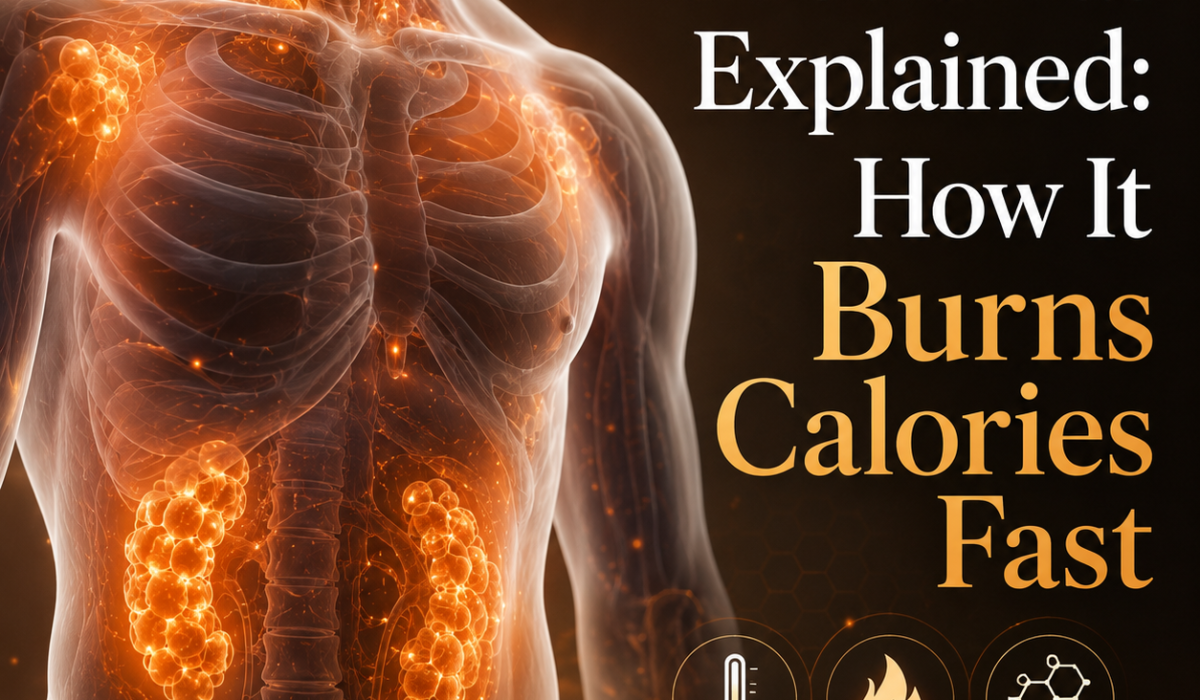
Brown Fat has become a hot topic in weight loss and metabolism research because it works differently from the body’s more familiar white fat. While white fat stores extra energy, brown fat can help burn calories by generating heat. That makes it especially interesting for anyone wondering whether some body fat can actually help with weight control.
Table of Contents
- What Is Brown Fat?
- How Brown Fat Burns Calories
- Brown Fat vs. White Fat
- Why Brown Fat Matters for Weight Loss
- Who Has Brown Fat?
- What Activates Brown Fat?
- Can You Increase Brown Fat Naturally?
- Does Brown Fat Really Help You Burn Calories Fast?
- Brown Fat and Metabolism
- Common Questions About Brown Fat
- The Bottom Line
If you have heard that brown fat burns calories fast, the short answer is yes—but with an important caveat. It does not melt away pounds on its own. It does, however, play a real role in energy expenditure, body temperature regulation, and metabolic health.
What Is Brown Fat?
Brown Fat, also called brown adipose tissue, is a type of body fat that burns energy to produce heat. Unlike white fat, which mainly stores calories for later use, brown fat contains many more mitochondria, the tiny powerhouses inside cells that generate energy.
Those mitochondria give it its darker color and its heat-producing ability. This tissue is most active when the body needs warming, such as in cold temperatures, but it can also matter in other situations when the body is trying to regulate temperature and fuel use.
Because brown fat is metabolically active, it has attracted attention from researchers studying obesity, diabetes, and long-term energy balance. It is one of the clearest examples of how fat tissue can do more than simply store fuel. In fact, the idea that fat can be active rather than passive has changed the way scientists think about body composition.
Adults typically have much less of this tissue than infants, yet the amount and activity can still be important. Researchers continue to study how it behaves, how it changes with age, and how lifestyle factors may influence it over time.
How Brown Fat Burns Calories
Brown Fat burns calories through a process called thermogenesis. Thermogenesis means heat production. When this tissue is activated, it uses stored fuel—such as fat and glucose—to create heat instead of storing energy.
Here is the basic process:
1. The body senses cold
2. The nervous system signals brown fat
3. Brown fat cells activate mitochondria
4. Energy is burned to create heat
5. Calorie use increases
This makes it different from other fat because it can increase energy expenditure rather than just adding to body stores. The tissue works almost like a built-in heater that uses fuel to keep the body comfortable in a cooler environment.
Thermogenesis is especially important in people who are exposed to cold regularly. In those situations, the body may rely more on this fat tissue to maintain a stable temperature. The result is a modest but measurable increase in calorie use.
The effect is not dramatic enough to replace diet or exercise, but it helps explain why even small shifts in energy burn can matter over time. When daily habits are repeated for months or years, small differences in how the body uses fuel can add up.
Brown Fat vs. White Fat
Understanding the difference between brown fat and white fat helps explain why brown fat gets so much attention.
White fat
- Stores extra calories
- Acts as insulation and energy reserve
- Found in larger amounts in most adults
- Linked to weight gain when present in excess
Brown Fat
- Burns calories to produce heat
- Contains more mitochondria
- More common in infants, but also found in adults
- May support metabolic health
There is also a third type often discussed: beige fat. Beige fat is white fat that can take on some brown-fat-like properties when stimulated, especially by cold exposure or certain hormonal signals. This flexibility is one reason scientists are interested in whether fat tissue can be “trained” to behave differently.
In practical terms, white fat is mainly about storage, while brown fat is more about spending fuel. That contrast is the reason researchers continue to study whether boosting activity in this tissue could support healthier metabolism. For a broader overview of how body systems influence health, see Borderline Cholesterol: What It Means & What to Do.
White fat is also more strongly associated with excess energy intake, while brown fat is linked to energy use. That does not make one good and the other bad in an absolute sense, but it does show that not all body fat behaves the same way.
Why Brown Fat Matters for Weight Loss
Brown Fat matters because it uses energy, which means it can slightly increase the number of calories your body burns each day. That has made researchers interested in whether boosting brown fat activity could help with obesity and metabolic disease.
However, it is important to keep expectations realistic. Brown fat is not a magic weight-loss solution. The amount of active tissue in adults is limited, and its calorie-burning effect, while real, is usually modest compared with diet, physical activity, and overall lifestyle.
Still, brown fat may help:
- Improve metabolic rate
- Support better blood sugar control
- Increase energy use during cold exposure
- Reduce some effects of excess calorie storage
That is why it appears so often in discussions about fat-loss research. It is not a shortcut, but it may be one part of a larger metabolic picture. If someone has poor sleep, low activity, or a calorie-dense diet, the effect of brown fat is unlikely to overcome those habits on its own.
Researchers are especially interested in how this tissue may interact with insulin sensitivity and glucose handling. That makes the topic relevant not only for weight management but also for broader metabolic health.
Who Has Brown Fat?
Brown Fat is most abundant in babies, who need help staying warm because they cannot shiver effectively like adults. In adults, it is still present, but usually in smaller amounts.
Researchers have found brown fat in areas such as:
- The neck
- Upper back
- Around the spine
- Near the collarbones
Not everyone has the same amount of active tissue. Levels can vary based on:
- Age
- Sex
- Body composition
- Genetics
- Cold exposure habits
Younger people often have more active brown fat than older adults. Leaner individuals may also tend to have more detectable brown fat, though the relationship is complex.
There is still a lot to learn about why some people have more active brown fat than others. What is clear is that adult brown fat is real, measurable, and influenced by both biology and environment. That means it is not just a theoretical concept from physiology textbooks; it is a living tissue that responds to signals from the body.
Scientists have also observed that activity may decline with age, which may help explain why colder environments feel more challenging for some people later in life. Body composition, hormones, and overall health can all influence how much of this tissue is available and how strongly it responds.
What Activates Brown Fat?
Brown Fat is primarily activated by cold. When your body is exposed to cooler temperatures, it helps generate heat to maintain a stable core temperature.
Other factors may also influence activity, including:
- Regular cold exposure
- Certain hormones
- Physical activity
- Sleep patterns
- Diet quality
Some research suggests that exercise may encourage the release of compounds that promote brown-fat-like activity in white fat. This is one reason exercise may support metabolism in more ways than one.
Cold exposure appears to be the strongest trigger, but it is not the only one being studied. Scientists continue to look at how the nervous system, hormones, and lifestyle habits interact with this tissue.
It is also worth noting that the body’s response to cold does not happen in isolation. The nervous system, blood flow, and muscle activity all play supporting roles. When the body senses a need for warmth, multiple systems work together to maintain balance.
Can You Increase Brown Fat Naturally?
Yes, some habits may help support brown fat activity or encourage the conversion of white fat into beige fat. While results vary, these are the most commonly discussed approaches:
1. Cold exposure
Cold temperatures are the strongest natural trigger for activation. This could include:
- Spending time in a cool environment
- Taking cold showers
- Light cold exposure under safe conditions
The key is moderation. Extreme cold can be dangerous and is not recommended without proper guidance.
For most people, gradual exposure is safer than dramatic changes. Even small adjustments, such as keeping indoor temperatures a little cooler or spending short periods in cooler air, may be enough to stimulate a response without causing stress.
2. Regular exercise
Exercise supports healthy metabolism and may help improve the body’s ability to use fat for fuel. It may also influence fat tissue in ways that support more energy burning.
Both aerobic activity and resistance training support overall energy balance, and they also help preserve lean mass. Muscle is metabolically active, so maintaining it can help the body burn more energy throughout the day.
3. Getting enough sleep
Poor sleep can disrupt metabolic health and hormone balance. Good sleep may help support healthy body weight and energy regulation.
When sleep is too short or inconsistent, appetite regulation can become harder, cravings may increase, and energy levels may fall. Those changes can indirectly affect the body’s ability to manage fuel efficiently.
4. Eating a balanced diet
A nutrient-rich diet helps regulate blood sugar, appetite, and overall metabolism. While no specific food dramatically turns on brown fat, overall healthy eating supports the systems that make fat metabolism work properly.
For readers interested in body systems and nutrition more broadly, it may also help to understand how other health issues affect energy and eating patterns. For example, Chronic Constipation: Causes & Relief for Better Bowel Health explains how digestive comfort can influence daily routine and wellness habits.
Healthy eating patterns tend to work best when they are sustainable. That means enough protein, fiber, and micronutrients to support energy, digestion, and recovery—not just cutting calories aggressively. A steady approach is usually better for long-term metabolism than short-term restriction.
Does Brown Fat Really Help You Burn Calories Fast?
Brown Fat can burn calories relatively quickly because it is designed to generate heat. But “fast” should be understood in context.
It burns fuel efficiently when activated, yet the total amount in the body is usually not enough to cause dramatic calorie loss on its own. In other words, it is metabolically active, but it is only one part of the larger energy-balance picture.
For most people, it may contribute to:
- Slightly higher daily calorie burn
- Better cold tolerance
- Improved metabolic flexibility
It is helpful, but not enough to replace diet and exercise.
For general background on energy balance and body composition, the NIDDK weight management resource is a useful educational reference.
So, while brown fat may help the body use energy more efficiently, the effect is usually subtle. It works best as part of a broader healthy routine, not as a stand-alone strategy. A person who is active, well-rested, and eating in a balanced way is likely to benefit more from these habits than from trying to focus on fat tissue alone.
There is also a practical reason not to overstate it: weight loss and weight maintenance are influenced by behavior, environment, hormones, stress, and genetics. Brown fat is only one small piece of that puzzle.
Brown Fat and Metabolism
Brown Fat is one reason researchers are excited about the link between fat tissue and metabolism. Fat is not just passive storage. Different types of fat perform different functions in the body.
It may support metabolism by:
- Using glucose and fatty acids for heat
- Improving insulin sensitivity in some studies
- Helping regulate body temperature
- Increasing energy expenditure during cold exposure
This makes it a promising area of research for future treatments related to obesity and diabetes.
If you want to read more about how metabolism and nutrition choices can affect health, you may also find our guide to Bone Health Tips to Strengthen Your Bones Naturally helpful, since long-term diet quality influences many body systems, not just fat tissue.
Metabolism is shaped by many factors, including genetics, age, muscle mass, sleep, physical activity, and diet. Brown fat is only one piece of that larger system, but it is a fascinating one because it turns stored fuel into heat.
In a broader sense, this is part of what makes metabolic research so interesting. The body does not simply store or burn energy in one uniform way. Instead, it uses several systems that can shift based on need, environment, and health status.
Common Questions About Brown Fat
Is brown fat good for you?
Yes, it is generally considered beneficial because it helps burn energy and regulate body temperature.
Can adults have brown fat?
Yes. Adults do have brown fat, although usually less than infants.
Can brown fat make you lose weight?
It may help support weight management, but it does not cause major weight loss by itself.
Is brown fat the same as fat loss?
No. Brown fat is a type of fat tissue that burns energy. Actual fat loss happens when the body consistently uses more energy than it stores.
Can white fat turn into brown fat?
White fat can sometimes take on brown-like features and become beige fat under certain conditions, especially cold exposure.
Can you measure brown fat at home?
No, not accurately. It is usually measured in research or medical settings using specialized imaging methods.
Does age affect brown fat activity?
Yes. Activity tends to decline with age, which may reduce how much heat-producing tissue is available in some adults.
Is there a best time of day for brown fat activity?
Research is still developing, but temperature, routine, and overall metabolic state seem to matter more than a specific clock time for most people.
Should you try cold exposure every day?
Not necessarily. Mild, safe exposure may be enough for some people, but extreme or prolonged cold is not a good idea without proper guidance.
The Bottom Line
Brown Fat is a special type of body fat that burns calories to generate heat. Unlike white fat, which stores energy, brown fat uses fuel to help keep the body warm and may support metabolic health.
It is most active in cold conditions and may play a small but meaningful role in energy expenditure. While it is not a stand-alone weight-loss solution, it is a fascinating part of how the body regulates temperature and burns energy.
If you are trying to improve metabolism or manage weight, brown fat is worth understanding—but it works best as part of a broader healthy lifestyle that includes good nutrition, regular activity, sleep, and overall consistency.
In other words, it is helpful biology, not magic. The more you understand how it fits into metabolism, the easier it is to see why healthy daily habits still matter most.
That is the clearest takeaway: brown fat can support calorie burning, but lasting results still depend on the bigger picture.