If you’re following a low carb diet, the fastest way to see progress is to avoid foods that quietly add a lot of carbs without much fullness. Many people start low carb thinking only about bread and pasta, but several other foods can slow fat loss, increase cravings, and make it harder to stay in a calorie deficit.
This guide breaks down 14 foods to avoid on low carb, why they matter, and what to eat instead. It’s written to help you make simple, practical choices without overcomplicating your meal plan.
For a deeper look at carb control and meal planning, you may also find this guide on carb counting made simple helpful when you’re building a low-carb routine that actually fits real life.
Table of Contents
What Counts as Low Carb?
A low carb diet usually means reducing foods high in sugar and starch while focusing on protein, healthy fats, and non-starchy vegetables. Depending on your goal, low carb can range from moderate to very strict.
For faster results, the biggest priority is avoiding foods that:
- spike blood sugar
- trigger hunger soon after eating
- are easy to overeat
- contain hidden sugars or starches
In practice, a low carb diet works best when you keep your meals simple and consistent. That usually means choosing whole foods more often and limiting foods that are engineered to be easy to eat in large amounts. The more predictable your meals are, the easier it becomes to stay within your carb target without feeling deprived.
Some people do well with a moderate approach, while others need a stricter plan to see the results they want. Either way, the most important thing is to know which foods quietly push your carb intake higher than expected. That’s where this list can help.
14 Foods to Avoid on Low Carb
1. Bread
Bread is one of the most common foods to avoid on low carb. Even whole grain bread can be high in carbs, and most people eat more than one slice at a time.
Why it slows results:
- high in refined starch
- easy to overeat
- often paired with other carb-heavy foods
Better options:
- lettuce wraps
- cloud bread
- low carb tortillas
- sandwich fillings served in bowls
If bread is a daily habit, it can be one of the biggest changes you make on a low carb diet. Swapping it out for wraps, bowls, or vegetable-based sides can reduce carbs without making meals feel boring.
2. Pasta
Regular pasta is another major carb source that can add up quickly. A single serving often contains more carbs than many people expect, and restaurant portions are usually much larger.
Why it slows results:
- concentrated starch
- low in satiety for many people
- easy to eat large portions
Better options:
- zucchini noodles
- spaghetti squash
- shirataki noodles
- vegetable-based pasta alternatives
Pasta can also make a low carb diet feel harder because sauce portions often grow along with the noodles. If you want a more filling meal, try increasing the protein and vegetables instead of relying on a big bowl of pasta.
3. Rice
Rice may seem harmless, but it is a very dense source of carbs. White rice and brown rice both raise your carb intake quickly.
Why it slows results:
- large carbohydrate load
- easy to pair with sauces that add more carbs
- may increase cravings in some people
Better options:
- cauliflower rice
- chopped cabbage stir-fry
- broccoli rice
Rice is often part of comfort foods, so the real challenge is not just the grain itself but the way it’s served. On a low carb diet, replacing rice with cauliflower rice or cabbage can keep the texture you want while cutting carbs dramatically.
4. Potatoes
Potatoes are nutritious in some diets, but they are too high in starch for many low carb plans. Fries, mashed potatoes, and baked potatoes can all make it hard to stay within carb limits.
Why it slows results:
- very starchy
- easy to eat in large portions
- often prepared with added fats and sauces
Better options:
- cauliflower mash
- roasted radishes
- turnips
- rutabaga in moderation
One reason potatoes are tricky is that they can feel satisfying in the moment but still leave you hungry again soon after. That combination can make a low carb diet feel harder than it needs to be.
5. Sugary Drinks
Soda, sweet tea, energy drinks, fruit punches, and sweetened coffee drinks can derail low carb progress fast. Liquid carbs do not fill you up the way food does.
Why it slows results:
- high sugar with little satiety
- easy to consume quickly
- can increase cravings and hunger
Better options:
- water
- sparkling water
- unsweetened tea
- black coffee
- water with lemon or cucumber
If you change only one habit on a low carb diet, cutting sugary drinks can make a surprisingly big difference. They are easy calories, easy carbs, and one of the most common reasons people stall without realizing why.
6. Fruit Juice
Even 100% fruit juice can be high in natural sugar and low in fiber. Because the fiber is removed, juice behaves more like a sugary drink than whole fruit.
Why it slows results:
- concentrated sugar
- no fiber to slow absorption
- easy to drink several servings
Better options:
- whole berries
- small portions of lower carb fruit
- infused water for flavor
Whole fruit is usually easier to manage than juice because chewing and fiber both help with fullness. On a low carb diet, that difference matters more than many people expect.
7. Candy
Candy is one of the most obvious foods to avoid on low carb, but it’s worth including because even a small amount can use up a full day’s carb budget.
Why it slows results:
- pure sugar
- little to no nutrition
- often triggers more sugar cravings
Better options:
- sugar-free treats in moderation
- dark chocolate with very low sugar
- nuts or cheese for a snack
Candy can also make it harder to stay consistent because it tends to encourage more snacking. If you’re trying to follow a low carb diet for weight loss, this is one of the clearest foods to keep out of reach most of the time.
8. Cookies, Cakes, and Pastries
Baked desserts are usually made with flour, sugar, and other high carb ingredients. They’re also easy to overeat, especially when available in large portions.
Why it slows results:
- flour and sugar combo
- highly palatable
- can lead to blood sugar swings
Better options:
- low carb desserts made with almond or coconut flour
- berries with whipped cream
- Greek yogurt with cinnamon and a small amount of sweetener
These foods are especially difficult because they often feel like a small treat but turn into a big carb load. On a low carb diet, dessert alternatives can help you stay on track without feeling completely restricted.
9. Cereals
Most breakfast cereals, even those marketed as healthy, are high in refined carbs and added sugar. Many are designed to be quick to eat, which makes overeating even easier.
Why it slows results:
- refined grains
- often sweetened
- low in protein unless paired with other foods
Better options:
- eggs
- plain Greek yogurt
- chia pudding
- omelets with vegetables
Breakfast is a common place where a low carb diet either starts strong or falls apart. Replacing cereal with a more filling protein-based breakfast can help reduce midmorning hunger and improve consistency.
10. Crackers and Chips
Crackers, tortilla chips, pretzels, and similar snacks are easy to grab and keep eating. They are often made from refined flour or corn, both of which are high in carbs.
Why it slows results:
- low satiety
- easy to binge on
- often eaten without much protein
Better options:
- cheese crisps
- cucumber slices with dip
- celery with peanut butter
- pork rinds in moderation
These snacks are especially sneaky because they seem harmless in small handfuls. On a low carb diet, it’s often better to pre-portion snacks or choose options that naturally pair with protein.
11. Most Store-Bought Snack Bars
Many protein bars, granola bars, and meal replacement bars are more like candy bars in disguise. They often contain added sugars, syrups, or high-carb fillers.
Why it slows results:
- hidden sugars
- processed ingredients
- often marketed as “healthy” when they are not low carb
What to look for:
- low total carbs
- minimal added sugar
- high protein and fiber
- short ingredient list
Better options:
- boiled eggs
- cheese
- nuts
- plain Greek yogurt
When in doubt, compare the label to real food. If a bar has the same sugar load as dessert, it usually doesn’t belong in a low carb diet built for faster results.
12. Beans and Lentils
Beans and lentils are healthy in many diets, but they still contain a significant amount of carbohydrates. Depending on your carb target, they may need to be limited.
Why it slows results:
- starchy and carb-dense
- portions can add up quickly
- may not fit strict low carb plans
Better options:
- smaller portions if you include them
- non-starchy vegetables
- protein-rich foods like chicken, fish, or eggs
Some people can fit beans into a moderate plan, while others need to limit them more tightly. The key is to match the food to your version of a low carb diet instead of assuming every healthy food is automatically low in carbs.
13. Most Flavored Yogurts
Flavored yogurt, especially fruit-on-the-bottom or sweetened varieties, can contain a surprising amount of sugar. Even some “healthy” yogurt cups are too high in carbs for low carb eating.
Why it slows results:
- added sugar
- sweetened fruit mixtures
- easy to underestimate carb content
Better options:
- plain Greek yogurt
- unsweetened skyr
- add cinnamon, vanilla, or a few berries
Yogurt can still fit a low carb diet, but the plain versions are usually the safest choice. A few simple add-ins can give you flavor without the sugar load.
14. Alcoholic Drinks
Alcohol can slow low carb progress in several ways. Some drinks contain sugar, mixers add carbs, and alcohol may lower inhibitions around food choices.
Why it slows results:
- calories without much satiety
- many drinks contain sugar or mixers
- may increase late-night snacking
Higher-carb drinks to avoid:
- beer
- sweet cocktails
- wine coolers
- mixed drinks with soda, juice, or syrups
Better options:
- dry wine in moderation
- spirits with soda water and lime
- lower carb alcoholic choices, if appropriate for your plan
Alcohol can also affect sleep and recovery, which may indirectly make a low carb diet harder to stick with. If you choose to drink, keeping it occasional and simple usually works better than relying on mixed drinks.
Hidden Low Carb Diet Mistakes
Avoiding the foods above helps a lot, but many people still struggle because of hidden carbs in everyday meals. Watch for:
- salad dressings with sugar
- sauces and marinades
- ketchup and barbecue sauce
- flavored coffee creamers
- packaged soups
- breaded meats
- “low fat” foods with added sugar
Reading labels is one of the easiest ways to stay on track. Check total carbs, added sugars, and serving size carefully. The serving size matters because a product can look low carb at first glance but become much higher once you eat a normal portion.
Another common mistake is treating every “keto” or “low carb” product as automatically safe. Some packaged foods are better than candy, but they can still slow progress if they replace whole foods too often. A low carb diet usually works best when most of your meals come from simple ingredients.
What to Eat Instead on Low Carb
To get faster results, build meals around foods that are naturally low in carbs and high in satiety:
- eggs
- chicken
- turkey
- beef
- fish and seafood
- tofu and tempeh
- cheese
- plain Greek yogurt
- avocado
- olive oil
- nuts and seeds
- leafy greens
- broccoli
- cauliflower
- zucchini
- cucumber
- mushrooms
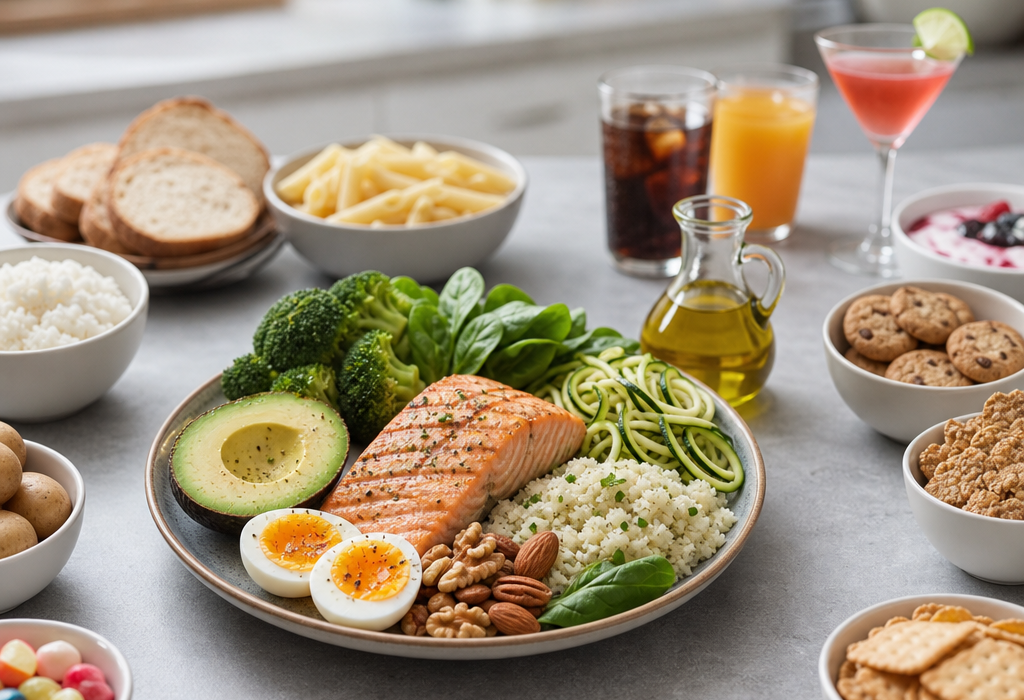
A simple low carb plate often looks like:
- one protein source
- one or two non-starchy vegetables
- a healthy fat
- a low carb sauce or seasoning
For many people, the easiest way to stick with a low carb diet is to repeat a few satisfying meals instead of constantly trying new recipes. Simplicity reduces decision fatigue and makes shopping easier.
If you want to understand how carb-heavy foods affect weight management, the article on losing water weight fast can also help explain why cutting back on high-carb foods may change scale weight quickly at first.
Another helpful mindset shift is to focus on what you can eat more of, not just what you avoid. Protein, vegetables, and healthy fats can make a low carb diet feel sustainable rather than restrictive.
Common Questions About Foods to Avoid on Low Carb
Can I eat fruit on low carb?
Yes, but choose wisely. Berries are usually the best option because they are lower in carbs than bananas, grapes, mangoes, and pineapple. Portion size still matters.
Are all carbs bad?
No. Carbs are not inherently bad, but some are easier to limit on a low carb diet because they digest quickly and offer less fullness. The goal is not to eliminate every carb, but to reduce the ones that make results harder to achieve.
Do I need to avoid these foods forever?
Not necessarily. That depends on your goals, carb target, and how your body responds. Some people eat these foods occasionally, while others do better avoiding them most of the time.
What is the fastest way to see results on low carb?
The fastest results usually come from:
- removing liquid carbs
- avoiding refined starches and sugar
- eating enough protein
- focusing on whole foods
- keeping portions consistent
One of the most reliable ways to stay on track is to think about every meal as a balance of protein, produce, and fats. That structure makes a low carb diet much easier to maintain over time.
Why am I not losing weight on low carb?
Common reasons include:
- eating too many hidden carbs
- relying on processed “low carb” snacks
- overeating calorie-dense foods like cheese and nuts
- not tracking portions
- consuming too many sauces, dressings, or drinks with carbs
If the scale is not moving, it may help to look beyond just carb grams and review your total food choices, meal timing, and portion sizes. Even on a low carb diet, too many extras can slow results.
For a reputable breakdown of food composition and label details, the USDA FoodData Central database is a useful reference when comparing packaged foods and ingredients.
Final Thoughts
If you want faster results on a low carb diet, focus on cutting the foods that are highest in sugar, starch, and hidden carbs. The 14 foods on this list are some of the biggest obstacles to progress because they are easy to overeat and often do not keep you full for long.
Start with the biggest offenders first: bread, pasta, rice, sugary drinks, and desserts. Then look more closely at packaged snacks, sauces, and flavored foods. Small changes in these areas can make a noticeable difference in energy, cravings, and weight loss results.
A successful low carb diet does not need to be extreme. It just needs to be consistent, simple, and built around foods that support your goals.
When you keep meals centered on protein, vegetables, and healthy fats, a low carb diet becomes much easier to follow. That steady approach is usually what creates the best long-term results.