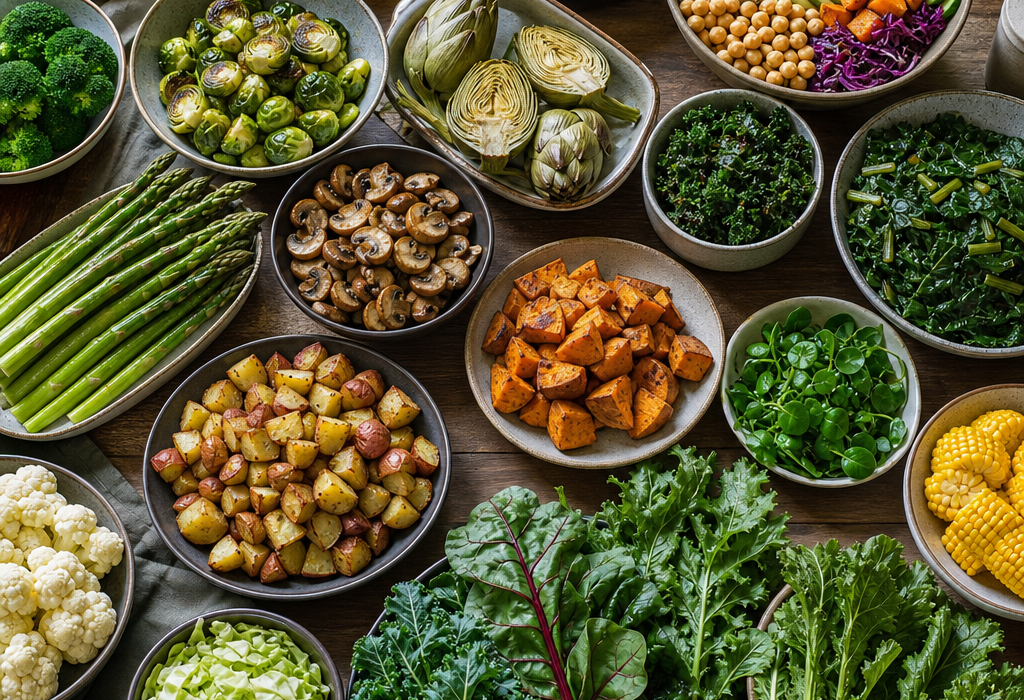
If you want to add more protein to your diet without relying only on meat, dairy, or protein powders, vegetables can help more than many people realize. While most vegetables are not as protein-dense as beans, tofu, or animal products, some stand out as surprisingly good sources of plant-based protein. These high-protein vegetables can make meals more filling, support muscle repair, and help you build balanced plates with ease.
In this article, you’ll learn which vegetables have the most protein, how much protein they provide, and the best ways to include them in everyday meals. If you also want to compare them with other nutrient-dense choices, you may find this guide to healthiest vegetables useful.
- Why protein matters
- What counts as a high-protein vegetable?
- 19 high-protein vegetables to add to your meals
- Best high-protein vegetables for specific goals
- How to increase protein from vegetables in your meals
- Are vegetables enough for protein?
- Simple meal ideas with high-protein vegetables
- Common questions about high-protein vegetables
- Final thoughts
Why protein matters
Protein is essential for many body functions. It helps build and repair muscle, supports healthy skin, hair, and nails, keeps you full longer, and plays a role in making enzymes and hormones. It also helps maintain strong bones and tissues. In other words, protein is not just for athletes or people trying to gain muscle; it matters for everyday health.
If you’re trying to eat more protein, vegetables alone may not meet all of your needs, but they are an excellent part of a high-protein, nutrient-rich diet. The best approach is to combine them with other protein sources such as beans, lentils, eggs, Greek yogurt, fish, chicken, tofu, tempeh, nuts, and seeds. For example, a meal built around best foods for diabetics often includes vegetables that support fullness and steady energy.
High-protein vegetables also help you get more than one benefit from the same serving. You are not only adding protein, but also fiber, antioxidants, vitamins, and minerals. That makes them especially useful when you want meals that are nourishing without being overly heavy.
What counts as a high-protein vegetable?
Vegetables usually contain less protein than legumes, but some offer more than others. In general, a vegetable can be considered relatively high in protein if it provides around 2 to 5 grams of protein per serving or more.
That may not sound like much, but protein adds up quickly across a full meal. For example, a bowl with broccoli, peas, spinach, and quinoa can provide a much better protein boost than a meal made mostly of refined carbs. That is why high-protein vegetables are so useful in everyday meal planning: they make your plate more balanced without requiring complicated recipes.
It also helps to think about portions. A small side salad will not contribute as much protein as a large bowl of sautéed greens, and cooked vegetables often look more compact than raw ones. So when you compare foods, always consider how much you actually eat in one meal.
19 high-protein vegetables to add to your meals
Here are 19 vegetables that can help boost your protein intake, along with simple ways to use them. Many of these high-protein vegetables are easy to find, affordable, and flexible enough to fit breakfast, lunch, dinner, or snacks.
1. Green peas
Green peas are one of the highest-protein vegetables you can eat. They’re also rich in fiber, vitamin C, vitamin K, and folate.
Protein: About 8 grams per cup cooked
How to use them: Add peas to soups, pasta, fried rice, risotto, salads, or mashed potato dishes.
Because peas are naturally a little sweet, they work well in both savory and comfort-food recipes. They are one of the easiest high-protein vegetables to use in family meals.
2. Spinach
Spinach is packed with iron, folate, vitamin A, and vitamin K. It also offers a modest protein boost, especially when eaten in larger amounts.
Protein: About 5 grams per cup cooked
How to use it: Stir into omelets, pasta sauces, smoothies, soups, or sauté as a side dish.
Spinach is especially helpful because it blends into many dishes without overpowering the flavor. If you are building meals from scratch, spinach is one of the simplest high-protein vegetables to keep on hand.
3. Broccoli
Broccoli is a nutrient powerhouse with protein, fiber, vitamin C, and antioxidants. It’s one of the most useful vegetables for building more filling meals.
Protein: About 4 grams per cup cooked
How to use it: Roast it, steam it, add it to stir-fries, or mix it into casseroles and grain bowls.
Roasting broccoli at high heat brings out its flavor and makes it easier to eat in larger servings, which can increase your total protein intake from vegetables over the course of the day.
4. Brussels sprouts
Brussels sprouts offer a good mix of protein, fiber, and vitamins C and K. They also work well in many savory meals.
Protein: About 4 grams per cup cooked
How to use them: Roast with olive oil, shave into salads, or sauté with garlic and lemon.
These high-protein vegetables can taste naturally sweet when roasted, which makes them a great side dish for chicken, fish, tofu, or grain-based meals.
5. Asparagus
Asparagus is a light but nutrient-dense vegetable that provides a decent amount of protein for its calorie count.
Protein: About 4 grams per cup cooked
How to use it: Grill, roast, or add to eggs, pasta, and spring vegetable dishes.
Asparagus cooks quickly, so it is a practical choice when you need a fast side dish. It also pairs well with lemon, garlic, and herbs.
6. Artichokes
Artichokes are often overlooked, but they’re among the better protein-containing vegetables. They’re also high in fiber, which supports fullness and digestion.
Protein: About 4 grams per medium artichoke
How to use them: Serve steamed with dip, add artichoke hearts to salads, pizzas, and pastas, or blend into dips.
Artichokes take a little more effort to prepare, but they reward you with a unique texture and a strong place among high-protein vegetables.
7. Kale
Kale is rich in vitamins A, C, and K, and it provides more protein than many leafy greens.
Protein: About 3 grams per cup cooked
How to use it: Massage into salads, sauté with garlic, add to soups, or bake into chips.
If you enjoy hearty greens, kale is a smart option. It holds up well in soups and grain bowls, which makes it easy to use with other protein-rich foods.
8. Mushrooms
Mushrooms are not always the first food people think of for protein, but they contribute a little more than many vegetables and add a meaty texture to meals.
Protein: About 3 grams per cup cooked
How to use them: Sauté for tacos, stir-fries, omelets, pasta, or use as a meat substitute in burgers and sauces.
Although mushrooms are not the highest on the list, they are still useful because they add volume and savory flavor. That makes meals feel more satisfying even when the protein total comes from several ingredients.
9. Collard greens
Collard greens are a hearty leafy green with a solid amount of protein and lots of calcium and vitamin K.
Protein: About 5 grams per cup cooked
How to use them: Braise with garlic and broth, use as wraps, or add to soups and stews.
Collards are one of the most filling leafy greens available. Their sturdy leaves also make them a creative replacement for wraps and sandwiches.
10. Turnip greens
Turnip greens are another leafy green worth adding to your rotation. They’re flavorful, nutrient-rich, and higher in protein than many people expect.
Protein: About 5 grams per cup cooked
How to use them: Sauté, steam, or mix into beans, grain bowls, and egg dishes.
Turnip greens have a slightly bitter, peppery taste, which can balance rich foods very well. They are an easy way to make high-protein vegetables part of comfort-style meals.
11. Mustard greens
Mustard greens have a peppery flavor and provide a good amount of protein for a leafy vegetable.
Protein: About 3 grams per cup cooked
How to use them: Cook like other greens, add to stir-fries, or pair with garlic and vinegar.
These greens bring a stronger flavor than spinach, so they work best in meals that can handle a little bite. They are also a nice change of pace if your vegetable routine feels repetitive.
12. Beet greens
Beet greens are edible, nutritious, and often discarded too soon. They contain a helpful amount of protein along with vitamins and minerals.
Protein: About 4 grams per cup cooked
How to use them: Sauté like spinach or add to soups and vegetable sautés.
Using beet greens is a simple way to reduce food waste while increasing variety. They fit easily into the same kinds of recipes as spinach and chard.
13. Watercress
Watercress is a peppery leafy green with a surprisingly strong nutrient profile and a bit of protein.
Protein: About 1 to 2 grams per cup raw
How to use it: Add to salads, sandwiches, omelets, and grain bowls.
Watercress is not the most protein-rich vegetable on the list, but it still deserves a place in a healthy rotation because it adds freshness, color, and flavor.
14. Sweet corn
Sweet corn is technically a grain, but it is often treated as a vegetable in meals. It contributes more protein than many people realize, especially in larger servings.
Protein: About 5 grams per cup cooked
How to use it: Add to salads, tacos, chowders, salsa, and vegetable mixes.
Sweet corn is especially useful when you want a little sweetness and texture in a recipe. It can also help bulk up meals that include beans or lean proteins.
15. Potatoes
Potatoes are often associated with carbs, but they also contain a useful amount of protein, especially when eaten with the skin.
Protein: About 4 grams per medium potato
How to use them: Bake, roast, mash, or add to soups and breakfast skillets.
Potatoes are filling and versatile, which makes them a practical base for meals that also include vegetables with protein, such as peas, broccoli, or spinach.
16. Sweet potatoes
Sweet potatoes provide a smaller protein boost than regular potatoes, but they are still nutritious and filling.
Protein: About 2 grams per medium sweet potato
How to use them: Roast cubes, mash them, add to grain bowls, or pair with beans and greens.
Sweet potatoes bring beta carotene and natural sweetness, so they are helpful when you want more variety in a vegetable-heavy diet.
17. Edamame
Edamame is one of the best plant-based protein foods overall. It’s technically a young soybean, so it offers much more protein than most vegetables.
Protein: About 17 grams per cup cooked
How to use it: Snack on steamed edamame, add to salads, noodle bowls, stir-fries, and rice dishes.
This is the standout choice if you want one food that delivers the biggest protein return. Among high-protein vegetables and vegetable-like foods, edamame is hard to beat.
18. Cauliflower
Cauliflower is not especially high in protein compared with peas or edamame, but it can still contribute to a balanced meal and works well as a substitute in higher-protein dishes.
Protein: About 3 grams per cup cooked
How to use it: Roast it, mash it, rice it, or add it to curries and casseroles.
Cauliflower is useful because it takes on flavor well and can stretch a recipe without adding many calories. It is often paired with other high-protein vegetables in mixed dishes.
19. Cabbage
Cabbage is budget-friendly, versatile, and more protein-rich than many people expect. It also provides fiber and vitamin C.
Protein: About 2 grams per cup raw, more when cooked in larger amounts
How to use it: Add to soups, stir-fries, slaws, stuffed rolls, and braised dishes.
Cabbage is one of the easiest vegetables to buy in bulk, which makes it a practical option if you want high-protein vegetables that fit everyday cooking.
Best high-protein vegetables for specific goals
Different vegetables may be better depending on your goals.
For the most protein
If your main goal is protein, choose:
- Edamame
- Green peas
- Collard greens
- Turnip greens
- Spinach
For easy meal volume and fullness
If you want meals that are more satisfying without adding too many calories, choose:
- Broccoli
- Brussels sprouts
- Cauliflower
- Cabbage
- Mushrooms
For smoothies and quick add-ins
If you want vegetables that are easy to hide in meals, choose:
- Spinach
- Kale
- Beet greens
- Cauliflower
- Zucchini or mushrooms in savory recipes
These options are particularly useful for busy days. They let you increase the nutrition of a meal without changing the recipe too much.
How to increase protein from vegetables in your meals
Eating high-protein vegetables is a smart start, but the real benefit comes from combining them well. Here are simple ways to make meals more protein-rich.
Pair vegetables with legumes
Combine vegetables with beans, lentils, chickpeas, or peas for a bigger protein boost.
Examples:
- Broccoli and chickpea stir-fry
- Spinach and lentil soup
- Roasted Brussels sprouts with black beans
Add grains with protein
Some grains contain protein too, especially quinoa, farro, and oats.
Examples:
- Grain bowls with kale, edamame, and quinoa
- Roasted cauliflower with farro
- Spinach and mushroom quinoa skillet
Use protein-rich sauces and toppings
Add nuts, seeds, yogurt-based sauces, tofu, tahini, or cottage cheese to boost the protein content of vegetable-based meals.
Examples:
- Roasted broccoli with tahini dressing
- Brussels sprouts with pumpkin seeds
- Kale salad with Greek yogurt dressing
Build a balanced plate
A high-protein meal often includes:
- A protein source
- High-fiber vegetables
- A complex carbohydrate
- Healthy fats
For example:
- Grilled chicken, broccoli, brown rice, and avocado
- Tofu, spinach, mushrooms, and soba noodles
- Salmon, asparagus, and roasted potatoes
When you build meals this way, high-protein vegetables support both nutrition and satisfaction. That makes it easier to stay consistent with healthy eating over time.
Are vegetables enough for protein?
For most people, vegetables alone are not enough to meet daily protein needs. They are best viewed as part of a larger protein strategy. That said, high-protein vegetables are still important because they improve meal quality, add fiber and micronutrients, help with fullness, support a balanced plant-based diet, and make it easier to reach protein goals when combined with other foods.
If you eat a vegetarian or vegan diet, these vegetables become even more valuable when paired with beans, soy foods, nuts, seeds, whole grains, and fortified foods. A meal plan built around high-protein vegetables can be both satisfying and practical, especially when you choose a variety of textures and colors.
For people trying to manage appetite or reduce cravings, adding more vegetables with protein can also help meals feel more complete. That is one reason they show up so often in balanced eating plans and weight-management strategies.
Simple meal ideas with high-protein vegetables
If you’re wondering how to actually use these vegetables, here are a few easy ideas:
- Scrambled eggs with spinach, mushrooms, and kale
- Roasted broccoli and edamame grain bowl
- Lentil soup with carrots, celery, and collard greens
- Baked potato topped with broccoli and cottage cheese
- Pasta with peas, spinach, and garlic
- Stir-fried cabbage, mushrooms, and tofu
- Salmon with asparagus and sweet potatoes
- Chickpea salad with watercress and artichoke hearts
If you want even more meal inspiration, the article on low carb diet foods to avoid can help you understand how vegetables fit into broader eating patterns. And if you are trying to balance appetite and nutrition, this guide to lower blood sugar fast may also be helpful for meal planning.
You can also prepare several vegetables at once at the start of the week. Roast broccoli, Brussels sprouts, and cauliflower together, then keep a container of sautéed spinach or kale in the fridge for fast breakfasts and dinners. That makes high-protein vegetables easier to use consistently.
For a reliable nutrition reference on protein in vegetables, see the USDA FoodData Central nutrition database.
Common questions about high-protein vegetables
Which vegetable has the most protein?
Edamame has the most protein on this list by far, with around 17 grams per cup cooked. Among traditional vegetables, green peas, spinach, collard greens, and turnip greens are some of the best options.
Can vegetables help you build muscle?
Yes, but only as part of an overall high-protein diet. Vegetables support muscle-building by contributing protein, vitamins, minerals, and antioxidants, but they usually need to be paired with stronger protein sources to meet muscle-building needs.
What vegetables are best for weight loss?
High-fiber, low-calorie vegetables like broccoli, cauliflower, Brussels sprouts, spinach, cabbage, and mushrooms can be especially helpful for weight loss because they add volume and help you feel full.
Are raw vegetables higher in protein than cooked?
Not usually. Cooking reduces water content, so cooked vegetables often seem to have more protein per cup simply because they take up less space. The actual protein amount depends on the food and serving size.
Can you get enough protein from plants?
Yes, but it usually requires a variety of foods. Combining high-protein vegetables with legumes, grains, tofu, soy products, nuts, and seeds makes it much easier to meet your protein needs on a plant-based diet.
Final thoughts
High-protein vegetables may not be the biggest protein source on your plate, but they are a smart and nutritious way to increase your intake. Green peas, edamame, spinach, broccoli, Brussels sprouts, and leafy greens like collards and turnip greens are especially useful for building balanced meals.
The best strategy is to use these vegetables regularly and pair them with other protein-rich foods. That way, you’ll get more than just protein—you’ll also add fiber, vitamins, minerals, and flavor to every meal. If you want a simple place to start, choose two or three high-protein vegetables each week and build them into breakfasts, lunches, and dinners until they become a regular part of your routine.
To keep this list practical, you can also rotate recipes that feature high-protein vegetables so you do not rely on the same few foods every day. Small changes add up, and even one extra serving of high-protein vegetables at lunch or dinner can make your meals more satisfying over time. With a few easy swaps, high-protein vegetables can become a steady part of your weekly menu.
As a next step, look for one meal this week where you can add peas, spinach, broccoli, or edamame. A simple addition like that can make high-protein vegetables easier to include without changing your favorite recipes.