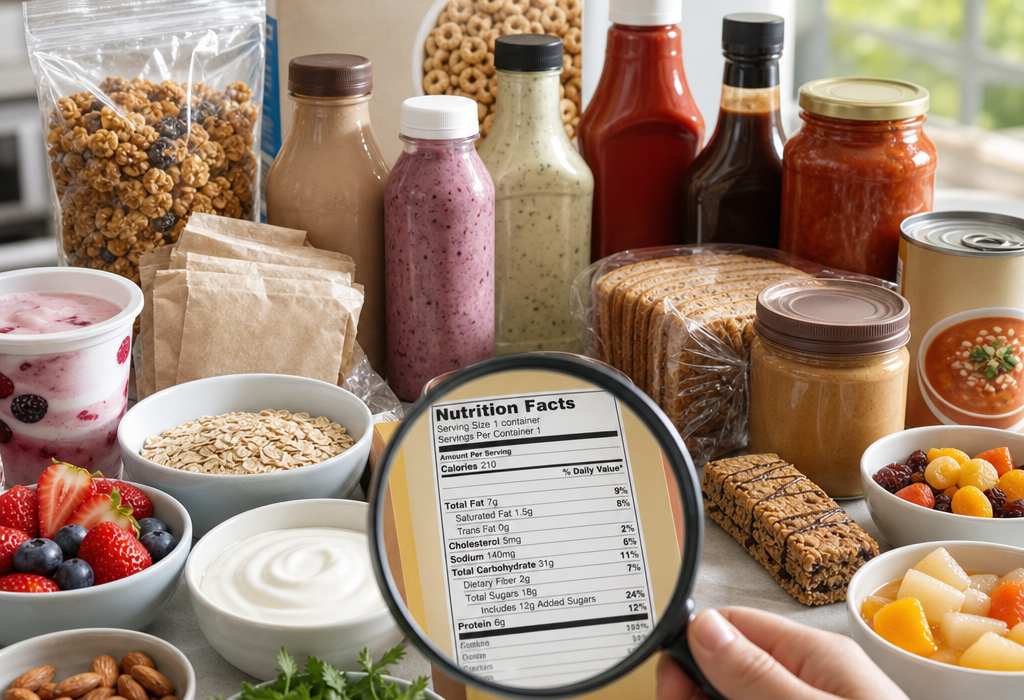
When people think about sugar, they usually picture candy, soda, or dessert. But many everyday foods contain much more sugar than most people realize. Some are obvious, while others are marketed as healthy, savory, or “light,” which makes them easy to overlook. If you want to spot foods high in sugar before they derail your goals, this guide will help.
If you are trying to cut back on sugar, manage your weight, support better energy levels, or simply make smarter food choices, knowing which foods are secretly high in sugar is a great place to start. This guide explains the most surprising foods high in sugar, why they matter, and what to look for on labels. For more label-reading and blood-sugar guidance, you may also find our guide to Lower Blood Sugar Fast: 14 Proven Ways to Today helpful.
Table of Contents
Why hidden sugar matters
Too much added sugar can make it harder to maintain stable energy, may increase cravings, and can contribute to excess calorie intake. Even foods that seem healthy can contain a lot of sugar, especially packaged and processed items. In practice, the biggest issue is often not dessert, but foods high in sugar that you eat every day without thinking about it.
It is also important to remember that not all sugar is the same. Some foods naturally contain sugar, like fruit and milk, while others have sugar added during processing. Both can affect your total intake, but added sugars are usually the bigger concern. The Food and Drug Administration explains how to spot added sugars on the Nutrition Facts label.
Once you know where sugar hides, you can make better choices without giving up convenience or flavor. That is why learning to identify foods high in sugar is one of the simplest ways to improve your day-to-day eating habits.
18 surprising foods high in sugar
1. Flavored yogurt
Yogurt has a healthy reputation, but flavored varieties can be loaded with sugar. Fruit-on-the-bottom, vanilla, and dessert-style yogurts often contain several teaspoons of added sugar in a single serving. Among foods high in sugar, flavored yogurt is one of the easiest to mistake for a smart snack.
Better choice: Plain Greek yogurt with fresh fruit, cinnamon, or a small drizzle of honey.
2. Granola
Granola is often marketed as a wholesome breakfast or snack, but many brands contain sugar, syrup, honey, or dried fruit that raises the total sugar content quickly. A small bowl can add up fast, especially if you use it as a topping for yogurt or smoothie bowls. Granola is one of those foods high in sugar that can seem harmless because the serving size is small.
Better choice: Choose low-sugar granola or make your own with oats, seeds, nuts, and minimal sweetener.
3. Breakfast cereal
Many cereals, even those advertised as “whole grain” or “fortified,” are surprisingly high in sugar. This is especially true for cereal shaped like fun characters, frosted cereal, and many granola-style blends. If you are looking for foods high in sugar to reduce first, breakfast cereal is often a good place to start.
Better choice: Look for cereals with little or no added sugar and at least some fiber and protein.
4. Instant oatmeal packets
Plain oats are a healthy breakfast, but flavored instant oatmeal packets often contain a lot of sugar, especially apple cinnamon, maple brown sugar, and fruit-flavored versions. Even when the label looks cozy and wholesome, these packets can belong on a list of foods high in sugar.
Better choice: Buy plain oats and add your own toppings like berries, nuts, chia seeds, or cinnamon.
5. Smoothies
A smoothie can sound healthy, but it depends on what goes in it. Bottled smoothies and café smoothies often contain fruit juice, sweetened yogurt, syrups, and multiple servings of fruit, which can make them very high in sugar. When people ask which foods high in sugar are most likely to surprise them, smoothies often rank near the top.
Better choice: Make smoothies at home using vegetables, unsweetened milk or yogurt, and whole fruit instead of juice.
6. Flavored coffee drinks
Coffee itself has almost no sugar, but many flavored lattes, blended drinks, and specialty coffees are loaded with syrups, whipped cream, and sweet toppings. Some drinks have more sugar than a dessert, so they are easy to overlook as foods high in sugar.
Better choice: Choose plain coffee, unsweetened iced coffee, or drinks made with minimal syrup.
7. Salad dressings
Salad seems like a healthy meal, but many bottled dressings contain added sugar to improve flavor and texture. Sweet varieties like honey mustard, balsamic glaze, and poppy seed can be especially high in sugar. A salad may start out light, but dressing can turn it into one of the more unexpected foods high in sugar on the table.
Better choice: Use olive oil and vinegar, or choose dressings with lower sugar and fewer additives.
8. Ketchup
Ketchup is one of the most common hidden sources of sugar. Since it is used in small amounts, people often forget how much they consume over time, especially with fries, burgers, and sandwiches. Condiments like this are classic foods high in sugar because the sweetness hides in plain sight.
Better choice: Look for reduced-sugar or no-sugar-added ketchup.
9. Barbecue sauce
Barbecue sauce is another condiment that can be unexpectedly sugary. Many brands use sugar, molasses, or syrup as key ingredients, making just a few tablespoons a significant sugar source. If you enjoy grilled foods often, it helps to check whether your favorite sauce is one of the foods high in sugar you use every week.
Better choice: Use smaller amounts or choose low-sugar versions.
10. Pasta sauce
Tomato-based pasta sauce may sound savory, but many jarred sauces contain added sugar to balance acidity. Some varieties have a surprisingly high sugar content, especially those labeled “traditional,” “marinara,” or “tomato basil.” Because pasta night feels like a simple dinner, people often do not realize they are serving foods high in sugar.
Better choice: Check the label and choose sauces with no added sugar or make your own at home.
11. Bread
Bread is not usually thought of as a sugary food, but many packaged breads include sugar to improve taste, color, and shelf life. Sandwich bread, dinner rolls, and sweetened artisan loaves can all contribute more sugar than expected. When you eat bread several times a day, even small amounts can add up from one of the most common foods high in sugar.
Better choice: Choose breads with minimal ingredients and little to no added sugar.
12. Frozen meals
Many frozen dinners, including some marketed as healthy, may contain sugar in sauces, glazes, and seasonings. Teriyaki, sweet-and-sour, honey garlic, and many “light” frozen meals are common culprits. Frozen convenience meals are often less savory than they appear, and they can quietly join the group of foods high in sugar.
Better choice: Read nutrition labels and ingredient lists carefully, especially on sauce-based meals.
13. Protein bars
Protein bars are often seen as fitness-friendly, but many are closer to candy bars than real health foods. Some have added sugars, sugar alcohols, syrups, and chocolate coatings that significantly raise the total sugar content. If you keep them in your bag or desk drawer, it is worth checking whether they are truly low-sugar or just marketed like foods high in sugar.
Better choice: Look for bars with lower sugar, more fiber, and a shorter ingredient list.
14. Dried fruit
Fruit naturally contains sugar, but drying concentrates it. A small serving of raisins, dates, dried mango, or dried cranberries can contain a lot more sugar than people expect. Some packaged dried fruit also has added sugar, which can make this category especially dense in sugar. Dried fruit is one of the most portable foods high in sugar, so portion size matters.
Better choice: Keep portions small and choose unsweetened dried fruit when possible.
15. Canned fruit
Canned fruit can be a convenient snack, but many varieties are packed in syrup, which adds a lot of sugar. Even fruit packed in juice may contain more sugar than fresh fruit because the portions are easy to overeat. When shopping for pantry staples, canned fruit can be one of the foods high in sugar that looks healthier than it really is.
Better choice: Choose fruit packed in water or its own juice, and drain before eating.
16. Nut butters with flavoring
Plain peanut butter or almond butter can be a good source of healthy fats and protein, but flavored versions like chocolate, honey roast, or cookie-style spreads often contain added sugar. A label that sounds indulgent usually means it belongs closer to the foods high in sugar category than the plain nut-butter category.
Better choice: Select natural nut butters with peanuts or nuts as the main ingredient.
17. Soup
Soup may seem like a low-sugar savory option, but some canned and packaged soups contain sugar in the broth, tomato base, or seasoning blend. Sweet vegetables like butternut squash can also add to the total naturally. Soup does not always taste sweet, which is why it can be overlooked as one of the more subtle foods high in sugar.
Better choice: Compare labels and choose soups with lower sugar and less sodium.
18. Sauces and marinades
Teriyaki sauce, stir-fry sauce, honey mustard marinade, and bottled glaze products often contain a lot of sugar. Since sauces are easy to pour generously, they can make an otherwise balanced meal much higher in sugar. If you use them often, sauces and marinades may be the most frequent foods high in sugar in your kitchen.
Better choice: Use herbs, spices, garlic, citrus, vinegar, or low-sugar sauces to flavor meals.
Many people also reduce sugar by changing what they drink and snack on. A single sweet coffee drink or packaged bar can contain as much sugar as several items from a meal, so it pays to compare labels across the whole day, not just at dinner.
As a general rule, the more processed and flavored a product is, the more likely it is to join the list of foods high in sugar. Simple ingredients, shorter labels, and lower-sugar sauces usually make everyday eating easier to manage.
More foods high in sugar to watch
If you want to go a step further, it helps to think beyond the obvious examples. Sugar can show up in items that are often treated as daily staples, especially when they are packaged for convenience. These foods may not taste very sweet, but they can still contribute a meaningful amount of added sugar over time.
19. Flavored milk
Chocolate milk and other flavored milks often contain a generous amount of added sugar. They may provide protein and calcium, but the sweetness can make them more like dessert than an everyday beverage. For families, students, and active adults, flavored milk can quietly become one of the most regular foods high in sugar in the diet.
Better choice: Choose plain milk or unsweetened dairy alternatives when possible.
20. Packaged muffins
Store-bought muffins are often oversized and made with a lot of sugar, refined flour, and oil. Even varieties that sound wholesome, such as bran or blueberry, may contain more sugar than a pastry shop donut. Because they are sold as breakfast foods, packaged muffins are easy to miss on a list of foods high in sugar.
Better choice: Bake your own muffins at home or choose smaller portions with less added sugar.
21. Sweetened applesauce
Applesauce can be a simple snack, but many brands add sugar, especially in kid-friendly flavors like strawberry, cinnamon, or mixed fruit. Even though fruit is the base, the final product may taste much sweeter than plain apples. Sweetened applesauce is another example of foods high in sugar that often seems healthier than it is.
Better choice: Buy unsweetened applesauce and add cinnamon if you want extra flavor.
22. Breakfast pastries
Pop-tarts, toaster pastries, and other breakfast sweets are clearly dessert-like, but many people still eat them as quick morning options. They are often high in sugar, low in fiber, and easy to overeat. When convenience matters, these pastries can be among the most obvious foods high in sugar, even if they are not always treated that way.
Better choice: Pair a lower-sugar breakfast with protein, fruit, or whole grains.
23. Flavored oatmeal cups
Ready-to-eat oatmeal cups are convenient, but many flavored versions include added sweeteners, dried fruit, and flavor packets that raise the sugar content. They may look like a smart breakfast on the shelf, yet they still deserve attention when you are reviewing foods high in sugar.
Better choice: Check the label and choose plain oats with your own toppings.
24. Sports drinks
Sports drinks are designed to replace electrolytes during intense activity, but many people drink them casually throughout the day. That can add a lot of unnecessary sugar, especially if they are used instead of water. For non-athletes, sports drinks are often overlooked foods high in sugar that contribute little beyond sweetness and calories.
Better choice: Use water for everyday hydration and reserve sports drinks for heavy exercise if needed.
25. Sweetened nut milks
Almond milk, oat milk, and other plant-based milks may be low in calories, but sweetened varieties can contain added sugar. Since they are often poured into coffee, cereal, or smoothies, the total can add up quickly. Sweetened plant milks belong on a practical list of foods high in sugar because they are easy to use every day.
Better choice: Pick unsweetened versions and add flavor with cinnamon or vanilla extract.
When you look at the full picture, it becomes clear that foods high in sugar are not limited to obvious sweets. Many of them show up at breakfast, in snacks, and in the condiments used to finish meals. That is why label reading matters so much: a quick scan can reveal whether a food is genuinely simple or mostly sugar in disguise.
Another helpful strategy is to focus on patterns rather than perfection. If you notice that certain foods high in sugar appear every day, start by changing the easiest one. That could mean swapping a sweet drink for water, choosing plain yogurt instead of flavored yogurt, or using a lighter hand with sauces. Small changes tend to stick better than strict rules.
Common questions about foods high in sugar
Are foods with natural sugar bad for you?
Not necessarily. Foods like fruit and plain dairy products contain natural sugars along with nutrients such as fiber, vitamins, protein, and calcium. These foods can fit into a healthy diet. The bigger issue is usually added sugar from processed foods and sweetened drinks, not naturally sweet whole foods.
How can I tell if a food is high in sugar?
Start with the nutrition label. Check the grams of sugar per serving, then look at the ingredient list for sugar, cane sugar, syrup, honey, fructose, glucose, dextrose, maltose, or similar sweeteners. If sugar appears near the top of the ingredient list, the product likely contains a lot of it. That is especially useful when sorting through foods high in sugar that do not taste very sweet.
Is it okay to eat sugary foods sometimes?
Yes. The goal is not to eliminate sugar completely, but to be aware of how often and how much you consume. Enjoying sweet foods occasionally is perfectly reasonable when most of your diet is made up of balanced, nutrient-rich foods. A realistic approach works better than trying to avoid every one of the foods high in sugar forever.
Which sugar sources are easiest to overlook?
Condiments, sauces, flavored yogurts, breakfast foods, and drinks are some of the easiest to miss. People often think of desserts first, but sugar can build up quickly in foods that do not taste especially sweet. That is why foods high in sugar can affect your intake even when you are not eating candy or cookies.
What should I compare first when checking labels?
Look at serving size first, then the amount of sugar, and finally the ingredient list. A small package may seem low in sugar until you realize it contains two or three servings. This is one reason packaged foods high in sugar can be more misleading than homemade versions.
Do all carbohydrates count as sugar?
No. Carbohydrates include starches, fiber, and sugars, and they do not all affect the body in the same way. Whole grains, beans, vegetables, and fruit can be part of a healthy diet even though they contain carbs. The concern here is mostly added sugar in processed foods high in sugar, not all carbohydrates in general.
Can I reduce sugar without cutting flavor?
Absolutely. Herbs, spices, citrus, vinegar, garlic, onion, toasted nuts, and plain dairy can add a lot of flavor without relying on sweetness. In many cases, you can enjoy meals just as much after reducing foods high in sugar because the other flavors become easier to notice.
How to reduce sugar without giving up flavor
You do not have to make drastic changes overnight. Small swaps can make a big difference when you are trying to cut back on foods high in sugar:
- Choose plain yogurt instead of flavored yogurt
- Drink unsweetened coffee or tea
- Use fresh fruit instead of sweetened dried fruit
- Pick lower-sugar cereals and granola
- Read labels on sauces, dressings, and condiments
- Cook more meals at home when possible
These simple habits can help you reduce added sugar while still enjoying the foods you like. If you want another practical step, comparing packaged snacks with lower-sugar options can make a noticeable difference over time, especially if you rely on convenience foods high in sugar during busy weeks.
It can also help to plan your meals around naturally flavorful ingredients. Roasted vegetables, grilled proteins, beans, eggs, whole grains, fresh herbs, and healthy fats can make meals satisfying without leaning on sugar for taste. Once your meals have more structure, you may find that foods high in sugar become less tempting between meals.
For snacks, try combining protein, fiber, and healthy fat. Apple slices with peanut butter, yogurt with nuts, or vegetables with hummus can keep you fuller than many packaged snacks. That makes it easier to skip the convenience foods high in sugar that often lead to an afternoon crash.
If you are shopping, compare two or three similar products before choosing one. The difference between a low-sugar and high-sugar version can be significant, even when the packaging looks almost the same. That simple habit can help you avoid the most misleading foods high in sugar without spending extra time in the store.
Final thoughts
Sugar is not only found in candy and dessert. It shows up in many everyday foods that seem healthy, savory, or convenient. Knowing the most surprising foods high in sugar can help you make better choices without feeling confused by food labels or marketing claims.
The key is not to avoid all sugar, but to be aware of where it hides. Once you know which foods contain the most, it becomes much easier to build a balanced diet and cut back on excess sugar in a realistic, sustainable way. For many readers, that means paying closer attention to the foods high in sugar that appear most often in breakfast, snacks, and sauces.
Over time, these small label-reading and substitution habits can add up. You do not need a perfect diet to see results. You just need a few reliable strategies, a little consistency, and a better understanding of how foods high in sugar fit into your daily routine.