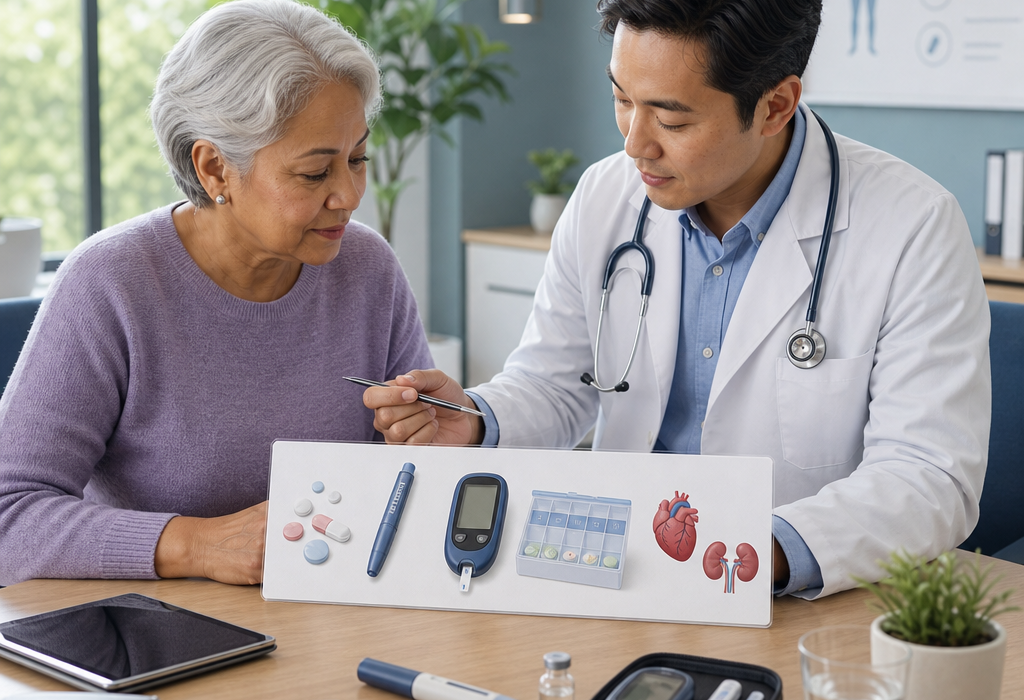
If you have diabetes, you probably have questions about diabetes medicines. That is completely normal. Diabetes treatment is not one-size-fits-all, and the right medication plan can depend on your blood sugar levels, age, other health conditions, budget, side effects, and whether you have type 1 diabetes, type 2 diabetes, or gestational diabetes.
This “Ask Dmine” mailbag Q&A answers some of the most common questions people ask about diabetes drugs, how they work, what to expect, and when to talk to a clinician. The goal is simple: help you understand your options so you can make informed decisions with your care team.
Table of Contents
- What are diabetes medicines?
- Do all people with diabetes need medicine?
- What is the most common first medicine for type 2 diabetes?
- What are GLP-1 receptor agonists and why are they talked about so much?
- Are diabetes medications safe for weight loss?
- What is insulin, and when is it needed?
- What is the biggest risk of diabetes medicines?
- Can I stop my diabetes medicine if my blood sugar improves?
- Why do I need more than one diabetes medicine?
- What if I cannot afford my diabetes medicine?
- Are “natural” diabetes supplements better than medicine?
- Can diabetes medicines interact with other medications?
- What is the difference between type 1 and type 2 diabetes medicine treatment?
- How do I know if my diabetes medicine is working?
- What should I do if I miss a dose?
- Are diabetes medicines different for older adults?
- Can diabetes medicines protect my heart or kidneys?
- What questions should I ask my doctor about diabetes medicines?
- When should I call a doctor about diabetes medicine side effects?
What are diabetes medicines?
Diabetes medicines are treatments that help control blood sugar. Some are pills, some are injections, and some are taken daily, weekly, or even multiple times a day. They may work by:
- helping the body make more insulin
- helping the body use insulin better
- reducing how much sugar the liver releases
- slowing digestion so blood sugar rises more gradually
- helping the kidneys remove extra sugar through urine
- replacing insulin that the body cannot make
The best medicine depends on your type of diabetes and your treatment goals. For a broader look at how treatment choices fit into daily life, see diabetes management and the role of artificial intelligence in daily life.
Many people first hear about one class of medication and assume it is the only option. In reality, diabetes medicines include several families of drugs, and each one has strengths and tradeoffs. A good plan usually balances blood sugar control, safety, affordability, and convenience.
It also helps to remember that medications are only one part of care. Nutrition, movement, sleep, stress, and regular monitoring still matter. The most effective plan is the one a person can actually follow day after day.
In practical terms, medication choices are often made by looking at the whole picture. Two people with the same A1C may need different prescriptions because one has kidney disease, another is trying to avoid low blood sugar, and another is worried about injection frequency or cost. That is why conversations with a clinician should focus not only on the numbers, but also on your daily routine, preferences, and long-term goals.
It is also worth noting that diabetes treatment is not static. A medicine that worked well during one stage of life may need to be adjusted later. Illness, pregnancy, stress, aging, weight changes, and new diagnoses can all shift what is appropriate. A flexible plan is usually safer and easier to sustain than a rigid one.
Do all people with diabetes need medicine?
Not always.
Some people with prediabetes or early type 2 diabetes may be able to manage blood sugar with lifestyle changes such as nutrition, physical activity, weight management, and sleep improvements. Others will need medicine right away.
People with type 1 diabetes need insulin because their bodies do not make enough. Many people with type 2 diabetes eventually need medicine too, even if they already follow a healthy routine.
The key point: needing medicine does not mean you have failed. Diabetes is a progressive condition for many people, and treatment often changes over time.
There are also times when diabetes medicines are recommended sooner rather than later, such as when blood sugar is significantly elevated or symptoms are already affecting daily life. In those cases, medication can help reduce short-term problems while long-term habits continue to improve.
For some people, the treatment conversation is also shaped by age and time with the condition. If you are living with type 1 diabetes later in life, you may find this related guide helpful: Aging With Type 1 Diabetes: Essential Tips for Thriving.
In some situations, a clinician may recommend a temporary medication plan while you work on other changes. For example, if blood sugar is very high after a period of illness or stress, medicine may be needed to help stabilize things first. Once numbers improve, the plan can be reassessed. That does not mean the original decision was wrong; it means treatment is being matched to current needs.
For people with prediabetes, the conversation may be a little different. Some patients can delay diabetes for years with consistent lifestyle changes, while others may benefit from metformin or another preventive strategy. The right answer depends on your risk factors, family history, body weight, and lab results. This is another reason why diabetes care is best when it is personalized.
What is the most common first medicine for type 2 diabetes?
For many people with type 2 diabetes, metformin is the first medicine prescribed.
Metformin helps lower blood sugar by reducing glucose production in the liver and improving insulin sensitivity. It is widely used because it is effective, generally affordable, and has a long safety record.
Common side effects can include:
- nausea
- diarrhea
- stomach upset
These side effects often improve with time, taking the medicine with food, or using an extended-release version.
Not everyone can take metformin. Your clinician may avoid it if you have certain kidney problems or other medical conditions.
Even though metformin is often the starting point, it is not the only answer. Some people need a different option because of kidney concerns, weight goals, digestive side effects, or a need for stronger blood sugar lowering. That is why diabetes medicines should be chosen as part of a personalized plan rather than by a one-size-fits-all rule.
Some people also misunderstand metformin because it is so common. They may assume that a commonly prescribed drug is a mild drug, but that is not always true. Medication choice is about fit, not popularity. A medicine can be highly effective and still not be the best choice for a particular patient.
When metformin is started, it often helps to set expectations early. Blood sugar improvement may take time, especially if you are also adjusting meals and activity. Side effects may ease after the first few weeks, but if they do not, tell your clinician. Sometimes a smaller dose, a slower increase, or a different formulation makes a big difference.
What are GLP-1 receptor agonists and why are they talked about so much?
GLP-1 receptor agonists are a class of diabetes medicines that have become very popular. They include medications such as semaglutide, liraglutide, dulaglutide, and others.
These medicines can help:
- lower blood sugar
- reduce appetite
- support weight loss
- lower the risk of some cardiovascular problems in certain people
They work by mimicking a natural hormone that helps regulate blood sugar and digestion.
Common side effects include:
- nausea
- vomiting
- constipation
- diarrhea
These often improve as your body adjusts. Some people cannot tolerate them well, and they are not the best choice for everyone.
For trusted background on this class, the American Diabetes Association’s journal Diabetes Care publishes clinical research and guidance that many clinicians rely on when reviewing treatment options.
People are often drawn to GLP-1 medications because they may help with more than glucose numbers. Still, the best choice depends on your medical history, side effects, access, and goals. In other words, diabetes medicines should be matched to the person, not the trend.
Another reason these medicines get so much attention is that they can simplify treatment for some patients. A once-weekly injection may feel easier than multiple daily doses or a more complicated regimen. But convenience alone should not drive the decision. Tolerability, availability, and whether the medication is appropriate for your health profile are equally important.
If you are considering this class, it can help to ask about onset, titration, expected side effects, and what to do if nausea becomes a problem. Some people do well with a slower dose increase, smaller meals, or careful attention to hydration. Others may need a different medication altogether.
Are diabetes medications safe for weight loss?
Some diabetes medicines may lead to weight loss, but they are prescribed for blood sugar control, not cosmetic weight loss.
Medicines that may help with weight loss include:
- GLP-1 receptor agonists
- dual GIP/GLP-1 medications
- some SGLT2 inhibitors
- metformin in some people
Other medicines, such as insulin and sulfonylureas, may cause weight gain in some patients.
If weight is part of your treatment goal, talk with your healthcare provider about which options may fit your needs.
It is also important to understand the difference between medically supervised treatment and using a drug solely for weight loss. Blood sugar, blood pressure, kidney function, and cardiovascular risk all matter when choosing among diabetes medicines. A medication that helps one person lose weight may not be the safest choice for another person.
That is why treatment decisions should be reviewed regularly. If the scale is changing quickly, or if appetite suppression is causing missed meals, tell your clinician. Sometimes the right response is dose adjustment, a different drug, or simply better monitoring.
Weight change can be useful, but it should not come at the expense of strength, nutrition, or stability. Rapid or unplanned loss may signal that blood sugar is too low, portions are too small, or a medication is not being tolerated well. Good diabetes care looks at the whole picture, not just the number on the scale.
What is insulin, and when is it needed?
Insulin is a hormone that helps glucose move from the blood into the body’s cells for energy. People with type 1 diabetes must take insulin because their bodies do not make enough.
People with type 2 diabetes may also need insulin if:
- blood sugar remains high despite other medicines
- they have significant symptoms of high blood sugar
- they are pregnant
- they are hospitalized or very ill
- their pancreas is no longer making enough insulin
There are different types of insulin:
- rapid-acting insulin for meals
- short-acting insulin
- intermediate-acting insulin
- long-acting insulin for background coverage
- mixed insulin combinations
Insulin can be life-saving, but it must be used carefully because it can cause low blood sugar.
Many people hesitate when insulin comes up because they see it as a sign that diabetes has “gotten worse.” In reality, insulin is simply another tool. For some people, it is the best tool. Like other diabetes medicines, it works best when the dose and timing fit real-life eating and activity patterns.
Insulin dosing may also change with stress, illness, travel, appetite shifts, and exercise. That is why education matters so much. People using insulin need to know how to recognize low blood sugar, when to check glucose more often, and how to adjust safely when life is not going according to plan.
Some people may use insulin temporarily, for example during surgery, a severe infection, or pregnancy. Others may use it long term. Either way, the goal is the same: keep blood sugar in a safe range while protecting overall health.
What is the biggest risk of diabetes medicines?
The biggest risk depends on the medication.
For many diabetes medicines, the main concern is hypoglycemia, or low blood sugar. This is more likely with:
- insulin
- sulfonylureas
- meglitinides
Symptoms of low blood sugar may include:
- shaking
- sweating
- hunger
- dizziness
- headache
- confusion
- fast heartbeat
If severe, hypoglycemia can become dangerous and require urgent treatment.
Other risks vary by medication. For example:
- metformin may cause digestive side effects
- GLP-1 drugs may cause nausea or vomiting
- SGLT2 inhibitors may increase the risk of genital yeast infections and, in rare cases, a serious condition called ketoacidosis
- some medicines may not be suitable for people with kidney, liver, or heart conditions
Always review side effects with your clinician and pharmacist.
If you want to understand how the body can react to unusual digestive changes while living with diabetes, this explainer may also help: Diabetes and farting: Ask Dmine: What’s Normal?
One way to lower risk is to know the warning signs before starting a new medicine. Ask what side effects are common, which ones are serious, and which ones mean you should stop the medicine or seek help. It is also smart to review whether you should monitor blood sugar more often during the first few weeks after a change.
Medication safety is not just about the drug itself. It is also about matching the drug to your routine. If you skip meals, travel often, have unpredictable work hours, or exercise at variable times, your plan may need extra safeguards to prevent low blood sugar.
Can I stop my diabetes medicine if my blood sugar improves?
Do not stop a diabetes medicine on your own unless your clinician tells you to.
Blood sugar can improve for many reasons, including:
- weight loss
- diet changes
- increased activity
- recovery from illness
- changes in other medicines
- better overall diabetes management
But stopping medication suddenly can cause blood sugar to rise again. In some cases, treatment can be reduced or changed, but that decision should be based on lab results, home glucose readings, and your overall health.
It may help to think of diabetes medicines as adjustable tools rather than permanent labels. A plan that worked two years ago may no longer be the best plan today. That is normal, and it is one reason routine follow-up matters.
If your numbers have improved, ask your clinician whether that improvement is stable enough to consider a lower dose, a switch, or a careful trial off medication. The safest approach is always the one backed by data.
Sometimes, improved readings happen because of short-term changes rather than lasting improvement. For example, a person may eat less during an illness or take fewer carbohydrates during a vacation. If medication is stopped based on temporary improvement alone, glucose can rebound. That is why follow-up testing matters before making big changes.
Why do I need more than one diabetes medicine?
It is common to need more than one medicine, especially in type 2 diabetes.
Different medications work in different ways. Combining them can improve blood sugar control without pushing one drug to a very high dose. This may also reduce side effects.
For example, a care team may combine:
- metformin plus a GLP-1 receptor agonist
- metformin plus an SGLT2 inhibitor
- insulin plus another oral medicine
Your treatment plan should be personalized to your blood sugar patterns and health goals.
Combination therapy is one of the most common reasons people keep learning about new diabetes medicines. Each added medication should answer a specific question: Is fasting glucose too high? Are after-meal numbers the issue? Is weight loss a priority? Is kidney or heart protection needed? When the treatment goal is clear, the medication choice usually makes more sense.
More than one medication may also be used because diabetes affects several systems at once. One medicine may help fasting glucose, another may reduce after-meal spikes, and another may support kidney protection. When used thoughtfully, a combination can improve control without simply increasing pill burden for the sake of it.
If you are already taking multiple medicines, make a habit of keeping an updated list. Include the dose, timing, and reason for each drug. This is especially helpful during urgent care visits, new prescriptions, or pharmacy refills, when medication mix-ups are more likely.
What if I cannot afford my diabetes medicine?
Cost is a common and important concern.
If you are struggling with affordability, possible options include:
- generic medications
- patient assistance programs
- prescription discount programs
- mail-order pharmacies
- insurance formulary alternatives
- switching to a lower-cost medication that still works well
Do not silently skip doses because of cost. Tell your healthcare provider or pharmacist. They may be able to find a more affordable option or help you apply for assistance.
Cost problems can also affect consistency, and consistency matters a great deal with diabetes medicines. Even the best drug works poorly if it is taken only when money allows. If you are worried about price, say so directly. Your care team may be able to solve the problem faster than you expect.
It can also help to ask whether there are lower-cost options in the same drug class or whether a different dosing schedule would reduce expenses. Sometimes the total cost of treatment includes not just the medication, but also needles, test strips, follow-up visits, and missed work. When budgeting for diabetes care, think about the entire system, not just the prescription label.
If insurance is the barrier, ask your pharmacist to check formulary coverage before the prescription is filled. A small change in medication choice can sometimes save a large amount of money. And if a medicine is unaffordable, it is better to address it early than to let skipped doses lead to higher glucose and more complicated care later.
Are “natural” diabetes supplements better than medicine?
Not usually.
Some supplements may have modest effects on blood sugar, but they are not a replacement for prescribed diabetes treatment. Many supplements have limited evidence, inconsistent dosing, and possible interactions with medicines.
Examples of concerns include:
- uncertain quality control
- risk of side effects
- interactions with blood thinners or other drugs
- false promises of “cure” or “reversal”
If you are interested in a supplement, bring it up with your clinician before trying it. That is especially important if you already use diabetes medicines that can cause low blood sugar.
Natural does not automatically mean safe. Even ingredients that sound harmless can affect liver enzymes, kidney function, digestion, or blood glucose levels in unexpected ways. A supplement may also delay proper treatment if it gives the impression that diabetes can be managed without proven care.
The best approach is to treat supplements as something to review, not something to assume is helpful. If your clinician agrees that a specific product is low risk, it can still be monitored like any other part of your plan.
Can diabetes medicines interact with other medications?
Yes. This is an important reason to keep your medication list updated.
Some interactions can raise the risk of low blood sugar. Others may affect how well a diabetes drug works or how your body processes it. Interactions can also happen with over-the-counter medicines, herbal products, and alcohol.
Examples of possible concerns include:
- insulin or sulfonylureas combined with other glucose-lowering drugs
- steroids increasing blood sugar
- some blood pressure or heart medicines masking symptoms of low blood sugar
- diuretics or dehydration affecting kidney-related medicines
Always tell every provider you see which diabetes medicines you use. That includes urgent care, surgery, dental visits, and pharmacy consultations.
Interactions are not always dramatic, but they can be meaningful. A new antibiotic, a short steroid course, or even a major diet change can shift blood sugar enough to require monitoring. That is why diabetes care is a team effort that includes your prescriber, pharmacist, and sometimes a diabetes educator.
What is the difference between type 1 and type 2 diabetes medicine treatment?
The biggest difference is that type 1 diabetes requires insulin, while type 2 diabetes often starts with oral or non-insulin medicines and may later include insulin.
In type 1 diabetes, the body cannot make enough insulin, so treatment must replace it. In type 2 diabetes, the body may still make insulin, but it does not use it well enough or eventually does not make enough to keep blood sugar in range.
That means the treatment goals are similar, but the tools are different. People with type 1 diabetes usually need to think about:
- basal insulin
- mealtime insulin
- carbohydrate counting
- hypoglycemia prevention
People with type 2 diabetes may use:
- metformin
- GLP-1 receptor agonists
- SGLT2 inhibitors
- insulin
- other oral or injectable therapies
Even though both conditions are called diabetes, the medication strategy is not the same.
This distinction matters because people sometimes compare treatment plans across diabetes types and assume what works for one person should work for another. That is not how diabetes medicines are chosen. The underlying biology, the risk of ketoacidosis, and the role of insulin are different enough that treatment must be tailored carefully.
How do I know if my diabetes medicine is working?
You can look at several signs:
- home blood sugar readings improve
- A1C decreases over time
- you have fewer symptoms of high blood sugar
- you tolerate the medicine well
- your overall health markers improve
Sometimes a medicine may lower blood sugar but not be a good fit because of side effects, cost, or convenience. In that case, “working” means more than just numbers. It means the treatment is helping without creating new problems.
When you start or adjust diabetes medicines, it is useful to track patterns rather than isolated readings. For example, are fasting numbers improving? Are after-meal spikes smaller? Are there more lows than before? Your clinician can use that information to fine-tune the plan.
If you wear a glucose monitor, review the trends with your care team. If you check with fingersticks, write down the times, meals, activity, and symptoms. Data makes medication adjustments much more precise.
What should I do if I miss a dose?
It depends on the medication.
Some medicines can be taken as soon as you remember. Others should be skipped if it is almost time for the next dose. Double-dosing can be dangerous.
Read the instructions for your specific prescription and ask your pharmacist if you are unsure.
If you miss doses often, talk to your clinician about whether the plan is realistic. A simpler schedule may help you stay consistent with your diabetes medicines.
Missed doses happen for many reasons: travel, schedule changes, side effects, stress, or just forgetting. The important thing is not to panic. Instead, get clear instructions for your exact drug, then reset the routine as soon as possible. If memory is the issue, reminders, pill organizers, and pairing medicine with daily habits can help.
Are diabetes medicines different for older adults?
Yes, often they are.
Older adults may be more sensitive to side effects, low blood sugar, dehydration, and medication interactions. Treatment should take into account:
- kidney function
- fall risk
- memory and routine support
- other health conditions
- life expectancy and quality of life
For some older adults, simpler regimens and less aggressive targets may be safer and more realistic.
This is another area where diabetes medicines must be selected thoughtfully rather than aggressively. A strong A1C target is not helpful if it comes with frequent lows, confusion, or complicated dosing. Safety and practicality matter just as much as glucose control.
Older adults may also benefit from a medication review at regular intervals. Some drugs that were appropriate years ago may no longer be ideal if kidney function has changed or if the person now takes several other prescriptions. Simplifying treatment can reduce mistakes and improve day-to-day life.
Can diabetes medicines protect my heart or kidneys?
Some can.
Certain medications, especially some SGLT2 inhibitors and GLP-1 receptor agonists, have evidence of cardiovascular and kidney benefits in specific patients. These benefits may be important if you already have heart disease, chronic kidney disease, or high cardiovascular risk.
That said, not every medicine has the same benefits, and not every person qualifies for the same treatment goals.
Your clinician may choose diabetes medicines based not only on A1C, but also on whether the medication can help protect organs over time. This is one of the biggest advances in diabetes care in recent years: treatment is increasingly being chosen for whole-body protection, not just glucose lowering.
If you have heart or kidney concerns, ask whether the medicine you are using was selected with those risks in mind. In many cases, that conversation can reveal whether your current plan is doing enough or whether a different option might provide added benefit.
What questions should I ask my doctor about diabetes medicines?
Good questions include:
- What is the main goal of this medicine?
- How should I take it?
- What side effects should I watch for?
- Will it cause low blood sugar?
- How soon should I expect results?
- What if I miss a dose?
- Will it affect my weight?
- Is there a generic version?
- How much will it cost?
- Does it interact with my other medications?
Before your visit, write down your current list of diabetes medicines, supplements, and concerns. Bring glucose readings if you have them.
You may also want to ask about what success looks like over time. For some medicines, the goal is a lower A1C. For others, it is fewer glucose spikes, better kidney protection, or fewer low blood sugar episodes. Clear expectations make follow-up easier and more productive.
When should I call a doctor about diabetes medicine side effects?
Call a clinician if you have:
- repeated low blood sugar
- severe nausea, vomiting, or diarrhea
- signs of dehydration
- an allergic reaction
- trouble breathing
- confusion or fainting
- symptoms that make it hard to keep taking the medicine
If you think you are having a medical emergency, seek urgent help right away.
Side effects do not always mean a medication has to be stopped, but they should never be ignored. A dose adjustment, timing change, or different drug may solve the problem. The sooner you speak up, the easier it is to protect both safety and blood sugar control.
In general, diabetes medicines should make life more manageable, not less. If a prescription is causing frequent discomfort, missed meals, confusion, or fear of lows, it is time for a reassessment.
Also call if you notice a new symptom after starting a medicine and you are not sure whether it is related. Even if it turns out to be unrelated, your clinician can help you decide what to do next. When in doubt, it is better to ask early than wait for the problem to grow.
Bottom line
There are many types of diabetes medicines, and the best one for you depends on your diagnosis, health history, goals, and daily life. Some drugs lower blood sugar, some help with weight, some protect the heart or kidneys, and some replace insulin your body no longer makes. The right choice is the one that helps you manage diabetes safely, consistently, and in a way that fits your life.
If you have questions about your own medication plan, bring them to your doctor or pharmacist. The more you understand your treatment, the easier it becomes to use it well.
For ongoing support, keep learning, keep tracking your numbers, and keep asking questions. Diabetes care works best when you and your healthcare team make decisions together.