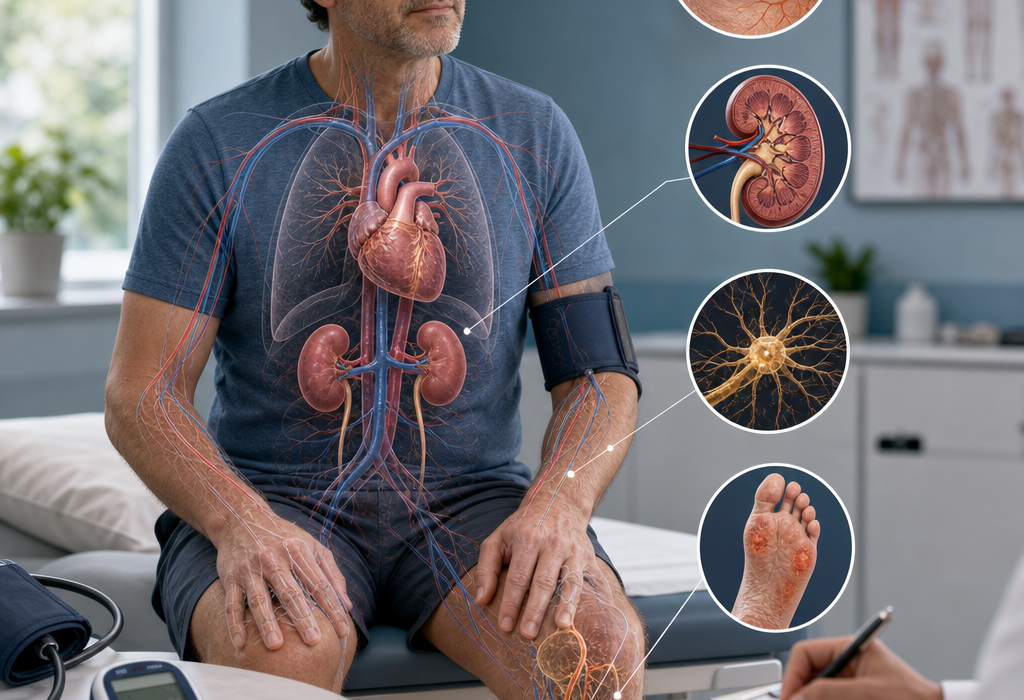
Diabetes complications are often what people mean when they call diabetes the “mother of all diseases.” In simple terms, diabetes can raise the risk of many serious health problems because long-term high blood sugar affects blood vessels, nerves, and organs throughout the body. When glucose stays elevated for years, the damage may build slowly, which is one reason diabetes can feel invisible until a major problem appears.
This article explains what that phrase means, why diabetes is so dangerous, what conditions it can lead to, and how to manage the disease effectively. It also explains why early testing, routine follow-up, and consistent daily habits matter so much for long-term health. For a related look at daily care and long-term support, see Diabetes management: Artificial Intelligence in Daily Life for.
Table of Contents
- Is Diabetes Really the “Mother of All Diseases”?
- Why Is Diabetes So Dangerous?
- Common Complications Linked to Diabetes
- What Are the Signs of Diabetes?
- What Causes Diabetes?
- Can Diabetes Be Prevented?
- How Is Diabetes Managed?
- Why Early Detection Matters
- How to Lower the Risk of Diabetes Complications
- Common Questions About Diabetes
- The Bottom Line
Is Diabetes Really the “Mother of All Diseases”?
The phrase “mother of all diseases” is not a medical diagnosis. It is a way of saying that diabetes complications can trigger or worsen many other health conditions. People use the phrase because diabetes affects more than blood sugar alone. It influences circulation, inflammation, healing, metabolism, and the function of several major organs.
Diabetes affects how the body uses glucose, or blood sugar. When blood sugar stays high for a long time, it damages blood vessels, nerves, and organs. This can raise the risk of heart disease, stroke, kidney disease, eye disease, nerve damage, poor wound healing, foot problems, and infections. The longer the condition goes untreated or poorly managed, the greater the chance that those problems will appear.
So, while diabetes may not directly cause every disease, it can create the conditions for many serious complications. That is why understanding diabetes complications matters so much for prevention and treatment. Knowing the risk is often the first step toward better control and fewer long-term problems.
Why Is Diabetes So Dangerous?
Diabetes is dangerous because it often develops quietly. Many people do not notice symptoms until blood sugar has already caused damage. In some cases, the first warning sign may be a complication such as vision changes, a foot infection, or abnormal blood test results.
The main problem is chronic high blood glucose. Over time, excess sugar in the bloodstream harms:
- Blood vessels: making them stiff, narrow, or damaged
- Nerves: causing numbness, pain, or weakness
- Organs: especially the kidneys, eyes, heart, and liver
- Immune function: making it harder to fight infections
These effects explain why diabetes complications can appear in many different parts of the body. It also shows why uncontrolled diabetes is linked to so many long-term health problems. When multiple systems are affected at once, treatment becomes more complex and recovery may take longer.
Another reason diabetes is so dangerous is that it often travels with other risk factors. High blood pressure, high cholesterol, obesity, and a sedentary lifestyle can all make the disease harder to control. Together, those factors can accelerate diabetes complications and raise the risk of major events such as heart attack or stroke.
According to the U.S. National Institute of Diabetes and Digestive and Kidney Diseases, diabetes can harm almost every organ system when it is not well controlled: official diabetes overview from NIDDK.
Common Complications Linked to Diabetes
Diabetes complications are often grouped into short-term and long-term problems. Short-term issues include severe low blood sugar or dangerously high blood sugar. Long-term problems are usually caused by persistent damage to blood vessels and nerves. The sections below focus on the most common and serious long-term complications.
1. Heart Disease
People with diabetes are at higher risk of heart attacks, coronary artery disease, and heart failure. High blood sugar can damage blood vessels and often occurs along with high blood pressure and abnormal cholesterol levels, which further increase the risk.
Heart disease is one of the most serious diabetes complications because it can develop slowly and without warning signs. Good glucose control, blood pressure management, and cholesterol treatment all matter. In addition, regular exercise, smoking cessation, and a heart-healthy eating pattern can make a meaningful difference over time.
Many patients do not realize that diabetes can affect the heart even before chest pain or shortness of breath appears. That is why prevention is so important. Regular checkups may include blood pressure measurement, lipid testing, and discussion of medication options if needed.
2. Stroke
Diabetes increases the chance of stroke because it contributes to narrowed and damaged blood vessels. If a blood vessel in the brain gets blocked or bursts, it can lead to a stroke.
This is another reason people should think of diabetes complications as a whole-body issue, not just a blood sugar problem. The brain depends on healthy circulation just like the heart and kidneys do. A stroke can affect speech, movement, memory, and independence, making prevention especially important.
When diabetes is combined with high blood pressure, the stroke risk can rise even more. That combination is common, which is why doctors often monitor both conditions closely in the same care plan.
3. Kidney Disease
The kidneys filter waste from the blood. High blood sugar can damage the tiny filters in the kidneys, leading to diabetic kidney disease. In severe cases, this can progress to kidney failure.
Kidney disease may not cause symptoms early on, which is why routine urine and blood tests are important. Catching diabetes complications early can slow their progress and protect kidney function. People with diabetes may need regular screening for albumin in the urine and estimated glomerular filtration rate, or eGFR, to track kidney health.
Once kidney damage advances, treatment becomes more difficult. This makes prevention and early management especially valuable. Good hydration, blood pressure control, and avoiding tobacco can support kidney health alongside glucose control.
4. Eye Problems
Diabetes can damage the blood vessels in the retina, causing diabetic retinopathy. It can also raise the risk of cataracts and glaucoma. Without treatment, diabetes-related eye disease can lead to vision loss.
People often underestimate eye-related diabetes complications because vision changes may be subtle at first. Regular eye exams can help detect problems before they become severe. An eye doctor may notice changes long before the patient feels any difference.
Blurred vision, floaters, dark spots, or trouble seeing at night should never be ignored. Even if these symptoms improve temporarily, they may still signal damage that needs medical attention.
5. Nerve Damage
Diabetic neuropathy is a common complication. It can cause tingling, burning, pain, or numbness, especially in the feet and legs. Nerve damage can also affect digestion, bladder function, and sexual health.
Because nerve symptoms may be gradual, many people do not realize they are developing diabetes complications until sensation has already changed. That is why foot care and symptom monitoring are so important. Loss of feeling in the feet can make injuries easy to miss.
Neuropathy can also create balance problems and increase the chance of falls. If a person with diabetes notices weakness, tingling, or unexplained pain, it is worth discussing early with a healthcare professional.
6. Foot Complications
Because diabetes can reduce circulation and nerve sensation, even a small cut or blister can become infected. In severe cases, foot ulcers may lead to amputation.
Daily foot checks, proper shoes, and early treatment for minor injuries can lower the risk of these diabetes complications. Foot problems deserve quick attention, not delay. Washing feet daily, drying them carefully, and checking between the toes can help catch changes early.
A foot wound that is red, swollen, warm, draining, or painful should be evaluated promptly. For people with neuropathy, even painless wounds can become serious quickly if they are ignored.
7. Infections
High blood sugar can weaken the immune system, making infections more common and harder to treat. People with diabetes may experience skin infections, urinary tract infections, and gum disease more often.
These diabetes complications are sometimes overlooked, but repeated infections can be a sign that blood sugar is not well controlled. Slow healing, frequent yeast infections, and recurring gum problems may all point to the need for better diabetes management.
Dental care matters too. Gum disease and diabetes can affect each other, so regular brushing, flossing, and dental checkups should be part of the overall care plan.
8. Skin and Wound-Healing Problems
Another common issue is delayed wound healing. Cuts, scrapes, and blisters may take longer to heal in people with diabetes because blood flow and immune response can be impaired. This creates more opportunity for bacteria to enter the wound and cause infection.
Dry skin, itching, and frequent skin infections can also happen more often. These may seem minor compared with heart or kidney disease, but they can become serious if they are not treated early. Simple skin care, moisturizing after bathing, and checking for cracks or sores can reduce the risk.
9. Digestive and Sexual Health Problems
Diabetes complications are not limited to the most visible organs. Nerve damage can also affect the digestive tract, causing nausea, bloating, constipation, or delayed stomach emptying. In some people, this can interfere with nutrition and medication timing.
Sexual health may also be affected. Men may experience erectile dysfunction, while women may notice reduced arousal, vaginal dryness, or discomfort. These problems are common enough that they deserve open discussion during medical visits, even if they feel personal or difficult to bring up.
What Are the Signs of Diabetes?
Many people ask how they can tell if they may have diabetes. Common symptoms include:
- Increased thirst
- Frequent urination
- Extreme hunger
- Unexplained weight loss
- Fatigue
- Blurred vision
- Slow-healing sores
- Frequent infections
- Tingling or numbness in hands or feet
Type 2 diabetes can develop slowly, so symptoms may be mild at first. Some people are diagnosed only after a routine blood test or after diabetes complications appear. That is one reason routine screening is so important for adults with risk factors, even when they feel well.
If you want a broader background on warning signs and misdiagnosis, this related article may help: Diabetes Misdiagnosis: A Common Story You Should Know.
What Causes Diabetes?
There are different types of diabetes, and the causes are not the same. Understanding those differences helps explain why symptoms, risks, and treatment plans vary from person to person.
Type 1 Diabetes
Type 1 diabetes is an autoimmune condition. The immune system attacks the insulin-producing cells in the pancreas. It usually develops in childhood or young adulthood, but it can happen at any age.
People with type 1 diabetes need insulin because their bodies make little or no insulin on their own. Without treatment, blood sugar rises quickly and can become life-threatening. Even with good treatment, ongoing monitoring is necessary because diabetes complications can still develop over time.
Type 2 Diabetes
Type 2 diabetes is the most common form. It happens when the body becomes resistant to insulin or does not make enough insulin. Risk factors include:
- Excess body weight
- Physical inactivity
- Family history
- Age
- Poor diet
- History of gestational diabetes
- Certain ethnic backgrounds
Type 2 diabetes often develops gradually, which is why it can go unnoticed for years. During that time, blood sugar may already be affecting the body, even if no obvious symptom is present. Early screening can help identify people before major diabetes complications appear.
Gestational Diabetes
This type develops during pregnancy. It often goes away after delivery but increases the mother’s risk of type 2 diabetes later in life.
Understanding the cause of diabetes helps explain why some people develop diabetes complications earlier than others. Risk is influenced by genetics, lifestyle, and how soon the disease is found and treated. Pregnancy-related blood sugar problems also matter because they can affect both mother and baby and may signal a higher future risk.
Can Diabetes Be Prevented?
Type 1 diabetes cannot currently be prevented. However, type 2 diabetes often can be delayed or prevented, especially in people with prediabetes.
Helpful prevention steps include:
- Eating a balanced diet
- Maintaining a healthy weight
- Exercising regularly
- Limiting sugary drinks and refined carbohydrates
- Getting enough sleep
- Managing stress
- Avoiding smoking
Even small lifestyle changes can make a big difference in blood sugar control and overall health. Preventing diabetes also reduces the chance of future diabetes complications. For people who already have early signs of insulin resistance or prediabetes, prevention may mean delaying disease for many years.
Prevention is not always about strict dieting or intense exercise. It can also mean walking more often, cooking at home, choosing water instead of sweet drinks, and keeping regular doctor visits.
How Is Diabetes Managed?
The goal of diabetes treatment is to keep blood sugar in a safe range and reduce the risk of complications.
Treatment may include:
- Healthy eating
- Regular exercise
- Weight management
- Blood sugar monitoring
- Oral medications
- Insulin therapy
- Blood pressure and cholesterol control
A doctor may also recommend regular screening for eye, kidney, nerve, and heart problems. Those checkups matter because diabetes complications can develop quietly, and early treatment is usually more effective than late treatment.
Many people do best when they use a structured daily plan. For example, some patients use digital reminders, glucose logs, or telehealth support to stay consistent. Those tools do not replace medical care, but they can make diabetes management easier over time. A simple routine for meals, medications, activity, and testing can improve adherence and reduce stress.
Meal planning is also important. Balanced meals with fiber, lean protein, healthy fats, and controlled portions of carbohydrates can help prevent large blood sugar swings. Regular physical activity improves insulin sensitivity and supports weight control, while enough sleep can help stabilize hormones that influence glucose levels.
When treatment plans are tailored to the individual, people are more likely to stick with them. That is one reason diabetes care often works best as a team effort between the patient, primary care provider, diabetes educator, eye doctor, dentist, and other specialists.
Why Early Detection Matters
Early diagnosis is one of the best ways to prevent diabetes from becoming the “mother of all diseases.” When diabetes is found early, lifestyle changes and treatment can help stop or delay complications.
Many people with prediabetes or early type 2 diabetes feel fine, which is why routine checkups matter. A simple blood test can reveal problems before major damage occurs. Earlier care also gives people more time to build habits that support long-term health.
Earlier treatment means fewer diabetes complications later. It can also help people avoid emergency care, preserve kidney function, and protect vision and heart health for longer. In many cases, the earlier the condition is identified, the easier it is to control blood sugar without needing more intensive treatment later on.
Family history, obesity, a history of gestational diabetes, and high blood pressure all raise the importance of regular screening. If any of these factors apply, discussing testing with a healthcare professional is a smart preventive step.
How to Lower the Risk of Diabetes Complications
If you already have diabetes, the most important thing is consistent management. The following habits can help:
- Keep blood sugar in the target range
- Take medicines as prescribed
- Monitor blood pressure and cholesterol
- Have regular eye, kidney, and foot exams
- Eat a nutrient-rich diet
- Stay physically active
- Avoid tobacco
- Report new symptoms early
Good diabetes control does not just improve blood sugar numbers. It helps protect the heart, brain, eyes, kidneys, and nerves. It also lowers the chance that diabetes complications will become severe or permanent. Even modest improvements in glucose levels, blood pressure, and cholesterol can have meaningful benefits.
It helps to think of diabetes care as a long-term routine rather than a short project. Consistency matters more than perfection. Missing one healthy meal or one exercise session is less important than returning to the plan quickly and keeping follow-up appointments.
For practical day-to-day support, many people also benefit from guidance offered by diabetes educators and established clinical standards such as the American Diabetes Association: current standards and clinical updates from Diabetes Care.
Support from family and friends can also make a difference. When the people around someone with diabetes understand the condition, they are more likely to encourage healthy routines, recognize warning signs, and help reduce stress.
Common Questions About Diabetes
Is diabetes curable?
Type 1 diabetes is not curable. Type 2 diabetes may go into remission in some people, especially with weight loss, diet changes, and medical care. Even in remission, ongoing monitoring is important. Blood sugar can rise again if the factors that caused the problem return.
Can diabetes be serious even if blood sugar is only slightly high?
Yes. Mildly elevated blood sugar over time can still cause damage. That is why prediabetes should not be ignored. Small elevations, when sustained for years, can still contribute to diabetes complications.
Does eating sugar cause diabetes?
Eating sugar alone does not directly cause diabetes. However, frequent high-calorie, low-nutrient eating patterns can contribute to weight gain and insulin resistance, which increase the risk of type 2 diabetes. Overall eating habits matter more than any single ingredient.
Can people with diabetes live a normal life?
Yes. Many people with diabetes live long, active lives when they manage the condition well. Regular care and healthy habits are key. Good planning can support work, travel, exercise, family life, and aging with fewer complications.
What should I do first if I think I may have diabetes?
Book a medical appointment and ask about blood sugar testing. If you already have symptoms such as excessive thirst, frequent urination, blurred vision, or unexplained weight loss, do not wait. Early testing can help confirm the problem and reduce the chance of avoidable diabetes complications.
The Bottom Line
Diabetes is sometimes called the “mother of all diseases” because it can lead to many serious complications throughout the body. It damages blood vessels, nerves, and organs when blood sugar stays high for too long.
The good news is that diabetes can often be managed effectively, and type 2 diabetes can sometimes be prevented or delayed. Early detection, healthy lifestyle choices, and proper treatment can greatly reduce the risk of long-term problems. Even when diabetes cannot be cured, it can often be controlled well enough to protect quality of life.
Understanding diabetes complications is the first step toward protecting your health. With regular care and consistent follow-up, many of the most serious outcomes can be delayed or avoided. That is why awareness, screening, and daily self-care are so important for anyone living with diabetes or at risk of developing it.
In short, diabetes may affect many parts of the body, but careful management can make a real difference. The earlier you act, the more you can do to reduce risk and preserve long-term health.