16 Smart Ways to Afford diabetes medication costs & Supplies
Diabetes care can be expensive, especially when you factor in insulin, oral medications, test strips, continuous glucose monitor supplies, lancets, syringes, pump cartridges, and regular doctor visits. For many people, the biggest concern is simple: how do you afford the diabetes medication costs and supplies you need every month?
The good news is that there are practical ways to lower your costs without sacrificing your health. From manufacturer assistance programs to pharmacy savings tools and insurance strategies, the right combination of steps can make diabetes care much more affordable.
Below are 16 smart ways to afford diabetes medication costs and supplies, along with clear explanations to help you get started.
1. Compare Prices at Different Pharmacies
One of the easiest ways to save money is to shop around. Prices for the same diabetes medication costs or supply can vary widely from one pharmacy to another, even within the same city.
Check prices at:
– Big-chain pharmacies
– Local independent pharmacies
– Warehouse clubs
– Mail-order pharmacies
– Online pharmacies with a valid U.S. license
Even if you have insurance, the cash price may sometimes be lower than your copay. Always compare both before filling a prescription.
2. Ask for Generic or Lower-Cost Alternatives
If your medication has a generic version, switching can save a lot of money. Generics contain the same active ingredient as brand-name drugs and are often much less expensive.
Ask your doctor or pharmacist whether there is:
– A generic version of your medication
– A lower-cost insulin option
– A different but similar medication in the same class
– A more affordable meter, strip, or pen system
Never switch on your own, but do ask whether a lower-cost alternative would work for your treatment plan.
3. Use Manufacturer Savings Cards
Many drug manufacturers offer savings cards for eligible patients, especially for brand-name diabetes medications and insulin. These cards can reduce your monthly out-of-pocket costs significantly.
Savings cards may be available for:
– Insulins
– GLP-1 medications
– CGM systems
– Inhaled or injectable diabetes treatments
Visit the manufacturer’s official website to check eligibility. These cards usually cannot be used with Medicare or Medicaid, but they can help people with commercial insurance.
4. Apply for Patient Assistance Programs
If your income is limited, patient assistance programs may provide diabetes medications at low cost or even free. These programs are often run by drug companies, nonprofit groups, or foundations.
They may help with:
– Insulin
– Oral diabetes medications
– Glucose monitoring supplies
– Pump supplies in some cases
Eligibility is usually based on income, insurance status, and household size. The application may require proof of income, a prescription, and a healthcare provider’s signature.
5. Check for State and Local Assistance Programs
Some states and local organizations offer help with prescription costs, diabetes supplies, or general medical expenses. These programs vary by location, but they can be a valuable source of support.
Look for:
– State prescription assistance programs
– County health department resources
– Community health clinics
– Nonprofit diabetes foundations
– Hospital charity care programs
If you are unsure where to start, contact a local social worker or community health center. They often know about resources that are not widely advertised.
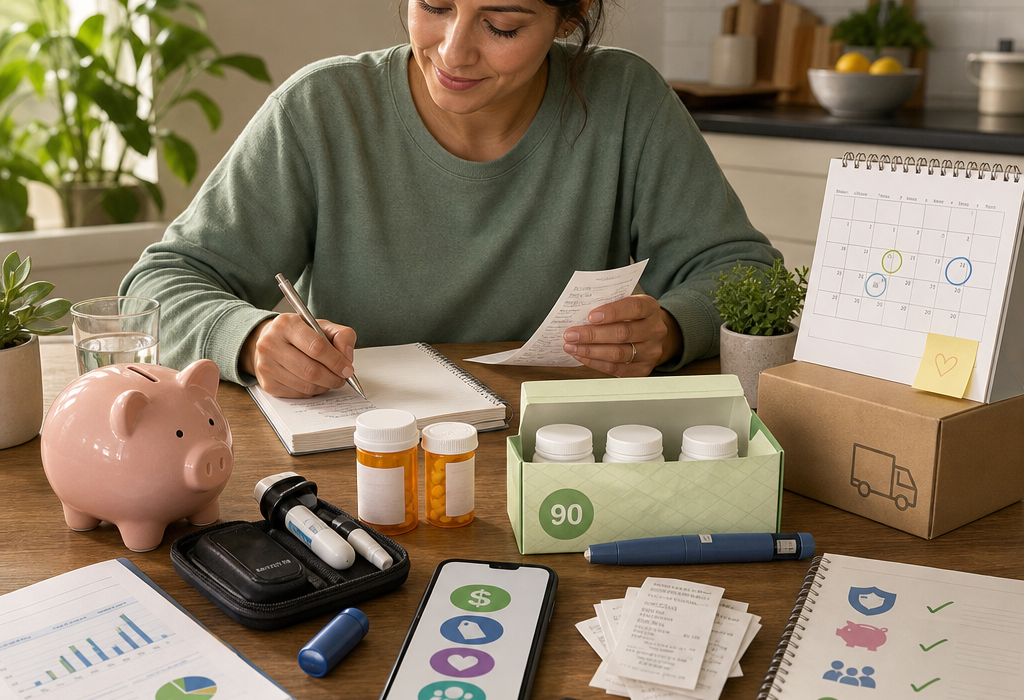
6. Use a 90-Day Supply When Possible
Buying a 90-day supply can lower the cost per dose and reduce pharmacy copays. This works especially well for medications you take regularly and consistently.
A 90-day supply may help with:
– Oral diabetes medications
– Some insulin prescriptions
– Supplies like test strips or pen needles, depending on your plan
Ask your insurance company and pharmacy whether a 90-day fill is allowed and whether it offers savings. Some plans even encourage mail-order refills for maintenance medications.
7. Review Your Insurance Formulary
Your insurance formulary is the list of medications and supplies your plan prefers to cover. Choosing a formulary-approved product can lower your out-of-pocket costs.
Check:
– Which insulin brands are preferred
– Whether your meter and strips are covered
– Which CGM sensors or transmitters are included
– Whether prior authorization is required
If your current product is not on the formulary, ask your doctor if a covered alternative would work. Sometimes a simple switch can save hundreds of dollars a year.
8. Ask Your Doctor for Samples or Starter Kits
Doctors’ offices sometimes receive samples or starter supplies from manufacturers. While this is usually a short-term solution, it can help bridge a gap if you are waiting for insurance approval or a financial assistance application.
You may be able to get:
– Insulin samples
– Glucose meter starter kits
– CGM trial sensors
– Prescription coupons or paperwork for assistance
Do not rely on samples long-term, but they can help you avoid missed doses during a temporary financial crunch.
9. Buy Diabetes Supplies in Bulk
If you use the same supplies every month, buying in bulk may reduce the overall cost. Some pharmacies, online suppliers, and warehouse stores offer lower per-unit prices when you purchase larger quantities.
This can be useful for:
– Test strips
– Lancets
– Pen needles
– Alcohol swabs
– Glucose tablets
Before buying bulk supplies, make sure they will not expire before you use them and that your insurance will cover larger quantities if applicable.
10. Use Prescription Discount Cards and Apps
Prescription discount cards and mobile apps can sometimes lower the cash price of medications and supplies. These tools compare prices across pharmacies and apply negotiated discounts.
They may help with:
– Oral medications
– Some insulin products
– Needles and test strips
– Non-covered prescriptions
Popular discount programs are easy to use, but always compare the discount price with your insurance copay. In some cases, insurance will still be cheaper.
11. Ask About Over-the-Counter Options
Some diabetes-related items can be purchased over the counter instead of by prescription, which may give you more pricing flexibility. In some cases, the OTC version is cheaper or easier to find.
Examples may include:
– Certain glucose meters
– Some lancets or lancing devices
– Glucose tablets
– Urine ketone strips
– Basic foot care supplies
Be sure the product is appropriate for your needs and approved by your healthcare team. For medications, however, you should never replace a prescription treatment with an OTC option without medical guidance.
12. Consider Mail-Order Pharmacies
Mail-order pharmacies can sometimes offer lower prices than local retail pharmacies, especially for ongoing medications. They may also provide automatic refills, which can reduce missed doses.
Benefits may include:
– Lower copays for 90-day prescriptions
– Home delivery
– Fewer trips to the pharmacy
– Better refill reminders
Mail-order services are especially useful for long-term diabetes medications and some supplies, but check shipping times carefully so you do not run out.
13. Use a Diabetes Care Team to Reduce Waste
Working closely with your doctor, pharmacist, diabetes educator, or care manager can help you avoid wasting money on the wrong products or unnecessary refills.
They can help you:
– Choose the right meter and strips
– Adjust prescriptions to match actual usage
– Avoid duplicate supplies
– Simplify your medication schedule
– Find the lowest-cost option that still meets your needs
Sometimes people spend more than necessary simply because their treatment plan is not aligned with how they actually use their supplies. A quick review can uncover savings.
14. Refill on Time to Avoid Emergency Purchases
Running out of insulin or test strips can force you to pay higher retail prices in an emergency. Late refills also increase the risk of skipped doses and poor glucose control.
To avoid this:
– Set refill reminders on your phone
– Track your remaining supply each week
– Ask for auto-refill if available
– Refill before the last few doses are gone
Planning ahead can save money and reduce stress. Emergency purchases are often much more expensive than scheduled refills.
15. Check Nonprofit Foundations and Charities
Several nonprofit organizations provide grants or direct support for people who struggle to afford diabetes care. These groups may help with medication costs, transportation, copays, or supplies.
Possible sources include:
– Diabetes foundations
– Patient advocacy groups
– Disease-specific grant programs
– Community charitable pharmacies
– Religious or local service organizations
Funding often opens and closes based on availability, so it helps to check regularly. Your healthcare provider or pharmacist may know which foundations are currently accepting applications.
16. Talk to Your Provider Before Skipping Doses
If cost is making it hard to take your medication as prescribed, do not silently reduce doses or skip supplies. That can lead to dangerous blood sugar swings, emergency room visits, and higher long-term costs.
Instead, tell your provider exactly what you can and cannot afford. They may be able to:
– Change your medication to a lower-cost option
– Write a prescription for a different quantity
– Recommend more affordable supplies
– Help you apply for assistance programs
– Coordinate with a pharmacist to find savings
This is often the most important step of all. Your healthcare team can only help if they know you are struggling.
Common Questions About Affording diabetes medication costs and Supplies
What is the cheapest way to get diabetes medication?
The cheapest option depends on your prescription, insurance, and location. In many cases, the lowest-cost approach includes generic medications, insurance formulary choices, discount programs, and patient assistance programs.
Can I get insulin for free?
Some people qualify for manufacturer patient assistance programs, nonprofit aid, or state-based support that can reduce insulin costs to very little or nothing. Eligibility usually depends on income and insurance status.
Is it safe to buy diabetes supplies online?
Yes, but only from reputable, licensed pharmacies or recognized medical supply companies. Avoid websites that sell prescription products without proper verification.
What if I cannot afford my test strips?
Ask your doctor whether a lower-cost meter system is available, check for manufacturer coupons, compare pharmacies, and explore nonprofit assistance. Some people can also reduce costs by using a 90-day supply or a different covered brand.
Can I switch insulin brands to save money?
Sometimes, yes, but only under medical supervision. Different insulins are not always interchangeable in a simple way, so talk to your provider before switching.
How to Start Saving Right Away
If you need to reduce diabetes costs quickly, focus on these first:
1. Compare pharmacy prices
2. Check your insurance formulary
3. Ask about generic or covered alternatives
4. Search for manufacturer savings cards
5. Contact patient assistance programs
6. Speak openly with your healthcare provider about cost barriers
Even one or two changes can make a meaningful difference.
Final Thoughts
Affording diabetes medication and supplies can feel overwhelming, but there are many ways to lower your costs. The key is to combine several strategies: compare prices, use insurance wisely, apply for assistance, and talk openly with your healthcare team.
You should never have to choose between your health and your budget. By using these 16 smart ways to afford diabetes medication and supplies, you can find practical savings while keeping your diabetes management on track.