A good vegetable dish starts before the pan is hot. Buying produce in good condition, keeping it in the right place and preparing only what you need can make everyday cooking easier. The aim is not to memorize one storage rule for every vegetable, but to notice how leaves, roots and ripe fruits behave differently.
Buy for the meals you will actually cook
Begin with a short meal plan. Choose delicate leaves and herbs for the first meals after shopping, and sturdier vegetables for later. Seasonal produce can offer good flavor and value, but local or organic labels do not automatically guarantee better freshness or mean that a crop was grown without any pesticides. Inspect the vegetables themselves.
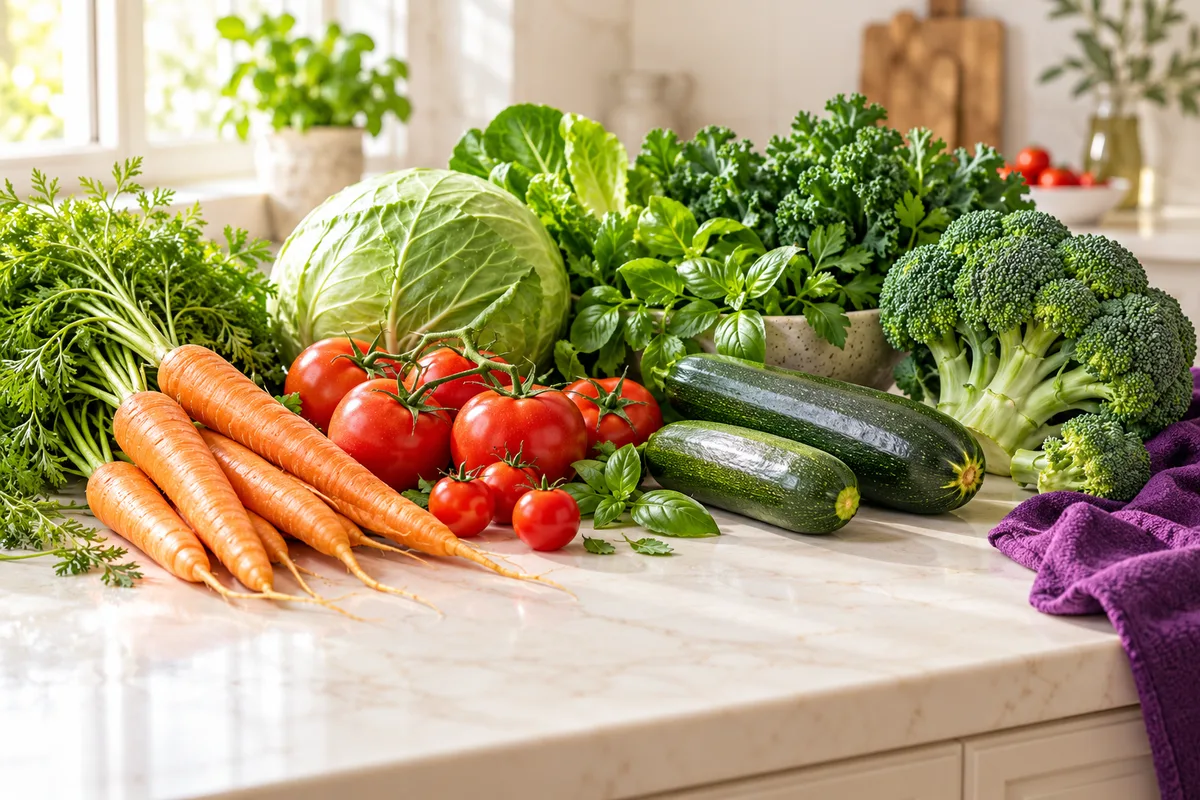
A useful basket might include one leafy green, one sturdy vegetable such as cabbage or carrots, and a quick-cooking option such as broccoli or zucchini. That gives you several cooking methods without leaving you with five half-used bags.
Use more than color to judge freshness
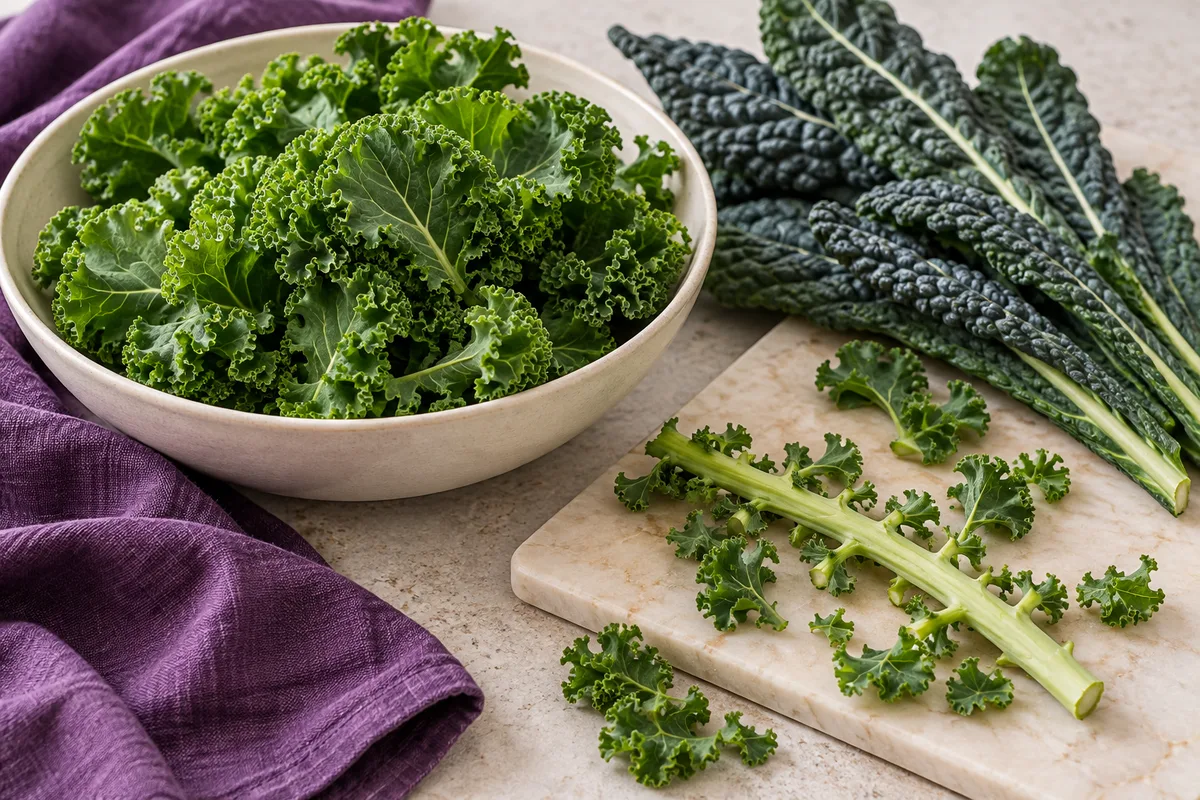
- Leaves: look for crisp or lively leaves rather than slimy, badly wilted or decaying ones.
- Roots: choose firm examples without extensive soft spots. A few irregular shapes do not make a vegetable poor quality.
- Heads and florets: inspect for compact growth and signs of decay. White cauliflower is only one variety; purple, orange and green cultivars are not inherently defective.
- Cut ends: deeply dried stems can indicate moisture loss. Check the rest of the vegetable rather than relying on one feature alone.
A vegetable's normal aroma is useful; a sour or rotten smell is a reason to leave it behind. Weight can help compare similar-sized examples, but it is not a universal quality test.
Give different vegetables different storage conditions
Keep tender greens and many freshly cut vegetables refrigerated. Avoid trapping them in pools of water, which encourages deterioration. A clean container and a paper towel to absorb excess moisture can be more helpful than tightly packing wet leaves.
Store whole potatoes in a cool, dark, ventilated place. Whole dry onions also need ventilation; avoid storing them in a sealed wet bag. Ripen tomatoes away from direct sun, then plan to use them promptly. Storage quality depends on ripeness, the vegetable and your kitchen temperature, so a fixed number of days is not a reliable rule for every household.
Wash before preparation
Wash hands and clean the work surface before cutting produce. Rinse vegetables under running water; do not wash them with household soap or detergent. Scrub firm produce with a clean produce brush when appropriate. Keep ready-to-eat vegetables and their utensils separate from raw meat.
Check the label on packaged produce. Products labeled ready to eat or prewashed may have different handling instructions. Cut away damaged areas where appropriate and discard produce with mold or decay rather than treating cooking as a way to rescue spoiled food.
Prepare once, use in more than one meal
Match your cuts to the cooking method. Small, even pieces cook more predictably in a stir-fry, while larger pieces can suit a roast. Broccoli stalks can be peeled and sliced, and sound vegetable trimmings may suit a vegetable stock. Avoid adding spoiled scraps or assuming every peel and leaf is edible.
For a focused example, follow the broccoli preparation guide. Keep a small note of what you threw away each week; buying less of a frequently wasted vegetable can be more useful than finding an elaborate use for every leftover.
Editorial note: adapted and substantially rewritten from the owner's Monir Chef archive. Image: AI-generated editorial illustration.