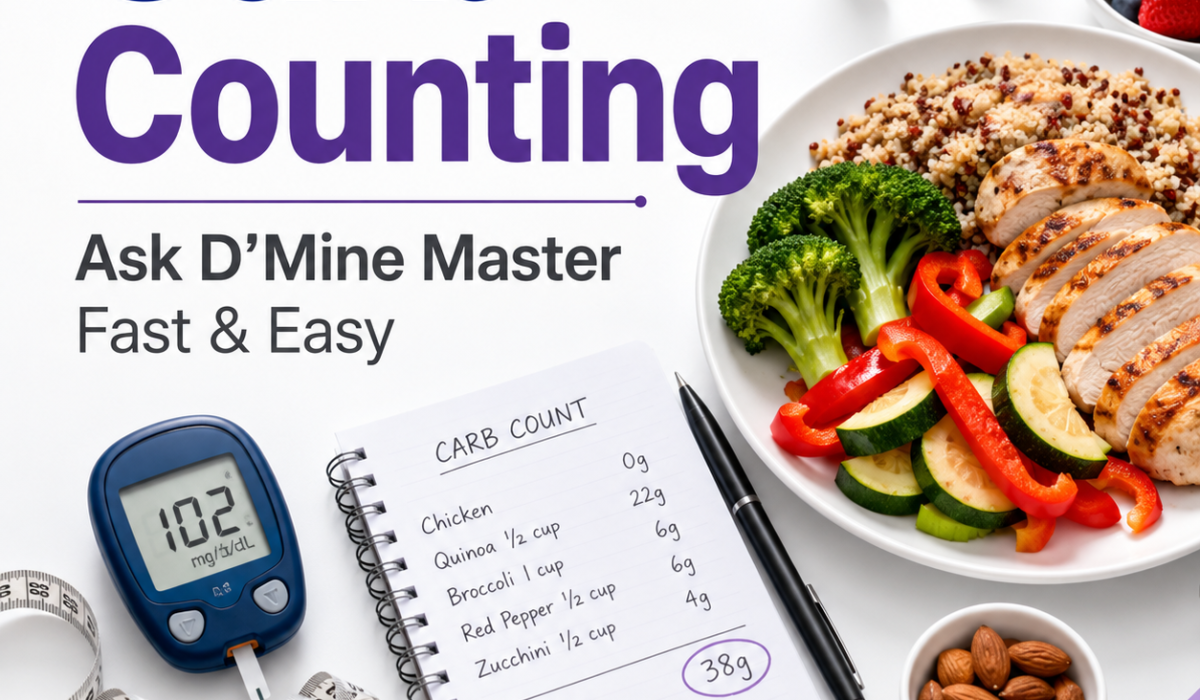
Carb Counting does not have to be complicated. If you are trying to manage diabetes, improve meal planning, or simply understand what is on your plate, learning how to count carbohydrates can make everyday food choices much easier. The key is to keep it simple, practical, and consistent.
This guide explains carb counting in a clear, step-by-step way so you can get started fast and build confidence over time. If you want a broader overview of how insulin delivery and meal timing can work together, you may also find this insulin pump guide helpful.
Table of Contents
- What Is Carb Counting?
- Why Carb Counting Matters
- The Fastest Way to Start Counting Carbs
- How to Count Carbs in a Meal
- What Counts as a Carb?
- Should You Count Total Carbs or Net Carbs?
- How Much Carb Should You Eat?
- Easy Carb Counting Tips for Beginners
- Carb Counting When Eating Out
- Common Carb Counting Mistakes
- Carb Counting and Blood Sugar
- Simple Carb Counting Examples
- How to Make Carb Counting Easier Long Term
- Frequently Asked Questions About Carb Counting
- Final Thoughts
What Is Carb Counting?
Carb Counting is the process of tracking the amount of carbohydrates you eat and drink. Carbohydrates are one of the main nutrients in food and have the biggest impact on blood sugar compared with protein and fat.
Carbs are found in:
- Bread, rice, pasta, and cereal
- Fruit and fruit juice
- Milk and yogurt
- Beans and lentils
- Starchy vegetables like potatoes, corn, and peas
- Sweets, desserts, and sugary drinks
When you count carbs, you can better match food choices to your health goals, medication plan, and activity level. This makes carb counting useful not only for people with diabetes, but also for anyone who wants a clearer picture of how meals affect energy and hunger.
It also gives you a simple way to compare one meal with another. Instead of wondering why one breakfast leaves you hungry and another keeps you full, you can look at the carbohydrate amount, the serving size, and the rest of the meal together. Over time, that makes food decisions feel less random and more predictable.
Why Carb Counting Matters
Carb Counting is especially useful for people with diabetes because carbohydrates raise blood glucose more directly than other nutrients. Knowing how many carbs are in a meal helps with:
- Better blood sugar control
- More accurate insulin dosing, when applicable
- Easier meal planning
- More flexibility with food choices
- Greater confidence eating at home or away from home
Even if you do not have diabetes, carb counting can help you manage energy levels, portion sizes, and overall nutrition. Many people also find it easier to notice patterns, such as which meals keep them full longer and which foods lead to rapid hunger afterward.
One reason carb counting remains so practical is that it gives you a repeatable framework. Instead of guessing, you can estimate meals in a consistent way and make adjustments based on your own results.
For many people, that consistency matters more than precision. A meal plan that you can repeat day after day is often more useful than one that looks perfect on paper but is too hard to follow in real life. That is why a simple carb-counting routine can be a strong foundation for long-term diabetes management.
The Fastest Way to Start Counting Carbs
If you want to master carb counting quickly, start with these three steps:
1. Learn Which Foods Contain Carbs
Focus first on the foods that usually add the most carbohydrates to a meal. These are often the easiest to identify:
- Grains and grain products
- Fruit
- Milk and yogurt
- Beans and starchy vegetables
- Desserts and sweet drinks
Non-starchy vegetables, meat, fish, eggs, cheese, oils, and butter usually contain little or no carbohydrate. That means they may add very few carbs to your meal total, even though they still matter for nutrition and satisfaction.
It can help to sort foods into three quick groups: foods that are mostly carb, foods that have a little carb, and foods that have almost none. That mental shortcut speeds up meal planning and makes it easier to build a plate without starting from scratch every time.
2. Read Nutrition Labels
The nutrition label is the easiest tool for carb counting. Look at the line that says Total Carbohydrate. This number includes:
- Starches
- Sugars
- Fiber
If the label says one serving has 30 grams of total carbohydrate, that is the number you use for carb counting.
Pay attention to the serving size. If you eat more than one serving, you need to multiply the carb amount. For example, if a package contains two servings and you eat the whole package, you must double the total carbohydrate listed on the label.
That small detail is one of the easiest ways to improve accuracy. Many foods that look like a single portion actually contain more than one serving, especially drinks, packaged snacks, cereal, frozen meals, and restaurant-style foods sold in grocery stores.
3. Estimate Common Portions
Not every meal comes with a label, so it helps to learn a few common carb counts by memory.
Examples:
- 1 slice of bread: about 15 grams of carbs
- 1 small apple: about 15 grams
- 1 cup of milk: about 12 grams
- 1/3 cup of cooked rice: about 15 grams
- 1 cup of pasta: about 40 grams
- 1/2 cup of beans: about 15 grams
These are estimates, but they are a strong starting point for quick meal calculations. Over time, you will likely memorize the foods you eat most often and become faster without needing to check every item.
A good way to build this skill is to practice with the meals you already eat. If you eat oatmeal for breakfast, a sandwich for lunch, or rice at dinner, start there. Repetition with familiar foods is usually the fastest path to confidence.
How to Count Carbs in a Meal
A simple way to count carbs in a meal is to add up the carbs from each item.
For example:
- 2 slices of bread = 30 grams
- Turkey sandwich filling = 0 grams
- 1 small apple = 15 grams
- Water = 0 grams
Total meal carbs = 45 grams
This method works for breakfast, lunch, dinner, and snacks. The more you practice, the faster it becomes. A useful habit is to build meals from familiar combinations, then adjust the portions when you want more or less carbohydrate.
Some people find it helpful to compare their estimates against food labels or a reliable database. For example, the USDA FoodData Central nutrition database can help you look up the carb content of foods that do not have a package label.
You can also make the process easier by counting the meal in layers. Start with the starch, then add fruit or dairy, and finally check sauces, dressings, and drinks. That approach keeps you from overlooking the smaller items that can quietly raise the total.
What Counts as a Carb?
A common question is whether all foods count as carbs. The answer is no. Some foods have little to no carbs, while others are carb-heavy.
Foods that count toward carb totals
- Bread, pasta, rice, tortillas
- Cereal and granola
- Fruit
- Milk and yogurt
- Beans, lentils, and peas
- Potatoes, corn, and sweet potatoes
- Soda, juice, candy, and desserts
Foods that usually do not count much
- Meat
- Fish
- Chicken
- Eggs
- Cheese
- Butter, oil, and most fats
- Non-starchy vegetables such as lettuce, broccoli, spinach, and cucumbers
Mixed dishes can be trickier. A burrito, casserole, soup, or pasta meal may contain carbs from several ingredients, so it helps to break the dish into parts instead of guessing the total all at once.
When in doubt, look for the main carb source first. In most mixed meals, that will be bread, rice, pasta, potatoes, beans, fruit, or a sweet sauce. Once you identify that item, the rest of the estimate usually becomes much easier.
Should You Count Total Carbs or Net Carbs?
For most people, total carbohydrates are the best number to use. That is the number listed on the nutrition label and the most reliable for everyday carb counting.
Some people talk about net carbs, which usually subtract fiber and sugar alcohols. While this can be useful in certain situations, it is not always the best choice for diabetes management unless your healthcare provider recommends it.
If you are unsure, start with total carbs. It is simpler and more consistent. It also reduces the chance of undercounting when you are learning how different foods affect you.
In practice, that means using the number on the label first and only making adjustments if your diabetes care team gives you a specific plan to do so.
If a product has a lot of fiber, it may still be worth checking the ingredients and the full label carefully. Fiber can change how a food affects you, but it does not make a food automatically carb-free. The safest habit is to begin with total carbohydrates and use any additional guidance from your care team only when it fits your treatment plan.
How Much Carb Should You Eat?
There is no single carb target that works for everyone. Your ideal amount depends on:
- Age
- Weight
- Activity level
- Medications
- Blood sugar goals
- Medical conditions
- Personal preferences
Some people do well with a consistent carb plan, while others use carb counting more flexibly. A registered dietitian or diabetes care provider can help you set the right target for your needs.
If your routine changes from day to day, you may benefit from learning how to estimate several different meal sizes. If your routine stays more consistent, repeating similar carb totals at breakfast, lunch, and dinner may make management easier.
It can also help to think about the carb amount in the context of your whole day. A breakfast that feels perfect may not work well if the rest of your meals are much larger or much smaller. Looking at the full day can help you spot patterns and make more balanced choices without feeling restricted.
Easy Carb Counting Tips for Beginners
Carb Counting gets much easier when you use a few simple habits.
Keep a carb cheat sheet
Write down the carb values of your most common foods. Keep the list on your phone or on the fridge.
Use measuring cups at first
Portion sizes can be hard to judge. Measuring food for a few weeks can help train your eye.
Pick repeat meals
Eating the same or similar breakfast or lunch often makes carb counting faster and more accurate.
Check labels before buying
Food labels can vary widely. Two similar products may have very different carb amounts.
Use a food app if needed
Apps can make tracking easier, especially if you eat a lot of packaged foods or eat out often. If you like digital tracking, choose a tool that lets you save favorite meals and common serving sizes so you do not have to start over each time.
Watch toppings and condiments
Small add-ons can change the total. Ketchup, barbecue sauce, sweet dressings, breading, and flavored yogurt can all increase carb totals more than people expect.
Build a routine you can repeat
Long-term success usually comes from a system that is simple enough to maintain. If your method feels too complicated, simplify it until it fits your daily life.
Another useful habit is to keep notes on what works. If a certain breakfast keeps your glucose steadier, save that pattern. If a different snack causes confusion, write down the carb total and the portion size so you can compare it next time. Small records like these can make your food choices easier later.
Carb Counting When Eating Out
Restaurant meals can be tricky because portions are often larger than expected. To stay on track:
- Check the restaurant nutrition guide if available
- Estimate based on similar foods you know
- Watch for hidden carbs in sauces, breading, and dressings
- Ask for sauces or dressings on the side
- Be careful with sugary drinks, appetizers, and desserts
If you are unsure, choose simpler meals like grilled protein, vegetables, and a measured portion of starch.
It can also help to decide ahead of time whether you want bread, fries, dessert, or a sweet drink. Choosing one or two extras instead of all three can make the meal easier to estimate and easier to fit into your plan.
If you eat out often, practice with a few favorite restaurants first. Once you know the carb patterns of familiar orders, the process becomes much faster.
For more complicated menus, start by identifying the main starch and then estimate the rest. A sandwich, wrap, or bowl-style meal may have hidden carbs in the tortilla, grains, beans, or sauce, so it is worth pausing for a quick breakdown before you order.
Common Carb Counting Mistakes
Everyone makes mistakes when learning carb counting. The most common ones include:
- Forgetting serving sizes
- Ignoring drinks like juice or soda
- Not counting sauces, toppings, or condiments
- Assuming all “healthy” foods are low in carbs
- Estimating portions too generously
- Confusing total carbs with sugar alone
Avoiding these mistakes can improve accuracy right away. It also helps to remember that a food can be healthy and still contain a meaningful number of carbs. For example, fruit and beans are nutritious choices, but they still need to be counted.
Another common issue is forgetting that beverages can add up quickly. A glass of juice, a regular soda, or a sweet coffee drink may contain as many carbs as a snack or side dish.
Portion drift is another challenge. A half cup of rice served at home can slowly become a full cup over time if you stop measuring. Even a small increase can change the total enough to matter, especially if you are trying to keep meals steady from day to day.
Carb Counting and Blood Sugar
If you manage diabetes, carb counting is only one part of blood sugar control. Protein, fat, timing, activity, stress, and medication also matter.
A meal with the same carb amount can affect blood sugar differently depending on what else is in it. For example, a meal with refined carbs may raise blood sugar faster than a meal with fiber, protein, and healthy fat.
That is why consistency matters. Try to keep carb amounts balanced from meal to meal unless your care plan says otherwise.
Some people also use carb counting as a way to notice how their body responds to different food combinations. A breakfast with oats, eggs, and berries may feel very different from one made with a pastry and juice, even if the carb totals look similar on paper.
For additional background on diabetes technology and meal-related treatment decisions, the article on Tandem Control-IQ Diabetes Management System Explained offers related context.
Food timing can matter too. If a meal is delayed, skipped, or eaten much later than usual, your usual carb pattern may not work the same way. Watching timing alongside carb totals gives you a fuller picture of what affects your blood sugar.
Simple Carb Counting Examples
Here are a few quick examples to make the process easier:
Example 1: Breakfast
- 2 eggs = 0 grams
- 2 slices toast = 30 grams
- 1 cup milk = 12 grams
Total = 42 grams of carbs
Example 2: Lunch
- Chicken breast = 0 grams
- 1 cup rice = 45 grams
- Salad with dressing = 5 grams
Total = 50 grams of carbs
Example 3: Snack
- 1 banana = 27 grams
- 1 tablespoon peanut butter = 3 grams
Total = 30 grams of carbs
Example 4: Simple dinner
- Grilled fish = 0 grams
- 1 medium potato = 30 grams
- Steamed broccoli = 6 grams
- 1 small roll = 15 grams
Total = 51 grams of carbs
These examples show how quickly carbs can add up, even in meals that look simple. They also show why it helps to count every part of the plate instead of focusing only on the main dish.
It can be useful to compare a few different versions of the same meal. For example, swapping a roll for extra vegetables or choosing water instead of juice can lower the total without changing the whole meal. Those small adjustments often make carb counting easier to live with day after day.
How to Make Carb Counting Easier Long Term
The best way to master carb counting is to make it part of your routine. Over time, you will recognize familiar foods faster and rely less on measuring every item.
To make it easier:
- Learn the carb counts of your top 20 foods
- Plan meals ahead when possible
- Keep balanced snacks available
- Recheck labels for new products
- Review your food patterns regularly
Small habits lead to better results than trying to be perfect every time. If your schedule changes, adjust your meal plan to fit real life instead of trying to follow a plan that is too rigid to maintain.
Many people also benefit from reviewing meals after the fact. If a meal led to an unexpected blood sugar response, look back at portion sizes, sauces, drinks, and timing to see what may have changed the result.
As your confidence grows, you may start recognizing the carb content of your usual foods without doing a full calculation. That is a normal part of learning. The goal is not to count every bite forever, but to build enough skill that your choices become second nature.
Frequently Asked Questions About Carb Counting
Is carb counting hard to learn?
Not really. The basics are simple: identify carb foods, read labels, and add totals. It becomes much easier with practice.
Do vegetables count as carbs?
Some do, but not all. Starchy vegetables like potatoes and corn count more than non-starchy vegetables like broccoli and lettuce.
Can I count carbs without a scale?
Yes. You can use labels, measuring cups, and common portion estimates. A scale can help, but it is not required.
What if my meal has no label?
Use a food app, restaurant nutrition info, or common carb estimates based on similar foods.
Are sugar-free foods carb-free?
Not always. Sugar-free foods may still contain carbs from starches, milk, or other ingredients, so always check the label.
Is fiber included in total carbohydrates?
Yes. Fiber is included in the total carbohydrate number on the nutrition label. That is one reason total carbs is the simplest place to start.
Can carb counting help with snacks too?
Yes. Snacks can be counted the same way as meals. In fact, many people find snacks easier to estimate once they know a few standard carb amounts by heart.
What is the simplest way to get better at carb counting?
Focus on the foods you eat most often, then practice reading labels and estimating portions until those numbers feel familiar. Repeating the same few meals is often the fastest way to improve.
Final Thoughts
Carb Counting is one of the most useful skills for managing meals and blood sugar, and it does not need to be overwhelming. Start with the basics: learn which foods contain carbs, read labels carefully, and practice estimating portions you eat often.
With a little repetition, you can master carb counting fast and easy. The goal is not perfection. The goal is confidence, consistency, and better control over your health.
If you want to keep building your diabetes knowledge, exploring related topics like pumps, automated insulin delivery, and meal timing can give you an even better sense of how food fits into your overall management plan.