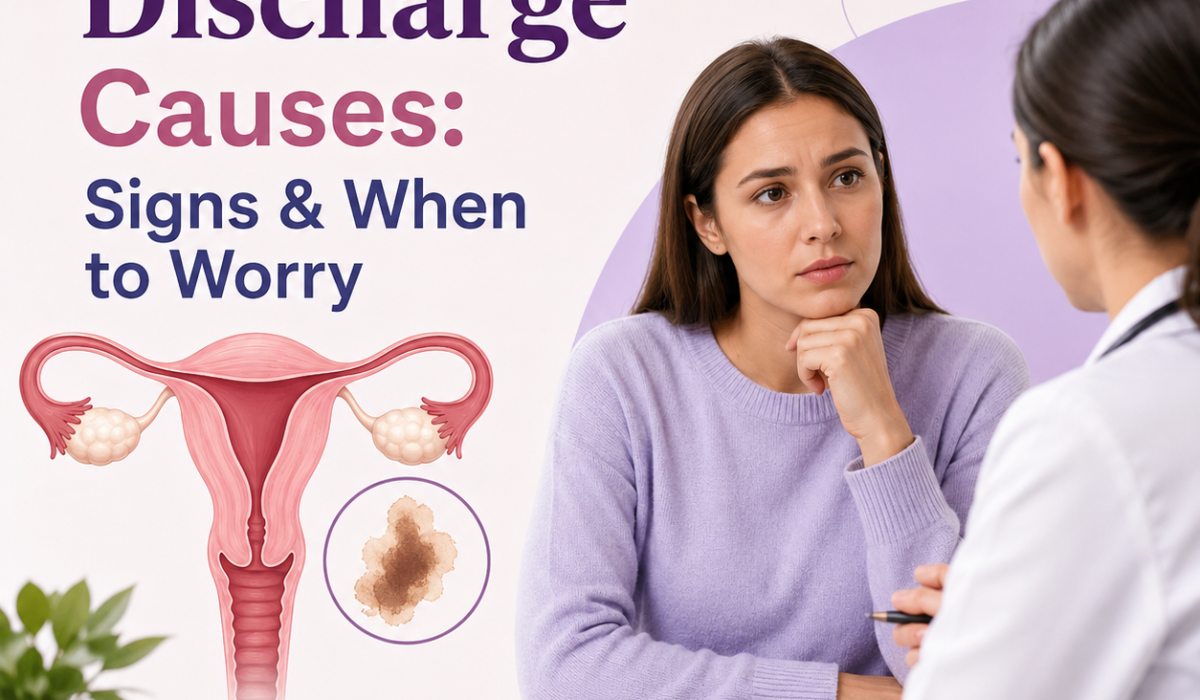
Brown Vaginal Discharge is usually old blood leaving the body. In many cases, it is harmless and temporary, especially around the start or end of a period. However, brown vaginal discharge can also happen for other reasons, and sometimes it may signal an infection, hormonal change, pregnancy-related issue, or another health condition.
Understanding what brown vaginal discharge means, what causes it, and when to seek medical help can make it easier to know whether it is normal or something that needs attention.
Table of Contents
- What Does Brown Vaginal Discharge Mean?
- Common Causes of Brown Vaginal Discharge
- Brown Discharge During Pregnancy
- Brown Discharge After a Period
- Brown Discharge Before a Period
- Brown Discharge and Odor: What It Means
- When Brown Vaginal Discharge Is Normal
- When to Worry About Brown Vaginal Discharge
- Brown Discharge and Pregnancy Test: When to Take One
- How Doctors Evaluate Brown Vaginal Discharge
- Treatment Depends on the Cause
- How to Reduce Brown Discharge Caused by Irritation or Hormonal Changes
- Key Takeaway
What Does Brown Vaginal Discharge Mean?
Brown Vaginal Discharge is typically discharge mixed with old blood. Blood turns brown when it has had time to oxidize, which means it has been exposed to air before leaving the body. This is why blood at the end of a period often looks brown rather than bright red.
Brown discharge can appear as light brown spotting, dark brown discharge, brown discharge with mucus, or brown discharge with a slight odor. Sometimes it is only noticeable when you wipe, while other times it may be enough to stain underwear.
The meaning depends on timing, amount, and whether you have other symptoms such as pain, itching, fever, or unusual bleeding. In many cases, brown vaginal discharge is simply old blood that is leaving the uterus slowly.
Common Causes of Brown Vaginal Discharge
1. Beginning or End of Your Period
This is the most common cause. Brown vaginal discharge often happens right before a period starts, at the end of a menstrual cycle, or after the period seems to have ended.
In these cases, the discharge is usually just old menstrual blood leaving the uterus slowly. If your flow is light, the blood may have more time to oxidize before it comes out, which makes it look brown.
2. Spotting Between Periods
Light brown spotting between periods can happen for several reasons, including hormonal fluctuations, ovulation, stress, changes in birth control, or minor cervical irritation.
If it happens occasionally, it may not be serious. If it is frequent or heavy, it should be checked. Brown vaginal discharge that appears between periods can also be easier to notice after exercise or sexual activity.
3. Pregnancy-Related Spotting
Brown Vaginal Discharge can occur in early pregnancy. Possible causes include implantation bleeding, cervical changes during pregnancy, or minor spotting after sex or a pelvic exam.
Brown spotting during pregnancy is not always dangerous, but it should be reported to a healthcare provider, especially if it is accompanied by cramps or pain. If you are pregnant, even a small amount of brown vaginal discharge deserves attention if it is new or changing.
4. Hormonal Birth Control
Starting, stopping, or changing hormonal birth control can cause breakthrough spotting. This spotting may appear brown because the blood is old and comes out slowly.
This can happen with birth control pills, hormonal IUDs, implants, injections, the patch, or the ring. Brown vaginal discharge is more likely during the first few months of use or after missed pills.
5. Ovulation
Some people notice light spotting around ovulation. This is usually due to normal hormonal shifts and may appear pink or brown. It is usually brief and mild.
For many people, ovulation spotting is not a sign of a problem. If the discharge becomes heavier, lasts longer, or happens every cycle with pain, it is worth discussing with a clinician.
6. After Sex
Brown Vaginal Discharge after intercourse can happen if the cervix or vaginal tissue is slightly irritated. It may also occur if old blood from a previous period is released during sex.
If bleeding after sex happens often, it should be evaluated because it can sometimes be related to infection, cervical polyps, or other cervical changes. A relevant article on bleeding after sex explains when post-sex bleeding is more concerning.
7. Infection
Infections can cause brown vaginal discharge, especially if there is irritation or bleeding in the vagina or cervix. Possible infections include bacterial vaginosis, yeast infection, sexually transmitted infections such as chlamydia or gonorrhea, cervicitis, and pelvic inflammatory disease.
Infection-related discharge may also come with strong odor, itching, burning, pelvic pain, pain during sex, or fever. If brown vaginal discharge appears with these symptoms, it is more likely to need treatment.
8. Uterine or Cervical Conditions
Certain non-emergency conditions can also cause brown vaginal discharge, such as cervical polyps, uterine fibroids, endometriosis, polyps in the uterus, or cervical inflammation.
These conditions may cause irregular spotting, heavier periods, or pelvic discomfort. In some cases, the bleeding is so light that it only shows up as brown discharge rather than bright red blood.
9. Perimenopause
As hormone levels change during perimenopause, periods may become irregular. Brown vaginal discharge may happen more often because bleeding can be lighter, slower, or less predictable.
Some people also notice more spotting after missed periods or longer gaps between cycles. If you are approaching menopause and see new brown vaginal discharge, it is worth monitoring closely.
10. After a Missed Period
If your period is late and you notice brown discharge, it could be a delayed period, early pregnancy spotting, hormonal imbalance, or stress-related cycle changes.
A pregnancy test may help if there is any chance you could be pregnant. If the result is negative but the discharge continues, keep tracking your cycle and talk to a healthcare professional if needed.
Brown Discharge During Pregnancy
Brown Vaginal Discharge during pregnancy can be normal in small amounts, but it should always be taken seriously enough to mention to a healthcare provider. It may happen because of implantation, cervical sensitivity, or old blood from earlier spotting.
However, brown vaginal discharge during pregnancy can also be linked to complications, especially if you have cramping, heavy bleeding, one-sided pain, dizziness, shoulder pain, or fever.
If you are pregnant and have brown vaginal discharge, especially later in pregnancy, it is best to get medical advice promptly. For more detail about pregnancy-related bleeding after intimacy, see bleeding after sex during pregnancy.
Seek urgent care right away if you have heavy bleeding, severe pain, fainting, or concerns that the pregnancy may be at risk.
Brown Discharge After a Period
Brown Vaginal Discharge after a period is very common. It usually means the uterus is still clearing out old blood. This can last for a day or two, and sometimes a little longer, especially if your flow was lighter or slower near the end.
This type of discharge is usually normal if it happens right after menstruation, there is no pain, there is no foul smell, and it stops on its own.
Some people also notice brown discharge after a period when they have a slower cycle, have recently started a new contraceptive method, or are recovering from a heavier-than-usual period.
Brown Discharge Before a Period
Brown Vaginal Discharge before a period can mean the next cycle is starting slowly. It may also be due to hormonal changes, stress, breakthrough bleeding, birth control effects, or early pregnancy spotting.
If it happens every month and is predictable, it may simply be part of your cycle. If it is new or irregular, keep track of it and talk to a doctor if needed.
Brown discharge before a period can also occur with spotting from the uterus lining shedding in small amounts before full menstrual flow begins. This pattern is often harmless, but it should still be watched if it becomes more frequent.
Brown Discharge and Odor: What It Means
Brown Vaginal Discharge by itself is not usually concerning. But if it has a strong, unpleasant odor, it may be a sign of infection or retained blood.
Contact a healthcare provider if brown discharge has a fishy smell, a rotten smell, greenish or yellowish color mixed in, itching or irritation, or pelvic pain.
A mild metallic or slightly musty smell can sometimes happen with old blood and may not be a problem. If the smell is new, strong, or paired with discomfort, it is safer to have it checked.
When Brown Vaginal Discharge Is Normal
Brown Vaginal Discharge is often normal when it appears at the start or end of a period, is light and short-lived, happens after ovulation, occurs after changes in birth control, or happens once in early pregnancy without other symptoms.
In these situations, it is usually just old blood or minor spotting. Many people notice brown vaginal discharge only occasionally, and it never develops into a larger problem.
When to Worry About Brown Vaginal Discharge
Brown Vaginal Discharge is more concerning when it is frequent or persistent, heavy or increasing, associated with pain or cramping, accompanied by fever, foul-smelling, occurring after sex repeatedly, happening during pregnancy, or combined with itching, burning, or pelvic pain.
You should seek medical care if you notice bleeding between periods that keeps happening, brown discharge lasting more than a few days without a clear reason, new discharge after menopause, bright red bleeding with brown discharge, severe abdominal or pelvic pain, signs of pregnancy complications, or symptoms of infection.
If the discharge is new for you, it is reasonable to keep notes on the color, amount, smell, timing in your cycle, and any symptoms that occur with it. This information can help your doctor narrow down the cause faster.
Brown Discharge and Pregnancy Test: When to Take One
If you have brown vaginal discharge and your period is late, take a pregnancy test if pregnancy is possible. Brown spotting can happen in early pregnancy, but it can also happen before a period starts.
A test is especially important if you also have nausea, breast tenderness, fatigue, frequent urination, or a missed period.
If the test is positive and you have brown vaginal discharge, contact a healthcare provider for guidance. If it is negative but your period still does not arrive, repeat the test in a few days or follow up with a clinician if needed.
How Doctors Evaluate Brown Vaginal Discharge
If brown vaginal discharge is unusual, persistent, or accompanied by other symptoms, a doctor may ask about your menstrual cycle, birth control use, pregnancy possibility, sexual activity, pain, odor, itching, fever, or recent infections or procedures.
They may also perform a pelvic exam, swabs for infection, a pregnancy test, cervical screening, or ultrasound if needed. This helps identify whether the cause is hormonal, infectious, pregnancy-related, or structural.
Sometimes the evaluation is simple and the result is reassuring. In other cases, a closer look is needed to rule out problems that should be treated sooner rather than later. For example, a person with ongoing spotting may also need evaluation for brown spotting before a period if the pattern is more cyclical than concerning.
Treatment Depends on the Cause
Brown Vaginal Discharge itself usually does not need treatment. Treatment is only needed if there is an underlying cause.
Possible treatments include antibiotics for certain infections, antifungal medication for yeast infections, hormonal adjustments for irregular cycles or birth control bleeding, treatment for fibroids, polyps, or other gynecologic conditions, and pregnancy monitoring if spotting occurs during pregnancy.
When the discharge is related to a temporary cycle change, the main treatment may be simple observation. If there is an underlying infection or cervical condition, the treatment plan depends on the diagnosis.
How to Reduce Brown Discharge Caused by Irritation or Hormonal Changes
Some causes cannot be prevented, but these steps may help reduce irritation or spotting: use birth control correctly, track your cycle, avoid douching, practice safe sex, get prompt treatment for infections, and manage stress and sleep if hormonal shifts are affecting your cycle.
You can also reduce irritation by avoiding harsh soaps, scented products, and unnecessary vaginal cleansing. These habits do not treat brown vaginal discharge directly, but they may lower the chance of vaginal irritation that can lead to spotting.
Do not try to self-treat if you have pain, fever, odor, or pregnancy-related bleeding. If you are unsure whether the discharge is normal, it is better to ask a healthcare professional than to wait and hope it resolves.
When Brown Vaginal Discharge Might Be Linked to Other Bleeding
Sometimes brown vaginal discharge appears with other types of bleeding, and the mix can make the pattern harder to understand. It may show up after sex, around a missed period, or during light spotting that is easy to overlook.
In some people, brown vaginal discharge can also occur with blood when wiping after urination or bowel movements. If you are not sure where the blood is coming from, a separate issue such as blood when wiping may need to be considered.
Because several conditions can overlap, the timing and symptoms matter more than the color alone. Brown discharge with no pain may be very different from brown discharge with pelvic discomfort or a fever.
Brown Vaginal Discharge and Cycle Tracking
Tracking your menstrual cycle can make brown vaginal discharge easier to understand. Write down the date, color, texture, amount, smell, and any symptoms like cramping or itching.
This can help you notice patterns such as brown vaginal discharge before a period, after ovulation, or after starting a new contraceptive method. Over time, the pattern may show whether it is simply cycle-related or something that needs evaluation.
If you use a phone app, a paper calendar, or a simple note in your phone, consistency matters more than the method. The goal is to make brown vaginal discharge easier to compare from one cycle to the next.
Brown Vaginal Discharge After Menopause
Brown Vaginal Discharge after menopause should not be ignored. Even though the amount may be small, any bleeding or spotting after menopause deserves medical attention because it is not considered a normal menstrual pattern.
Causes can include tissue thinning, polyps, hormone-related changes, or more serious conditions that need assessment. If you have already gone through menopause and see brown vaginal discharge, arrange medical care promptly.
Key Takeaway
Brown Vaginal Discharge is most often old blood and is commonly seen at the beginning or end of a period. It can also happen with ovulation, hormonal birth control, early pregnancy, or minor irritation. In some cases, it may be linked to infection, pregnancy complications, or other gynecologic conditions.
Brown Vaginal Discharge is usually not alarming when it is light, brief, and tied to your menstrual cycle. You should worry more if it is persistent, foul-smelling, painful, heavy, or occurs during pregnancy or after menopause. When in doubt, it is always best to check with a healthcare professional for the cause and the right next step.
For general symptom guidance about related bleeding patterns, the U.S. National Library of Medicine’s MedlinePlus resource on vaginal bleeding can be a helpful reference: MedlinePlus information on vaginal bleeding.