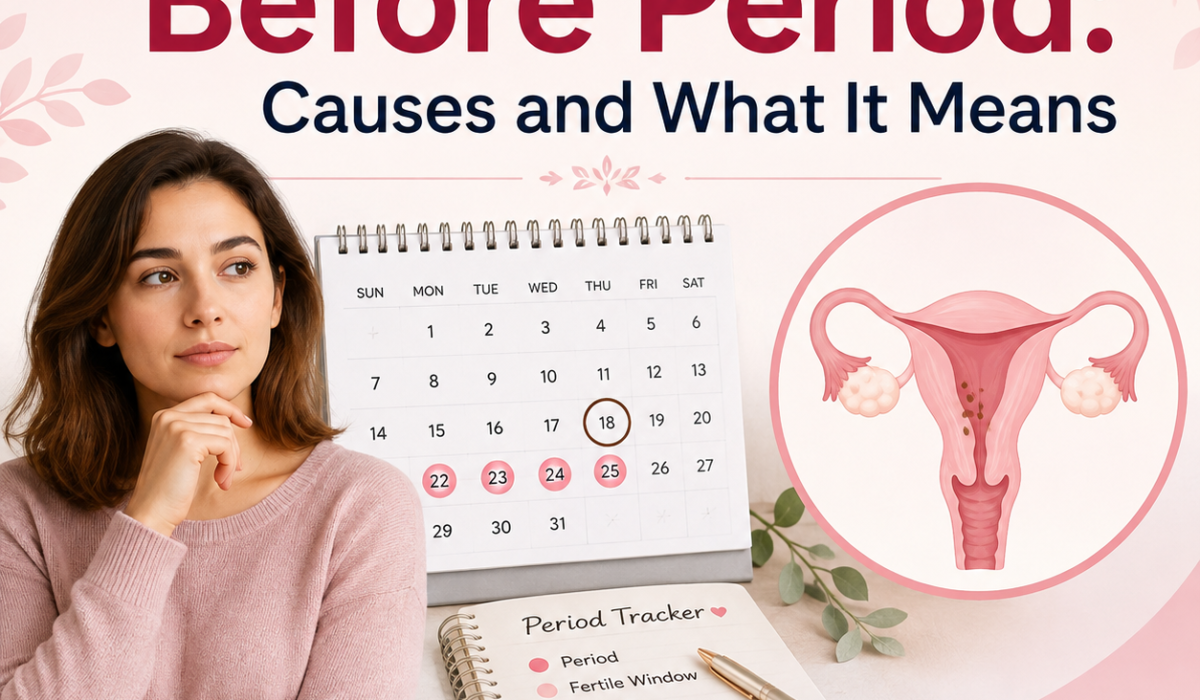
Brown Spotting Before Period is usually old blood leaving the body more slowly than usual. In many cases, it is normal and not a sign of anything serious. Still, because spotting can happen for several reasons, it helps to understand what brown discharge before a period may mean, when it is expected, and when it could signal a health issue.
- What brown spotting before a period means
- Common causes of brown spotting before period
- Is brown spotting before period normal?
- When brown spotting before period could be a concern
- Brown Spotting Before Period and pregnancy
- Brown Spotting Before Period vs. period blood
- How long brown spotting before a period can last
- What to do if you notice brown spotting before your period
- When to see a doctor
- How doctors may evaluate brown spotting
- The bottom line
What brown spotting before a period means
Brown spotting is typically blood that has had time to oxidize, which changes its color from bright red to brown or dark brown. This often happens when a small amount of blood leaves the uterus slowly, so it has more time to react with oxygen.
If you notice brown spotting before period starts, it may simply mean your period is beginning gradually. For some people, this is a normal part of their menstrual cycle. For others, it may be related to hormones, ovulation, birth control, pregnancy, or a medical condition.
Common causes of brown spotting before period
1. Your period is starting
One of the most common reasons for brown spotting before a period is that your menstrual flow is beginning slowly. The first blood to leave the uterus may be older blood from the previous cycle, which appears brown instead of red.
This is especially common if:
– your period usually starts with light spotting
– your cycles are irregular
– you have a lighter flow in general
When this pattern repeats in the same way each cycle, it often suggests your body is simply easing into menstruation. Many people who notice brown spotting before period start to recognize it as their usual early warning sign that bleeding is about to begin.
2. Hormonal changes
Hormones control the menstrual cycle, and small shifts can cause spotting before a period. Changes in estrogen and progesterone can make the uterine lining shed a little earlier than expected.
Hormonal spotting may happen because of:
– stress
– weight changes
– intense exercise
– illness
– thyroid problems
– puberty or perimenopause
If hormone-related spotting happens occasionally, it may not be a concern. If it happens often, it may be worth discussing with a healthcare provider.
Because hormones affect cycle timing, even small disruptions can cause brown spotting before period in an otherwise regular cycle. If you are also dealing with acne, cycle changes, fatigue, or mood shifts, it may help to mention those details during an evaluation.
3. Ovulation spotting
Some people experience light spotting around ovulation, which usually occurs about midway through the cycle. While this is more often pink or red, it can appear brown if the blood is older or slower to leave the body.
Ovulation spotting is usually:
– very light
– short-lived
– not painful or only mildly uncomfortable
Although ovulation spotting does not happen for everyone, it can be normal. If your cycle is regular, tracking when the spotting appears may help you tell whether it is happening closer to ovulation or just before menstruation.
4. Birth control changes
Starting, stopping, or missing hormonal birth control can lead to spotting between periods. This includes:
– the pill
– patches
– rings
– hormonal IUDs
– implants
– injections
Brown spotting before a period can happen when your body is adjusting to hormonal birth control or when the dose is not consistent. Missed pills are a common cause of breakthrough bleeding.
If spotting begins after a new contraceptive method, it often improves after a few cycles. If it continues or becomes bothersome, a clinician can help you decide whether the method is the right fit.
5. Implantation bleeding
If there is a chance you could be pregnant, brown spotting before a period may sometimes be implantation bleeding. This happens when a fertilized egg attaches to the lining of the uterus.
Implantation bleeding is usually:
– light
– short
– pink, red, or brown
– earlier than an expected period
Not everyone experiences implantation bleeding, and spotting alone does not confirm pregnancy. A pregnancy test is the best way to check if pregnancy is possible. If you want to read more about early pregnancy timing, see 14 DPO: What It Means and What to Expect.
6. Perimenopause
As you approach menopause, hormone levels naturally fluctuate. This can cause irregular cycles, skipped periods, and spotting before a period.
Perimenopause is more likely if you also notice:
– hot flashes
– night sweats
– mood changes
– cycle changes
– lighter or heavier periods than usual
During this transition, brown spotting before period can appear more often because ovulation may become less predictable. If bleeding continues after menopause, it should always be checked.
7. Cervical or vaginal irritation
The cervix and vaginal tissues are sensitive and can bleed slightly after:
– sex
– a pelvic exam
– tampon use
– vigorous exercise
This may show up as brown spotting if the blood is older or minimal. If spotting happens frequently after sex, it is worth getting checked.
When bleeding occurs after intimacy, it may overlap with other concerns such as postcoital bleeding or cervical irritation. If that sounds familiar, you may also find Bleeding After Sex: Causes, Risks, and When to Worry helpful.
8. Infections
Some infections can cause spotting, discharge changes, pelvic discomfort, or bleeding between periods. These may include sexually transmitted infections and other vaginal or cervical infections.
Signs that may point to infection include:
– unusual odor
– itching or burning
– pain during sex
– pelvic pain
– yellow, green, or gray discharge
If brown spotting comes with these symptoms, medical evaluation is important. For more general guidance about unusual bleeding, see the article on bleeding between periods from the NHS.
9. Uterine conditions
Sometimes brown spotting before period can be linked to conditions that affect the uterus, such as:
– fibroids
– polyps
– endometriosis
– adenomyosis
These conditions may also cause:
– heavier periods
– cramping
– pelvic pressure
– pain during sex
– irregular bleeding
Symptoms can vary from mild to significant, and some people have more than one cause at the same time. If spotting is becoming more frequent or your periods are changing in other ways, it is worth tracking the pattern closely.
10. Stress and lifestyle factors
Stress can affect the hormones that regulate ovulation and menstruation. Major lifestyle changes can also disrupt the menstrual cycle.
Possible triggers include:
– emotional stress
– sleep problems
– travel
– eating changes
– significant weight loss or gain
– excessive exercise
If the cause is stress-related, spotting may improve when the body returns to a more stable routine.
In some cases, the cycle settles again once the trigger passes. In others, brown spotting before period continues until the underlying issue is addressed, such as poor sleep, under-eating, or unmanaged stress.
Is brown spotting before period normal?
In many cases, yes. Brown spotting before a period is often normal, especially if:
– it happens occasionally
– it is light
– it lasts only a day or two
– it is followed by a regular period
– you have no other symptoms
Many people notice brown discharge just before menstruation starts. This is usually old blood and not a sign of a problem.
For some, brown spotting before period is simply the first stage of menstrual bleeding. For others, it appears only when hormones shift, contraception changes, or a cycle is delayed.
When brown spotting before period could be a concern
Brown spotting is more likely to need medical attention if it is:
– frequent or ongoing
– heavy
– accompanied by pain
– happening after sex
– occurring after menopause
– different from your usual cycle pattern
It may also be a concern if you have:
– very irregular periods
– severe cramps
– dizziness
– fatigue
– fever
– foul-smelling discharge
If the pattern of brown spotting before period changes suddenly, or if bleeding is new for you, it is reasonable to ask a healthcare provider for an evaluation. New symptoms are especially important if they happen along with pelvic pain or a possible pregnancy.
Brown Spotting Before Period and pregnancy
If you are sexually active and pregnancy is possible, brown spotting before a period could be related to early pregnancy. However, it could also simply be premenstrual spotting. The only way to know is to take a pregnancy test at the right time.
A test is often most reliable:
– after a missed period
– or about 1 to 2 weeks after suspected conception
If the test is negative but your period still does not come, repeat testing or follow up with a healthcare provider may be needed.
Pregnancy-related spotting is not always a problem, but bleeding with pain should be taken seriously. If you think pregnancy is possible and the bleeding feels unusual, your doctor may want to rule out complications.
Brown Spotting Before Period vs. period blood
Brown Spotting Before Period is usually lighter than a regular period and may not require pads or tampons. Period blood is typically red at first and becomes darker as the flow slows.
A few differences:
– Brown spotting: small amount, usually light, often old blood
– Period blood: steady bleeding, usually heavier, fresh red blood at first
Sometimes brown spotting is simply the beginning or end of a period, which is why timing matters.
If you notice blood when wiping but not a full flow, the cause may still be menstrual. You can read more in Blood When Wiping: Causes, Meaning & When to Worry.
How long brown spotting before a period can last
Brown spotting before a period may last:
– a few hours
– 1 to 2 days
– occasionally longer, depending on the cause
If it continues for several days before every period, or if it happens outside your normal cycle pattern, it is worth paying attention to it and tracking the timing.
Keeping a simple cycle log can help you notice whether the spotting is tied to the start of menstruation, ovulation, birth control use, or a more irregular pattern.
What to do if you notice brown spotting before your period
If the spotting is light and occasional, you may not need to do anything right away. Helpful steps include:
– track the days it happens
– note the color and amount
– watch for pain or other symptoms
– consider pregnancy if applicable
– review recent stress, medication, or birth control changes
If the spotting keeps happening, gets heavier, or comes with other symptoms, a medical evaluation can help find the cause.
For many people, the most useful information is pattern-based: when brown spotting before period begins, how long it lasts, and whether it changes with stress, contraception, or cycle timing.
When to see a doctor
See a healthcare provider if you have brown spotting before period along with:
– severe pelvic pain
– heavy bleeding
– bleeding after sex
– foul-smelling discharge
– fever
– irregular cycles that are new or worsening
– spotting after menopause
– possible pregnancy with pain or bleeding
You should also seek prompt medical care if you have sudden severe pain, very heavy bleeding, or signs of pregnancy complications.
If you have already had a hysterectomy and are noticing unexpected bleeding, it should be assessed separately. This article on Bleeding After Hysterectomy: What’s Normal & When to Worry may be useful.
How doctors may evaluate brown spotting
A doctor may ask about:
– your cycle pattern
– birth control use
– pregnancy possibility
– pain or discharge
– stress and lifestyle changes
– sexual health history
Depending on your symptoms, they may recommend:
– a pregnancy test
– pelvic exam
– STI testing
– blood work for hormone levels
– ultrasound
– cervical screening if needed
This helps identify whether the spotting is normal or related to an underlying condition.
If the bleeding is happening after menopause, your doctor may follow a different pathway to check for postmenopausal bleeding. You can also learn more here: Brown Spotting After Menopause: Causes & When to Worry.
The bottom line
Brown Spotting Before Period is often just old blood leaving the body and can be a normal part of the menstrual cycle. Common causes include a period starting slowly, hormonal changes, birth control, ovulation spotting, implantation bleeding, and perimenopause.
Most of the time, it is not serious. However, if the spotting is frequent, painful, heavy, or unusual for you, it is a good idea to check with a healthcare provider. Tracking your symptoms can help you understand whether it is simply part of your cycle or something that needs attention.
In short, brown spotting before period is often harmless, but the context matters. When in doubt, monitoring the pattern and speaking with a clinician can bring peace of mind and help rule out other causes.