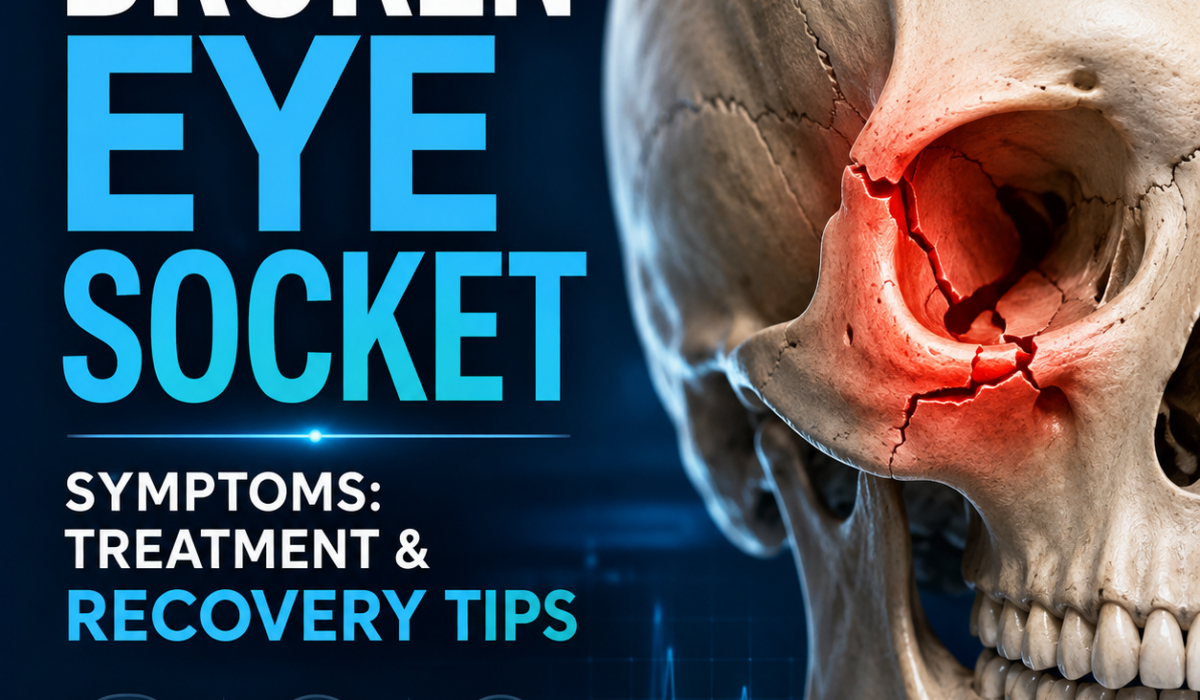
A broken eye socket, also called an orbital fracture, is a serious facial injury that happens when one or more bones surrounding the eye break. It can affect the eye itself, the muscles that control eye movement, and nearby nerves and tissues. Because the eye socket protects one of the most delicate parts of the body, any suspected fracture needs prompt medical attention.
This article explains the most common broken eye socket symptoms, what causes this injury, how it is treated, and what to expect during recovery. For broader eye-health guidance, the American Academy of Ophthalmology eye health resource is a useful reference. If you are also interested in other common vision concerns, you may find our guide to common eye problems helpful as a general overview.
Table of Contents
- What Is a Broken Eye Socket?
- Common Broken Eye Socket Symptoms
- When to Seek Emergency Care
- What Causes a Broken Eye Socket?
- How Is a Broken Eye Socket Diagnosed?
- Broken Eye Socket Treatment Options
- How Long Does a Broken Eye Socket Take to Heal?
- Recovery Tips for a Broken Eye Socket
- Possible Complications
- Can a Broken Eye Socket Heal on Its Own?
- When to See a Doctor
- Final Thoughts
What Is a Broken Eye Socket?
The eye socket, or orbit, is the bony structure that holds and protects the eyeball. It is made up of several bones that can crack or break from direct trauma, such as a blow to the face, a fall, or an accident.
An orbital fracture may involve:
- The floor of the eye socket
- The inner wall of the orbit
- The cheekbone area
- Multiple surrounding facial bones
Some fractures are mild and may heal without surgery. Others can cause eye movement problems, double vision, or changes in how the eye sits in the socket. A broken eye socket can also make the surrounding tissues swollen enough that it becomes hard to judge the full injury right away. That is why broken eye socket symptoms should be taken seriously even when the skin injury looks minor.
In many cases, the first concern is not only the bone itself but also whether the soft tissues around the eye were damaged. Muscles, nerves, blood vessels, and the eye surface can all be affected at the same time. A fracture can also occur with other facial injuries, so the full picture may be more complex than a black eye alone suggests.
Common Broken Eye Socket Symptoms
Symptoms can vary depending on how severe the fracture is and which part of the orbit is affected. Common signs include:
- Swelling around the eye
- Bruising or black eye
- Pain around the eye or cheek
- Tenderness when touching the area
- Double vision
- Blurred vision
- Trouble moving the eye
- Numbness in the cheek, upper lip, or upper teeth
- A sunken-looking eye
- A bulging eye
- Bleeding from the nose
- Headache
- Difficulty opening the eye
Some symptoms may appear immediately, while others develop over several hours as swelling increases. In many cases, broken eye socket symptoms become more obvious once the first wave of swelling starts to settle and eye movement is tested. A person may notice that one eye does not move the same way as the other, or that reading and looking down become uncomfortable because the eye muscles are irritated.
The severity of symptoms does not always match the size of the bruise. A minor-looking injury can still hide a fracture, while a dramatic black eye may occur without major bone damage. Because of that, the pattern of broken eye socket symptoms matters more than appearance alone.
When to Seek Emergency Care
A broken eye socket can be an emergency, especially if vision is affected. Get medical help right away if you have:
- Sudden vision loss
- Severe double vision
- Eye pain that gets worse
- Blood in the eye
- A very misshapen eye
- Inability to move the eye normally
- Nausea or vomiting after the injury
- Severe swelling or facial deformity
- Loss of consciousness or signs of head injury
If there was a strong impact to the face, it is safest to be evaluated by a healthcare professional even if symptoms seem mild. When in doubt, treat the injury as urgent because broken eye socket symptoms can worsen as swelling and bleeding continue. A fracture near the eye should never be managed casually at home if there is any chance that vision, eye movement, or facial sensation has changed.
Emergency evaluation is especially important after sports injuries, car crashes, falls, or assaults. If there is also a headache, dizziness, confusion, or vomiting, a head injury may be present too. In that situation, the eye injury and the brain injury both need attention.
What Causes a Broken Eye Socket?
Orbital fractures usually happen because of blunt force trauma. Common causes include:
- Sports injuries
- Falls
- Car accidents
- Physical assaults
- Work-related accidents
- Being hit by a ball, elbow, fist, or other object
The bones around the eye are thin, especially the floor of the orbit, so they can break even when the rest of the face appears relatively normal. That is one reason broken eye socket symptoms should never be dismissed after a facial impact. The force that breaks the orbit can also push tissue into nearby spaces, which may affect eye movement or cause numbness in the cheek and upper lip.
Children and athletes may be injured during games or play, while adults often develop orbital fractures from falls or vehicle accidents. The exact cause can influence the type of fracture and the chance of complications. For example, a direct hit to the eye area can create a different pattern than a broader blow to the cheek or forehead.
How Is a Broken Eye Socket Diagnosed?
A doctor will usually start with a physical exam and ask how the injury happened. They may check:
- Vision
- Eye movement
- Facial sensation
- Swelling and bruising
- Alignment of the eyes
- Signs of nerve or muscle damage
A CT scan is often used to confirm the fracture and see how severe it is. In some cases, an eye specialist, plastic surgeon, or facial trauma specialist may also be involved. Imaging helps the care team understand whether the broken eye socket has trapped tissue, shifted bone fragments, or created a risk to the eye itself.
Doctors may also look for other injuries, such as cuts, bleeding, or damage to the sinus cavities. If the eye itself is irritated, additional testing may be needed to make sure there is no internal eye injury. The exam is often repeated after swelling begins to improve because some broken eye socket symptoms become easier to assess over time.
When swelling is significant, the first exam may only tell part of the story. A follow-up visit gives the clinician a better chance to confirm whether the fracture is stable, whether the eye still moves normally, and whether facial numbness is improving. If you are unsure what the imaging results mean, ask your doctor to explain whether the injury is a simple orbital fracture or one that involves muscle entrapment or other tissue damage.
Broken Eye Socket Treatment Options
Treatment depends on the type of fracture, symptom severity, and whether the eye is affected. Not all broken eye sockets require surgery.
1. Home and Supportive Care
For mild fractures, treatment may include:
- Rest
- Cold compresses to reduce swelling
- Pain relief medication as recommended by a doctor
- Avoiding blowing the nose
- Sleeping with the head elevated
Avoiding pressure on the eye and surrounding area is important during healing. If broken eye socket symptoms are mild and vision is stable, supportive care may be enough while the fracture is monitored closely. Even when the injury seems manageable, follow-up is still important because swelling can hide problems early on.
Supportive care is often used when the fracture is small, the eye is not trapped, and the person can move the eye normally. In those cases, the body may heal the bone gradually without surgical repair. The key is careful monitoring so that any worsening symptoms are caught quickly.
2. Medications
A doctor may prescribe:
- Pain relievers
- Antibiotics if there is a risk of infection or an open wound
- Nasal decongestants in some cases to reduce pressure changes
Always take medication exactly as directed, especially after facial trauma. If you are unsure about a drug, ask your clinician or pharmacist before using it. Some medicines may not be appropriate if you have other health conditions or if surgery is being considered.
3. Surgery
Surgery may be needed if the fracture:
- Causes double vision that does not improve
- Traps eye muscles
- Makes the eye sink into the socket
- Affects vision
- Involves a large bone defect
- Changes the shape of the face significantly
During surgery, the surgeon may reposition bone fragments and repair the orbit with implants or grafts if needed. The goal is to restore function, reduce broken eye socket symptoms, and prevent long-term changes in appearance or vision.
Some patients need surgery soon after the injury, while others may be monitored for a short period before a decision is made. Timing depends on swelling, eye movement, and whether tissue appears trapped. The treatment plan is often personalized because no two orbital fractures are exactly the same.
What Treatment Usually Aims to Protect
Whether care is conservative or surgical, the main goals are the same:
- Preserve vision
- Restore normal eye movement
- Reduce pain and swelling
- Improve facial symmetry
- Prevent infection and long-term complications
These goals explain why a prompt evaluation matters so much after a suspected fracture. Treating the injury early can reduce the chance that broken eye socket symptoms become chronic.
How Long Does a Broken Eye Socket Take to Heal?
Recovery time depends on the severity of the fracture. Mild injuries may improve within a few weeks, while more serious fractures can take longer.
In general:
- Swelling and bruising often improve within 1 to 2 weeks
- Pain usually decreases gradually over several days to weeks
- Bone healing may take about 6 to 8 weeks
- Surgical recovery can take longer depending on the procedure
Some people may continue to have symptoms such as numbness or double vision for a while after the injury. Follow-up care is important to monitor healing, especially if broken eye socket symptoms are not improving as expected. A doctor may want to recheck vision and eye movement after the swelling has gone down.
Healing can also depend on age, overall health, and whether the fracture was simple or involved several bones. A person who has diabetes, smokes, or has another condition that slows tissue repair may recover more slowly. Even when bone healing is on track, the soft tissues around the eye may take longer to settle.
In the first few weeks, it is normal for the area to feel tender and look discolored. What should improve over time is the stability of vision, eye movement, and facial sensation. If those symptoms worsen instead of improving, the plan should be reviewed promptly.
Recovery Tips for a Broken Eye Socket
Proper care can support healing and reduce the risk of complications. Helpful recovery tips include:
Do Not Blow Your Nose
Blowing your nose can force air into the tissues around the eye and worsen swelling or cause complications. If you need to sneeze, open your mouth to reduce pressure.
Use Cold Compresses
Apply a cold compress for short periods during the first 24 to 48 hours to help reduce swelling. Wrap ice in a cloth rather than placing it directly on the skin.
Keep Your Head Elevated
Sleeping with your head raised can help reduce swelling and pressure around the eye.
Avoid Heavy Activity
Do not lift heavy objects, bend over repeatedly, or do strenuous exercise until your doctor says it is safe.
Protect the Eye
Avoid rubbing the eye or putting pressure on the injured side. If needed, wear protective eyewear as recommended by your doctor.
Follow Medical Instructions
Take all medications as prescribed and attend follow-up appointments. This is especially important if your vision changes or if surgery was needed.
Watch for Warning Signs
Contact your doctor immediately if you notice:
- Worsening pain
- New or worsening double vision
- Vision loss
- Fever
- Increasing redness or swelling
- Drainage from the eye or nose
- Severe headache or vomiting
Good recovery habits can make a noticeable difference after a broken eye socket, particularly in the first few days when swelling and pain are usually at their worst.
It can also help to limit activities that increase facial pressure, including forceful coughing or straining, if your clinician advises you to do so. Rest, hydration, and careful follow-up are often simple but effective parts of recovery. If your doctor gives you a return-to-work or return-to-sports plan, follow it closely so the injury has time to stabilize.
If you are managing broken eye socket symptoms at home, keep a simple log of changes in pain, vision, and swelling so you can report patterns at your follow-up visit. That record can help your clinician decide whether recovery is on track or whether additional treatment is needed.
Possible Complications
Without proper treatment, a broken eye socket can lead to complications such as:
- Persistent double vision
- Chronic numbness in the face
- Sunken eye appearance
- Restricted eye movement
- Infection
- Vision problems
- Cosmetic changes to the face
This is why prompt diagnosis and follow-up are so important. Untreated broken eye socket symptoms can interfere with daily activities like reading, driving, and walking safely. In severe cases, complications can also affect work, school, and sports participation.
Another concern is delayed recognition of the injury. If swelling masks the problem at first, a person may assume the pain is only from a bruise and wait too long to seek care. That delay can make treatment more difficult, especially if tissue becomes trapped or a bone fragment shifts position.
Some people also develop longer-lasting sensitivity or tear drainage changes after an orbital fracture. These issues may not be dangerous, but they can still affect comfort and quality of life. Follow-up with the right specialist can help address lingering symptoms before they become harder to manage.
Can a Broken Eye Socket Heal on Its Own?
Some minor orbital fractures can heal without surgery if the eye is not trapped, vision is stable, and the fracture is small. However, only a medical professional can determine whether watchful waiting is safe.
Even if surgery is not required, the injury still needs medical evaluation to make sure there is no hidden damage to the eye or surrounding structures. A broken eye socket may seem simple on the surface, but underlying tissue injury can be more serious than the swelling suggests. That is why broken eye socket symptoms should be reviewed by a clinician instead of being self-diagnosed.
When healing without surgery is possible, follow-up visits help confirm that eye movement, facial sensation, and alignment remain stable. If symptoms begin to worsen, the care plan may need to change.
Some people are surprised that a fracture can improve without an operation, but that is true only when the orbit remains structurally stable and the eye continues to function well. A clinician will usually decide based on the exam, imaging, and whether the symptoms are trending in the right direction.
When to See a Doctor
You should see a doctor as soon as possible after any significant facial injury near the eye. You may also need urgent care if symptoms worsen or do not improve over time.
A broken eye socket should never be ignored, especially if there is:
- Double vision
- Trouble moving the eye
- Numbness in the face
- Changes in eye shape
- Vision changes
If you notice broken eye socket symptoms after a fall, sports impact, or assault, getting checked early can help protect both function and appearance. It is better to have the injury examined and learn that the fracture is minor than to miss a more serious problem.
Seek evaluation even if the eye looks mostly normal but the pain is unusual, the cheek feels numb, or the eye does not seem to move correctly. These signs can point to a fracture that is not obvious on the outside.
A good rule is to seek care any time facial trauma near the eye causes vision changes, persistent pain, or limited movement. Early treatment gives the best chance of preventing long-term problems and helps make sure the healing process stays on course.
Final Thoughts
A broken eye socket is more than a simple black eye. It can affect vision, eye movement, facial sensation, and overall eye health. The most common symptoms include swelling, bruising, pain, double vision, numbness, and trouble moving the eye. Treatment may involve rest, medication, or surgery depending on the severity of the fracture.
If you suspect an orbital fracture, seek medical care promptly. Early evaluation and proper recovery steps can help protect your vision and reduce the chance of long-term complications. Paying attention to broken eye socket symptoms and following medical advice gives the eye the best chance to heal well.
Most importantly, do not wait for symptoms to become dramatic before getting checked. A careful exam, timely imaging, and the right follow-up can make a major difference in outcome.
With the right care, many people recover steadily and return to normal routines over time. The key is to treat broken eye socket symptoms as an important warning sign rather than something to monitor casually.