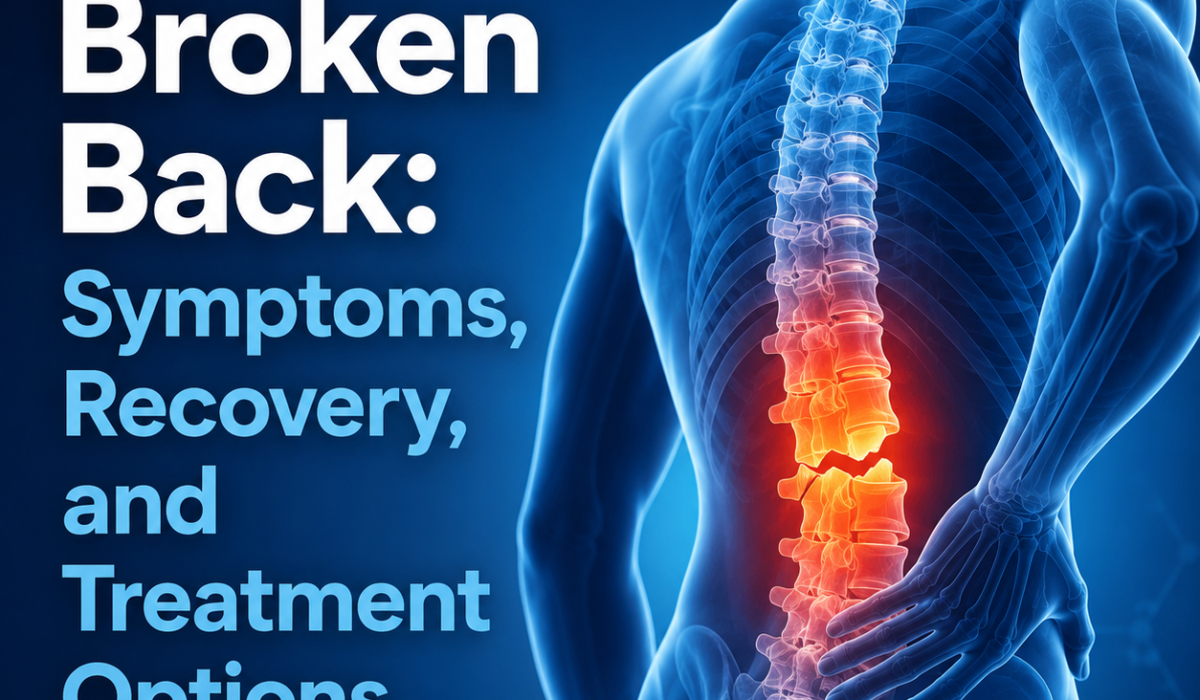
A broken back is a serious injury that can affect the bones, spinal cord, nerves, and surrounding muscles. If you are searching for information about a broken back, you likely want to know what it means, how to recognize it, how long recovery takes, and what treatment options are available. The answer depends on the type and severity of the fracture, but prompt medical evaluation is essential in all cases.
A “broken back” usually refers to a fracture in one or more vertebrae, the bones that make up the spine. Some spinal fractures are stable and may heal with rest and bracing, while others are unstable and can threaten the spinal cord. Because of this, any suspected back fracture should be treated as a medical emergency until a doctor rules out serious injury.
- What Is a Broken Back?
- Common Causes of a Broken Back
- Symptoms of a Broken Back
- When to Seek Emergency Help
- How Doctors Diagnose a Broken Back
- Types of Broken Back Injuries
- Treatment Options for a Broken Back
- How Long Does Recovery Take?
- Can You Walk with a Broken Back?
- Possible Complications
- How to Care for a Broken Back During Recovery
- Can a Broken Back Heal on Its Own?
- Preventing Back Fractures
- Frequently Asked Questions
What Is a Broken Back?
The spine is made up of a stack of bones called vertebrae. These bones protect the spinal cord and help support the body. A broken back happens when one or more vertebrae crack, collapse, or break.
Spinal fractures can happen in different parts of the back:
- Cervical spine: the neck
- Thoracic spine: the upper and mid-back
- Lumbar spine: the lower back
- Sacrum: the bone at the base of the spine
Not every spinal fracture causes paralysis or permanent damage, but some can. The risk is higher if the fracture is unstable or if the spinal cord is injured.
In many cases, the term refers to a vertebral fracture, but people may also use it to describe broader spine injuries. That is why medical imaging is so important after an accident or sudden severe back pain. If you want to understand how this type of injury differs from other healing problems, the information in Broken Ankle Recovery: Healing Tips and Timeline may be helpful because it shows how fracture care depends on stability, pain control, and rehabilitation.
Common Causes of a Broken Back
A back fracture can happen from both traumatic and non-traumatic causes. Common causes include:
- Car accidents
- Falls from a height
- Sports injuries
- Direct blows to the back
- Heavy lifting in people with weakened bones
- Osteoporosis
- Cancer that weakens the bones
- Severe coughing in rare cases, especially if bones are fragile
Older adults are at higher risk because bones become weaker with age. People with osteoporosis may break a vertebra with minimal force.
Traumatic fractures often happen suddenly and are associated with a clear event, such as a crash or fall. Fragility fractures, on the other hand, may develop from everyday activities in someone whose bones are already weakened. In either case, the pain can be immediate, severe, and difficult to ignore.
Because osteoporosis is a major risk factor, it is important to address bone health early. The National Institute of Arthritis and Musculoskeletal and Skin Diseases osteoporosis overview explains how bone loss increases fracture risk and why prevention matters.
Symptoms of a Broken Back
Symptoms vary depending on the location and severity of the fracture. Some fractures cause intense pain right away, while others produce more subtle signs.
Common symptoms include:
- Severe back pain
- Pain that gets worse when moving
- Tenderness over the spine
- Swelling or bruising in the injured area
- Muscle spasms
- Trouble standing, walking, or bending
- Numbness or tingling in the arms, legs, or feet
- Weakness in the limbs
- Loss of bladder or bowel control in severe cases
A broken back may also cause pain that radiates around the ribs, into the chest, or down the legs, depending on which vertebra is affected.
Some people notice that breathing deeply, turning in bed, or sitting up makes the pain worse. Others feel a sudden “pop” or sharp pain at the moment of injury. If nerves are involved, symptoms can extend beyond pain and include changes in sensation or movement. These warning signs should never be brushed off as a simple strain.
When to Seek Emergency Help
A suspected broken back needs urgent medical attention, especially after an accident or fall. Call emergency services right away if the injured person has:
- Severe pain after trauma
- Numbness or weakness
- Trouble breathing
- Loss of consciousness
- Neck pain after injury
- Loss of bladder or bowel control
- Inability to move
- Visible deformity of the spine
Do not try to move someone with a suspected spinal injury unless they are in immediate danger. Movement can worsen the damage.
If the injury happened in a high-impact collision or a major fall, emergency teams may stabilize the neck and back before transport. Quick immobilization helps reduce the chance of further spinal cord injury while the person is being evaluated.
How Doctors Diagnose a Broken Back
Doctors usually begin with a physical exam and questions about how the injury happened. They check for pain, tenderness, movement problems, and signs of nerve damage.
Imaging tests often include:
- X-rays to look for fractures
- CT scans for detailed bone images
- MRI scans to check for spinal cord, nerve, ligament, or disc damage
If the injury happened in a car crash or major fall, doctors may also assess for other injuries at the same time.
In some cases, doctors will ask whether the person has a history of osteoporosis, steroid use, cancer, or previous fractures. That information helps them understand whether the spine may be fragile and whether the fracture could be related to weak bones rather than a major trauma.
Types of Broken Back Injuries
Not all spinal fractures are the same. Understanding the type helps determine treatment and recovery.
Compression fracture
This happens when a vertebra collapses or becomes compressed. It is common in people with osteoporosis and may cause sudden back pain and loss of height over time.
Burst fracture
A burst fracture occurs when the vertebra breaks into multiple pieces. This can be more serious because fragments may move toward the spinal canal and press on nerves or the spinal cord.
Fracture-dislocation
This is a severe injury in which the bones break and move out of place. It is often unstable and may damage the spinal cord.
Spinous process or transverse process fracture
These fractures affect the smaller bony parts of the vertebra. They are often less dangerous than fractures involving the main vertebral body, but they still need medical evaluation.
Some injuries are considered stable because the spine stays aligned and the spinal cord is not threatened. Others are unstable and can shift with movement. That distinction matters because it determines whether a brace, close observation, or surgery is needed.
Treatment Options for a Broken Back
Treatment depends on whether the fracture is stable or unstable, whether nerves are involved, and how severe the pain is.
1. Rest and activity modification
For mild, stable fractures, doctors may recommend rest and avoiding activities that strain the spine. However, prolonged bed rest is usually avoided because it can lead to weakness and other complications.
2. Bracing
A back brace or spinal orthosis may be used to keep the spine aligned while the bone heals. Bracing can help reduce pain and prevent movement that could worsen the fracture.
3. Pain management
Pain relief is often an important part of treatment. Doctors may recommend:
- Acetaminophen
- Anti-inflammatory medicines, if appropriate
- Prescription pain medication for short-term severe pain
- Muscle relaxants in some cases
Pain treatment should always be guided by a healthcare provider, especially after a spinal injury.
4. Physical therapy
Once the bone begins to heal, physical therapy may help restore strength, flexibility, and mobility. Therapy can also reduce stiffness and help prevent future injury.
5. Surgery
Surgery may be needed if the fracture is unstable, the spinal cord is compressed, or the spine is significantly misaligned. Surgical options may include:
- Vertebral fusion
- Metal rods, screws, or plates
- Decompression surgery to relieve pressure on nerves or the spinal cord
6. Treatment for osteoporosis or other underlying causes
If the broken back was caused by weak bones, treatment may also include medication and lifestyle changes to reduce the risk of future fractures. This may involve calcium, vitamin D, and bone-strengthening medicines prescribed by a doctor.
For people with bone weakness from cancer or other conditions, treatment may also focus on the underlying disease. The goal is not only to heal the fracture but also to prevent another one from happening.
How Long Does Recovery Take?
Recovery time varies widely. A minor compression fracture may heal in a few weeks to a few months, while a severe fracture requiring surgery may take much longer.
Factors that affect recovery include:
- The type of fracture
- Whether surgery is required
- Age and overall health
- Bone strength
- Whether the spinal cord or nerves were injured
Many people feel significant pain improvement within several weeks, but full healing and return to normal activity can take months.
Recovery is often gradual. Early on, the focus is usually on controlling pain, protecting the spine, and preventing further injury. Later, the emphasis shifts to rebuilding movement, posture, and core strength. Even when symptoms improve, follow-up visits are important so doctors can confirm that the bone is healing in the correct position.
What Daily Life May Look Like During Healing
Living with a spine fracture can be frustrating because normal activities may suddenly feel risky. Sitting for long periods may cause stiffness, while standing too long may increase pain. Simple tasks like getting out of bed, showering, or picking up groceries may require help in the early recovery period.
Many people find it useful to break daily activity into short intervals with rest in between. Supportive chairs, safe footwear, and keeping frequently used items within easy reach can also make healing easier. If your doctor approves, gentle walking may help circulation and reduce stiffness without putting too much strain on the back.
It can also help to keep a symptom log. Writing down pain level, numbness, sleep problems, and medication use gives your care team a clearer picture of how recovery is progressing.
Can You Walk with a Broken Back?
Some people with a broken back can still walk, especially if the fracture is stable and does not involve nerve damage. Others may be unable to stand or walk due to pain, instability, or neurological symptoms.
The ability to walk does not mean the injury is minor. A person can still have a serious spinal fracture even if they are mobile.
This is one reason doctors do not rely on symptoms alone. A stable fracture may be painful but manageable, while an unstable fracture can worsen if it is not recognized early. Walking should never be used as proof that the spine is fine.
Possible Complications
A broken back can lead to complications, especially if the spinal cord or nerves are affected. These may include:
- Chronic pain
- Reduced mobility
- Nerve damage
- Spinal deformity
- Paralysis in severe cases
- Blood clots from reduced movement
- Muscle weakness
- Loss of bladder or bowel function
Early treatment lowers the risk of complications and improves recovery outcomes.
Other possible issues include stiffness, reduced confidence with movement, and a higher risk of future falls if strength and balance decline during recovery. For people with osteoporosis, another fracture can happen unless bone health is addressed in a long-term plan.
How to Care for a Broken Back During Recovery
After diagnosis, follow your doctor’s instructions carefully. General recovery tips may include:
- Avoid heavy lifting
- Do not twist or bend unless approved
- Use a brace as directed
- Take medications exactly as prescribed
- Attend follow-up appointments
- Start physical therapy when recommended
- Use support devices if needed for walking or balance
It is also important to watch for new symptoms, such as worsening pain, weakness, numbness, or bladder changes, and report them immediately.
Sleeping position may matter too. Some patients feel better with pillows that support the knees or help keep the spine in a more neutral position, but any comfort strategy should stay within the guidance given by the treating team. A brace should be worn exactly as instructed, since improper use can slow healing or make pain worse.
Can a Broken Back Heal on Its Own?
Some stable spinal fractures can heal without surgery, but that does not mean they should be ignored. A doctor must determine whether the injury is stable and safe for non-surgical care. Improper treatment can lead to long-term pain or spinal instability.
Even when surgery is not needed, follow-up care still matters. Doctors may repeat imaging or physical exams to confirm that the vertebra is healing properly and that alignment is maintained.
How a Broken Back Differs from a Back Strain
A back strain affects muscles or ligaments, while a spinal fracture involves the bone itself. A strain may improve with rest and home care, but a fracture needs medical evaluation because the consequences can be much more serious.
Both injuries can cause pain after lifting, twisting, or falling, which is why symptoms alone can be misleading. If pain is severe, follows trauma, or comes with numbness or weakness, it should be checked right away rather than assumed to be a simple strain.
Preventing Back Fractures
Not all broken backs are preventable, but you can lower your risk by:
- Treating osteoporosis
- Exercising to improve strength and balance
- Using proper lifting technique
- Wearing seat belts
- Using protective gear during sports
- Reducing fall risks at home
- Getting regular bone health screenings if you are at risk
Fall prevention can be especially helpful for older adults. Good lighting, non-slip mats, sturdy shoes, and cleared walkways reduce the chance of injury. If you already have weak bones, talking with your clinician about bone-density testing and treatment can make a meaningful difference over time.
Frequently Asked Questions
How do you know if your back is broken?
You may have a broken back if you feel severe pain after an injury, especially if you also have numbness, weakness, trouble walking, or loss of bladder or bowel control. Only imaging can confirm the diagnosis.
Is a broken back the same as a herniated disc?
No. A broken back means a vertebra has fractured. A herniated disc involves the soft cushion between vertebrae pushing out of place. Both can cause pain, but they are different injuries.
Can a broken back cause paralysis?
Yes, if the spinal cord is damaged or compressed. Not all back fractures cause paralysis, but severe injuries can.
How serious is a broken back?
It can range from mild to life-threatening depending on the fracture type. Any suspected spinal fracture should be treated as serious.
What should you not do with a suspected broken back?
Do not twist, bend, or move the person unnecessarily. Avoid giving food or drink if emergency care is needed, and call for medical help immediately.
Conclusion
A broken back is a vertebral fracture that can range from a stable injury to a life-threatening emergency. The most important signs to watch for are severe pain after trauma, spinal tenderness, numbness, weakness, and changes in bladder or bowel control. Diagnosis usually requires imaging, and treatment may include rest, bracing, pain management, physical therapy, or surgery.
If you suspect a broken back, seek medical care right away. Early evaluation and treatment are the best ways to protect the spine, reduce complications, and support a safer recovery.