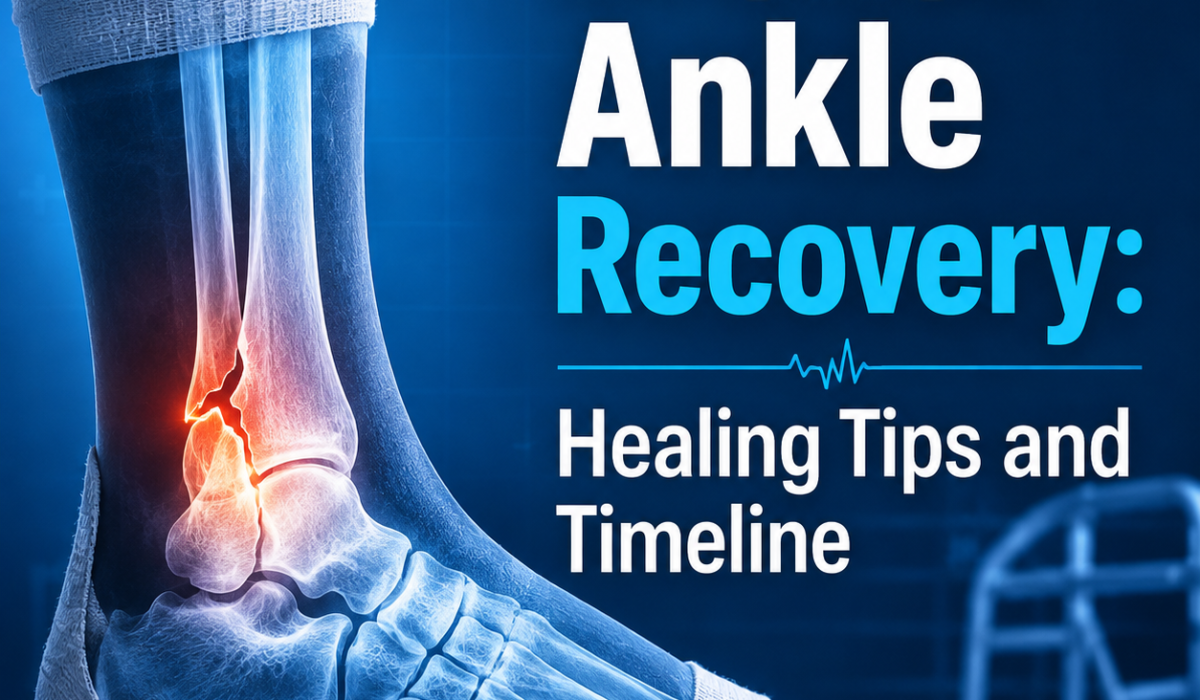
A broken ankle can be painful, frustrating, and disruptive to everyday life. Whether the fracture is minor or severe, most people want to know the same thing first: how long will it take to heal, and what can I do to recover properly? The answer depends on the type of fracture, your overall health, and how closely you follow treatment instructions. In many cases, broken ankle recovery takes 6 to 12 weeks for bone healing, with full recovery often taking several months.
This guide explains the broken ankle recovery process in simple terms, including healing stages, realistic timelines, helpful recovery tips, and common questions people ask after an ankle fracture. If you are also dealing with broader lower-leg pain or related injuries, you may find this guide on bone bruise symptoms useful for understanding how different injuries can feel similar.
What Is a Broken Ankle?
A broken ankle, also called an ankle fracture, happens when one or more of the bones that form the ankle joint crack or break. The ankle joint is made up of three bones:
- Tibia: the larger shin bone
- Fibula: the smaller lower-leg bone
- Talus: the bone that sits above the heel and helps form the joint
An ankle fracture can range from a small crack to a complex injury involving several bones or the joint surface. Some fractures are stable and can heal with a cast or walking boot. Others require surgery to keep the bones aligned.
Doctors usually confirm the injury with an X-ray, and sometimes with a CT scan or MRI if the joint surface or surrounding soft tissues need closer evaluation. According to the American Academy of Orthopaedic Surgeons, treatment depends on how stable the fracture is and whether the bones have shifted out of place.
Understanding the type of fracture is an important part of broken ankle recovery, because the injury pattern helps determine how long the ankle needs to stay protected.
Common Symptoms of a Broken Ankle
A broken ankle often causes more than just pain. Common symptoms include:
- Swelling around the ankle or foot
- Bruising
- Severe pain when trying to stand or walk
- Tenderness to touch
- Difficulty bearing weight
- Deformity or an unusual shape in the ankle
- Numbness or tingling in some cases
Because a sprained ankle can feel similar, an X-ray or imaging test is often needed to confirm whether the ankle is broken. A fracture may also cause pain higher up in the lower leg, especially if the fibula or tibia is involved.
If the pain is intense right away, or if the ankle looks crooked, it is best to keep weight off the foot and seek medical evaluation quickly. Early care can protect the bone and support better broken ankle recovery later on.
Broken Ankle Recovery Timeline
Recovery from a broken ankle usually happens in stages. The exact timeline depends on the fracture type, whether surgery was needed, and how well the ankle responds to treatment.
1. First few days: pain control and protection
Right after the injury, the main goals are:
- Reduce swelling
- Protect the ankle from further injury
- Control pain
- Get a proper diagnosis
During this phase, your doctor may recommend rest, ice, compression, elevation, and immobilization with a splint or cast. If the break is serious, surgery may be needed soon after the injury. Keeping the ankle elevated during this phase often makes the biggest difference in comfort.
This early stage of broken ankle recovery can feel overwhelming, but the main focus is simply to stabilize the injury and prevent more damage.
2. Weeks 1 to 6: bone starts healing
During the early healing period, the broken bone begins to mend. Many people need to avoid putting weight on the ankle, especially after surgery or with unstable fractures. A cast, boot, or brace may be used to keep the bones in place.
This is often the hardest part of recovery because mobility is limited. Swelling and stiffness are common. Some people also notice throbbing pain late in the day, especially if the ankle has been down for long periods.
Consistent protection during these first weeks supports broken ankle recovery and lowers the chance that the bones shift out of alignment.
3. Weeks 6 to 12: gradual weight-bearing and strengthening
For many ankle fractures, X-rays around this time show that the bone is healing. Your doctor may allow you to start putting more weight on the ankle gradually. Physical therapy often begins or becomes more active during this stage.
The focus shifts to:
- Restoring range of motion
- Rebuilding strength
- Improving balance
- Reducing stiffness
This stage of broken ankle recovery can feel encouraging because pain usually improves, but it is still important to avoid rushing back to normal activity too fast. The bone may be healing before the surrounding muscles and ligaments are ready for full use.
It is common to feel progress in small steps. Short walking sessions, gentle exercises, and steady follow-up care often work better than trying to do too much in a single week.
4. 3 to 6 months: return to normal activity
Even after the bone has healed, the ankle may still feel weak or stiff. Many people need several months to return to sports, running, or physically demanding work. Swelling may come and go for a while, especially after long periods of standing or walking.
Walking long distances, climbing stairs, and carrying heavy loads may feel uncomfortable at first. This is why a gradual return matters. Many people find that consistency with home exercises and therapy helps them regain confidence sooner.
During this part of broken ankle recovery, the goal is not just healing the bone. It is also rebuilding the strength, balance, and motion needed for everyday movement.
5. 6 months and beyond: full recovery for more serious injuries
Severe fractures, fractures involving surgery, or injuries with ligament damage may take longer to recover from fully. Some people notice lingering stiffness, swelling, or discomfort for up to a year.
That does not always mean something is wrong. In many cases, the ankle is improving slowly while the surrounding soft tissues continue to adapt. Still, if pain is worsening instead of improving, the injury should be reassessed.
For more complicated injuries, broken ankle recovery can continue long after the cast or boot comes off, especially if the joint surface was involved.
Factors That Affect Recovery
Not everyone heals at the same pace. Several factors can affect recovery time:
- Type of fracture: Simple fractures heal faster than complex or displaced breaks
- Whether surgery was needed: Surgical recovery often takes longer
- Age: Younger people may heal more quickly than older adults
- Overall health: Conditions like diabetes or poor circulation can slow healing
- Smoking: Smoking can interfere with bone healing
- How well you follow instructions: Not bearing weight too soon can protect healing bones
- Rehabilitation: Physical therapy can improve long-term function
Another important factor is whether the joint surface was affected. Injuries that extend into the ankle joint can lead to more stiffness and a longer road back to normal movement. If swelling or pain seems out of proportion, it is worth discussing with your clinician.
Broken Ankle Recovery may also be slower if the fracture happened after a more severe twist, fall, or sports injury that damaged nearby ligaments at the same time.
Healing Tips for a Broken Ankle
The right recovery habits can make a major difference in how well and how quickly your ankle heals.
Follow your doctor’s instructions closely
This is the most important recovery tip. If your doctor says not to bear weight, avoid walking on the ankle until you are cleared. Putting weight on it too early can shift the bones and delay healing. Good broken ankle recovery depends on giving the fracture enough time and support to stabilize.
Keep the ankle elevated
Elevating the ankle above heart level helps reduce swelling, especially in the first few days and weeks. Try to keep it propped up whenever possible. If swelling increases after activity, elevation often helps the most.
Use ice if recommended
Ice can help reduce pain and swelling during the early stage of recovery. Apply it for short periods, usually 15 to 20 minutes at a time, and avoid placing ice directly on the skin.
Protect the cast or boot
If you have a cast or walking boot, keep it clean and dry. Do not remove it unless your doctor tells you to. A damaged or ill-fitting boot can reduce protection and slow progress.
Stay active in safe ways
Even if you cannot walk normally, you may still be able to stay active with approved exercises or upper-body movement. Staying active in safe ways can support circulation and overall health. For some people, moving the toes and doing gentle exercises approved by the care team can also help reduce stiffness.
Eat a bone-friendly diet
Nutrition matters during fracture healing. Focus on:
- Protein
- Calcium
- Vitamin D
- Fruits and vegetables
- Plenty of fluids
A balanced diet supports bone repair and tissue healing. Protein is especially important because it helps rebuild muscle and support tissue repair after immobilization.
Avoid smoking and limit alcohol
Smoking can slow bone healing and increase the risk of complications. Heavy alcohol use can also interfere with recovery. Cutting back on both can improve the chances of a smoother outcome.
Attend follow-up appointments
Follow-up visits help your doctor check healing progress and make sure the bones remain in position. These appointments are important even if the ankle feels better. In some cases, a follow-up X-ray is needed to confirm that alignment has not changed.
These small habits may seem basic, but they are often the difference between steady improvement and a frustrating setback during broken ankle recovery.
Physical Therapy and Rehabilitation
Physical therapy is often a key part of broken ankle recovery. Once the bone is stable enough, therapy can help restore movement and strength.
A physical therapist may guide you through:
- Gentle ankle range-of-motion exercises
- Strengthening exercises for the foot and lower leg
- Balance and stability training
- Walking retraining
- Gradual return to sports or work activities
Skipping rehabilitation can leave the ankle stiff, weak, or unstable long after the fracture has healed. It can also make it harder to return to daily tasks like climbing stairs, getting in and out of a car, or standing for long periods.
Some people benefit from working on calf strength, foot control, and hip stability as well, because the entire lower limb contributes to balance and gait. A well-structured rehab plan helps the ankle move from protected healing to normal use in a safe way.
For people who want a broader overview of fracture support, this guide on bone stimulator options may also help explain how some treatments are used alongside standard care when healing is slower than expected.
Physical therapy also gives your care team a chance to adjust the plan if broken ankle recovery is slower than expected or if stiffness becomes the main problem.
When Can You Walk After a Broken Ankle?
This depends on the severity of the fracture and your doctor’s treatment plan. Some people can walk with a boot soon after injury, while others must avoid weight-bearing for several weeks.
In general:
- Stable fractures may allow earlier walking with support
- More severe fractures often require non-weight-bearing for a longer period
- After surgery, walking usually begins gradually under medical guidance
Never start walking on a broken ankle just because pain improves. Bone healing and pain relief do not always happen at the same rate. If you are unsure whether your ankle is ready, ask your doctor or physical therapist before increasing activity.
Safe walking is usually reintroduced little by little so broken ankle recovery stays on track and the ankle does not become more swollen or unstable.
Signs Your Broken Ankle May Not Be Healing Properly
Most fractures heal well when treated correctly, but complications can happen. Contact your doctor if you notice:
- Pain that gets worse instead of better
- Increasing swelling after initial improvement
- Numbness, tingling, or color changes in the foot
- Fever or signs of infection after surgery
- The cast feels too tight
- Difficulty moving toes
- A feeling that the ankle is unstable
These symptoms may need prompt medical attention. A slow-healing fracture, joint stiffness, or a complication after surgery may also need closer follow-up.
If your symptoms are changing instead of steadily improving, it is worth checking in early rather than waiting and hoping the problem passes on its own.
When to Seek Immediate Medical Care
Get urgent care right away if you have:
- Severe deformity
- Open wounds with exposed bone
- Loss of feeling in the foot
- Blue, cold, or pale toes
- Severe swelling with intense pain
- Shortness of breath or chest pain after surgery or immobilization
These can be signs of serious complications. If you are worried about circulation, clot risk, or increasing pain in the calf, do not wait for the next scheduled appointment.
Serious warning signs should never be ignored during broken ankle recovery, especially after surgery or during a period of limited movement.
Common Questions About Broken Ankle Recovery
How long does it take for a broken ankle to heal?
Most broken ankles take 6 to 12 weeks for the bone to heal, but full recovery can take 3 to 6 months or longer depending on the injury.
Is walking on a broken ankle ever okay?
Only if your doctor says it is safe. Some fractures can handle limited weight-bearing with a boot, but others require complete rest from walking.
Will my ankle be the same after recovery?
Many people regain full function, but some notice lingering stiffness, swelling, or mild discomfort, especially after more serious fractures.
Do all broken ankles need surgery?
No. Many ankle fractures heal without surgery. Surgery is more likely if the bones are displaced, unstable, or involve the joint surface.
Why is my ankle still swollen months later?
Swelling can continue for months after a fracture, especially after standing, walking, or exercise. This is often normal during the later stages of healing, but persistent or worsening swelling should be checked by a doctor.
Can a broken ankle lead to arthritis later?
It can, especially if the fracture involves the joint surface or healing is not fully aligned. This is one reason good follow-up care matters during broken ankle recovery.
Should I use a brace after the cast comes off?
Sometimes, yes. Some patients use a brace or boot during the transition back to walking so the ankle stays protected while strength returns.
These answers cover the most common concerns, but your own timeline may be different depending on the fracture pattern and your overall health.
What to Expect During Long-Term Recovery
Even after the bone has healed, it can take time for the ankle to feel normal again. Long-term recovery may include:
- Mild stiffness in the morning
- Swelling after activity
- Temporary weakness
- Sensitivity around surgical scars if you had an operation
- Reduced confidence when walking on uneven ground
These issues usually improve with time, movement, and rehabilitation. Patience is important because soft tissues, muscles, ligaments, and balance take time to recover along with the bone.
It is also common to notice that the injured ankle feels different from the other side for a while. That difference often becomes less noticeable as strength and mobility return. Gentle consistency is usually more effective than trying to do too much too soon.
For people who have a more complicated fracture, long-term care may include follow-up imaging, continued strengthening, and guidance on returning to higher-impact activity. If pain remains sharp or the ankle gives way, further evaluation may be needed.
Long-term broken ankle recovery is often about rebuilding confidence as much as rebuilding strength.
Final Thoughts
Broken Ankle Recovery takes time, but most people heal well with proper treatment and steady rehabilitation. In many cases, the bone heals in 6 to 12 weeks, while a full return to normal activity may take several months. The keys to a good outcome are protecting the injury, following your doctor’s instructions, managing swelling, and doing rehabilitation when the time is right.
If you have a broken ankle, the best thing you can do is give it the time and care it needs to heal properly. With patience, consistent follow-up, and a gradual return to movement, broken ankle recovery can move forward safely and steadily.