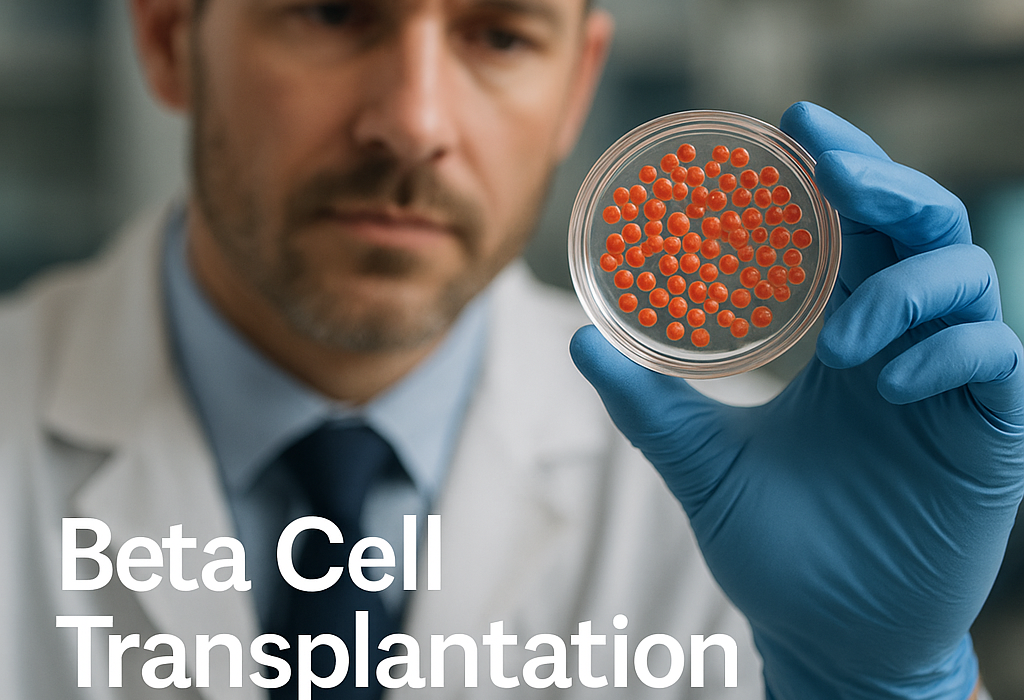
Beta Cell Transplantation is one of the most promising approaches in diabetes research because it aims to restore the body’s ability to make insulin. For people living with type 1 diabetes, and in some cases advanced type 2 diabetes, this could mean reducing or even eliminating the need for daily insulin injections. While it is not yet a widely available cure, beta cell transplantation has moved from experimental theory to real-world clinical progress.
This article explains what beta cell transplantation is, how it works, who it may help, what the current limitations are, and why researchers believe it could change the future of diabetes treatment. For readers who want to compare this approach with other emerging diabetes breakthroughs, beta cell regeneration research offers another important angle on restoring insulin production.
Table of Contents
- What Are Beta Cells?
- What Is Beta Cell Transplantation?
- How Does Beta Cell Transplantation Work?
- Who May Benefit From Beta Cell Transplantation?
- Is Beta Cell Transplantation a Cure for Diabetes?
- Where Do the Transplanted Cells Come From?
- Why Is the Immune System a Major Challenge?
- What Are the Benefits?
- What Are the Risks and Limitations?
- What Is the Current Progress?
- Is Beta Cell Transplantation Available Now?
- How Does It Compare to Insulin Therapy?
- What Does the Future Look Like?
- Common Questions
- Bottom Line
What Are Beta Cells?
Beta cells are specialized cells in the pancreas that produce insulin. Insulin is the hormone that helps move glucose from the bloodstream into the body’s cells for energy. When beta cells are damaged or destroyed, the body cannot make enough insulin, causing blood sugar to rise.
In type 1 diabetes, the immune system attacks and destroys beta cells. In type 2 diabetes, beta cells may still be present, but they can become overworked and lose function over time.
Because beta cells are central to insulin production, replacing or restoring them is a logical treatment strategy.
The importance of these cells is also why researchers study ways to protect them before they fail. That work overlaps with broader diabetes innovation, including immune therapies, cell replacement, and regenerative medicine.
What Is Beta Cell Transplantation?
Beta Cell Transplantation is a procedure in which healthy insulin-producing cells are introduced into a person’s body to replace lost or failing beta cells. The goal is to restore natural insulin production and improve blood sugar control.
There are several ways this can be done:
- Islet cell transplantation, where clusters of pancreatic cells containing beta cells are infused into the liver
- Stem cell-derived beta cell transplantation, where beta cells are grown in the lab from stem cells and then implanted
- Encapsulated cell therapy, where transplanted cells are protected by a barrier that helps prevent immune rejection
- Pancreas transplantation, which replaces the entire pancreas and includes beta cells, though this is a more invasive procedure
Most people searching for beta cell transplantation are asking one main question: can it cure diabetes? The most accurate answer is that it may offer long-term insulin independence or a major reduction in insulin needs for some patients, but it is not yet a universal cure.
In practical terms, the treatment is best understood as a cell replacement strategy. It tries to solve the core problem in diabetes when insulin-making cells are missing or no longer functioning well enough to keep blood sugar in range.
How Does Beta Cell Transplantation Work?
The basic idea is simple: replace the lost insulin-producing cells with healthy ones.
After transplantation, the new beta cells begin sensing blood glucose and releasing insulin as needed. If successful, this can improve glucose regulation, reduce severe hypoglycemia, and lower the burden of frequent insulin dosing.
In many approaches, the cells are transplanted into the liver through the portal vein. The liver is a favorable site because it has a rich blood supply and can support cell survival. In newer approaches, cells may be implanted in other sites, including protected devices under the skin.
The process is not just about placing cells into the body. The cells also have to survive the transplant, avoid immune attack, and function for long enough to make a meaningful difference in daily diabetes care.
That is why transplantation research focuses on more than the cells themselves. Scientists also study the best delivery site, the safest surgical or infusion method, and ways to improve the long-term environment around the transplanted tissue.
Who May Benefit From Beta Cell Transplantation?
Beta Cell Transplantation is most relevant for people with:
- Type 1 diabetes
- Severe hypoglycemia unawareness
- Frequent dangerous blood sugar swings
- Certain cases of brittle diabetes
- Advanced insulin-dependent diabetes in select situations
For many patients, the goal is not just better numbers on a glucose meter. It is also fewer emergency lows, improved quality of life, and less dependence on constant insulin management.
At this time, beta cell transplantation is not a standard treatment for most people with type 2 diabetes. However, future cell replacement therapies may expand to more groups if they prove safe and effective.
In carefully selected patients, the treatment may be especially valuable when diabetes is difficult to control despite advanced technology, consistent medical care, and repeated treatment adjustments.
Is Beta Cell Transplantation a Cure for Diabetes?
This is one of the most common questions, and it deserves a clear answer.
Beta Cell Transplantation can be considered a form of cell replacement therapy, not a complete cure in the current sense. It may restore insulin production, but challenges remain, including:
- The immune system may attack the new cells
- Patients may need immunosuppressive drugs
- Transplanted cells may not last forever
- The underlying autoimmune process in type 1 diabetes may continue
Even so, for some patients, beta cell transplantation has produced remarkable results, including improved glucose control and reduced insulin dependence. For researchers and patients alike, that makes it a major step toward a functional cure.
Some experts use the phrase “functional cure” to describe a situation where a person still has diabetes on a biological level but no longer needs the same level of intensive treatment. In that sense, the field has already made meaningful progress.
What Is the Difference Between Islet Transplantation and Beta Cell Transplantation?
These terms are closely related and sometimes used interchangeably, but there is a difference.
- Islet transplantation uses pancreatic islets, which are small clusters of cells that include beta cells and other hormone-producing cells.
- Beta Cell Transplantation refers more specifically to replacing insulin-producing beta cells, often through purified or lab-grown cell sources.
In practice, both aim to restore insulin production. The difference usually depends on the cell source and the technology used.
Where Do the Transplanted Cells Come From?
Researchers are developing several cell sources:
1. Donor Pancreas Cells
These cells come from deceased organ donors. They have been used in clinical islet transplantation, but donor supply is limited.
2. Stem Cell-Derived Beta Cells
Scientists can now create beta-like cells from stem cells in the lab. This is one of the most exciting areas of diabetes research because it could provide an unlimited cell source.
3. Xenogeneic Cells
These are cells from animals, such as pigs, though this approach raises additional safety and ethical concerns.
4. Gene-Edited Cells
New technologies may allow cells to be modified so they are less likely to be rejected by the immune system.
Each source has advantages and drawbacks. The main challenge is finding cells that work well, survive long term, and are safe for patients.
Researchers and clinicians often compare these options based on supply, immune compatibility, durability, and manufacturing complexity. A more scalable cell source would be especially important if the therapy is ever to reach more people beyond specialized centers.
Why Is the Immune System a Major Challenge?
For people with type 1 diabetes, the immune system already destroyed the original beta cells. If new beta cells are transplanted without protection, the immune attack may happen again.
This is why many recipients of beta cell transplantation need immunosuppressive medication. These drugs help prevent rejection, but they also increase the risk of infection and other side effects.
Because of this, much of the field is focused on creating:
- Immune-protected cell capsules
- Better transplant sites
- Gene-edited cells that evade immune attack
- Therapies that retrain the immune system
Solving the immune problem is essential for making beta cell transplantation safer and more widely available.
For readers who want to understand the underlying autoimmune disease itself, the American Diabetes Association offers a useful overview of type 1 diabetes and how it affects insulin production.
What Are the Benefits of Beta Cell Transplantation?
When successful, beta cell transplantation can offer several important benefits:
- Improved blood sugar control
- Fewer episodes of severe hypoglycemia
- Reduced need for injected insulin
- Better A1C levels in some patients
- Less diabetes-related stress and treatment burden
- Potential protection against long-term complications
For some people, the biggest benefit is freedom from unpredictable lows and the constant pressure of diabetes management.
That relief can matter just as much as any laboratory result. Less fear of nighttime hypoglycemia, fewer treatment interruptions, and fewer corrective actions throughout the day can improve overall quality of life.
There may also be indirect benefits. If blood sugar becomes more stable, people may sleep better, feel more confident exercising, and spend less time reacting to every fluctuation in glucose levels.
What Are the Risks and Limitations?
Like any medical procedure, beta cell transplantation has risks.
Common limitations include:
- Shortage of donor cells
- Need for immune-suppressing drugs
- Risk of transplant rejection
- Loss of transplanted cell function over time
- Surgical or procedural complications
- High cost and limited availability
Possible side effects include:
- Infection
- Kidney problems from immunosuppressants
- High blood pressure
- Increased cancer risk with long-term immune suppression
Because of these risks, beta cell transplantation is usually reserved for people with severe diabetes complications or those who have not responded well to conventional treatment.
The risk-benefit calculation is important. A person who has frequent severe hypoglycemia may be willing to accept a higher level of treatment complexity than someone whose diabetes is already well managed with insulin and monitoring technology.
That is one reason the therapy is used selectively. It is not just about whether the approach works in theory, but whether it is appropriate for a specific patient’s medical history and long-term safety profile.
What Is the Current Progress in Beta Cell Transplantation?
Progress in this field has accelerated quickly in recent years. Some of the most important developments include:
Stem Cell Breakthroughs
Researchers have successfully created functional insulin-producing cells from stem cells. In early clinical studies, some patients have shown improved glucose control and reduced insulin requirements.
Better Cell Protection
Encapsulation devices are being tested to shield transplanted cells from the immune system while still allowing nutrients and insulin to pass through.
Gene Editing
Scientists are exploring ways to edit cells so they are less visible to immune cells, which may reduce or remove the need for immunosuppressive drugs.
Improved Transplant Techniques
New methods are being studied to help transplanted cells survive longer and work more efficiently after implantation.
These advances suggest that beta cell transplantation is moving closer to practical treatment options, though larger studies are still needed.
Real-world progress matters because laboratory success does not always translate into lasting patient benefit. Researchers still need to prove that transplanted cells can survive for years, respond reliably to changing glucose needs, and remain safe across diverse patient groups.
For a broader overview of promising diabetes innovations and recent patient-focused updates, see these diabetes blog posts from DiabetesMine.
Is Beta Cell Transplantation Available Now?
In limited cases, yes. Some forms of islet transplantation are available at specialized medical centers, usually for carefully selected patients with severe type 1 diabetes and dangerous hypoglycemia.
Stem cell-derived beta cell therapies are still largely in clinical trials or early-stage use, depending on the region and regulatory status.
For most people, beta cell transplantation is not yet a routine diabetes treatment. It remains an advanced therapy offered under strict guidelines or in research settings.
This limited availability is partly due to the complexity of the procedure and partly due to the need for more long-term evidence. Before it can become a common treatment, clinicians need clearer data about durability, safety, and which patients benefit most.
How Does Beta Cell Transplantation Compare to Insulin Therapy?
Insulin therapy remains the standard and lifesaving treatment for type 1 diabetes and for many people with type 2 diabetes. It is reliable, accessible, and well studied.
Beta Cell Transplantation differs because it aims to restore natural insulin production rather than replace it with injected insulin.
Insulin therapy:
- Widely available
- No surgery required
- Requires daily management
- Does not restore beta cell function
Beta Cell Transplantation:
- Potential for natural insulin production
- May reduce insulin dependence
- Involves complex procedures
- Not yet widely available
- May require immune suppression
For now, transplantation is not a replacement for insulin therapy for most people, but it may become an important option in the future.
The best current approach for many patients may still be a combination of existing tools: insulin, glucose monitoring, diabetes education, and technology support, while researchers continue developing next-generation cell therapies.
What Does the Future Look Like?
The future of beta cell transplantation is encouraging. Researchers are working on several fronts at once:
- Creating unlimited supplies of beta cells
- Making transplanted cells invisible to the immune system
- Improving long-term cell survival
- Reducing or eliminating immunosuppressive drugs
- Developing less invasive delivery methods
If these goals are achieved, beta cell transplantation could become safer, more effective, and more accessible.
In the long term, the most likely outcome is a combination approach: cell replacement therapy plus immune protection and possibly other treatments to preserve results.
Some researchers also hope to combine transplantation with early intervention strategies. In the best-case scenario, preserving even a small amount of natural insulin production could make blood sugar control easier and reduce the risk of complications.
Common Questions About Beta Cell Transplantation for Diabetes
Can beta cell transplantation stop insulin injections?
It may reduce or eliminate insulin use in some patients, but not everyone. Results depend on the type of diabetes, the transplant method, immune response, and how long the transplanted cells survive.
Is it permanent?
Not always. Some transplants function for years, but others gradually lose effectiveness. Researchers are working to improve durability.
Does it work for type 2 diabetes?
It is mainly studied for type 1 diabetes. Some people with advanced insulin-dependent type 2 diabetes may eventually benefit, but this is not the primary focus today.
Why isn’t it available for everyone?
The main barriers are donor shortages, immune rejection, the need for immunosuppressive drugs, cost, and the need for more long-term clinical evidence.
Is it safe?
It can be safe in carefully selected patients, but there are meaningful risks. Safety depends on the approach used and the patient’s overall health.
Where can readers learn more about diabetes symptoms and treatment decisions?
For people who are still learning how diabetes symptoms can vary, this guide to type 2 diabetes symptoms can help explain some of the signs that often lead to testing and diagnosis.
Bottom Line
Beta Cell Transplantation for diabetes represents a major breakthrough in the effort to restore natural insulin production. It offers real hope for people with type 1 diabetes and selected cases of severe insulin-dependent diabetes. While it is not yet a simple cure or a mainstream treatment, the progress so far is impressive.
The biggest challenges remain immune rejection, cell survival, and safety. Even so, advances in stem cell technology, encapsulation, and gene editing are bringing the field closer to practical, long-term solutions.
For now, beta cell transplantation stands as one of the most exciting frontiers in diabetes care: a treatment approach that may one day transform how diabetes is managed, and possibly change lives in a profound way.
As research continues, the most important questions are no longer whether insulin-producing cells can be replaced, but how to make that replacement durable, safe, and available to the people who need it most.