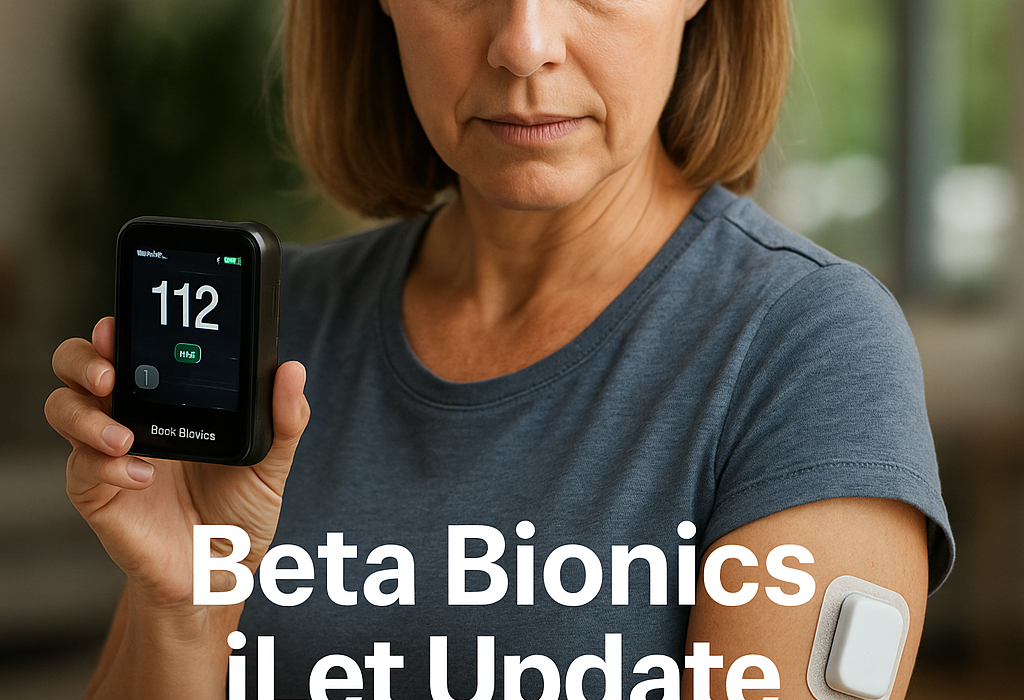
The Beta Bionics iLet update has become one of the most closely watched developments in diabetes technology. For people living with type 1 diabetes, parents of children with diabetes, and clinicians looking for simpler insulin delivery options, the latest news can have a meaningful impact. Whether you are trying to understand what has changed, compare the device with other automated insulin delivery systems, or figure out what the update may mean in daily life, the central question is the same: what does it mean for real-world use?
This article breaks down the most important information in a clear, practical way. It explains what the iLet is, why updates matter, what recent news may mean for users, and the common questions people ask before deciding whether this system is right for them. It also helps readers understand how each Beta Bionics iLet update fits into the larger shift toward simpler diabetes management.
What Is the Beta Bionics iLet?
The Beta Bionics iLet is an insulin delivery system designed to simplify diabetes management. It is part of the newer generation of automated insulin delivery technology, sometimes called an artificial pancreas system. The goal of the iLet is to reduce the number of decisions a person has to make every day by automating much of the insulin dosing process.
Unlike traditional pump therapy, which often requires careful carb counting, manual dose calculations, and frequent adjustments, the iLet is built to make dosing easier. Users still need to enter meals and monitor glucose levels, but the system is designed to lower the burden of day-to-day management.
For many people, this is the biggest appeal of the iLet: less mental load, fewer calculations, and more consistent glucose support. That is also why every Beta Bionics iLet update draws attention from the diabetes community.
If you want a broader overview of automated insulin delivery, the NIDDK explanation of artificial pancreas systems is a helpful starting point.
Why Beta Bionics iLet Updates Matter
Any iLet update can matter for several reasons:
- It may affect device availability.
- It may change which users are eligible.
- It may improve safety or usability.
- It may expand compatibility with CGM systems or insulin options.
- It may influence insurance coverage and real-world access.
For people who rely on diabetes technology, updates are not just product news. They can change how easy the device is to use, how well it fits into everyday life, and whether it is practical for a specific age group or lifestyle.
That is why news about Beta Bionics often gets attention from patients, caregivers, diabetes educators, and endocrinology teams alike. A single Beta Bionics iLet update can affect setup, onboarding, training, and confidence in the system.
Key News Around the Beta Bionics iLet
Recent interest in the Beta Bionics iLet update has centered on a few major themes. While details may evolve over time, the most important news usually falls into these categories:
1. Broader adoption and real-world use
One of the biggest signs of progress for any diabetes device is how widely it is being used outside clinical trials. The iLet has drawn attention because it is designed to be more user-friendly than many existing systems. As more people begin using it, there is more discussion around how it performs in daily life, how easy it is to set up, and how well it supports different patient needs.
For users, this matters because real-world use can reveal details that trials do not always show, such as:
- How intuitive the interface feels
- How quickly people adapt to the system
- Whether meal announcements are simple enough for everyday life
- How reliable the device is over time
Those practical questions are often the difference between a promising device and one that actually changes a person’s routine. In that sense, every Beta Bionics iLet update is really about how the technology behaves in the real world.
2. Regulatory and launch-related updates
For many medical devices, updates involve approvals, labeling changes, or rollout developments. These can affect who can get the device and when. If you have seen news about the iLet, it may involve expanded availability, new versions, or changes in how the product is introduced to providers and patients.
These updates are important because they can determine:
- Which markets the device reaches
- Whether more age groups can use it
- What training is required
- How quickly hospitals and clinics can offer it
Access issues matter just as much as technical features. A promising Beta Bionics iLet update does not help users if they cannot get the device, obtain supplies, or complete the onboarding process with their care team.
3. Improvements in ease of use
The iLet is known for focusing on simplicity. Any update that improves setup, meal handling, or integration with glucose monitoring can make the system more appealing. For many users, a key question is whether the device reduces daily burden without sacrificing control.
Updates that improve ease of use may help people who:
- Feel overwhelmed by carb counting
- Want a more automated approach
- Need a system that is easier for caregivers to manage
- Prefer fewer menu steps and fewer manual decisions
For this group, the most valuable Beta Bionics iLet update is often the one that makes the device feel simpler rather than more complex. In practice, that can mean faster setup, fewer points of confusion, and a smoother learning curve.
4. Continued interest in outcomes and safety
People considering the iLet naturally want to know whether it works well and whether it is safe. Updates often lead to renewed discussion about glucose outcomes, time in range, hypoglycemia risk, and overall satisfaction.
This is especially important for families of children with diabetes and adults who have had difficulty with more complex pump systems. The practical question is not just whether the device is innovative, but whether it helps users maintain better glucose control with less effort.
Each Beta Bionics iLet update tends to bring fresh interest in safety, because caregivers and clinicians want reassurance that automation still supports stable day-to-day management. That includes how the system responds during meals, overnight, and other unpredictable parts of daily life.
What the Beta Bionics iLet Means for Users
The most important part of any Beta Bionics iLet update is what it means for people actually living with diabetes. Technology only matters when it improves the day-to-day experience, and that is where the iLet has generated so much attention.
Less carb counting pressure
One of the standout features of the iLet is that it aims to reduce reliance on exact carb counting. Many people find carb counting stressful or difficult to maintain consistently. The iLet’s meal announcement approach can simplify that process.
This may be especially helpful for:
- Newly diagnosed users
- Parents managing a child’s diabetes
- Teens and young adults with busy routines
- Adults who struggle with detailed insulin calculations
For these users, the most helpful Beta Bionics iLet update is often one that supports a simpler mealtime routine without adding extra steps. It can make diabetes care feel less like constant math and more like a manageable routine.
More automation, less decision fatigue
Diabetes management can require dozens of small decisions each day. The iLet is designed to automate much of that work. For users who feel burned out by constant adjustments, this can make a major difference.
The value here is not only convenience. Less decision fatigue can also improve consistency, which may support better long-term diabetes management. That is one reason the Beta Bionics iLet update continues to attract people who want a less demanding routine. A system that removes friction can be just as important as one that adds features.
Potential for better day-to-day consistency
By using automated insulin delivery, the system may help smooth out glucose patterns throughout the day and night. While results vary from person to person, the promise of the iLet is that it can help reduce extremes and make diabetes care feel more manageable.
This is one reason the device is drawing attention from both patients and healthcare providers. A meaningful Beta Bionics iLet update may not change every outcome at once, but it can improve the everyday experience of using the system.
A different experience from traditional pump therapy
The iLet is not simply another insulin pump. It represents a different philosophy: make the system do more of the work. That distinction is important for users comparing it with conventional pump therapy or other automated insulin delivery systems.
For some people, this approach is ideal. For others, especially those who want more manual control, another device may feel like a better fit. When readers hear about a Beta Bionics iLet update, they should think not only about features but also about whether the device matches their preferred level of involvement.
Who Might Benefit Most From the iLet?
The iLet may be especially attractive to people who want a simpler insulin delivery experience. That includes:
- People with type 1 diabetes who want less daily math
- Parents and caregivers managing pediatric diabetes
- Users transitioning from multiple daily injections to pump therapy
- People who have struggled with the complexity of other systems
- Those looking for a more automated glucose management option
However, the best device depends on individual needs, comfort with technology, and clinical recommendations. What works well for one person may not be the right choice for another.
As with any Beta Bionics iLet update, the real question is whether the changes improve access, ease, and confidence for the specific person using the device. A good fit is usually the result of both the technology and the care plan working together.
How the iLet Fits Into the Larger Diabetes Technology Landscape
The growing interest in the iLet also reflects a bigger trend in diabetes care. More companies are trying to reduce the burden of insulin management by using algorithms, CGM data, and automated dosing systems. That means the iLet is not just a standalone device; it is part of a broader shift toward simpler and smarter treatment tools.
In practical terms, this shift matters because it may help more people stick with therapy over time. A device that is easier to learn and easier to live with can improve adherence and reduce frustration. That is one reason the Beta Bionics iLet update is so closely followed by clinicians and families alike.
It is also worth remembering that diabetes technology does not replace medical guidance. Even with automation, users still need education, follow-up, and support. The best results usually come when the device and the care plan work together.
For readers who want to compare how automated systems are discussed in clinical guidance, the American Diabetes Association overview of diabetes technology is another useful reference.
Common Questions About the Beta Bionics iLet Update
Is the iLet an insulin pump?
Yes. The iLet is an insulin delivery system that functions as an insulin pump, but it is designed to automate more of the dosing process than traditional pumps.
Does the iLet require carb counting?
The system is designed to reduce the need for precise carb counting. Instead, users generally make meal announcements, and the device adjusts insulin delivery accordingly.
Is the iLet only for adults?
Availability may vary depending on regulatory status, labeling, and clinical guidance. Some updates may expand access to additional age groups, while others may focus on adult use. It is important to check current prescribing information and ask a healthcare professional.
Does the iLet work with continuous glucose monitors?
The system is built to work with CGM technology as part of automated insulin delivery. Compatibility can depend on the specific version and available integrations.
Is the iLet better than other automated insulin delivery systems?
“Better” depends on the person. Some users may prefer the iLet because of its simplified design and reduced need for carb counting. Others may prefer systems that offer different levels of manual control or different feature sets.
Will insurance cover the iLet?
Coverage depends on the insurance plan, medical necessity requirements, and available benefits. Many users need prior authorization or documentation from their care team. Updates related to coverage or launch can significantly affect access.
What to Watch for in Future iLet News
If you are following the Beta Bionics iLet update, the most useful future developments to watch include:
- Expanded insurance coverage
- Broader age eligibility
- New CGM integrations
- Software or usability improvements
- More real-world outcomes data
- Changes in clinician training and onboarding
These are the kinds of updates that tend to influence whether the device becomes more widely used and easier to access. They also help users understand whether the system is steadily improving in practical ways.
In other words, a Beta Bionics iLet update is most valuable when it changes access, safety, or daily convenience in a measurable way. When that happens, the impact is easier to see in daily routines, not just in product announcements.
How to Evaluate Whether the iLet Is Right for You
If you are considering the iLet, the best approach is to focus on your own needs and daily routine. Ask yourself:
- Do I want to reduce carb counting?
- How comfortable am I with automated dosing?
- Do I need a system that is easy for a caregiver to manage?
- Am I looking for better glucose stability with less manual work?
- Does my healthcare team support this option?
A device can be impressive on paper, but the real test is how well it fits your life. The iLet’s main strength is simplicity. For people who want a more hands-off insulin delivery experience, that can be a major advantage.
Before making a decision, it helps to review current clinical information, speak with your endocrinology team, and compare features carefully. The right Beta Bionics iLet update may make the device a better fit, but personal goals and medical advice should still guide the final choice.
Bottom Line
The latest Beta Bionics iLet update matters because it affects more than just product news. It can influence access, usability, and the real-world experience of living with diabetes. The iLet stands out for its focus on simplification, reducing carb counting burden, and automating more of the insulin delivery process.
For users, the key takeaway is simple: the iLet is part of a broader shift toward easier, smarter diabetes management. If future updates continue to improve access, compatibility, and everyday usability, the system could become an even more important option for people seeking a less complicated way to manage type 1 diabetes.
For anyone following diabetes technology closely, the iLet remains one of the most important devices to watch. And as each Beta Bionics iLet update arrives, it is worth asking the same practical question: does this change make daily life easier for the people who need it most? A clear answer to that question is often the best measure of progress.
As the conversation continues, the Beta Bionics iLet update will likely stay relevant to patients, caregivers, and clinicians who want simple tools with meaningful impact. If the device keeps improving in ways that reduce burden and support better routines, it may remain a standout option in diabetes care.