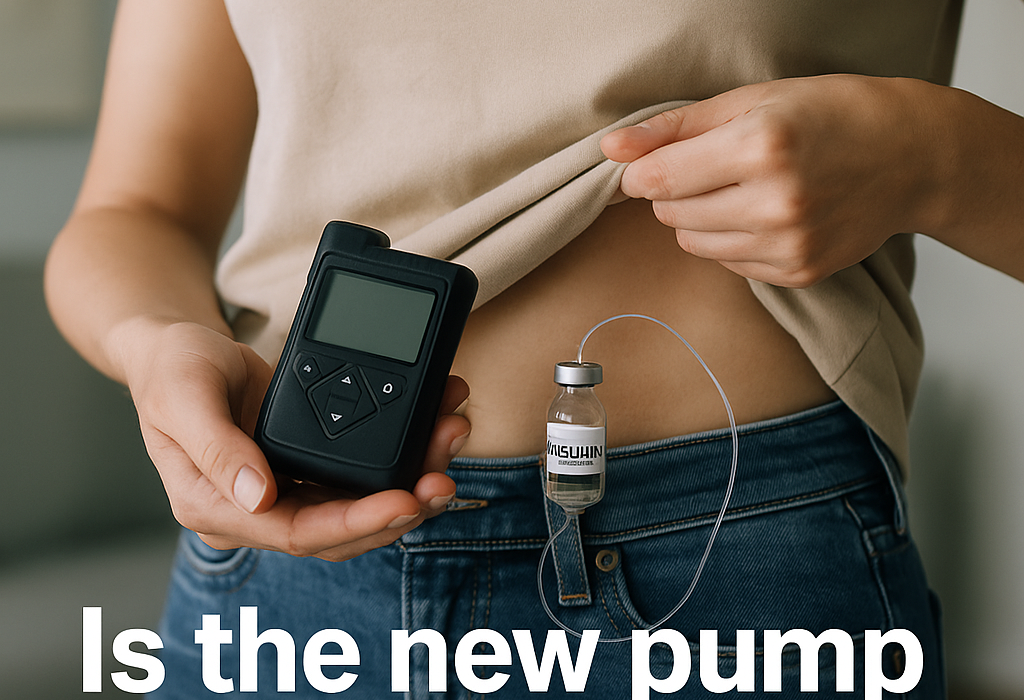
If you are considering a new insulin pump and wondering whether it is safe to use with older insulin, the short answer is: sometimes, but not always. The safest choice depends on the specific pump model, the insulin type, the insulin’s expiration date, and how it has been stored.
Because insulin pumps are precision devices, even a small mismatch between pump requirements and insulin characteristics can affect how well the pump delivers insulin. For people with diabetes, that can mean higher blood sugar, unexpected lows, or pump performance problems. Before using any old insulin in pump therapy, it is important to understand what “old insulin” really means and what the pump manufacturer recommends.
- The main question: can old insulin in pump be used in a new pump?
- Why insulin quality matters so much in a pump
- What counts as “safe” insulin for a pump?
- Is “old” insulin the same as expired insulin?
- New pump, old insulin: what are the risks?
- What do manufacturers usually recommend?
- Signs insulin may not be safe to use
- What if you only have older insulin and need to start the new pump?
- Can a new pump cause insulin to go bad faster?
- How to store insulin safely for pump use
- Common questions about new pumps and old insulin
- The bottom line
The main question: can old insulin in pump be used in a new pump?
In most cases, when people ask about “old insulin in pump,” they mean one of these:
- Insulin that is past its expiration date
- Insulin that has been opened for a while
- Insulin that was stored improperly
- Insulin from a previous supply kept in reserve
The safest answer is that you should not use expired insulin in a pump unless your diabetes care team specifically tells you to do so in an emergency. Even then, it is usually only a temporary measure. Expired or poorly stored insulin may lose potency, which means it may not lower blood sugar as expected.
A new pump does not make old insulin in pump therapy safer. In fact, using insulin that is already questionable can be more risky in a pump because pump therapy relies on a steady and reliable delivery of rapid-acting insulin.
For a deeper overview of pump-related diabetes topics, see Carb Counting: Ask Dmine Master Fast & Easy.
Why insulin quality matters so much in a pump
Insulin pumps deliver small, continuous amounts of insulin throughout the day. Unlike injections, where you may notice a problem right away, a pump depends on insulin that remains stable in the reservoir and tubing.
If insulin has degraded, several things can happen:
- It may work less effectively
- It may clog tubing or the infusion set
- It may cause unexplained high blood sugar
- It may lead to ketones or diabetic ketoacidosis if insulin delivery is interrupted
This is why pump users should be especially careful about insulin condition, not just the pump itself. Reliable insulin matters every day, and it matters even more when you are starting a new pump and trying to keep your settings and delivery routine consistent.
When a supply is old, the risk is not only that it may be weak. It may also behave unpredictably once it is loaded into the reservoir. That is why even small questions about storage, expiration, or appearance deserve attention before you use old insulin in pump therapy.
After all, a new device can only work as well as the insulin you put into it. If the insulin is questionable, even a well-programmed pump may produce erratic results, forcing you into repeated troubleshooting that could have been avoided.
One practical reason this matters is that pump users often respond quickly to numbers on a screen. If a glucose rise appears after a site change or pump start, people may suspect the settings first. In reality, old insulin in pump use can be the hidden cause, which makes the problem harder to identify and solve.
What counts as “safe” insulin for a pump?
Before putting insulin into a new pump, check these points:
1. The insulin is not expired
Always check the label on the vial or cartridge. If the expiration date has passed, the insulin may not work as intended.
2. The insulin is compatible with the pump
Different pumps are approved for different insulin types. Most pumps are designed for rapid-acting insulin, but not every pump works with every brand or formulation.
3. The insulin was stored correctly
Insulin should generally be protected from extreme heat and freezing. If it was left in a hot car, frozen, or otherwise mishandled, it may be unsafe or ineffective.
4. The insulin has not been open too long
Once insulin is opened, it usually has a limited room-temperature or in-use window, depending on the product. That window can be different from the printed expiration date.
If you are unsure about a vial, cartridge, or reservoir supply, the safest move is to pause and check the product instructions. The U.S. Food and Drug Administration’s drug information is a useful place to verify general insulin storage and safety guidance.
It also helps to compare the insulin package insert with the pump manual before you begin. A pump start is not just about filling a reservoir. It is about matching the insulin, the device, and the wear schedule so the whole system works as intended.
When people are anxious to begin with a new pump, it can be tempting to use whatever insulin is already available. That is understandable, but the safer approach is to treat insulin quality as part of the setup process, not an afterthought.
Is “old” insulin the same as expired insulin?
Not exactly.
An insulin vial can be “old” simply because it was purchased some time ago, but if it is still within its expiration date and has been stored properly, it may still be fine to use.
On the other hand, insulin that is:
- Past its expiration date
- Left unrefrigerated too long
- Exposed to extreme temperatures
- Contaminated or discolored
may no longer be reliable.
So the real question is not just how old it is, but whether it is still potent and properly stored. That is the key difference between a supply you can use and one that should be replaced before it goes into a pump.
People sometimes keep spare insulin as backup in case of travel delays, supply shortages, or a pump failure. That is sensible planning, but backup insulin still needs regular checking. A reserve vial that sits untouched for months can become a problem if the label is overlooked or the storage conditions were not ideal.
This is also why the phrase old insulin in pump covers more than just age. A vial can be recent but still be unsafe if it was overheated on a trip, accidentally frozen, or left open too long after being started.
New pump, old insulin: what are the risks?
Using older insulin in a new pump can create several problems.
Reduced insulin strength
Even if insulin looks normal, it may be weaker than expected. This can lead to higher glucose levels.
Unpredictable delivery
If insulin has started to break down, it may not flow through the pump tubing as smoothly.
Infusion set issues
Some older or degraded insulin may increase the risk of occlusion or site problems.
False troubleshooting
If glucose control becomes unstable, you may assume the new pump is the problem when the real issue is the insulin.
That last point matters more than many people realize. When you are learning a new device, every variable counts. If the insulin in the reservoir is questionable, it becomes much harder to tell whether the issue is the pump, the settings, the infusion set, or the insulin itself.
That confusion can waste time and make it harder to correct a rising glucose trend quickly. In a pump user, a slow response can matter because there is no long-acting insulin in the background to cushion the loss of effective delivery.
Another practical concern is that people sometimes restart a pump after a gap and assume the first few readings simply reflect the learning curve. If old insulin in pump use is part of the picture, the readings may stay high no matter how carefully the pump is programmed.
For people comparing device options, it may also help to read more about related equipment and routines, such as Diabetes device clocks: Ask Dmine Clocks Changing Diabetes Devices Help.
What do manufacturers usually recommend?
Pump manufacturers typically recommend using only insulin types approved for that specific pump and only insulin that is within its expiration date and stored properly. Some pumps are cleared for use with certain rapid-acting insulin analogs, while others may have a broader or narrower list.
Because each system is different, the instructions for one pump do not automatically apply to another. Always check:
- The pump user guide
- The insulin package insert
- Guidance from your diabetes clinician or pharmacist
If you are switching to a new pump model, it is especially important to verify compatibility before loading insulin. A good pump start depends on both the device and the insulin working exactly as intended, and the manufacturer’s instructions are the best starting point.
Some systems also have specific guidance about how long insulin can remain in the reservoir once it is loaded. Even if the insulin started out in good condition, the pump’s in-use time limit still applies. Ignoring that limit can turn usable insulin into old insulin in pump use sooner than expected.
It is worth reading the fine print carefully, because pump labeling can differ on how many hours insulin may remain in the cartridge, what temperatures are acceptable, and whether certain formulations are allowed. Those details are often the difference between smooth use and a troubleshooting headache.
Signs insulin may not be safe to use
Even if the insulin is not technically expired, do not use it in a pump if you notice signs such as:
- Cloudiness in insulin that should be clear
- Particles or crystals
- Color change
- Leaks, cracks, or damaged packaging
- Evidence of freezing or overheating
- Strange smell or appearance
When in doubt, replace it. Insulin is too important to gamble with. If you have already loaded questionable insulin into the pump and your glucose begins rising unexpectedly, treat the situation seriously and troubleshoot right away.
It is also wise to think about the age of the insulin after opening. A vial may be within date on the label but still be past its recommended in-use period. That is another way old insulin in pump use can sneak up on people who feel they are following the rules.
If the insulin looks wrong, smells unusual, or behaves differently than expected, the safest response is to stop using it rather than waiting to see whether it improves on its own. With pumps, delay can quickly become a bigger blood sugar problem.
What if you only have older insulin and need to start the new pump?
If you are in a situation where older insulin is the only insulin available, the safest next step is to contact:
- Your endocrinologist or diabetes clinician
- A pharmacist
- The pump manufacturer’s support line
They can help you determine whether the insulin is usable or whether you need a replacement right away.
If you are already running high blood sugars, feel ill, or have ketones, do not wait. Seek urgent medical advice.
If you are trying to bridge a short gap while waiting for a fresh supply, the care team may also want to know how the insulin was stored, how old it is, and whether you have any symptoms of insulin failure. Those details can change the advice you receive.
Practical steps while you wait for guidance
Until you hear back, it helps to:
- Check your glucose more often
- Review the pump’s priming and infusion set instructions
- Keep ketone testing supplies nearby if you use them
- Have a backup injection plan if your clinician has given one
Those steps do not replace medical advice, but they can reduce risk while you sort out whether the insulin can safely be used.
If you must make temporary decisions, keep the focus on safety rather than convenience. In many cases, it is better to delay pump startup briefly and use a confirmed-good backup plan than to begin with insulin whose condition is uncertain.
Can a new pump cause insulin to go bad faster?
The pump itself usually does not make insulin expire faster in a chemical sense, but insulin in a pump is typically exposed to room temperature for longer periods than insulin in the refrigerator. That means:
- Insulin in the reservoir should be changed on schedule
- The infusion set should be changed as directed
- Insulin should not sit in the pump for longer than recommended
A new pump may have different reservoir design, cartridge size, or wear time instructions. Follow those exactly. Even if you have used the same insulin brand for years, the handling rules for one device may not match another device.
Heat, direct sun, and long travel days can also shorten the useful life of insulin in the pump reservoir. If you are outdoors a lot or traveling, it is worth planning ahead so the insulin stays within a safe temperature range.
In practice, the pump is more likely to reveal a storage problem than cause one. If insulin was already borderline, the reservoir environment may simply make the problem obvious sooner, especially when glucose readings start drifting up.
How to store insulin safely for pump use
To keep insulin safe and effective:
- Store unopened insulin in the refrigerator as directed
- Do not freeze insulin
- Avoid direct heat and sunlight
- Keep insulin away from cars, windows, and hot rooms
- Follow the time limits for opened insulin
- Check the specific storage instructions for your brand
Good storage matters just as much as the expiration date. If you travel with diabetes supplies, it helps to review storage recommendations before you leave home so your pump insulin stays within a safe temperature range.
For people who like reading about other diabetes management tools, this related resource on Diabetes medical alert bracelets: 8 Truths About is another useful reminder that small details can improve safety.
The safest routine is simple: label new vials, check them before each refill, and do not assume yesterday’s backup supply is still ready months later. A few seconds of checking can prevent a much bigger problem after a pump start.
Storage habits that can prevent problems
A few simple habits can make a big difference:
- Label backup supplies with the date you opened them
- Rotate older stock to the front of the refrigerator
- Keep insulin in its original carton until needed
- Use a travel case if you carry supplies in hot or cold weather
These habits do not take long, but they can help you avoid using insulin that is no longer dependable.
Common questions about new pumps and old insulin
Is it ever okay to use insulin past its expiration date?
Generally, no. It is not recommended, especially in a pump. Only use expired insulin if a healthcare professional specifically advises it in an emergency.
Does insulin lose strength after opening?
Yes, over time it can. Opened insulin must be used within the manufacturer’s recommended timeframe.
Can all pumps use the same insulin?
No. Pump compatibility varies by model and insulin brand.
What should I do if my blood sugar stays high after starting a new pump?
Check for infusion set problems, insulin expiration, storage issues, and pump settings. If high blood sugar is severe or you have ketones, get medical help immediately.
How do I know if insulin in the pump is still good?
Use only insulin that is within date, stored properly, and looks normal. Replace it if you have any concerns.
Does older insulin always fail?
No, but it can be less predictable. A supply may still look fine and yet not deliver the same results once it is in a pump. That uncertainty is the main reason clinicians recommend caution.
Should I keep spare insulin on hand?
Yes, many people with diabetes keep spare insulin for emergencies or supply delays. Just make sure it is checked regularly so you do not accidentally rely on an old vial in pump use when the time comes.
Thinking ahead is especially helpful when you are switching devices or traveling. A spare vial can be a lifesaver, but only if you know it is still appropriate to use.
The bottom line
A new insulin pump is not automatically safe for old insulin. What matters most is whether the insulin is approved for the pump, unexpired, properly stored, and still potent. If the insulin is expired, overheated, frozen, or questionable in any way, it is best not to use it.
When in doubt, replace the insulin and check with your diabetes care team. In pump therapy, reliable insulin is essential for safe and effective blood sugar control. For more community-focused diabetes reading, you may also like Diabetes online community highlights: Around Diabetes Blogosphere: May 2018 Highlights.
The practical takeaway is simple: do not assume that because insulin is still in the vial, it will perform well in the reservoir. A pump depends on consistency, and consistency starts with using insulin you trust. If there is any uncertainty about old insulin in pump use, replace it rather than hoping it will be fine.
That extra caution is especially important when you are starting a new device, because it removes one more variable from the troubleshooting process. With fresh, properly stored insulin in place, you can focus on learning the pump, reviewing your settings, and watching how your body responds.
In the end, the safest pump routine is the one that treats insulin as carefully as the device itself. If either part is uncertain, pause, verify, and get help before making the switch.