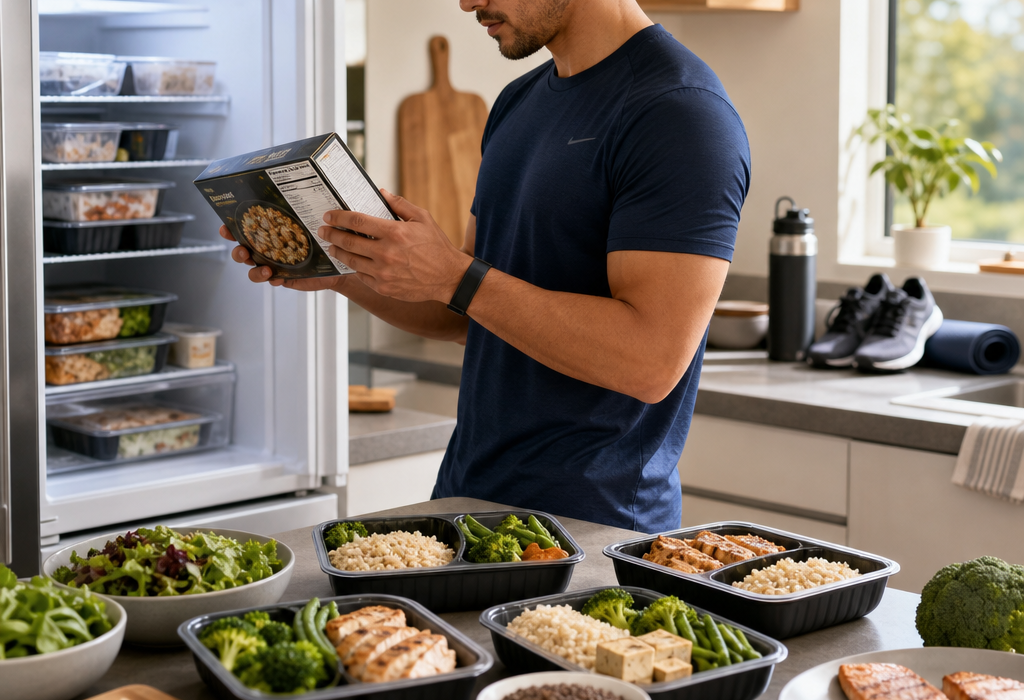
Finding a healthy TV dinner for diabetes can feel confusing, especially if you also exercise regularly and want meals that support stable blood sugar, good energy, and recovery. The good news is that you do not have to give up convenience to eat well. With the right choices, frozen dinners can fit into a diabetes-friendly eating plan and even support an active lifestyle.
The key is knowing what to look for: balanced carbs, enough protein, reasonable sodium, and portions that match your needs. Whether you are managing type 1 diabetes, type 2 diabetes, or prediabetes, the goal is the same—pick meals that help keep glucose levels steadier and provide fuel for your day.
Table of Contents
- What Makes a TV Dinner Good for Diabetes?
- Best Nutritional Targets for a Healthy Frozen Dinner
- How Exercise Changes Your Meal Needs
- Best Types of TV Dinners for Diabetes
- How to Read the Nutrition Label
- Easy Ways to Make a TV Dinner Healthier
- Common Questions About Healthy TV Dinners for Diabetes
- Tips for Choosing the Right Meal at the Store
- Final Thoughts
What Makes a TV Dinner Good for Diabetes?
A diabetes-friendly TV dinner should do more than just taste good. It should help prevent blood sugar spikes and keep you satisfied.
Here are the main things to look for:
– Controlled carbohydrate content
– Adequate protein
– Fiber from vegetables, beans, or whole grains
– Moderate sodium
– Limited added sugar
– Reasonable calorie count for your goals
A meal that is too high in refined carbs and too low in protein or fiber may cause a quicker rise in blood sugar. On the other hand, a balanced meal can help slow digestion and improve fullness.
If you are trying to keep meals simple, the best approach is to think in terms of balance rather than perfection. A healthy TV dinner for diabetes does not need to be homemade to be useful. It just needs to work with your body, your activity, and your routine.
Best Nutritional Targets for a Healthy Frozen Dinner
There is no single perfect number for everyone, but these general targets can help you choose better options.
1. Carbohydrates
Many people with diabetes do well with meals that contain about 30 to 45 grams of carbs, depending on their personal plan, activity level, and medication. Some people may need less or more.
Look for dinners with:
– Whole grains instead of white rice or pasta
– Beans or lentils
– Vegetables as a major part of the meal
– No large portion of sugary sauces
A healthy TV dinner for diabetes often uses carbs in a more strategic way. The carbohydrates are present, but they are paired with fiber and protein so the meal digests more slowly.
2. Protein
Protein helps with fullness and can reduce the blood sugar impact of a meal when paired with carbs.
A good TV dinner often contains:
– Chicken, turkey, fish, lean beef, tofu, or beans
– At least 15 to 25 grams of protein, if possible
That combination can make a healthy TV dinner for diabetes more satisfying, especially after a workout or a long day when you need a meal that feels complete.
3. Fiber
Fiber slows digestion and supports better blood sugar control.
Try to choose meals with:
– 5 grams of fiber or more
– Vegetables
– Whole grains
– Legumes
4. Sodium
Frozen dinners can be high in sodium, which may matter if you have high blood pressure or heart disease risk, both common concerns for people with diabetes.
A better choice is usually:
– Less than 600 to 700 mg sodium per meal, when possible
5. Calories
The right calorie level depends on your goals. If you are trying to maintain weight, lose weight, or support exercise recovery, your needs may be different.
A meal around 300 to 500 calories is common, but the right amount depends on your overall diet and activity.
In real life, the best healthy TV dinner for diabetes is one that fits your day rather than one that checks a single box. Two people can eat the same meal and have very different results depending on medication, exercise, stress, and sleep.
How Exercise Changes Your Meal Needs
If you exercise, your body may need more strategic meal planning than someone who is less active. The best TV dinner for diabetes and exercise is one that supports both blood sugar stability and muscle recovery.
Exercise can affect blood sugar in different ways. Some workouts lower glucose, while others may temporarily raise it. That is why choosing a healthy TV dinner for diabetes around your workout timing matters. A meal that works before an easy walk may not be ideal before a long run, strength session, or evening training block.
Before exercise
If you eat a frozen dinner before a workout, choose a meal that is:
– Not too heavy or greasy
– Balanced in carbs and protein
– Easy to digest
For some workouts, a meal with moderate carbs can provide useful energy. For others, especially later in the day, a smaller meal may feel better.
After exercise
After exercise, your body may need:
– Protein for muscle repair
– Carbohydrates to replenish energy
– Fluids to rehydrate
A TV dinner that includes lean protein, vegetables, and a moderate serving of whole grains can work well after activity.
For readers who want more support for daily energy and movement, the article on Aging With Type 1 Diabetes: Essential Tips for Thriving offers another practical look at balancing food choices with changing needs over time.
When exercise is part of your routine, a healthy TV dinner for diabetes should help you feel energized, not sluggish. That means avoiding meals that are overloaded with cream sauces, breading, or extra sugar, because those can leave you feeling heavy without improving performance or recovery.
Best Types of TV Dinners for Diabetes
Not every frozen meal is a bad choice. Some are much better than others. The best ones usually fall into these categories.
1. Grilled chicken with vegetables
These meals are often a strong option because they are high in protein and include non-starchy vegetables. If the meal also has brown rice or quinoa in a moderate portion, it can be a balanced choice.
2. Turkey or chicken with whole grains
Meals with roasted turkey or chicken and a side of whole grains can be filling without going overboard on carbs.
3. Fish-based meals
Salmon, cod, or other fish meals may be helpful because they provide protein and, in the case of salmon, healthy fats. Fish is often a smart dinner choice if you want a lighter meal.
4. Vegetarian meals with beans or tofu
Plant-based frozen dinners can work well if they include:
– Beans
– Lentils
– Tofu
– Vegetables
– Whole grains
These ingredients often provide a better fiber profile than heavily processed meatless meals.
5. Stir-fry style dinners
A vegetable and protein stir-fry can be a good option if the sauce is not too sugary and the rice portion is moderate.
As a general rule, a healthy TV dinner for diabetes should not rely on one ingredient to carry the whole meal. Protein, fiber, and portion control all matter at the same time.
Frozen Dinner Ingredients to Watch Out For
Some TV dinners may seem healthy but can still work against your goals. Be cautious with these ingredients:
– Sweet sauces like teriyaki, honey glaze, or sweet-and-sour
– White rice or refined pasta as the main carb
– Breaded meats
– Creamy sauces that add saturated fat and calories
– Very low protein meals
– Large portions with little fiber
– Added sugars hidden in sauces or seasoning blends
If an ingredient list includes several forms of sugar or a very long list of highly processed ingredients, that can be a sign to keep looking.
A healthy TV dinner for diabetes can still include flavor, but it should not use sugar-heavy sauces as the main source of taste. Herbs, spices, lemon, garlic, and savory seasonings are usually better choices.
How to Read the Nutrition Label
The nutrition label is the fastest way to judge whether a frozen dinner is diabetes-friendly.
Check serving size first
Some TV dinners look like one meal but actually contain more than one serving. Always check the serving size and make sure the nutrition information matches what you will really eat.
Look at total carbs, not just sugar
For diabetes, total carbohydrates matter most. Sugar is only one part of the picture.
Compare fiber and protein
A meal with more fiber and protein is usually a better choice than one with mostly refined carbs.
Watch saturated fat and sodium
Too much saturated fat and sodium can make a meal less heart-healthy.
Be careful with “light” or “healthy” labels
These words do not always mean the meal is actually good for diabetes. The numbers on the label matter more than the marketing.
When in doubt, compare two options and choose the one with more protein, more fiber, and less sodium. That simple habit makes it easier to find a healthy TV dinner for diabetes without memorizing a long list of rules.
Use trusted nutrition guidance
If you want a reliable reference for carb counting and balanced meal planning, the American Diabetes Association’s carbohydrate guidance is a helpful place to start.
Easy Ways to Make a TV Dinner Healthier
Even if your frozen dinner is not perfect, you can improve it with a few simple steps.
Add vegetables
Add a side of:
– Steamed broccoli
– Salad
– Green beans
– Roasted Brussels sprouts
– Mixed vegetables
This increases fiber and volume without adding many carbs.
Add protein if needed
If the meal is low in protein, consider adding:
– A boiled egg
– Plain Greek yogurt on the side
– A small piece of grilled chicken
– Cottage cheese
Reduce sodium with fresh sides
Pair the dinner with fresh, unsalted vegetables or fruit instead of salty snacks.
Choose water or unsweetened drinks
Avoid sugary drinks that can raise blood glucose quickly.
Add healthy fats carefully
A small amount of avocado, nuts, or olive oil can improve satiety, but portion size matters because fats are calorie-dense.
These small upgrades can turn an average frozen entree into a more satisfying healthy TV dinner for diabetes without making dinner feel complicated.
Best TV Dinner Choices by Meal Type
Here is a simple way to think about the best frozen dinner options for diabetes and exercise.
Best overall
– Grilled chicken with vegetables and brown rice
– Salmon with vegetables and quinoa
– Turkey meatloaf with green beans and sweet potato
Best for post-workout
– Chicken and whole grains
– Lean protein with beans and vegetables
– Fish with roasted vegetables and moderate carbs
Best for lighter dinners
– Vegetable-based meal with tofu or lean protein
– Soup-based frozen meal with a side salad
– Smaller portion meal with added vegetables
Best vegetarian options
– Lentil bowl with vegetables
– Tofu stir-fry with brown rice
– Bean and vegetable chili
If you prefer to build a fuller nutrition plan around these choices, it can help to learn from other diabetes-focused lifestyle topics such as CGM for Diabetes: 39 New CGMs for Diabetes Best Picks for 2026, especially if you want to connect food choices with glucose patterns over the day.
Common Questions About Healthy TV Dinners for Diabetes
Are frozen dinners okay for diabetics?
Yes, frozen dinners can be okay for diabetics if you choose them carefully. The best options are balanced, lower in sodium, and not loaded with refined carbs or added sugar.
Can I eat TV dinners if I exercise regularly?
Yes. In fact, frozen dinners can be convenient for active people. Just make sure the meal matches your workout timing and gives you enough protein and carbs for energy and recovery.
What is the healthiest frozen dinner for blood sugar?
Usually, the healthiest frozen dinner is one with lean protein, non-starchy vegetables, moderate carbs, and minimal added sugar. Meals with grilled chicken, fish, or tofu are often strong choices.
Should I avoid all frozen meals?
No. You do not need to avoid all frozen meals. The goal is to choose better options more often and use the nutrition label to guide your decision.
Are low-carb frozen meals always better?
Not always. Some low-carb meals are high in sodium or low in fiber and protein. A balanced meal may be better than one that is simply low in carbs.
How often can I eat a frozen dinner?
There is no strict limit. If the meal fits your carb goals, calorie needs, and sodium intake, it can be part of your routine more than once a week. The main thing is making sure the rest of your day includes plenty of vegetables, protein, and whole foods.
Can a healthy TV dinner for diabetes help with weight management?
Yes, it can. Portion-controlled frozen dinners may help some people manage calories more easily, especially when paired with a salad or extra vegetables. The best results usually come from using frozen meals as one tool in a larger eating pattern rather than as the whole plan.
Tips for Choosing the Right Meal at the Store
When shopping for frozen dinners, use this quick checklist:
– At least one source of lean protein
– A good amount of vegetables
– Moderate carbs
– Low or moderate sodium
– No sugary sauce as the main flavor
– A portion size that fits your goals
If you have time, compare two or three meals side by side. A few extra minutes at the store can make a big difference for your blood sugar and overall nutrition.
It can also help to think ahead about the rest of the day. If lunch was carb-heavy, a healthy TV dinner for diabetes with more vegetables and lean protein may help balance your intake. If you exercised before dinner, a meal with a moderate amount of carbs may be more useful than a very low-carb option.
Example of a Diabetes-Friendly TV Dinner Plate
If your frozen meal looks small or unbalanced, you can build a better plate around it.
A smart plate might include:
– One frozen entrée with chicken, fish, tofu, or beans
– A side of steamed vegetables
– A small serving of fruit if needed
– Water or an unsweetened drink
This kind of meal gives you protein, fiber, and controlled carbs without requiring a lot of extra cooking.
You can also make the meal feel more complete with a simple side salad or a few roasted vegetables. That approach often turns an average convenience meal into a more reliable healthy TV dinner for diabetes that works for busy evenings, recovery days, and late schedules.
Final Thoughts
A healthy TV dinner for diabetes and exercise is absolutely possible. The best frozen meals are balanced, with lean protein, fiber-rich vegetables, moderate carbs, and lower sodium. They should help you stay satisfied, support your workouts, and keep blood sugar levels more stable.
The main idea is simple: look beyond the front label and check the nutrition facts. With a little practice, you can find convenient meals that fit your health goals without sacrificing taste or convenience.
When you make smart choices consistently, a healthy TV dinner for diabetes can be more than a backup option. It can be a practical part of everyday eating that saves time while still supporting your long-term health.