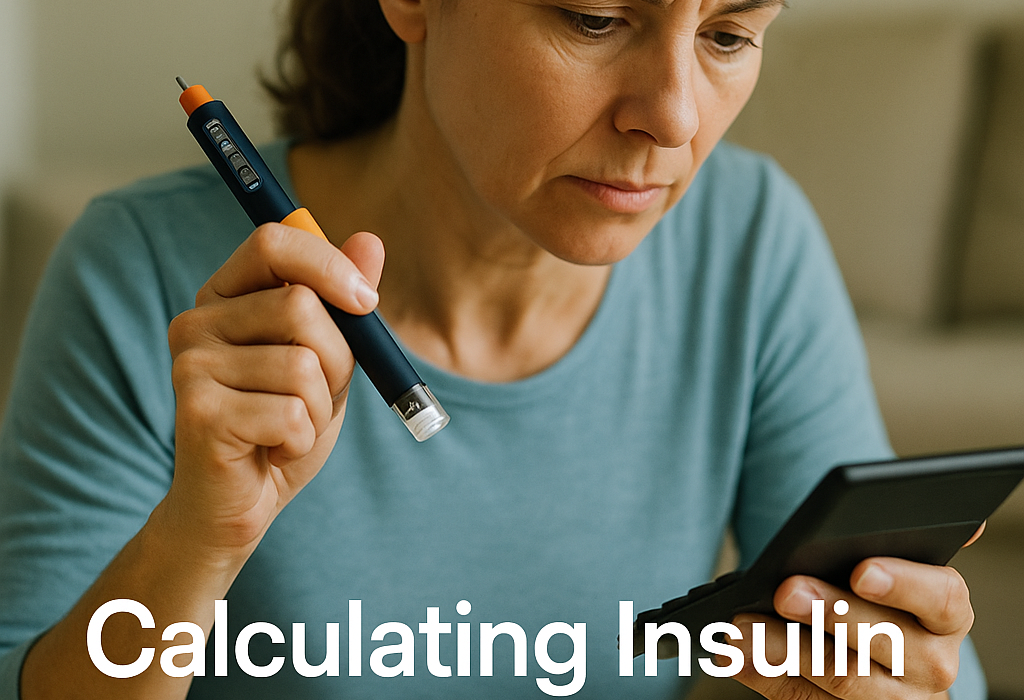
Using an insulin pen can make daily diabetes management feel more manageable, but the diabetes math behind dosing can still be confusing. If you’ve ever wondered how to figure out the right number of units, how food affects your dose, or what to do when blood sugar is high or low, you’re not alone.
This guide explains the basics of diabetes math for insulin pen users in clear, practical terms. It covers the core calculations many people need, common questions, and key safety points to help you understand your insulin plan better.
- What “diabetes math” means for insulin pen users
- The main types of insulin math
- Carbohydrate coverage
- Correction dose for high blood sugar
- Total mealtime dose
- How to use an insulin pen correctly
- Why insulin math can be tricky
- Common questions about insulin pen math
- Important safety points
- Tips to make diabetes math easier
- When to call your healthcare provider
- The bottom line
What “diabetes math” means for insulin pen users
Diabetes math is the process of figuring out how much insulin to take based on:
- Your blood glucose reading
- The amount of carbohydrates you plan to eat
- Your target blood sugar range
- Your personal insulin sensitivity
- Any insulin already active in your body
For people using insulin pens, this usually means calculating a mealtime dose, also called a bolus dose, and sometimes a correction dose when blood sugar is higher than target.
It helps to think of diabetes math as a practical tool, not a perfect formula. The numbers are meant to guide safer decisions, and they work best when they come from your own care plan rather than a generic example.
For more background on related dosing topics, you may also want to read Insulin dosing plan: Quick Guide.
The main types of insulin math
Most insulin pen users need to understand three basic calculations:
- Carbohydrate coverage
- Correction for high blood sugar
- Adjustments for activity, illness, or low blood sugar risk
Let’s break each one down.
When people first learn diabetes math, the hardest part is often not the arithmetic itself. It is figuring out which number matters most at the moment: the carbs in the meal, the current glucose reading, or a recent change in exercise or illness.
1. Carbohydrate coverage
Carbohydrates raise blood glucose, so many people who use rapid-acting insulin take a dose based on how many carbs they eat.
Carbohydrate ratio
Your diabetes care team may give you an insulin-to-carb ratio, such as:
- 1 unit for every 10 grams of carbs
- 1 unit for every 15 grams of carbs
This is often written as 1:10 or 1:15.
Example
If your ratio is 1:10 and you plan to eat 50 grams of carbs:
50 ÷ 10 = 5 units
So you would take 5 units of insulin for the meal.
Why this matters
This dose helps match insulin to food, which can reduce post-meal blood sugar spikes. It is one of the most useful parts of diabetes math for everyday meals, snacks, and treats.
Carb coverage becomes easier with practice, especially when you learn the carbohydrate content of foods you eat often. A serving of rice, a slice of bread, a piece of fruit, or a bowl of cereal can all change the dose you need.
2. Correction dose for high blood sugar
If your blood sugar is above your target before a meal, you may need extra insulin to bring it down. This is called a correction dose.
Correction factor
Your care team may provide a correction factor, also called an insulin sensitivity factor. This tells you how much 1 unit of insulin lowers your blood sugar.
For example, if:
1 unit lowers your blood sugar by 50 mg/dL
and your target is 100 mg/dL, but your current reading is 200 mg/dL, then:
200 – 100 = 100 mg/dL above target
100 ÷ 50 = 2 units
Your correction dose would be 2 units.
This is another place where diabetes math can feel intimidating at first. The good news is that the same steps apply again and again: determine how far you are from target, then divide by the factor your team gave you.
The correction dose is not the same for everyone. A person who is very insulin sensitive may need a smaller correction, while someone with more insulin resistance may need a larger one. Your prescribed plan should reflect your own needs.
3. Total mealtime dose
For many insulin pen users, the total dose before a meal is:
carb coverage dose + correction dose
Example
- Meal carbs: 60 grams
- Ratio: 1 unit per 12 grams
- Current blood sugar: 180 mg/dL
- Target blood sugar: 100 mg/dL
- Correction factor: 1 unit lowers 40 mg/dL
Step 1: Carb coverage
60 ÷ 12 = 5 units
Step 2: Correction dose
180 – 100 = 80
80 ÷ 40 = 2 units
Step 3: Total dose
5 + 2 = 7 units
So the total dose is 7 units.
That total is the heart of many diabetes math calculations: cover the food, then add the correction if needed. In real life, some people also adjust for exercise, delayed digestion, or a recent dose that is still active, which is why careful review matters.
How to use an insulin pen correctly
The math is only part of the process. Using the pen properly helps ensure the dose you calculate is the dose you actually receive.
Basic steps
- Wash your hands.
- Check the insulin label and expiration date.
- Attach a new needle.
- Prime the pen as directed.
- Dial the prescribed dose.
- Inject into the recommended area.
- Hold the pen in place for the recommended count of seconds before removing it.
Rotate injection sites
Common sites include:
- Abdomen
- Thigh
- Upper arm
- Buttocks
Rotating sites helps prevent lumps or hardened areas, which can affect insulin absorption.
Good technique supports good results. Even accurate diabetes math can be thrown off if insulin is not injected properly, if the needle is reused too long, or if injections keep going into the same spot.
Why insulin math can be tricky
Even when the formulas seem simple, real-life diabetes management is more complex because many factors affect blood sugar:
- Physical activity
- Stress
- Illness
- Hormones
- Timing of insulin
- Type of meal
- Fat and protein in food
- Recent insulin doses
That’s why the numbers in your diabetes plan should come from your clinician, not from a generic formula you find online.
It is also why two people can eat the same meal and need different doses. The same bowl of pasta may affect one person gently and another person more sharply, depending on their sensitivity, activity level, and current glucose trend.
For a deeper look at the broader impact of diabetes on the body, see Diabetes complications: why diabetes is called the mother of all diseases.
Common questions about insulin pen math
How do I know my insulin-to-carb ratio?
Your healthcare provider determines it based on your blood sugar patterns, insulin type, and overall treatment plan. It can change over time.
What if I don’t know how many carbs are in my meal?
You can use nutrition labels, carb-counting apps, food databases, or a diabetes educator’s guidance. Over time, many people learn to estimate common foods more accurately.
What if my blood sugar is low before a meal?
Low blood sugar should usually be treated first, not corrected with more insulin. The general approach is to follow your diabetes plan for treating hypoglycemia, then take insulin only if advised.
Should I take insulin if I’m not eating?
It depends on the type of insulin and your medical plan. Rapid-acting mealtime insulin is often tied to food intake, while long-acting insulin may still be needed. Follow your prescribed instructions.
What if I calculate a dose and it seems too high?
Do not guess. Recheck your numbers, confirm your carb count, and follow your prescribed correction rules. If something feels off, contact your diabetes care team.
Questions like these are exactly why diabetes math should be personalized. The goal is not to memorize a one-size-fits-all formula but to understand the logic behind your own dosing plan.
Important safety points
Insulin math can help you manage diabetes, but dosing errors can be dangerous. Keep these safety rules in mind:
- Always follow the dosing plan given by your doctor or diabetes educator
- Double-check units before injecting
- Be careful with similar-looking pen devices
- Never reuse needles if your care team advises against it
- Store insulin according to label instructions
- Watch for signs of low blood sugar after dosing
Signs of low blood sugar may include:
- Shaking
- Sweating
- Fast heartbeat
- Dizziness
- Hunger
- Confusion
If you have symptoms of severe low blood sugar or cannot safely treat it, seek urgent medical help.
In diabetes care, safety comes before precision. If diabetes math gives you a result that does not seem right, pause and verify it rather than rushing to inject.
For a reliable external reference on treating low blood sugar, see the CDC guidance on low blood sugar.
Tips to make diabetes math easier
Keep a written log
Track:
- Blood sugar readings
- Carbs eaten
- Insulin dose
- Activity
- Notes about highs or lows
This can help you and your care team spot patterns.
Use a consistent method
Pick one carb-counting system and use it consistently. Consistency helps reduce errors.
Pre-plan meals
Knowing what you’ll eat before you sit down can make dosing faster and more accurate.
Ask about dose timing
Some rapid-acting insulins are taken right before meals, while others may be timed differently based on your provider’s advice.
Review your plan regularly
Your insulin needs can change with:
- Weight changes
- Exercise changes
- Illness
- New medications
- Changes in eating habits
Many people find that diabetes math becomes less stressful once they have a simple routine: check, count, calculate, and confirm. A repeatable routine can make it easier to stay consistent on busy mornings, restaurant nights, and travel days.
It also helps to keep a small notes app or paper log with your current carb ratio, correction factor, and target range. Having those numbers in one place reduces mistakes when you are in a hurry.
When to call your healthcare provider
Contact your diabetes care team if:
- You are having frequent highs or lows
- Your dose calculations do not seem to work well
- You are unsure about your insulin-to-carb ratio or correction factor
- You miss a dose and do not know what to do
- You are sick and blood sugars are running unusually high
- You have trouble using your insulin pen correctly
If your blood sugar trends change, your team may need to update your plan. That does not mean you did anything wrong. It usually means your body’s needs have shifted and your diabetes math should be adjusted to match.
The bottom line
For insulin pen users, diabetes math usually comes down to three things: counting carbs, correcting high blood sugar, and combining those doses safely. Once you understand your personal insulin-to-carb ratio and correction factor, the calculations become much easier to manage.
Still, insulin dosing is highly individual. The safest approach is to use the plan created by your healthcare provider and review it regularly as your needs change. With the right tools and guidance, insulin pen users can make diabetes math simpler, safer, and more effective.
If you want to keep building confidence, revisit the numbers after a few meals and compare them with your results. Over time, diabetes math becomes less about memorizing formulas and more about recognizing patterns that help you stay in range.