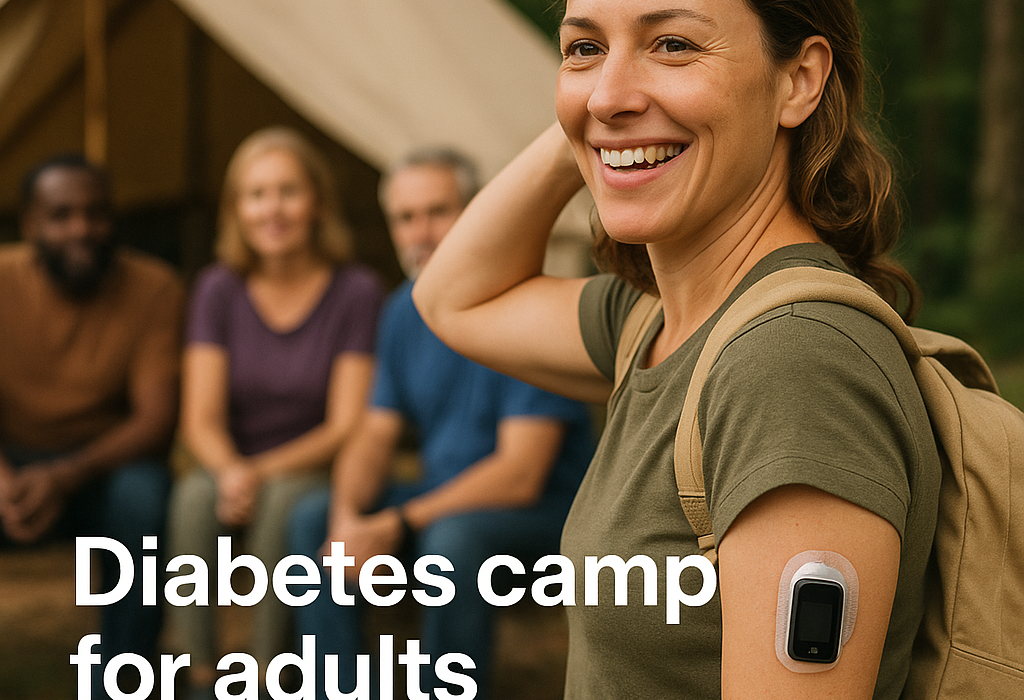
Living with diabetes as an adult can feel isolating, especially when daily routines, work, family responsibilities, and health management all compete for your attention. A diabetes camp for adults offers something many people with diabetes rarely get: a supportive space to learn, recharge, and connect with others who truly understand the challenges of living with diabetes.
Whether you are newly diagnosed or have managed diabetes for years, adult diabetes camps can provide practical education, emotional support, and a sense of community. This article explains what adult diabetes camps are, who they are for, what to expect, and how they can help you thrive.
Table of Contents
- What Is a Diabetes Camp for Adults?
- Why Adults Attend Diabetes Camp
- Who Can Benefit From an Adult Diabetes Camp?
- What Happens at a Diabetes Camp for Adults?
- Benefits of Attending a Diabetes Camp for Adults
- What Should You Bring to Diabetes Camp?
- Is Diabetes Camp Safe for Adults?
- How to Choose the Right Diabetes Camp for Adults
- Common Questions About Diabetes Camp for Adults
- The Emotional Value of Connecting With Others
- How Diabetes Camp Can Help You Thrive
- Final Thoughts
What Is a Diabetes Camp for Adults?
A diabetes camp for adults is an organized program designed specifically for adults living with diabetes. Unlike children’s diabetes camps, which often focus on young campers and their families, adult camps are built around the needs, experiences, and goals of grown-ups managing type 1 diabetes, type 2 diabetes, or other diabetes-related conditions.
These camps may be held in person at a retreat center, camp facility, or conference-style setting. Some are weekend programs, while others last several days or a full week. Most include a mix of:
- Diabetes education sessions
- Peer support and group discussions
- Physical activities adapted for people with diabetes
- Nutrition guidance
- Stress management and wellness activities
- Time for social connection and relaxation
The main goal is not just education, but empowerment. A diabetes camp for adults helps participants gain confidence in managing their health while building relationships with people who understand their journey.
For some participants, the experience also serves as a reset. After months or years of focusing on numbers, appointments, and routines, a diabetes camp for adults can create space to step back and see the bigger picture of living well with a chronic condition.
Why Adults Attend Diabetes Camp
Adults often attend diabetes camp for many reasons. Some want updated information about managing blood sugar. Others want to meet people who share similar experiences. Many simply need a break from feeling alone in their diabetes management.
Common reasons adults choose a diabetes camp include:
- To learn new strategies for daily diabetes care
- To better understand insulin, medications, or technology like CGMs and pumps
- To improve confidence around food, exercise, and blood sugar management
- To connect with others facing similar challenges
- To reduce diabetes burnout
- To gain motivation and emotional support
- To stay informed about the latest tools and treatment approaches
For many, the biggest value is community. Talking openly with others who “get it” can be deeply reassuring and energizing.
Some adults also attend because they want a learning environment that feels more personal than a lecture and more connected than a standard clinic visit. A diabetes camp for adults can provide both structure and warmth, which helps information feel easier to absorb and apply.
Who Can Benefit From an Adult Diabetes Camp?
A diabetes camp for adults can benefit a wide range of people, including:
- Adults with type 1 diabetes
- Adults with type 2 diabetes
- People newly diagnosed with diabetes
- Adults who have lived with diabetes for many years
- Those experiencing diabetes burnout or stress
- Individuals interested in diabetes technology and education
- Adults seeking peer support and friendship
- Caregivers or spouses in some camp programs
Some camps are tailored to specific audiences, such as adults with type 1 diabetes, while others welcome people across different diabetes types. If you are unsure whether a camp is a good fit, reviewing the program description or asking the organizers can help.
Adults who feel overwhelmed by constant self-management can especially benefit from this setting. A diabetes camp for adults can remind participants that progress does not require perfection and that small, consistent steps often matter most.
What Happens at a Diabetes Camp for Adults?
Every camp is different, but most adult diabetes camps combine learning, movement, and community. The schedule may include structured presentations, hands-on workshops, and recreational activities.
Educational Sessions
Education is a core part of the experience. These sessions may cover topics such as:
- Blood glucose monitoring
- Continuous glucose monitor use
- Insulin dosing basics
- Carbohydrate counting
- Meal planning and nutrition
- Exercise and blood sugar control
- Preventing highs and lows
- Managing stress and emotional health
- Understanding diabetes complications and prevention
These sessions are often led by diabetes educators, nurses, endocrinologists, dietitians, or other healthcare professionals.
Educational content can be especially helpful when it is practical and scenario-based. For example, a diabetes camp for adults might discuss how to handle a long work shift, a road trip, or a meal out with friends while staying attentive to glucose trends.
Peer Support and Group Discussion
Adult diabetes camps create space for honest conversations. Participants may talk about:
- The emotional side of diabetes
- Managing diabetes at work or while traveling
- Dating, parenting, and relationships
- Frustration with blood sugar fluctuations
- How to stay motivated over time
Hearing other people share similar struggles can reduce feelings of isolation and help normalize the ups and downs of diabetes management.
These conversations can also lead to practical problem-solving. Someone might share a trick for packing supplies, a better way to track meals, or a strategy for staying calm during a low blood sugar episode. That kind of peer-to-peer learning is one reason a diabetes camp for adults can feel so valuable.
Physical Activity and Recreation
Many camps include exercise and outdoor activities, such as:
- Walking
- Swimming
- Yoga
- Team games
- Hiking
- Low-impact fitness classes
These activities are often adapted to support safe diabetes management. Participants may learn how to adjust food intake, monitor glucose levels, and respond to changes during exercise.
Movement is not only about fitness. At a diabetes camp for adults, it can also be a way to rebuild trust in the body and practice self-management in a supportive setting.
Relaxation and Wellness
Some camps also include wellness-focused activities like:
- Meditation
- Breathing exercises
- Journaling
- Art or music therapy
- Mindfulness sessions
These activities can help reduce stress, which is especially important because stress can affect blood sugar and overall well-being.
Wellness sessions often give participants tools they can use after camp ends. That can make a diabetes camp for adults more than a short retreat; it can become a starting point for healthier routines at home.
Technology Demos and Tips
Some adult camps include informal discussions or demonstrations about diabetes devices and apps. Participants may compare experiences with glucose meters, pumps, and CGMs, or they may learn how to troubleshoot everyday issues.
If you want to learn more about pump optimization, you may also find this guide useful: Detailed Tips to Optimize Your Medtronic 670G.
These practical conversations can be especially useful for adults who want to make sense of the technology they already use or are considering trying for the first time.
Benefits of Attending a Diabetes Camp for Adults
A diabetes camp for adults offers more than a short getaway. It can create meaningful, lasting benefits.
1. Practical Diabetes Education
Many adults leave camp with a stronger understanding of how to manage their diabetes in everyday life. Learning in a supportive environment often makes the information easier to absorb and apply.
2. Emotional Support
Living with diabetes can be emotionally exhausting. Camp provides a judgment-free space where participants can speak openly and feel understood.
3. Better Self-Confidence
As people gain knowledge and hear success stories from peers, they often feel more capable of managing their condition.
4. Reduced Isolation
Diabetes can sometimes feel invisible to others. Camp helps people realize they are not alone.
5. Motivation to Improve Health Habits
Being surrounded by supportive peers can inspire healthier routines, from better meal planning to more consistent glucose tracking.
6. Exposure to Diabetes Technology and Tools
Many adult camps introduce or reinforce the use of insulin pumps, CGMs, apps, and other tools that may improve diabetes management.
7. A More Positive Mindset
Participants often leave with a more balanced view of diabetes. Instead of focusing only on what feels difficult, they also notice what is possible, what has improved, and what support is available.
That shift in perspective can be one of the most lasting benefits of a diabetes camp for adults.
What Should You Bring to Diabetes Camp?
If you are attending a diabetes camp for adults, preparation is important. The exact packing list depends on the program, but common essentials include:
- Diabetes supplies such as insulin, pump supplies, CGM sensors, test strips, lancets, and backup batteries
- Medications
- Glucose tablets or fast-acting carbohydrate snacks
- Personal identification and insurance information
- Comfortable clothing and shoes
- Water bottle
- Sunscreen and weather-appropriate gear
- Any required forms or medical records
- Notebook or journal
- Sleeping bag or bedding if needed
It is also wise to bring extra diabetes supplies in case of delays, lost items, or unexpected changes. Camp organizers usually provide a detailed packing list in advance.
Before leaving, many attendees create a small emergency kit with backup snacks, extra sensors, spare infusion sets, and a printed list of medications. That extra preparation can make a diabetes camp for adults feel less stressful and more enjoyable.
Is Diabetes Camp Safe for Adults?
Safety is a major priority at diabetes camps. Programs typically include trained medical staff, diabetes educators, or volunteers who understand glucose monitoring, insulin use, and hypoglycemia treatment.
Safety measures may include:
- Regular blood sugar checks
- Emergency protocols for low or high blood sugar
- Access to snacks and glucose treatment
- Medical staff on site
- Supervision during exercise or activities
- Review of participants’ health information before camp starts
Still, participants should understand that they remain responsible for their own diabetes management unless the camp states otherwise. It is important to follow all instructions, bring enough supplies, and communicate any medical concerns to the camp team.
If you want to review general diabetes education and management information from a trusted source, the American Diabetes Association offers helpful guidance at the American Diabetes Association.
How to Choose the Right Diabetes Camp for Adults
Not every adult diabetes camp is the same, so choosing the right one matters. Consider the following factors:
Program Focus
Some camps focus on education, while others emphasize peer support, recreation, or wellness. Choose one that matches your goals.
Diabetes Type
Check whether the camp is designed for type 1 diabetes, type 2 diabetes, or a mixed group.
Location and Length
Decide whether you want a weekend retreat, a week-long camp, or a local event.
Staff and Credentials
Look for camps with qualified healthcare professionals and clear safety procedures.
Activities Offered
Make sure the program includes activities you will enjoy and feel comfortable doing.
Cost and Financial Support
Some camps charge registration fees, while others offer scholarships or reduced rates. Ask about payment options if cost is a concern.
Reviews or Testimonials
If available, read participant feedback to learn what past attendees found most valuable.
You may also want to look for camps that balance structured sessions with downtime. A diabetes camp for adults should feel supportive, not overwhelming, and the right program will leave room for rest, conversation, and reflection.
If you are interested in the broader diabetes community and peer support, this related article may also be helpful: Diabetes Online Community: July 2019 Highlights.
Common Questions About Diabetes Camp for Adults
Do I need to have type 1 diabetes to attend?
Not always. Some adult camps are open to people with type 1 diabetes only, while others welcome adults with type 2 diabetes or other forms of diabetes. Check the camp’s eligibility requirements.
Is diabetes camp only for people who are newly diagnosed?
No. Adults at any stage of their diabetes journey can benefit. Some attend to learn basics, while others want a refresher or advanced support.
Will I have to follow a strict schedule?
Most camps have a structured schedule, but there is usually time for rest, socializing, and personal choice. The balance depends on the program.
Can I attend if I use an insulin pump or CGM?
Yes, many camps welcome participants using diabetes technology. In fact, some camps include education specifically about pumps, CGMs, and related tools.
What if I have other health conditions?
This depends on the program. If you have additional medical concerns, contact the camp organizers before registering to make sure the camp can safely accommodate your needs.
What if I feel nervous about meeting new people?
That is very common. Many attendees arrive feeling uncertain, but a diabetes camp for adults is usually designed to be welcoming and low-pressure. A shared experience often makes it easier to start conversations and feel at ease.
The Emotional Value of Connecting With Others
One of the most powerful parts of a diabetes camp for adults is the emotional connection it creates. Many adults spend years feeling as if they must manage diabetes quietly and alone. At camp, that changes.
You may hear someone describe the same frustration you feel when your blood sugar behaves unpredictably. You may learn how another adult manages diabetes during travel, long workdays, or family stress. These conversations can be validating and encouraging.
That sense of belonging often lasts long after camp ends. People frequently leave with new friends, support networks, and a renewed sense of hope.
For some, the experience is also a reminder that emotional health matters just as much as glucose numbers. A diabetes camp for adults can help people feel seen as whole individuals, not just as patients or sets of readings.
How Diabetes Camp Can Help You Thrive
The word “thrive” is important. Diabetes management is not only about avoiding problems. It is also about living well, staying informed, and building a life that supports your health and goals.
A diabetes camp for adults can help you thrive by giving you:
- Knowledge to make better daily decisions
- Confidence to manage challenges
- Community to reduce isolation
- Motivation to stay engaged with your health
- Tools to support long-term well-being
For many adults, camp becomes a turning point—a place to reset, refocus, and return home with new energy.
It can also inspire long-term habits. After attending a diabetes camp for adults, some people keep using a journal, checking in with peers, or trying a new routine that makes diabetes feel more manageable. Small changes often become the foundation for lasting improvement.
Final Thoughts
A diabetes camp for adults is more than an educational event. It is a place to connect with others, learn practical skills, and strengthen your confidence in living with diabetes. Whether your goal is better blood sugar management, emotional support, or simply the chance to spend time with people who understand your experience, adult diabetes camp can offer real value.
By combining expert guidance, peer connection, and supportive activities, these camps help adults with diabetes do more than cope—they help them connect, learn, and thrive.
If you have been looking for a supportive way to deepen your knowledge and feel less alone, a diabetes camp for adults may be the experience that helps you move forward with more confidence and hope.