The Dana RS insulin pump has become a notable name in the diabetes technology community, especially among people who follow the #WeAreNotWaiting movement. For many readers, the main question is simple: what makes it different, and why are so many people in the diabetes world paying attention to it?
The short answer is that the Dana RS insulin pump stands out because it was designed with openness, connectivity, and user control in mind. In a space where many devices are locked into closed ecosystems, Dana RS has gained attention for embracing interoperability and supporting the do-it-yourself diabetes technology movement. That makes it especially relevant for people looking for flexible insulin delivery options and for those interested in building a more personalized diabetes management system.
Table of Contents
- What Is the Dana RS Insulin Pump?
- What Does #WeAreNotWaiting Mean?
- Why the Dana RS Insulin Pump Stands Out
- How the Dana RS Insulin Pump Supports Modern Diabetes Management
- Who Might Be Interested in the Dana RS Insulin Pump?
- Common Questions About the Dana RS Insulin Pump
- The Bigger Meaning of Dana RS and #WeAreNotWaiting
- Things to Consider Before Choosing an Insulin Pump
- Final Thoughts
What Is the Dana RS Insulin Pump?
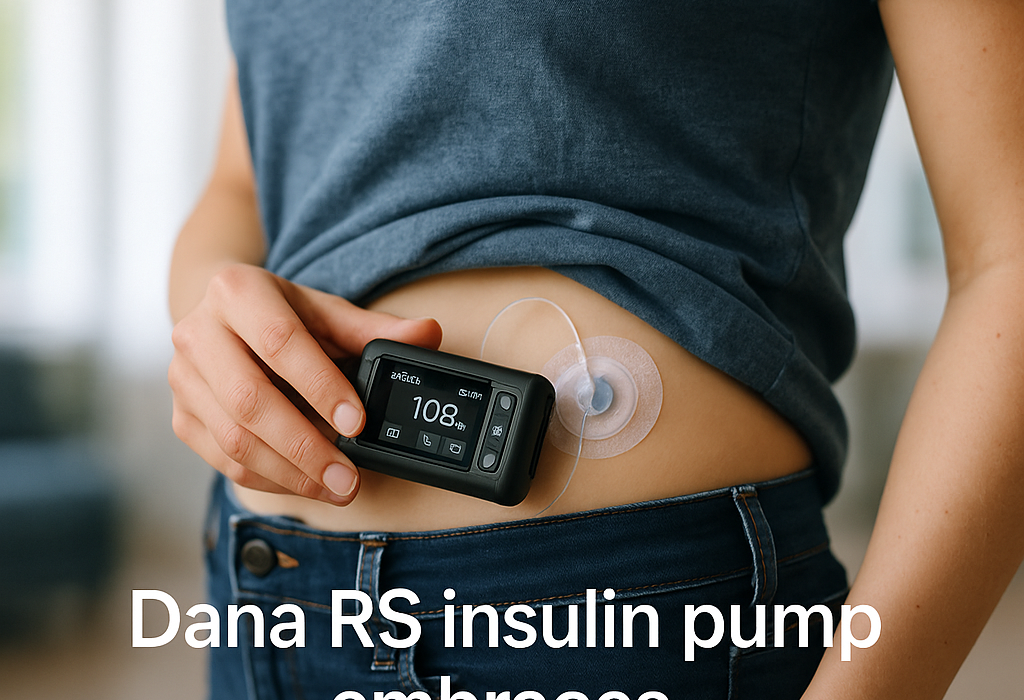
The Dana RS insulin pump is a small, lightweight insulin pump designed to deliver rapid-acting insulin continuously throughout the day and night. Like other insulin pumps, it can provide basal insulin in programmable doses and bolus insulin at mealtimes or whenever needed.
What makes the Dana RS especially interesting is not just the pump itself, but the way it fits into modern diabetes tech ecosystems. It has been widely recognized as one of the pumps that align with open-source and interoperable diabetes management tools, which is a major reason it is associated with the #WeAreNotWaiting movement.
For people searching for practical information, this means the Dana RS may appeal to users who want a pump that can connect more easily with other diabetes devices and software systems. If you are comparing different options, it can help to read a broader insulin pump guide alongside device-specific details.
In everyday use, a pump like this is only one part of a bigger treatment routine. It works alongside meal planning, blood glucose monitoring, infusion set changes, and regular review with a healthcare team. That broader context matters because even a highly connected pump still needs to fit a person’s actual habits and clinical needs.
What Does #WeAreNotWaiting Mean?
Before understanding why the Dana RS insulin pump matters, it helps to understand the #WeAreNotWaiting movement.
#WeAreNotWaiting is a community-driven initiative made up of people with diabetes, caregivers, developers, and advocates who believe that innovation in diabetes care should not be delayed by slow traditional development cycles. Instead of waiting years for new features from manufacturers, the movement encourages the creation of open tools and systems that can improve diabetes management sooner.
This movement has helped drive the development of:
- Open-source automated insulin delivery systems
- Remote monitoring tools
- Better device integration
- More user-centered diabetes technology
The Dana RS insulin pump fits into this conversation because it has been viewed as a pump that supports more open and flexible use with third-party systems and community-built solutions.
That philosophy also reflects a larger shift in diabetes care. Many users now expect their technology to share data, connect across platforms, and adapt to individual routines instead of forcing everyone into one rigid workflow. For that reason, #WeAreNotWaiting is about more than coding and devices; it is about user experience, choice, and access.
People involved in this movement often care about how devices communicate with continuous glucose monitoring systems, phone apps, and decision-support tools. When those systems work well together, the result can feel less like managing separate gadgets and more like using a coordinated care setup.
Why the Dana RS Insulin Pump Stands Out
When people search for the Dana RS insulin pump, they are often looking for what makes it different from other pumps. The most important answer is flexibility.
Many insulin pumps are built to work only with their own branded apps or closed systems. The Dana RS, on the other hand, has earned attention for its compatibility with emerging diabetes technology platforms and its role in connected care.
Here are some of the key reasons it stands out:
1. Open and Connected Design
The Dana RS insulin pump is known for being more open than many traditional pumps. This has made it attractive to users who want their diabetes devices to communicate more easily with smartphones, algorithms, and third-party software.
For a lot of people, this matters because diabetes management is not static. Daily routines change, eating patterns vary, exercise comes and goes, and glucose levels do not always behave predictably. A connected design gives users more ways to respond to those changes in a timely way.
2. Support for DIY Diabetes Tech
The #WeAreNotWaiting community has often worked around limited device integration by building their own systems. The Dana RS gained popularity because it could be used in these ecosystems more easily than many other pumps.
That does not mean every user needs to build their own technology stack. But it does mean the pump has become a symbol of what is possible when manufacturers create devices that are more open to collaboration and integration.
3. Lightweight and Portable
In addition to its tech appeal, the Dana RS is also physically compact and lightweight. For many users, comfort matters just as much as digital compatibility. A smaller pump can be easier to wear daily.
Portability can also affect confidence. People may feel more comfortable wearing a pump at work, while exercising, or during travel if it is easy to carry and less noticeable under clothing. Small design choices can have a surprisingly large impact on whether a pump feels manageable over time.
4. User-Friendly Interface
Ease of use is a major concern for anyone considering an insulin pump. The Dana RS is often appreciated for having a straightforward design, which can reduce the learning curve for new pump users.
That said, user-friendly does not mean universally simple. Any pump still requires training, habit building, and regular maintenance. The best experience usually comes when the device’s interface matches the user’s comfort level and when the care team provides strong onboarding support.
For context on how pump hardware connects to the rest of a diabetes setup, it may also help to review insulin infusion sets for diabetes, since the infusion set is a key part of daily use.
In practical terms, the pump, reservoir, tubing or patch system, and infusion set all affect how smoothly insulin delivery works. People comparing pumps often discover that the smallest component changes can affect comfort, absorption, and reliability.
How the Dana RS Insulin Pump Supports Modern Diabetes Management
Modern diabetes management is no longer just about insulin delivery. Many users want their devices to work together to reduce manual effort, improve data visibility, and support better decision-making.
The Dana RS insulin pump supports this shift by being part of a broader connected diabetes ecosystem. For people using diabetes apps, continuous glucose monitoring systems, and automated insulin delivery tools, the pump can serve as a valuable piece of the system.
This matters because better integration can help with:
- More consistent glucose control
- Reduced need for manual tracking
- Easier remote monitoring
- More personalized treatment workflows
For many people, this is the practical benefit behind the excitement. The Dana RS is not just a pump; it is part of a bigger movement toward smarter diabetes care.
Because connected systems rely on wireless communication and data sharing, it is also wise to think about privacy and security. The U.S. Food and Drug Administration’s medical device cybersecurity guidance is a useful reference for understanding how safety and digital protection matter in modern diabetes devices.
Another part of modern care is the way insulin decisions happen across the day. Some users rely on automated adjustments, while others prefer more hands-on control. A device that can support different styles of management may feel more adaptable and less restrictive, especially for people whose routines change often.
It is also worth noting that a connected insulin pump can only work as well as the broader ecosystem around it. Smartphone compatibility, battery life, pairing reliability, and software updates all influence the daily experience. The Dana RS attracts interest in part because it has been discussed as a device that can fit into these workflows more flexibly than many closed systems.
Who Might Be Interested in the Dana RS Insulin Pump?
The Dana RS insulin pump is not the right choice for every person with diabetes, but it may be especially appealing to certain users.
It may be a good fit for:
- People interested in open-source or DIY diabetes systems
- Users who want more device connectivity
- People looking for a compact insulin pump
- Tech-savvy individuals who value customization
- Families and caregivers who want better monitoring options
At the same time, anyone considering an insulin pump should speak with a healthcare professional to make sure the device matches their medical needs, lifestyle, and treatment goals.
Some users may also prioritize visibility and remote oversight. For parents of children with diabetes, caregivers of older adults, or people who simply want more support from their care network, the ability to share data and review patterns can be a major advantage. That is one reason connected pumps are often discussed in the same conversation as digital diabetes management apps.
Others may be more interested in simplicity. If someone wants fewer manual injections, a predictable routine, and a compact device they can wear throughout the day, the Dana RS may be worth understanding even if they are not planning to build a fully automated system.
Common Questions About the Dana RS Insulin Pump
Is the Dana RS insulin pump approved for medical use?
The answer depends on the country and regulatory environment. Diabetes device approvals vary by region, so users should check local availability and approval status before making decisions.
Does the Dana RS work with automated insulin delivery systems?
The Dana RS has been associated with interoperable and community-driven diabetes systems, which is one of the reasons it has gained interest in the #WeAreNotWaiting space. However, specific compatibility depends on the platform being used.
Is the Dana RS easy to use?
Many users find the Dana RS straightforward and compact, but ease of use can depend on personal preference and experience with insulin pumps. Training and setup are important for any pump user.
Why do people in the diabetes community talk about it so much?
People discuss the Dana RS insulin pump because it represents a shift toward user-driven innovation. In a field where many devices are still limited by closed systems, the Dana RS symbolizes what can happen when technology is designed to connect more openly.
How important is device training for first-time pump users?
Training is extremely important. Even a well-designed pump can be difficult to use safely without learning how to program basal rates, deliver boluses, handle alarms, and respond to infusion site issues. Good training helps users get the most from the device while reducing avoidable mistakes.
What should people ask their care team before switching pumps?
Useful questions include whether the pump fits the person’s insulin needs, how it works with current monitoring tools, how often supplies need to be replaced, and what support is available if something goes wrong. It is also smart to ask how the device might affect travel, exercise, and overnight glucose management.
The Bigger Meaning of Dana RS and #WeAreNotWaiting
The importance of the Dana RS insulin pump goes beyond technical features. It represents a broader change in how people think about diabetes care.
For years, many users felt frustrated by slow progress in device integration and insulin delivery innovation. The #WeAreNotWaiting movement emerged from that frustration, and pumps like the Dana RS became part of the solution. They showed that more connected, adaptable diabetes tools were possible.
This is why the Dana RS has become more than just another insulin pump in the eyes of many users. It is seen as a device that supports choice, innovation, and patient empowerment.
At a deeper level, that message resonates because diabetes management affects every part of life. Meals, sleep, exercise, work schedules, school routines, and stress all influence glucose patterns. When technology gives users more control and more ways to respond, it can reduce the burden of constant decision-making.
To see how other insulin delivery tools are evolving, readers may also find it useful to look at the Companion Medical InPen and how smart dosing tools are changing day-to-day diabetes care.
The Dana RS story also connects to broader conversations about access and innovation. In diabetes communities, open design is often valued not only because it is technically interesting, but because it reflects a more collaborative relationship between patients, clinicians, researchers, and device makers. That shift has helped many people feel that they are active participants in their care rather than passive users of a fixed product.
Things to Consider Before Choosing an Insulin Pump
If you are exploring the Dana RS insulin pump or any other pump, it helps to focus on practical factors, not just technology trends.
Important considerations include:
- Your insulin needs and daily routine
- Pump size and comfort
- Compatibility with CGM or smartphone tools
- Availability in your country
- Insurance coverage and cost
- Training and support options
- Guidance from your healthcare team
A pump should make diabetes management easier, not more complicated. The best device is the one that fits your medical needs and lifestyle.
In some cases, people also want to know whether pump use can continue during other treatments. If that applies to you, this article on insulin pump during chemo may be helpful for understanding one real-world scenario.
It can also help to think beyond the pump itself. Supplies, infusion sets, alarm patterns, app support, and the availability of replacement parts all affect how usable a device feels over the long term. A good fit is often the one that remains manageable after the initial excitement wears off.
People comparing pumps may also want to consider whether the system leaves room for future changes. Diabetes technology evolves quickly, and a device that works well today should ideally still make sense as new software, sensors, and management strategies emerge.
Additional Questions People Often Ask
What should users know before trying a connected pump ecosystem?
Connected systems can improve convenience, but they also require setup, ongoing maintenance, and reliable support. It is important to understand how the pump, software, and glucose data work together before making a decision.
How does a lightweight pump help in everyday life?
A lighter device can be easier to carry, wear, and manage throughout the day. For many users, comfort matters just as much as features, especially when a pump is worn continuously.
Why is interoperability such a big deal?
Interoperability matters because it gives users more choice. When devices can communicate more easily, people can build systems that better fit their habits, goals, and preferences.
Can insulin pump users customize their routines?
Yes, many pump users can customize basal rates, bolus settings, and alerts with guidance from their care team. That flexibility is one reason pumps remain important tools in diabetes management.
How does the #WeAreNotWaiting approach affect innovation?
It pushes the industry to think differently about speed, openness, and user needs. Instead of waiting only for top-down product cycles, the movement has helped show that patients and developers can contribute to meaningful improvements more quickly.
Helpful Context for People Exploring Pump Options
Choosing a pump is not only about the newest technology. It can also involve practical details such as access to supplies, replacement schedules, and how the pump feels during work, exercise, and sleep.
Some people are drawn to the Dana RS because they want more control over how their tools work together. Others may be comparing it with systems that focus more on brand-specific integration. Either way, the best choice depends on the person using it.
When comparing pump systems, it can also help to think about related parts of the treatment process, such as infusion sets, bolusing routines, and whether a device fits well with a CGM workflow. A well-matched setup can reduce friction and make daily diabetes care feel more manageable.
It may also be useful to look at the broader trend toward connected diabetes care. More people now expect their tools to share information without creating extra work. That expectation has helped drive demand for pumps, meters, and apps that can work together in a more seamless way.
For some users, the most important factor is stability. For others, it is customization. For many, it is a balance of both. The Dana RS remains relevant because it sits at the intersection of these needs and reflects a patient community that values both technical capability and personal control.
Final Thoughts
The Dana RS insulin pump has earned its reputation by embracing the ideas behind #WeAreNotWaiting. For people seeking a pump that supports connectivity, interoperability, and more flexible diabetes management, it has become an important option in the modern diabetes tech conversation.
Its value lies not only in insulin delivery, but also in what it represents: a more open, user-centered approach to diabetes care. As the demand for smarter and more integrated tools continues to grow, the Dana RS remains a meaningful example of how innovation can improve daily life for people with diabetes.
Whether someone is deeply involved in the DIY diabetes space or simply exploring better pump options, the main lesson is the same: technology works best when it matches real life. The Dana RS continues to stand out because it was built with that idea in mind.