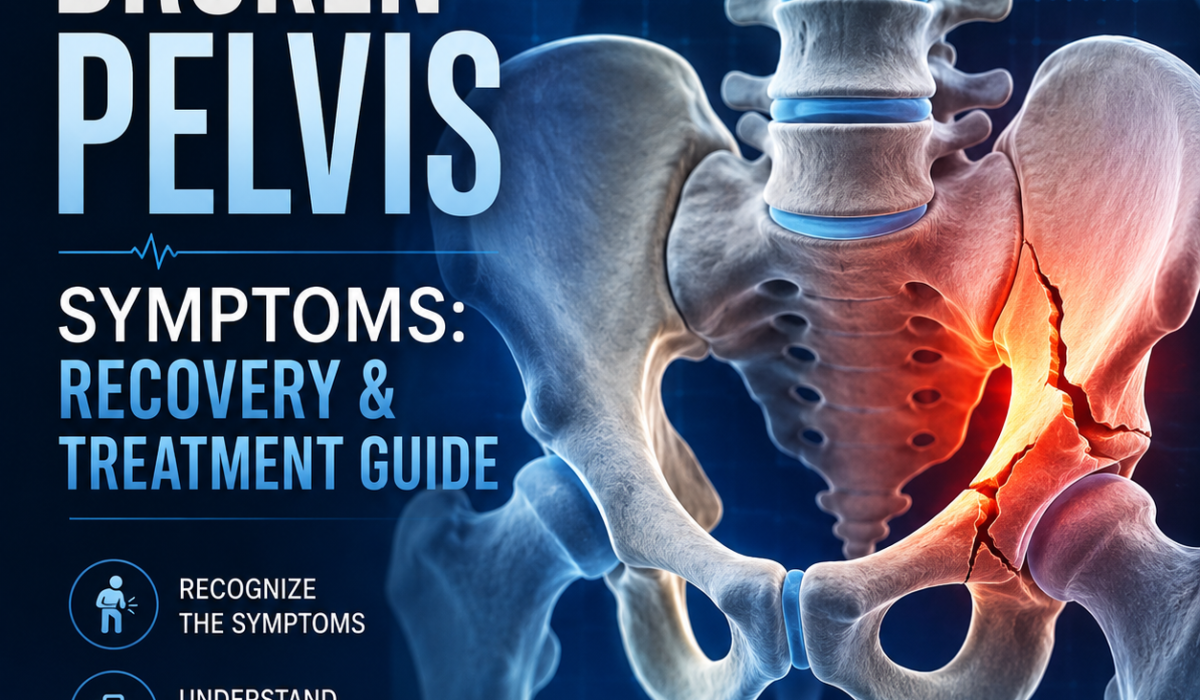
A broken pelvis, also called a pelvic fracture, is a serious injury that can happen after a major fall, car accident, sports impact, or other trauma. Because the pelvis protects important organs and helps support body weight, a fracture in this area can affect walking, urination, bowel function, and overall mobility.
If you are looking for clear information about broken pelvis symptoms, treatment, and recovery, this guide explains what to watch for, how doctors diagnose it, and what healing usually involves. For related bone-health reading, you can also review bone function and why the skeleton supports movement and protection.
Table of Contents
- What Is a Broken Pelvis?
- Common Symptoms of a Broken Pelvis
- When to Seek Emergency Help
- Causes of a Broken Pelvis
- Types of Pelvic Fractures
- How Is a Broken Pelvis Diagnosed?
- Treatment for a Broken Pelvis
- Recovery Timeline
- Physical Therapy and Rehabilitation
- Possible Complications
- How to Prevent Pelvic Fractures
- When to Call a Doctor During Recovery
What Is a Broken Pelvis?
The pelvis is a ring of bones at the base of the spine. It connects the spine to the legs and supports the bladder, intestines, and reproductive organs. A broken pelvis means one or more bones in this ring have cracked or shattered.
Pelvic fractures can range from mild, stable breaks to severe, unstable injuries that may involve internal bleeding or damage to nearby organs. Some fractures heal with rest and non-surgical care, while others need surgery.
In some cases, a broken pelvis is obvious after a major accident. In others, the injury may be less visible at first, especially if the person can still move or stand with pain. That is why any strong pelvic pain after trauma deserves medical evaluation.
Understanding the pelvis also helps explain why this injury can be so disruptive. It bears weight during standing and walking, and it houses structures that are essential for everyday body functions. When the pelvic ring is damaged, recovery often requires both protection and gradual rehabilitation.
Common Symptoms of a Broken Pelvis
The symptoms of a broken pelvis depend on how severe the injury is. Some people can still walk with pain, while others cannot stand at all.
Common signs include:
- Severe pain in the hip, groin, lower back, or pelvis
- Pain that gets worse when sitting, standing, or walking
- Trouble bearing weight on one or both legs
- Swelling or bruising around the hips or lower abdomen
- Tenderness when touching the pelvic area
- Numbness, tingling, or weakness in the legs
- Pain in the buttocks, groin, or genital area
These broken pelvis symptoms may appear immediately after the injury, or they may become more noticeable over the next few hours as swelling and inflammation increase. Some people dismiss the pain as a deep bruise or strain, but pelvic pain after trauma should not be ignored.
When you compare broken pelvis symptoms with a simple muscle strain, the difference is often the severity of pain and the difficulty with weight-bearing. A pelvic fracture can also make turning in bed or sitting on a hard surface especially uncomfortable.
Warning signs of a serious pelvic fracture:
- Fainting or dizziness
- Pale, cold, or sweaty skin
- Fast heartbeat
- Trouble urinating
- Blood in the urine
- Blood from the rectum or vagina
- Severe abdominal pain
- Leg length difference or visible deformity
These symptoms may indicate internal bleeding or organ injury and require emergency care. When these more severe broken pelvis symptoms appear, the injury should be treated as a medical emergency.
Some people also notice difficulty turning in bed, pain when coughing or sneezing, or discomfort when trying to sit on a hard surface. While these problems can happen with other injuries too, they are common with pelvic trauma.
When to Seek Emergency Help
A broken pelvis can be life-threatening, especially after a high-impact accident. Call emergency services right away if the person:
- Cannot stand or walk
- Has severe pain after trauma
- Shows signs of shock, such as confusion, weakness, or fainting
- Has heavy bleeding
- Has trouble breathing
- Has numbness or loss of movement in the legs
Do not try to move someone with a suspected severe pelvic injury unless there is immediate danger. Keep them as still as possible until help arrives.
If the injury happened in a crash or fall, emergency teams may stabilize the pelvis first before completing a full assessment. This is because the pelvis can hold a large amount of blood, and untreated bleeding can become dangerous quickly.
Even when the accident seems minor, it is still wise to seek urgent care if broken pelvis symptoms are present, especially if the pain is intense or the person cannot bear weight.
Causes of a Broken Pelvis
Pelvic fractures usually happen from strong force. Common causes include:
- Car or motorcycle accidents
- Falls from a height
- Sports injuries
- Being crushed by a heavy object
- Severe osteoporosis, especially in older adults
- Repetitive stress or overuse in athletes, though these are less common
In younger people, pelvic fractures are often caused by major trauma. In older adults, even a minor fall can sometimes lead to a fracture if bones are weakened by osteoporosis.
Because bone density plays such an important role, people with weak bones may have a higher risk of injury from the same force that would not break a healthy pelvis. Preventing falls and treating osteoporosis can make a meaningful difference.
Types of Pelvic Fractures
Not all pelvic fractures are the same. Doctors classify them based on how stable the pelvis is and which bones are involved.
Stable fractures
These are small cracks or breaks where the pelvic ring stays in place. They often heal without surgery.
Unstable fractures
These occur when the pelvic ring is broken in more than one place and the bones can move out of alignment. These injuries often need surgery and may involve internal bleeding.
Avulsion fractures
These happen when a tendon or ligament pulls off a small piece of bone. They are more common in athletes, especially teenagers.
Stress fractures
These are tiny cracks caused by repeated pressure rather than a single accident. They can occur in runners and military recruits.
The type of fracture affects how doctors manage the injury and how long recovery may take. A stable break may heal with limited weight-bearing and pain control, while an unstable injury may require rapid surgical stabilization.
How Is a Broken Pelvis Diagnosed?
Doctors diagnose a pelvic fracture by asking about the injury and doing a physical exam. They may check for pain, swelling, leg movement, and signs of bleeding.
Common tests include:
- X-rays: Often the first imaging test used to identify a fracture
- CT scan: Gives more detail and helps detect complex fractures or internal bleeding
- MRI: Sometimes used for stress fractures or injuries not clearly seen on X-ray
- Urine tests: May check for blood in the urine
- Blood tests: Can help assess blood loss and overall condition
If a severe pelvic injury is suspected, doctors may act quickly to stabilize the person before completing all tests.
Imaging helps determine whether the pelvis is stable, whether the fracture has shifted, and whether nearby structures may also be involved. That information guides treatment and helps the care team decide whether surgery is needed.
In some cases, doctors may also evaluate the bladder, bowel, or blood vessels if symptoms suggest possible injury in those areas. This is especially important when the injury occurs after major trauma.
According to the National Institute of Arthritis and Musculoskeletal and Skin Diseases, osteoporosis can make bones more fragile and raise the risk of fractures after a fall.
Treatment for a Broken Pelvis
Treatment depends on the type of fracture, how stable it is, and whether organs or blood vessels are affected.
Non-Surgical Treatment
Many stable pelvic fractures are treated without surgery. This may include:
- Rest and limited movement
- Pain medication
- Crutches, walker, or wheelchair use
- Physical therapy during recovery
- Gradual return to activity
Doctors may recommend avoiding putting full weight on the injured area until it is safe to do so.
Non-surgical care is often used when the bones remain aligned and there is no major bleeding. The goal is to protect the pelvis while the body repairs the fracture naturally. During this stage, managing pain and preventing complications are just as important as rest.
For some people, broken pelvis symptoms improve steadily once movement is restricted and the fracture is protected. Even then, healing can take time, so follow-up visits matter.
Surgical Treatment
Surgery may be needed if the fracture is unstable, displaced, or associated with internal injury. The goal is to realign the bones, stop bleeding, and restore pelvic stability.
Surgical options may include:
- Metal plates and screws to hold bones in place
- External fixation, where a frame is placed outside the body to stabilize the pelvis
- Internal fixation for more complex fractures
- Procedures to control bleeding or repair damaged organs
Emergency surgery may be necessary if there is major blood loss or injury to the bladder, bowel, or blood vessels.
When surgery is needed, the treatment plan often depends on the exact fracture pattern and the patient’s overall condition. In severe cases, the care team may need to address bleeding first and bone alignment second. That makes fast diagnosis and hospital treatment essential.
Pain Management
Pain control is an important part of treatment. Doctors may prescribe:
- Acetaminophen or anti-inflammatory medicine, if appropriate
- Stronger pain medication for severe injuries
- Ice packs during the early stage, if recommended
- Position changes and support devices to reduce discomfort
Pain should improve gradually during recovery, but sudden worsening should be reported to a doctor.
Good pain control can also make it easier to breathe deeply, sleep, and begin gentle movement when the time is right. Those early steps help reduce stiffness and lower the chance of other complications.
Recovery Timeline for a Broken Pelvis
Recovery time varies depending on the severity of the fracture, age, health, and whether surgery was needed.
Typical healing times:
- Stable fractures: Often heal in 6 to 12 weeks
- More severe fractures: May take several months
- Surgical recovery: Can take 3 to 6 months or longer
Older adults or people with osteoporosis may recover more slowly. Some injuries require longer rehabilitation to regain strength, balance, and mobility.
Healing is not always linear. Pain can improve before strength returns, and energy levels may stay low for a while after the first phase of recovery. Follow-up visits help doctors confirm that the bones are healing in the right position.
As recovery progresses, the pattern of broken pelvis symptoms usually changes from sharp pain and limited movement to stiffness, weakness, and discomfort with activity.
What Recovery Usually Looks Like
In the early phase, rest and protection of the pelvis are most important. As healing progresses, the focus shifts to movement, strengthening, and returning to daily activities.
Recovery may include:
- Using assistive devices to walk safely
- Slowly increasing weight-bearing
- Physical therapy for strength and flexibility
- Exercises to improve balance and mobility
- Follow-up imaging to monitor healing
Many people feel weak or stiff after spending time off their feet. This is normal, and gradual rehabilitation helps restore function.
Daily routines may need to change for a while. Sitting for long periods, climbing stairs, or lifting heavy objects can be difficult early on. A gradual return to work, household chores, and exercise is usually safer than rushing back too soon.
Physical Therapy and Rehabilitation
Physical therapy often plays a major role in pelvic fracture recovery. A therapist can guide safe movement and help prevent complications such as muscle loss, joint stiffness, and blood clots.
Therapy may focus on:
- Walking safely
- Core and hip strengthening
- Improving range of motion
- Balance training
- Learning how to move without worsening pain
Rehabilitation is especially important after surgery or a severe fracture.
A therapist may also teach safe ways to get in and out of bed, use stairs, or move from sitting to standing. These practical skills can make recovery feel more manageable and reduce the chance of re-injury.
For some patients, rehabilitation is the difference between simply healing and fully regaining confidence in movement. The work may be slow, but it is a key part of getting back to normal life after a broken pelvis.
Possible Complications
Most pelvic fractures heal well with proper treatment, but complications can occur, especially in severe injuries.
Possible complications include:
- Heavy internal bleeding
- Damage to the bladder, bowel, or reproductive organs
- Blood clots in the legs or lungs
- Infection after surgery
- Chronic pain
- Difficulty walking
- Nerve injury
- Long-term stiffness or weakness
Early medical care reduces the risk of serious complications.
If broken pelvis symptoms include numbness, unusual swelling, worsening pain, or trouble passing urine, the situation should be evaluated promptly. These may be signs that recovery is not going as expected.
People with severe injuries may also need monitoring for blood loss and organ injury in the hospital. The sooner those problems are identified, the better the chance of avoiding long-term harm.
Can You Walk on a Broken Pelvis?
Sometimes, yes—but it depends on the fracture. People with minor, stable pelvic fractures may still be able to walk, although it is usually painful. More serious fractures may make walking impossible or unsafe.
Even if you can walk, you should not assume the injury is minor. Pelvic pain after trauma should be evaluated by a medical professional.
It is also worth remembering that walking on the injury can sometimes worsen pain or shift an unstable fracture. When in doubt, limit movement and get checked as soon as possible.
How to Sleep and Move with a Broken Pelvis
Comfort and safe positioning can help during recovery.
Helpful tips:
- Follow your doctor’s instructions on weight-bearing
- Use pillows for support when lying down
- Avoid twisting the pelvis
- Move slowly when getting in and out of bed
- Use assistive devices as recommended
- Ask before resuming driving, exercise, or heavy lifting
Always follow your care team’s guidance, especially after surgery.
Small adjustments can make a big difference. Sleeping on the side that feels most comfortable, placing a pillow between the knees, or using a firm chair can sometimes reduce strain. Your clinician or therapist can suggest positioning that fits your specific injury.
How to Prevent Pelvic Fractures
Not all pelvic fractures can be prevented, but some risks can be reduced.
Prevention tips:
- Wear seat belts in vehicles
- Use fall prevention strategies at home
- Treat osteoporosis to strengthen bones
- Wear protective gear during sports
- Maintain muscle strength and balance
- Avoid high-risk activity when bones are weak
For older adults, preventing falls is especially important.
Bone health is a long-term part of fracture prevention. Adequate nutrition, medical management of osteoporosis, and regular exercise can all support stronger bones over time. If you want to learn more about how the skeletal system supports the body, see this overview of bone function.
For broader fracture awareness, readers may also find it useful to compare pelvic trauma with other serious bone injuries, since persistent pain after an accident can sometimes point to more than one problem.
When to Call a Doctor During Recovery
Contact your doctor if you notice:
- Increasing pain instead of gradual improvement
- Fever or signs of infection
- New numbness or weakness
- Trouble urinating or having bowel movements
- Swelling in the legs
- Shortness of breath
- Sudden worsening of mobility
These symptoms may signal a complication that needs medical attention.
If recovery seems to stall or broken pelvis symptoms return after improving, follow-up care is important. You may need a repeat exam, new imaging, or a change in your rehabilitation plan.
Frequently Asked Questions About Broken Pelvis Symptoms
How do broken pelvis symptoms differ from a bruise or strain?
A bruise or muscle strain may hurt, but a pelvic fracture often causes deeper pain, trouble bearing weight, and pain that worsens with standing or walking. Severe pain after a fall or crash should be checked by a clinician.
Can a broken pelvis heal without surgery?
Yes. Stable fractures often heal without surgery if the bones remain aligned and the person follows weight-bearing instructions. Treatment usually includes rest, pain management, and rehabilitation.
How long does it take to walk normally again?
That depends on the fracture and the person’s overall health. Some stable fractures heal in a few months, while more severe injuries take longer. Physical therapy often helps rebuild strength and confidence.
What should I do first if I think I have a pelvic fracture?
Limit movement, avoid putting weight on the injury, and get urgent medical care. If the pain is severe or there are signs of shock, call emergency services immediately.
Final Thoughts
A broken pelvis is a serious injury that should always be taken seriously. Symptoms can include severe pelvic pain, difficulty walking, bruising, and, in severe cases, signs of internal bleeding or organ injury. Treatment may involve rest, pain relief, physical therapy, or surgery depending on the type of fracture.
Recovery can take weeks to months, but with proper medical care and rehabilitation, many people regain mobility and function. If pelvic injury is suspected after a fall or accident, prompt evaluation is essential for the best outcome. Recognizing broken pelvis symptoms early can help you get the right treatment faster and reduce the chance of complications.
For readers who want to understand other bone-related warning signs, the article on bone cancer symptoms may also be helpful when comparing causes of persistent bone pain.
Reliable guidance from the NHS overview of broken bones can also help readers understand when urgent assessment is needed after an injury.
In addition, broken pelvis symptoms can be easier to spot when you know how the pain pattern changes. The pain is often deep, steady, and worse with any attempt to stand, walk, or roll in bed. If the fracture is stable, symptoms may improve gradually with rest, but if the injury is unstable, the pain may remain severe and movement may feel impossible.
Another reason to take broken pelvis symptoms seriously is that they can overlap with other injuries, such as hip trauma, spinal injury, or bladder damage. A proper exam helps separate those possibilities and ensures the right treatment starts quickly. When a major impact is involved, doctors may look for additional fractures or soft-tissue injury as well.
Recovery planning also depends on whether the person can safely manage daily tasks. Bathing, dressing, using the toilet, and getting in and out of a car may all need temporary adjustments. In many cases, families or caregivers need to help during the first phase of healing while broken pelvis symptoms are still limiting mobility.
As healing continues, the care team usually aims to reduce pain, restore movement, and prevent deconditioning. That may include a staged return to walking, targeted exercises, and ongoing monitoring for complications. For anyone with persistent pain after a traumatic event, timely follow-up is important even if the initial injury seemed manageable.
The best outcomes usually come from early diagnosis, careful treatment, and patience during rehabilitation. If broken pelvis symptoms are present after a fall, crash, or sports injury, getting medical help quickly can make a major difference in healing and long-term function.