Managing diabetes can feel overwhelming at times, especially when you are trying to match insulin to food, activity, stress, and daily routines. Bolus Blues: Brendan McEachern’s Diabetes Guide is a useful concept for understanding one of the most important parts of diabetes management: the bolus dose.
If you have ever wondered what a bolus is, when to take it, how it works with meals, or why blood sugar still spikes even when you think you did everything right, this guide breaks it down in clear, practical terms. The goal is simple: help you better understand bolus insulin so you can make more informed decisions with your diabetes care team.
Table of Contents
- What Is a Bolus in Diabetes?
- Why Bolus Insulin Matters
- The Main Types of Bolus Insulin Doses
- How Bolus Insulin Is Calculated
- Common Questions About Bolus Insulin
- Bolus Blues: Why It Can Feel So Hard
- Tips for Better Bolus Management
- Bolus insulin for People Using Pumps vs. Injections
- How to Avoid Common Bolus Mistakes
- When to Talk to Your Diabetes Care Team
- A Closer Look at Meal Planning and Daily Life
- Final Thoughts
What Is a Bolus in Diabetes?
A bolus is a dose of insulin taken to cover food, correct a high blood sugar, or both. It is usually used by people with type 1 diabetes and some people with type 2 diabetes who use insulin therapy. Understanding bolus insulin is one of the most important steps in day-to-day diabetes care.
There are two main types of insulin needs:
– Basal insulin: the background insulin your body needs throughout the day and night
– Bolus insulin: the insulin used around meals or to correct high glucose levels
Think of bolus insulin as the “meal-time” insulin. When you eat carbohydrates, your blood sugar rises. A bolus dose helps move that glucose from your bloodstream into your cells for energy.
For many people, this part of diabetes care becomes a daily balancing act. The challenge is not only figuring out how much insulin to take, but also understanding when your body might need more or less than usual. That is why meal planning, blood glucose checks, and pattern tracking matter so much. Bolus insulin works best when it fits your routine, not when it is treated like a fixed rule.
Why Bolus Insulin Matters
Bolus insulin is a major part of blood sugar control because meals are one of the biggest causes of glucose spikes. Without enough bolus insulin, post-meal blood sugar can rise too high. Too much bolus insulin can cause low blood sugar.
Getting the dose right helps with:
– Better after-meal glucose control
– Reduced blood sugar swings
– Lower A1C over time
– Fewer highs and lows
– More flexibility with meals and daily life
That said, bolus dosing is not always easy. The amount you need can change based on food type, portion size, activity, stress, illness, and even the time of day. With bolus insulin, small changes in routine can have a big impact.
Many readers also want to understand how bolus insulin fits into modern diabetes technology. If you are using a pump or thinking about one, the Insulin Pump Guide: What Diabetesmine Wants You to Know can be a helpful companion read because it explains how pump delivery changes everyday dosing decisions.
The Main Types of Bolus Insulin Doses
Understanding the different bolus types can make diabetes management less confusing.
1. Meal Bolus
A meal bolus is taken before eating to cover the carbohydrates in a meal. This is the most common bolus dose.
For example, if you are eating pasta, rice, bread, fruit, or a dessert, you may need a meal bolus based on the carb content of the meal. Bolus insulin for meals is often adjusted as people learn how different foods affect their glucose.
A meal bolus is often the easiest to describe but one of the hardest to master. A meal that looks simple on the plate can still behave differently in the body depending on fat, protein, fiber, portion size, and the speed of digestion.
2. Correction Bolus
A correction bolus is used when blood sugar is already high before eating or between meals. It helps bring glucose back toward target.
For example, if your pre-meal glucose is above your target range, your care plan may include a correction dose in addition to the meal dose.
This type of dosing can feel especially important on busy days, when stress or skipped activity pushes glucose up unexpectedly. It is also one of the reasons many people keep a record of pre-meal numbers rather than relying only on memory.
3. Combination Bolus
Sometimes a meal bolus and correction bolus are taken together. This is common when blood sugar is high before a meal and you also need insulin for the food you are about to eat.
Combination dosing is common, but it also requires extra attention because the meal dose and correction dose both need to be accurate. Small miscalculations can lead to a low later on, especially if activity increases after eating.
4. Extended or Dual Bolus
People using insulin pumps may use an extended or dual bolus for meals that digest slowly, such as high-fat or high-protein meals. These meals can cause a delayed blood sugar rise.
Examples include:
– Pizza
– Burgers and fries
– Creamy pasta dishes
– Large mixed meals
The pump may deliver part of the bolus right away and the rest over several hours.
This is one of the reasons pump therapy can be so useful for certain eating patterns. It does not remove the need for judgment, but it can give users more tools for matching insulin to real-life meals. For a broader look at how diabetes technology is evolving, see Artificial Pancreas: What You Should Know Today.
How Bolus Insulin Is Calculated
Bolus insulin is usually based on two main things:
1. Carbohydrate intake
2. Current blood sugar level
Some people use an insulin-to-carb ratio, such as 1 unit of insulin for every 10 grams of carbs. Others also use a correction factor, which adjusts the dose based on how high blood sugar is before the meal.
For example:
– You eat 45 grams of carbs
– Your insulin-to-carb ratio is 1:10
– You may need 4.5 units of insulin for the meal
If your pre-meal blood sugar is above target, you may also add a correction dose.
These calculations should always be personalized with a healthcare provider, since insulin needs vary widely from person to person.
It can help to think of the dose as a living formula rather than a fixed number. What worked last week may not work today if you are sick, more active, less active, under stress, or eating different meals. Bolus insulin is a tool, but it still has to match the day you are actually having.
Carb counting is often the starting point, but it is not the only variable. Timing matters too. Rapid-acting insulin needs time to begin working, and that means a delayed bolus can sometimes explain a post-meal spike even when the total dose was correct.
Common Questions About Bolus Insulin
When should bolus insulin be taken?
Most rapid-acting bolus insulin is taken before meals, often about 10 to 20 minutes before eating. However, the exact timing depends on the insulin type, your blood sugar, and your healthcare provider’s instructions.
Some people take it right before eating or even during the meal if needed, especially if they are unsure how much they will eat.
For people who worry about timing, the answer is often to look at the whole eating situation. If the meal is predictable, pre-bolusing may help. If the meal is uncertain, a more cautious approach may be safer. This is one reason it is worth discussing your routine with your care team instead of copying someone else’s schedule exactly. Good bolus insulin timing is personal.
What if I take bolus insulin and then do not eat enough?
This can lead to low blood sugar. If you think you may not finish your meal, it is important to discuss strategies with your diabetes care team. Planning ahead can help prevent hypoglycemia.
Some people find it helpful to dose only after seeing how much they can eat, while others use split dosing. The best plan depends on your history of lows, your eating habits, and the type of insulin you use.
Why does my blood sugar still go high after a bolus?
This can happen for many reasons:
– Too little insulin for the meal
– Eating foods that digest quickly
– Delayed insulin absorption
– Stress
– Illness
– Hormonal changes
– Inaccurate carb counting
– High-fat meals that raise glucose later
Post-meal highs do not always mean you “failed.” Diabetes management often requires trial, adjustment, and support. Even with bolus insulin, some meals take more than one attempt to understand.
It also helps to remember that the body is not a machine. Two meals that seem identical can still trigger very different glucose responses because digestion, sleep, hydration, and hormones all play a role.
Can I bolus for snacks?
Yes, if the snack contains carbohydrates and your diabetes plan calls for it. Small snacks may or may not need insulin depending on your total daily plan, activity level, and current glucose.
Snacking can be one of the trickiest parts of dosing because people often underestimate how much insulin small, repeated foods can require over time. A handful of crackers, a latte, or a piece of fruit may not seem like much individually, but they can still add up. In many routines, snack dosing is part of the same bolus insulin pattern as meals.
What happens if I bolus too much?
Too much bolus insulin can cause hypoglycemia, which can be dangerous. Symptoms may include:
– Shaking
– Sweating
– Dizziness
– Hunger
– Confusion
– Fast heartbeat
If you are having frequent lows, your bolus settings may need to be reviewed by your healthcare provider.
Repeated lows are not just uncomfortable; they can also make it harder to trust your dosing decisions later. People sometimes respond by underdosing meals afterward, which can create a cycle of highs and lows that is frustrating and exhausting. That cycle is one reason bolus insulin settings sometimes need ongoing fine-tuning.
Bolus Blues: Why It Can Feel So Hard
The phrase “bolus blues” reflects the frustration many people feel when meal-time insulin does not seem to work the way it should. Even with careful planning, diabetes can be unpredictable.
Here are some reasons bolusing can feel frustrating:
– Carb counting is not always exact
– Restaurant meals are difficult to estimate
– Different foods affect glucose in different ways
– Exercise changes insulin sensitivity
– Stress can raise blood sugar
– Illness can make glucose harder to control
– Menstrual cycles and hormones can alter insulin needs
This unpredictability can make people feel discouraged, especially when they are trying hard to stay in range. That feeling is common and understandable.
There is also an emotional side to dosing that does not always get enough attention. Some days, a person may feel confident and organized. Other days, the same calculations can feel mentally heavy. That is part of living with a condition that demands constant decisions, and bolus insulin often sits at the center of that pressure.
For readers who want to understand the wider routine of diabetes decision-making, Diabetes math: Ask Dmine for Insulin Pen Users offers another practical perspective on how dosing ideas are applied in everyday life.
Tips for Better Bolus Management
While there is no perfect system, these strategies can improve bolus success over time.
1. Learn carb counting basics
Knowing how many carbohydrates are in your meals is one of the most important bolus skills. Start with common foods and portion sizes.
Useful carb-counting habits include reading nutrition labels, measuring portions when possible, and learning how restaurant servings compare with home portions. Even a rough estimate is often better than guessing completely, especially when you are building confidence in bolus insulin dosing.
2. Use consistent meal timing
Eating around the same times each day can make insulin needs more predictable.
Consistency does not have to mean rigidity. Even a loose routine can make patterns easier to spot, which may help you and your care team adjust doses more effectively.
3. Watch how different foods affect you
Some foods raise blood sugar quickly, while others cause a slower rise. Keep notes if certain meals consistently cause highs.
A food journal can be simple. You do not need a perfect log. Just record enough detail to see patterns: the food, the dose, the pre-meal glucose, and what happened two to four hours later.
4. Check blood sugar before and after meals
This can help you understand how well your bolus dose matched the meal.
Seeing the full picture is often more useful than only checking one number. A reading before lunch tells part of the story, but the post-meal pattern shows whether the dose, timing, and food composition were a good match.
5. Review insulin settings regularly
If you use an insulin pump or multiple daily injections, your insulin-to-carb ratio and correction factor may need adjustment over time.
This is especially important during periods of change such as illness, travel, new exercise routines, puberty, pregnancy, or shifts in work schedule. Small changes in routine can create big changes in insulin response.
6. Be cautious with high-fat meals
Fat and protein can delay glucose spikes, so a standard bolus may not always be enough.
Some meals need more than one dosing strategy. The goal is not to avoid these foods completely, but to learn how they behave and adjust accordingly.
7. Pay attention to exercise
Physical activity can lower blood sugar and affect how much insulin you need before or after eating.
Exercise does not affect everyone the same way. A short walk after dinner may lower glucose for one person and barely change it for another. Over time, your own patterns become more useful than general rules, especially when you are adjusting bolus insulin around active days.
Bolus insulin for People Using Pumps vs. Injections
Bolus insulin works differently depending on the delivery method, but the purpose is the same.
Insulin Pump Users
Insulin pumps make it easier to deliver precise boluses. They can also offer advanced bolus options, such as:
– Extended boluses
– Square-wave boluses
– Dual-wave boluses
These features are helpful for meals that digest over a longer period.
Some pump users also pair their device with automated features that adjust insulin delivery in response to glucose trends. Even then, meal boluses still matter, because food remains one of the strongest drivers of blood sugar change. When pumps are used well, bolus insulin can be matched more closely to the meal.
Injection Users
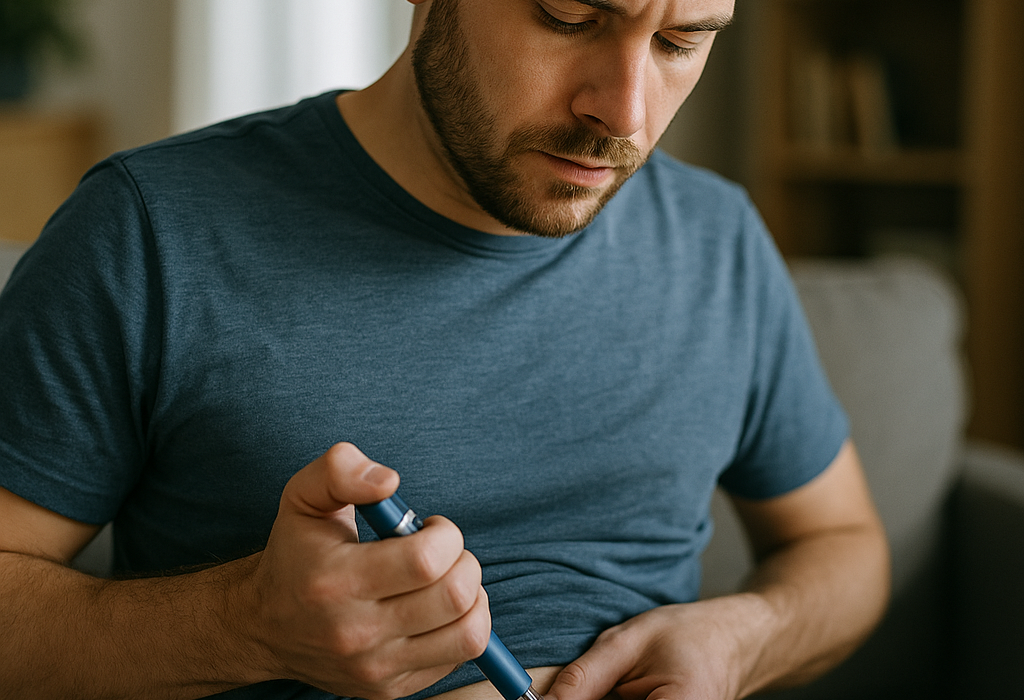
People using insulin pens or syringes usually take rapid-acting insulin before meals. They may use carb counting and correction formulas to decide the dose.
Both methods can work well. The best choice depends on personal needs, lifestyle, and medical guidance.
Some injection users prefer the simplicity of not wearing a device. Others like the flexibility of pump features. There is no single right answer, only the approach that fits the person’s care goals and daily routine.
A Closer Look at Meal Planning and Daily Life
Bolus insulin does not exist in a vacuum. It works alongside everything else in daily life, including sleep, stress, movement, hydration, and meal choices. That is why a bolus that worked perfectly one day may not work the next.
Meal planning can help reduce uncertainty. You do not need a strict diet to benefit from planning. Even a few repeat meals each week can give you a more stable baseline to learn from. Over time, that makes it easier to notice what changes glucose and what does not.
It can also help to think ahead about the type of day you are having. A quiet day at home, a long shift at work, a day with exercise, or a holiday meal will all change how dosing feels. The more you expect those differences, the less surprising they are when they happen.
For some readers, even everyday choices like beer or alcohol can add another layer of complexity. If that is relevant to your routine, the article Beer and Blood Sugar: How It Affects Diabetes explains one more real-world factor that can affect glucose management.
Another helpful skill is learning device habits that support dose timing. Simple reminders, clock settings, and consistent alarms can make it easier to avoid missed boluses or late corrections. If that is an issue for you, Diabetes device clocks: Ask Dmine Clocks Changing Diabetes Devices Help offers a practical angle on staying organized.
These small systems may not sound dramatic, but they often make a big difference. In diabetes care, tiny improvements add up, and so does steady attention to bolus insulin.
How to Avoid Common Bolus Mistakes
Some of the most common bolus issues include:
– Forgetting to bolus before a meal
– Taking the dose too late
– Miscounting carbohydrates
– Not correcting for pre-meal highs
– Overcorrecting and causing a low
– Not accounting for exercise or alcohol
– Assuming every meal works the same way
A simple log of meals, doses, and glucose readings can help identify patterns. Over time, this can improve decision-making.
It may also help to review specific situations that cause repeated trouble. For example, if breakfasts always run high, the issue may be timing, ratio settings, or a food that digests faster than expected. If late-night lows keep happening, the cause may be activity, dose stacking, or an overly aggressive correction.
Instead of viewing mistakes as failures, it can be more useful to treat them as information. Every unusual reading gives you another clue about how your body responds. That mindset can make bolus insulin feel more manageable.
When to Talk to Your Diabetes Care Team
You should talk to your healthcare provider if you notice:
– Frequent highs after meals
– Repeated low blood sugar episodes
– Uncertainty about carb counting
– Trouble understanding insulin ratios
– Big glucose swings throughout the day
– Difficulty dosing for restaurant or mixed meals
Your diabetes team can help adjust your bolus plan and teach strategies that fit your routine.
It is especially important to ask for help if the numbers feel unpredictable even when you are doing everything “right.” That is not a personal failure. It is often a sign that the plan needs tuning.
People sometimes wait too long before asking questions because they worry their concern is not serious enough. In reality, small frustrations are worth discussing early, since they can often be fixed before they grow into a bigger pattern.
Final Thoughts
Bolus Blues: Brendan McEachern’s Diabetes Guide highlights an important truth about diabetes management: bolus insulin is essential, but it is not always simple. Meal-time dosing requires attention, practice, and flexibility. By understanding what bolus insulin does, how it is calculated, and why blood sugar can still be unpredictable, you can feel more confident managing daily diabetes tasks.
The biggest takeaway is that bolus insulin is not just about numbers. It is about learning how your body responds, making informed adjustments, and working with your care team to build a plan that fits your life. When bolus insulin is understood in context, it becomes easier to manage with less stress.
If you want more background on insulin therapy, the American Diabetes Association standards on insulin therapy provide a reputable clinical reference for deeper reading.