Bleeding symptoms and help can look very different depending on the cause, the amount of blood lost, and where the bleeding is happening. In many cases, bleeding is minor and stops with simple first aid, but some situations need urgent medical attention.
Understanding the common causes of bleeding, warning signs, and when to seek help can make it easier to respond quickly and appropriately. This guide explains what bleeding may mean, what symptoms to watch for, and when it is important to get medical care.
Bleeding can start suddenly after an injury, or it can build up more slowly from an internal problem, a medication side effect, or a medical condition. Recognizing bleeding symptoms and help early can reduce the risk of complications and make treatment more effective.
For a broader medical overview, the MedlinePlus bleeding information page explains common causes, evaluation, and warning signs in plain language.
What Is Bleeding?
Bleeding is the loss of blood from the blood vessels. It can happen outside the body, such as from a cut or nosebleed, or inside the body, where blood leaks into tissues, organs, or body cavities.
Bleeding may be:
– Minor, such as a small scrape or nosebleed
– Moderate, such as a cut that needs pressure or stitches
– Severe or life-threatening, such as heavy trauma, internal bleeding, or bleeding that does not stop
The seriousness depends on:
– How much blood is lost
– How fast the blood is being lost
– Where the bleeding is happening
– The person’s overall health and medications
Blood normally clots to stop a wound from continuing to bleed. When clotting is affected by an illness, a medicine, or an inherited condition, even a small injury can lead to heavier bleeding than expected. That is why bleeding symptoms and help should be taken seriously when the pattern seems unusual.
Common Causes of Bleeding
Bleeding can result from injuries, medical conditions, medications, or lifestyle factors. Below are some of the most common causes.
1. Minor injuries
Cuts, scrapes, punctures, and bruises are among the most common causes of bleeding. These often happen during daily activities, cooking, exercise, or work.
Even a small household injury can cause more bleeding than expected if the wound is deep, the skin is fragile, or the person is taking a medicine that affects clotting. In these situations, bleeding symptoms and help may be needed sooner than people assume.
2. Trauma or accidents
More serious bleeding can occur after falls, car accidents, sports injuries, or blunt force trauma. These injuries may damage blood vessels, organs, or bones.
Trauma-related bleeding may be visible on the outside of the body, but it can also be hidden inside the chest, abdomen, or skull. A person may feel weak, dizzy, or confused even when there is no obvious wound.
3. Nosebleeds
Nosebleeds are common and may be caused by:
– Dry air
– Nose picking
– Allergies
– Colds or sinus irritation
– Injury to the nose
– High blood pressure in some cases
Most nosebleeds are not dangerous, but repeated episodes, very heavy bleeding, or bleeding that lasts a long time should be checked. If you are unsure whether a nosebleed needs medical care, the general principles for bleeding symptoms and help still apply: look at the amount, the duration, and any other warning signs.
4. Menstrual bleeding
Menstrual bleeding is normal during a period, but unusually heavy or prolonged bleeding may signal a health issue such as hormonal imbalance, fibroids, polyps, or bleeding disorders.
A period may need medical evaluation if it soaks through pads or tampons quickly, causes large clots, or leads to fatigue, dizziness, or anemia. In these cases, the right bleeding symptoms and help may include checking for hormone or blood-clotting problems.
5. Digestive tract bleeding
Bleeding in the digestive system may cause blood in the stool or vomiting blood. Possible causes include:
– Stomach ulcers
– Hemorrhoids
– Anal fissures
– Inflammatory bowel disease
– Diverticular bleeding
– Gastrointestinal cancers in some cases
Digestive tract bleeding may appear as red blood, dark red blood, or black tarry stools, depending on where the blood starts. Because internal loss can be hidden, the overall picture of bleeding symptoms and help is important when you notice changes in stool color or unexplained weakness.
6. Pregnancy-related bleeding
Bleeding during pregnancy may happen for benign reasons, but it can also indicate miscarriage, ectopic pregnancy, placenta problems, or other complications. Any unusual bleeding during pregnancy should be evaluated by a healthcare professional. For more on pregnancy-related warning signs, see 19 Weeks Pregnant: Baby Bump, Symptoms & Tips.
Pregnancy-related bleeding should never be ignored, especially if it is accompanied by pain, cramping, dizziness, or passing tissue. In this setting, bleeding symptoms and help are important even when the amount of blood seems small.
7. Bleeding disorders
Some people bleed more easily because their blood does not clot properly. Examples include:
– Hemophilia
– Von Willebrand disease
– Platelet disorders
Bleeding disorders may be inherited or acquired later in life. A person with a known disorder may notice frequent nosebleeds, easy bruising, bleeding gums, or prolonged bleeding after dental work or minor cuts.
8. Medications
Certain medications can increase the risk of bleeding, including:
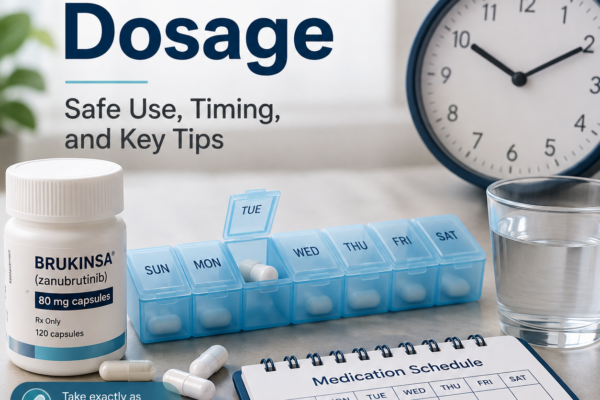
– Blood thinners such as warfarin, apixaban, rivaroxaban, and heparin
– Antiplatelet drugs such as aspirin or clopidogrel
– Some anti-inflammatory medications
When a medicine changes clotting, the body may take longer to stop bleeding. That is why people on these medications should pay close attention to new bleeding symptoms and help seek care if bleeding becomes frequent or difficult to control.
9. Liver disease
The liver makes proteins needed for blood clotting. Liver disease can increase bleeding risk and make even minor injuries bleed more than expected.
In liver disease, bleeding may happen because clotting factors are reduced or because platelets do not work as they should. This can lead to bruising, bleeding gums, or prolonged bleeding from small wounds.
10. Cancer and other medical conditions
Some cancers, infections, and autoimmune conditions can cause abnormal bleeding by affecting blood vessels, clotting factors, or platelets.
In some cases, bleeding is one of several symptoms and may appear along with weight loss, pain, fatigue, fever, or swelling. When bleeding is unexplained, the right bleeding symptoms and help may involve evaluation for a wider medical problem.
Bleeding Symptoms to Watch For
The symptoms of bleeding depend on where it occurs and how much blood is lost.
Visible signs of external bleeding
External bleeding may appear as:
– Blood coming from a cut, wound, nose, mouth, or other opening
– Bleeding that soaks through clothing or bandages
– Blood that spurts or flows steadily
– Wounds that continue bleeding after pressure is applied
Visible bleeding can look dramatic, but the key concern is whether it stops with pressure and whether the person remains stable. Rapid blood loss, even from a small-looking wound, can still be dangerous.
Symptoms of internal bleeding
Internal bleeding may be harder to detect. Warning signs can include:
– Abdominal pain or swelling
– Chest pain
– Shortness of breath
– Dizziness or fainting
– Weakness or fatigue
– Pale, cold, or clammy skin
– Rapid heartbeat
– Confusion
– Blood in urine, stool, or vomit
– Unexplained large bruises
– Pain and swelling after an injury
Because internal bleeding is not always obvious, people may mistake it for stomach upset, a pulled muscle, or simple exhaustion. If these symptoms develop after an accident or appear without explanation, bleeding symptoms and help should be considered promptly.
Signs of significant blood loss
A large amount of blood loss can cause symptoms of shock, including:
– Lightheadedness
– Nausea
– Blurred vision
– Anxiety or restlessness
– Weak pulse
– Fast breathing
– Loss of consciousness
If you are trying to judge whether bleeding symptoms and help are needed right away, the pace of blood loss matters as much as the amount. Fast bleeding can become dangerous before the wound looks dramatic.
Other clues that bleeding may be more serious include pale skin, sweating, difficulty staying awake, or a person saying they feel like they might pass out. These can all point to a need for urgent evaluation.
When Bleeding Is an Emergency
Seek emergency help right away if bleeding is severe or does not stop. Call emergency services or go to the nearest emergency room if you notice any of the following:
– Bleeding that is heavy or spurting
– Bleeding that does not stop after 10 to 15 minutes of firm pressure
– A deep wound, gaping cut, or visible tissue, muscle, or bone
– Blood loss after a serious injury, fall, or accident
– Signs of shock, such as fainting, confusion, or rapid breathing
– Vomiting blood or coughing up blood
– Black, tarry stools or bright red blood in the stool
– Blood in the urine
– Sudden severe abdominal, chest, or head pain
– Bleeding after a head injury
– Bleeding during pregnancy
– Bleeding in someone taking blood thinners that is heavy or unusual
– Any bleeding in a newborn, infant, or young child that seems unusual or excessive
For emergency guidance on severe symptoms and red-flag signs, the NHS bleeding overview is a useful public-health reference.
If a person becomes unresponsive, has trouble breathing, or seems to be going into shock, do not wait to see if the bleeding improves on its own. Call emergency services immediately and follow first-aid instructions while help is on the way.
When to See a Doctor Soon
Some bleeding is not an emergency but still needs medical evaluation. Make an appointment with a healthcare professional if you have:
– Frequent nosebleeds
– Heavy menstrual periods
– Bruising easily without clear cause
– Bleeding gums that do not improve
– Recurrent blood in stool or urine
– Prolonged bleeding from small cuts
– Unexplained bleeding from any body part
– Ongoing bleeding after starting a new medication
– Repeated bleeding episodes with no obvious cause
These symptoms may point to an underlying condition that needs treatment. Ongoing bleeding symptoms and help should be reviewed even when the problem seems mild at first.
You should also seek medical advice if bleeding starts after a dental procedure, a minor injury seems to bleed too long, or you notice new bruises along with blood in the urine or stool. Small changes can sometimes be the first sign of a larger problem.
How Bleeding Is Evaluated
A healthcare professional may ask about:
– When the bleeding started
– How much blood was lost
– What may have caused it
– Any medications you take
– Whether you have a history of bleeding problems
– Other symptoms such as pain, dizziness, or bruising
Depending on the situation, they may perform:
– A physical exam
– Blood tests
– Imaging tests such as ultrasound or CT scan
– Stool or urine testing
– Endoscopy or other procedures if internal bleeding is suspected
If a clotting issue is suspected, testing may also look at platelet levels, blood clotting time, and liver function. When bleeding keeps happening, the goal is not only to stop the current episode but also to find the cause so it does not happen again.
First Aid for Minor Bleeding
For small cuts or scrapes, basic first aid is often enough:
1. Wash your hands if possible.
2. Apply direct pressure with a clean cloth or bandage.
3. Elevate the area if appropriate.
4. Keep pressure on the wound until bleeding stops.
5. Clean the wound gently with water once bleeding slows.
6. Cover it with a clean bandage.
If the wound is deep, dirty, or caused by a bite or puncture, medical care may be needed. Proper bleeding symptoms and help can prevent a small wound from becoming infected or reopening.
Do not remove a large object that is stuck in the body. Instead, apply pressure around it and get emergency help. For minor nosebleeds, sit upright, lean slightly forward, and pinch the soft part of the nose while breathing through the mouth. These simple steps can help control many common bleeding problems.
If bleeding keeps restarting after a wound seems to stop, that may mean the injury needs a closer look. Recurrent bleeding can happen when a scab is disturbed, but it can also point to a deeper wound or a clotting issue. In that situation, bleeding symptoms and help may be needed even if the amount is small each time.
How to Reduce the Risk of Bleeding
Not all bleeding can be prevented, but these steps may help lower your risk:
– Use protective gear during sports or work
– Keep floors and walking areas clear to avoid falls
– Manage chronic conditions such as high blood pressure or liver disease
– Take blood-thinning medicines exactly as prescribed
– Avoid unnecessary use of aspirin or NSAIDs if advised by your doctor
– Use a humidifier in dry environments to help prevent nosebleeds
– Stay up to date with medical care if you have a known bleeding disorder
It can also help to keep a list of your medicines and carry it with you, especially if you take more than one drug that affects clotting. If you have a known bleeding disorder, tell dentists and other healthcare professionals before procedures.
Healthy habits do not eliminate every risk, but they can reduce the chances of repeated bleeding and make it easier to identify new problems early. In that sense, prevention is an important part of bleeding symptoms and help.
Common Questions About Bleeding
What is considered abnormal bleeding?
Bleeding is considered abnormal when it happens without clear cause, is heavier than expected, happens repeatedly, or lasts longer than normal. Examples include heavy periods, unexplained bruising, frequent nosebleeds, or blood in stool or urine.
Can internal bleeding stop on its own?
Some minor internal bleeding may stop without treatment, but internal bleeding can also become dangerous quickly. Because it is not always visible, it is important to seek medical evaluation if you suspect it.
Why am I bleeding more than usual?
Bleeding more than usual can be caused by medications, injury, clotting problems, hormonal changes, liver disease, infection, or other medical conditions. A doctor can help identify the reason.
When should I worry about a nosebleed?
You should worry if a nosebleed lasts more than 15 to 20 minutes, happens after a serious injury, is very heavy, or occurs frequently without a clear reason.
Is bleeding during pregnancy normal?
Light spotting can sometimes happen in pregnancy, but any bleeding should be checked by a healthcare provider because it may also signal a complication.
When do bleeding symptoms and help matter most?
They matter most when bleeding is sudden, heavy, repeated, or paired with dizziness, fainting, shortness of breath, or pain. Those combinations can point to a serious underlying issue.
The Bottom Line
Bleeding is common and often minor, but it can sometimes be a sign of a serious problem. The most important things to watch for are how much bleeding is happening, how long it lasts, and whether there are signs of internal bleeding or shock.
Seek emergency help for heavy, persistent, or unexplained bleeding, especially after injury or during pregnancy. If bleeding is frequent, unusual, or occurs without a clear cause, make an appointment with a doctor to find out what is happening and get the right treatment. Knowing the right bleeding symptoms and help can make it easier to act quickly and safely.
When in doubt, it is safer to have a professional assess the problem than to wait. Early attention to bleeding symptoms and help can prevent complications and provide peace of mind.
Some people also notice bleeding after starting a new medicine or after a minor procedure, and that pattern should not be brushed off. If the change is new for you, mention it at the next visit so the cause can be reviewed and the safest treatment plan can be chosen. In many situations, timely bleeding symptoms and help are the key to preventing a small issue from becoming a bigger one.