Bleeding after a C-section is normal, but it can be confusing if you are not sure what to expect. In the days and weeks after delivery, your body is healing from both childbirth and surgery, and vaginal bleeding happens as part of that recovery. This bleeding is called lochia, and it can continue for several weeks.
Understanding what is normal after a C-section can help you feel more confident and make it easier to spot warning signs that need medical attention. This guide explains what postpartum bleeding after C-section usually looks like, how long it lasts, and when to call your doctor.
- What Is Normal Bleeding After a C-Section?
- How Long Does Bleeding Last After a C-Section?
- What Does Normal Postpartum Bleeding Look Like?
- What Makes Bleeding Worse After a C-Section?
- How Much Bleeding Is Too Much?
- When Should You Worry About Bleeding After a C-Section?
- How to Manage Bleeding After a C-Section
- The Bottom Line
What Is Normal Bleeding After a C-Section?
Even though you delivered by surgery, you will still have vaginal bleeding after a C-section. That is because the placenta leaves behind an open area inside the uterus, and your uterus must shed extra tissue and blood as it heals.
Normal postpartum bleeding after a C-section usually:
- Starts bright red
- Becomes lighter over time
- Gradually changes from red to pink, brown, and then yellow or white
- Gets lighter in flow as the weeks pass
You may notice the bleeding is heavier in the first few days after delivery and then slowly decreases. Some women also pass small blood clots, especially early on. This can be normal if the clots are small and infrequent.
For a broader overview of recovery after cesarean delivery, you may also find this guide on TURBT surgery for bladder cancer: what to expect useful for understanding post-surgery healing basics.
How Long Does Bleeding Last After a C-Section?
Bleeding after a C-section can last 2 to 6 weeks, and sometimes a little longer. Most people notice that:
- First few days: Bleeding is usually bright red and heaviest
- First 1 to 2 weeks: Flow often becomes lighter and may turn pink or brown
- Weeks 3 to 6: Discharge may become yellow, cream-colored, or white
Some women stop bleeding sooner, while others have spotting for several weeks. If you are breastfeeding, hormone changes may affect how long bleeding lasts, but it can vary from person to person.
Lochia does not always follow a perfectly straight path. It may fade and then briefly become a little heavier after more activity, a busy day, or breastfeeding. As long as the overall pattern is improving, that usually fits within normal recovery. If you are unsure, keep an eye on the amount, color, odor, and whether the flow is trending lighter over time.
What Does Normal Postpartum Bleeding Look Like?
Normal lochia after a C-section often changes in stages:
1. Lochia rubra
This is the first stage and usually lasts about 3 to 4 days. The bleeding is:
- Bright red
- Similar to a heavy period
- May include small clots
- More noticeable when you first get up or move around
2. Lochia serosa
This stage usually happens around days 4 to 10. The discharge may be:
- Pink, brown, or reddish-brown
- Lighter than before
- Watery or thinner in texture
3. Lochia alba
This final stage can last from about 2 to 6 weeks. The discharge is usually:
- Yellowish or white
- Much lighter
- More like spotting or a light discharge
The color change is one of the clearest clues that recovery is moving in the right direction. In many cases, bleeding after C-section becomes less obvious gradually, not overnight. A return to brighter red bleeding after activity can happen, but it should not keep getting heavier.
For more background on pregnancy imaging milestones, you can also read 16 week ultrasound: what to expect and see.
What Makes Bleeding Worse After a C-Section?
It is common for bleeding to briefly increase after certain activities. You may notice more bleeding when you:
- Stand up after lying down
- Walk or move around a lot
- Breastfeed
- Are more active than usual
This happens because your uterus contracts and blood can pool before coming out. However, if bleeding becomes heavy or suddenly much worse, that can be a warning sign.
Activity is not the only thing that can affect bleeding after C-section. Dehydration, poor rest, overexertion, or getting up too quickly can make the flow seem stronger for a short time. On the other hand, resting, hydrating, and pacing your movements can make recovery feel steadier. These steps do not stop normal postpartum bleeding, but they may help you avoid spikes that feel alarming.
How Much Bleeding Is Too Much?
It can be hard to judge what is normal, especially in the first week after delivery. In general, bleeding may be too much if you are:
- Soaking through a pad in an hour or less
- Passing clots larger than a golf ball
- Having bleeding that is getting heavier instead of lighter
- Feeling dizzy, weak, or faint
A small amount of spotting is expected later on, but heavy bleeding is not something to ignore. If you find that you are changing pads very frequently, if the blood is pouring instead of slowly flowing, or if you feel unwell at the same time, treat it as urgent.
Many people wonder whether a small clot means there is a problem. Small clots can happen during normal healing, especially early on when blood collects in the uterus or vagina before passing out. The concern rises when clots are large, frequent, or paired with pain, weakness, or heavy bleeding that does not slow down.
When Should You Worry About Bleeding After a C-Section?
You should contact your doctor right away if you notice any of the following:
- Heavy bleeding that soaks a pad in an hour
- Large clots, especially if they are bigger than a golf ball
- Bleeding that suddenly gets much heavier after improving
- Foul-smelling discharge
- Fever
- Severe abdominal pain
- Dizziness, weakness, or fainting
- Fast heartbeat
- Trouble breathing
These symptoms may signal a complication such as postpartum hemorrhage, infection, or retained tissue in the uterus.
It is also important to pay attention to how you feel overall. Bleeding after C-section should not come with a worsening sense of illness. If you feel shaky, confused, short of breath, or much weaker than expected, do not wait for the next appointment. Immediate medical advice is the safer choice.
Emergency Signs That Need Immediate Help
Seek emergency care if you have:
- Very heavy bleeding
- Bleeding with passing out or near-fainting
- Chest pain
- Shortness of breath
- Severe pain that does not improve
- Signs of shock, such as pale skin, confusion, or extreme weakness
If you are unsure whether your symptoms are serious, it is safer to get checked.
When in doubt, do not try to compare your recovery too closely with someone else’s. Bleeding after a C-section can vary based on how your uterus is shrinking, whether you are breastfeeding, how active you are, and whether you had any complications during delivery. The important thing is the trend: it should gradually improve, not take a sudden turn for the worse.
Why Does Bleeding Happen After a C-Section?
Bleeding after a C-section happens for the same reason it happens after vaginal delivery: the uterus is healing. After the placenta is delivered, the inside of the uterus has an open wound that must close. The body sheds blood and tissue during this process.
A C-section also involves surgery, so your body is recovering from an incision in the abdomen while the uterus is shrinking back to its normal size. This healing process can affect how much you bleed and how long the bleeding lasts.
The uterus is highly muscular, and as it contracts back down, it compresses blood vessels that were supplying the placenta. Those contractions help reduce blood loss, but they also create cramping and can move blood out in waves. That is why the flow may seem stronger at certain times of day or after feeding your baby.
What Is Postpartum Hemorrhage?
Postpartum hemorrhage is excessive bleeding after childbirth. It can happen after both vaginal births and C-sections. It is a medical emergency that needs prompt treatment.
Signs of postpartum hemorrhage may include:
- Heavy bleeding that does not slow down
- Large clots
- A rapid drop in blood pressure
- Dizziness or fainting
- Weakness
- Pale skin
Some risk factors include:
- Placenta problems
- Uterine overdistention
- Long labor
- Infection
- Previous postpartum hemorrhage
- Certain medical conditions
If your bleeding seems unusually heavy, contact a healthcare professional immediately.
Postpartum hemorrhage can happen quickly, so it is not something to watch at home if the bleeding is severe. A pad-soaking flow, repeated large clots, or symptoms like faintness and rapid heartbeat should be treated as a medical emergency. Prompt care can make a major difference.
Could Bleeding Be a Sign of Infection?
Yes, bleeding combined with other symptoms may suggest an infection. After a C-section, infection can happen in the uterus or at the incision site.
Watch for:
- Fever
- Bad-smelling vaginal discharge
- Increasing pelvic pain
- Worsening incision redness or drainage
- Chills
- Fatigue that feels severe
Infection needs medical attention, especially after surgery.
Sometimes infection can also make healing feel stalled. If bleeding after C-section is paired with a sick feeling, tenderness that is getting worse, or discharge that smells unusual, it is worth calling your doctor. Early treatment can help prevent the problem from spreading or becoming more difficult to manage.
What Is a Normal C-Section Incision Healing Experience?
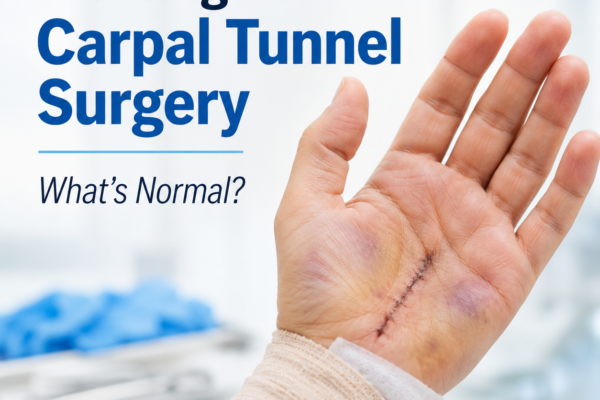
It is common to have soreness, swelling, and mild bruising around the incision for the first few weeks. This is separate from vaginal bleeding, but both are part of the recovery process.
Call your doctor if the incision has:
- Redness that spreads
- Pus or foul-smelling drainage
- Opening of the wound
- Increasing pain
- Fever
A healthy incision should slowly improve, not get worse.
Good incision care can support overall recovery while your uterus heals. Keep the area clean and dry, follow instructions about bathing, and avoid bending or lifting in ways that strain your abdomen. While incision care does not directly stop bleeding after a C-section, it helps you recover more comfortably and reduces the chance of complications that could make the whole process harder.
How to Manage Bleeding After a C-Section
There is no way to stop normal postpartum bleeding, but you can support healing and make recovery easier.
Use pads, not tampons
Tampons should not be used after delivery because they can increase the risk of infection.
Rest when possible
Too much activity can make bleeding temporarily heavier.
Avoid heavy lifting
Do not lift anything heavier than your baby unless your doctor says it is safe.
Stay hydrated
Drinking enough fluids supports healing and overall recovery.
Watch the amount and color
Tracking bleeding can help you notice changes that may be important.
Follow postpartum instructions
Take medications as prescribed and attend follow-up appointments.
It can also help to plan your day around short periods of rest. If you notice that bleeding after C-section picks up after chores, walking around too long, or carrying the baby for extended periods, scale back and see whether the flow settles. Recovery often improves when you give your body enough time to heal.
Protect your energy
Accept help with meals, laundry, and household tasks when you can. Conserving energy allows your body to focus on healing, which may make the bleeding pattern easier to manage.
Choose the right postpartum supplies
Use large, absorbent pads and comfortable, loose clothing. A consistent supply of pads helps you track how much blood you are losing, which can be useful if you need to describe symptoms to your healthcare provider.
Can Breastfeeding Affect Bleeding After a C-Section?
Yes. Breastfeeding triggers uterine contractions through the hormone oxytocin. These contractions help the uterus shrink back down, but they can also cause cramping and brief increases in bleeding.
This is usually normal. If the bleeding becomes very heavy or painful, talk to your doctor.
Many parents notice stronger cramping during feeding in the early postpartum period. Even when that feels uncomfortable, it is usually part of the uterus doing its job. If bleeding after a C-section remains only mildly heavier for a short time after nursing, that is often expected. If it turns into steady heavy bleeding, call for medical advice.
When Does Bleeding Usually Start to Get Better?
For most people, bleeding starts to improve within the first week or two. It should gradually become lighter and less frequent over time.
You may still have spotting for several weeks, especially if you are active. As long as the flow is steadily decreasing and you do not have warning signs, this is usually part of normal recovery.
Some people also notice that the blood changes from bright red to a darker red, then to brown or pink before it fades away. That pattern is reassuring because it usually means the body is healing as expected. If bleeding after C-section changes from mostly light spotting back to heavy red bleeding, it deserves attention.
What If Bleeding Stops and Then Starts Again?
Sometimes bleeding slows or stops briefly and then returns, especially after more activity. A small increase can happen after walking, exercising too soon, or standing for long periods.
However, if bleeding returns heavily after it had been getting lighter, or if you pass large clots, call your doctor. Sudden changes in bleeding deserve attention.
That said, not every return of bleeding is dangerous. Some people have a few ups and downs while recovering. The key question is whether the overall trend is still improving. If you feel well and the bleeding is light, it may simply be part of the normal process. If it is heavier than before or comes with pain, fever, or dizziness, get checked.
When Should You Call Your Doctor?
Call your doctor if you have:
- Bleeding that soaks a pad in an hour
- Large clots
- Bleeding that gets heavier after improving
- Foul-smelling discharge
- Fever
- Severe pain
- Dizziness or weakness
Even if symptoms seem mild, it is okay to ask for guidance if something does not feel right.
If you are ever unsure whether bleeding after a C-section is normal, call your obstetric team or maternity unit. They can help you decide whether you should monitor symptoms at home, schedule a visit, or seek urgent care.
Trusted guidance on postpartum bleeding
For official patient education about postpartum blood loss, see the American College of Obstetricians and Gynecologists on postpartum blood loss. It offers a helpful overview of warning signs, expected recovery patterns, and when to seek care.
The Bottom Line
Bleeding after a C-section is normal and expected as your uterus heals. It usually starts out bright red, then gradually becomes lighter and changes color over 2 to 6 weeks. Mild clots, cramping, and temporary increases in bleeding after activity or breastfeeding can also be normal.
What is not normal is heavy bleeding, large clots, bad-smelling discharge, fever, severe pain, dizziness, or bleeding that suddenly gets worse. These symptoms may signal a complication and should be checked by a doctor right away.
When you understand what to expect, it becomes easier to tell the difference between normal recovery and a warning sign. If bleeding after a C-section ever feels unusual, reach out to your healthcare provider or review trusted guidance from the American College of Obstetricians and Gynecologists on postpartum blood loss.
With the right information and prompt care when needed, recovery can feel more manageable and less stressful.
In the first few weeks, bleeding after a C-section often comes and goes in a way that feels unpredictable, but the overall pattern should still move toward less flow and lighter color. If you need a simple rule to remember, bleeding after a C-section should improve over time, not intensify.
For many parents, the best way to manage bleeding after a C-section is to rest, use pads, and watch for warning signs rather than compare every day to the last one. If something seems off, trust your instincts and contact your doctor.