Bladder pain can be uncomfortable, disruptive, and worrying. It may feel like pressure in the lower abdomen, burning when you urinate, a sharp pain in the pelvis, or a constant urge to use the bathroom. In some cases, bladder pain is temporary and caused by a simple infection. In others, it may be linked to chronic conditions that need ongoing treatment.
The good news is that bladder pain relief is possible once the cause is identified. This article explains the common causes of bladder pain, the symptoms to look for, and the most effective treatment options and home remedies to help relieve discomfort. It also covers when the pain may signal something more serious and when it is time to get medical care.
What Is Bladder Pain?
Bladder pain is discomfort or pain felt in or around the bladder, usually in the lower abdomen or pelvic area. Because the bladder sits low in the body, pain from the bladder is often mistaken for general pelvic pain, lower stomach pain, or even back pain.
Bladder pain may happen:
– While the bladder is filling
– During urination
– After urination
– Constantly, even when the bladder is empty
The type of pain can vary from dull pressure to severe burning or cramping. In many people, bladder pain relief becomes easier once the pattern of symptoms is understood.
Common Causes of Bladder Pain
The most effective bladder pain relief starts with understanding the cause. Several conditions can lead to bladder discomfort, and the right approach depends on whether the problem is infectious, inflammatory, structural, or related to muscle tension.
1. Urinary Tract Infection (UTI)
A UTI is one of the most common causes of bladder pain. Bacteria can infect the urinary tract and irritate the bladder lining.
Common signs include:
– Burning during urination
– Frequent urge to urinate
– Cloudy or strong-smelling urine
– Lower abdominal pain
– Sometimes fever
UTIs usually require antibiotics prescribed by a healthcare professional. For people who get repeated infections, early treatment matters because delays can worsen symptoms and make bladder pain relief harder to achieve.
2. Interstitial Cystitis (Painful Bladder Syndrome)
Interstitial cystitis is a chronic condition that causes bladder pressure, pain, and frequent urination without a bacterial infection.
Symptoms may include:
– Pain that worsens as the bladder fills
– Relief after urinating
– Pelvic pain
– Urgency and frequency
– Pain during sex
This condition often needs a long-term management plan rather than a quick fix. People living with this condition often need a combination of bladder pain relief strategies, diet changes, and medical follow-up.
3. Bladder Stones
Bladder stones are hard mineral deposits that form in the bladder. They can irritate the bladder wall and cause pain.
Possible symptoms:
– Pain or burning when urinating
– Blood in urine
– Difficulty urinating
– Frequent urination
– Lower abdominal pain
Treatment may involve drinking more fluids, removing the stone, or treating the condition that caused it. If stones keep forming, a clinician may look for incomplete bladder emptying, an enlarged prostate, or another factor that needs attention.
4. Overactive Bladder
Overactive bladder can cause sudden urges to urinate, frequent bathroom trips, and sometimes bladder discomfort.
It may be linked to:
– Nerve issues
– Pelvic floor problems
– Bladder irritation
– Age-related changes
While overactive bladder does not always cause severe pain, the constant urgency can feel painful or distressing. Managing urgency can still play a big role in bladder pain relief, especially when repeated straining or repeated trips to the bathroom increase irritation.
5. Bladder Irritation from Foods or Drinks
Certain foods and drinks can irritate the bladder, especially in people who are sensitive or already have bladder conditions.
Common triggers include:
– Caffeine
– Alcohol
– Carbonated drinks
– Spicy foods
– Citrus fruits and juices
– Artificial sweeteners
If bladder pain appears after eating or drinking certain items, diet may be part of the problem. For some people, a short elimination trial can show whether bladder pain relief improves when triggers are removed.
6. Pelvic Floor Muscle Problems
Tight or weak pelvic floor muscles can cause pain that feels like it is coming from the bladder. These muscles support the bladder and help control urination.
Symptoms may include:
– Pelvic pressure
– Pain during urination
– Trouble fully emptying the bladder
– Pain with sitting or intercourse
Pelvic floor physical therapy can be very helpful in these cases. When muscle tension is the main driver, bladder pain relief may depend more on relaxation and retraining than on bladder-focused medication.
7. Endometriosis
In people assigned female at birth, endometriosis can cause pain that feels like bladder pain. Tissue similar to the uterine lining grows outside the uterus and may affect nearby organs.
Symptoms can include:
– Painful periods
– Pelvic pain
– Pain with urination or bowel movements
– Pain during sex
Endometriosis often needs specialized medical treatment. If symptoms flare around menstruation, that pattern can help a clinician distinguish endometriosis from a urinary infection and guide bladder pain relief in the right direction.
8. Sexually Transmitted Infections (STIs)
Some STIs can irritate the urinary tract and cause bladder-like symptoms.
Signs may include:
– Burning when urinating
– Pelvic pain
– Unusual discharge
– Pain during sex
– Bleeding between periods
Testing and treatment are important to prevent complications. If there is a known exposure risk, a prompt medical visit is often the fastest path to bladder pain relief and infection control.
For a more specific guide to infection-related symptoms and treatment, see Bladder Infection vs UTI: Symptoms, Causes, and Treatment.
Symptoms That May Accompany Bladder Pain
Bladder pain rarely happens alone. Other symptoms can help narrow down the cause.
Common symptoms include:
– Frequent urination
– Urgent need to urinate
– Pain or burning during urination
– Pelvic pressure
– Lower abdominal pain
– Pain after urination
– Blood in urine
– Trouble starting urination
– Incomplete bladder emptying
– Fever or chills in infection-related cases
If you have severe pain, fever, blood in the urine, or trouble urinating, seek medical care promptly. These symptoms may point to an infection, a stone, or another condition that needs faster evaluation.
How to Get Bladder Pain Relief at Home
If your symptoms are mild, a few self-care steps may help reduce discomfort while you wait for treatment or diagnosis.
Drink Enough Water
Staying hydrated can help flush the urinary system and reduce irritation. However, if drinking more water worsens urgency or pain, sip slowly and avoid overhydration.
Avoid Bladder Irritants
Cut back on common triggers such as:
– Coffee and tea
– Soda and energy drinks
– Alcohol
– Spicy foods
– Acidic foods
– Artificial sweeteners
Keeping a food and symptom diary can help identify what worsens your pain. This simple step often supports bladder pain relief better than trying to guess which items are causing symptoms.
Use a Heating Pad
A warm heating pad placed on the lower abdomen or pelvic area may ease cramping and pressure.
Try Over-the-Counter Pain Relief
Some over-the-counter pain relievers may help with temporary discomfort. Follow label instructions and speak with a healthcare professional if you have other medical conditions or take other medications.
Practice Urge Control Techniques
If you feel frequent urges to urinate, try relaxation techniques such as deep breathing. For some people, bladder training under medical guidance can help improve symptoms over time.
Wear Loose Clothing
Tight waistbands or clothing can increase pressure on the bladder and pelvic area. Loose, comfortable clothing may help reduce irritation.
Rest, but keep moving gently
Light walking and gentle stretching may reduce pelvic tension in some people. Avoiding all activity can sometimes make muscles feel tighter, especially if pelvic floor strain is part of the problem.
Medical Treatment for Bladder Pain
The right treatment depends on the cause. A doctor may recommend tests such as a urine test, pelvic exam, imaging, or other evaluations to determine what is causing the pain.
Antibiotics for Infection
If a UTI or STI is the cause, antibiotics or other antimicrobial medications may be prescribed. It is important to take the full course exactly as directed.
Medications for Chronic Bladder Conditions
For interstitial cystitis or overactive bladder, treatment may include:
– Bladder-relaxing medications
– Pain relief medicines
– Anti-inflammatory medications
– Antihistamines
– Medications that help calm bladder nerves
Some people also benefit from a bladder-friendly routine that combines medication with stress reduction, symptom tracking, and diet adjustments. That combination can make bladder pain relief more consistent over time.
Pelvic Floor Therapy
If muscle tension is contributing to pain, pelvic floor physical therapy can reduce tightness, improve bladder control, and lower discomfort.
Dietary and Lifestyle Changes
People with chronic bladder pain often benefit from:
– Avoiding trigger foods
– Managing stress
– Improving sleep
– Staying hydrated
– Tracking symptoms
These steps are not a cure, but they can make flare-ups less frequent and support bladder pain relief between appointments.
Procedures or Surgery
If bladder stones, structural problems, or severe underlying conditions are involved, procedures may be necessary. These are usually considered when conservative treatment does not work.
Some people with complicated symptoms may need referral to a urologist. The goal is always to find the underlying cause and choose the safest route to bladder pain relief.
Related conditions that may need specialty care
Some bladder symptoms are caused by broader pelvic or urinary conditions rather than the bladder alone. In those cases, treatment may overlap with care for endometriosis, obstruction, infection, or fistula-related symptoms. For example, people with pelvic pain and urinary symptoms may also want to learn about Bladder Endometriosis: Symptoms, Diagnosis & Relief.
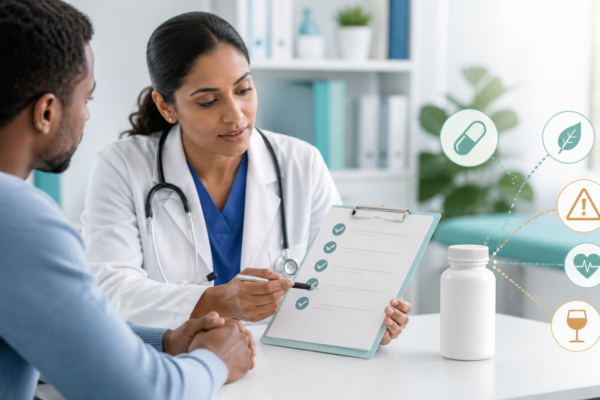
When to See a Doctor
You should seek medical attention if bladder pain:
– Lasts more than a few days
– Keeps coming back
– Is severe or worsening
– Happens with blood in the urine
– Comes with fever or chills
– Causes nausea or vomiting
– Makes it hard to urinate
– Is accompanied by unusual discharge
– Occurs during pregnancy
Bladder pain should not be ignored, especially if it is affecting daily life or sleep. Prompt evaluation can shorten recovery time and help you get the right bladder pain relief sooner.
How Doctors Diagnose Bladder Pain
To find the cause of bladder pain, a doctor may:
– Ask about symptoms and medical history
– Perform a physical or pelvic exam
– Test urine for infection or blood
– Order imaging tests such as an ultrasound
– Recommend cystoscopy in some cases
– Check for STIs or other infections
A clear diagnosis helps prevent repeated symptoms and unnecessary treatment.
For an authoritative overview of urinary tract symptoms and when to seek help, the National Institute of Diabetes and Digestive and Kidney Diseases offers helpful medical information.
How Bladder Pain Relief Can Improve Over Time
In many cases, bladder pain relief improves gradually once the right cause is treated. A simple infection may clear within days, while chronic conditions may need a longer plan that includes lifestyle changes, medication, and follow-up care. Staying consistent with treatment and avoiding known triggers can make symptoms easier to manage.
If you have already tried one remedy without success, that does not mean nothing will help. Different causes respond to different approaches, so the next step may be a urine test, a pelvic exam, or a referral to a specialist who can look for less obvious causes.
Best Ways to Prevent Bladder Pain
Not all bladder pain can be prevented, but these habits may reduce the risk:
– Drink enough water each day
– Urinate when you feel the urge
– Avoid holding urine for long periods
– Limit bladder irritants
– Maintain good hygiene
– Practice safe sex
– Manage constipation, which can increase pelvic pressure
– Treat infections promptly
For people with chronic bladder conditions, prevention often means knowing personal triggers and following a long-term care plan. That can make bladder pain relief more predictable and may reduce flare-ups over time.
Summary
Bladder pain can have many causes, from urinary tract infections and bladder stones to interstitial cystitis, pelvic floor issues, and irritation from certain foods or drinks. Symptoms often include burning during urination, frequent urges to urinate, pelvic pressure, and lower abdominal pain.
Bladder Pain Relief depends on finding the underlying cause. Mild symptoms may improve with hydration, avoiding irritants, heat, and pain relievers. More serious or persistent cases may require antibiotics, medication, physical therapy, or other medical treatments.
If bladder pain is severe, recurrent, or accompanied by fever, blood in the urine, or trouble urinating, it is important to see a doctor for proper evaluation and treatment.