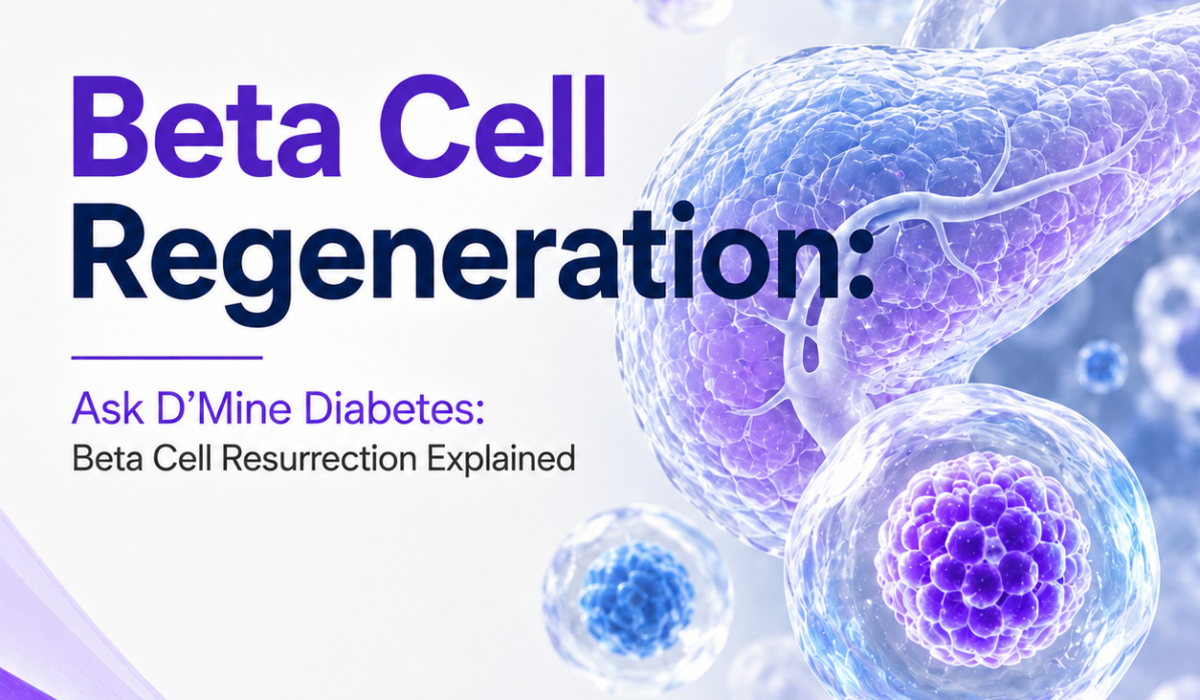
Beta cell regeneration is one of the most hopeful ideas in diabetes research. In simple terms, it refers to the possibility of restoring the pancreas’s insulin-producing beta cells so they can help regulate blood sugar again. For people living with diabetes, that idea matters because beta cells sit at the center of insulin production and glucose control.
This article explains what beta cells are, why they matter in diabetes, what “resurrection” really means, and what current science says about whether beta cells can be repaired, regenerated, or protected. For background on community conversations around diabetes science and care, you may also find this April 2021 diabetes highlights post helpful.
- What Are Beta Cells?
- Why Beta Cells Matter in Diabetes
- What Does “Beta Cell Resurrection” Mean?
- Can Beta Cells Really Be Restored?
- How Beta Cells Become Damaged
- What Is Beta Cell Regeneration?
- What Is Beta Cell Preservation?
- Can Lifestyle Changes Help Beta Cells?
- What About Medications?
- Are Stem Cells the Answer?
- Is Beta Cell Resurrection a Cure for Diabetes?
- Common Questions About Beta Cell Resurrection
- The Future of Beta Cell Research
- Key Takeaways
What Are Beta Cells?
Beta cells are specialized cells in the pancreas, inside tiny clusters called the islets of Langerhans. Their main job is to produce and release insulin.
Insulin helps glucose move from the bloodstream into the body’s cells, where it is used for energy. When beta cells work properly, blood sugar stays in a healthy range. When they are damaged, destroyed, or stop functioning well, glucose builds up in the blood.
That is why beta cell regeneration has become such an important goal in diabetes research. If scientists can help these cells survive, recover, or be replaced, the body may regain more natural insulin control.
Why Beta Cells Matter in Diabetes
Beta cell health is central to diabetes because insulin production depends on these cells. When beta cells cannot keep up with the body’s needs, blood sugar becomes harder to manage.
In Type 1 Diabetes
The immune system mistakenly attacks and destroys beta cells. As beta cells are lost, the body produces little to no insulin. This is why people with type 1 diabetes need insulin therapy.
In Type 2 Diabetes
Beta cells are not usually destroyed at first, but they can become overworked and gradually lose function. Over time, the pancreas may not make enough insulin to keep blood sugar under control.
In Prediabetes
Beta cells may still be functioning, but insulin resistance forces them to work harder. If the demand becomes too much, blood sugar may rise into the diabetic range.
In all of these cases, beta cell regeneration is discussed because better beta cell function could improve glucose control and ease the burden on the pancreas.
What Does “Beta Cell Resurrection” Mean?
“Beta cell resurrection” is not a formal medical term. It is a hopeful way of describing efforts to bring beta cells back to life or improve their function.
Depending on the context, it may mean one or more of the following:
- Protecting beta cells from further damage
- Restoring beta cell function
- Encouraging beta cells to regenerate
- Replacing lost beta cells with new cells
- Reducing stress on remaining beta cells so they can work better
In other words, beta cell regeneration does not always mean creating brand-new cells. It can also mean helping existing cells recover enough function to improve insulin production.
That broader meaning is important, because the phrase can sound like a miracle cure when the science is actually more gradual and nuanced.
Can Beta Cells Really Be Restored?
This is one of the most common questions people ask, and the honest answer is: partially, sometimes, but not yet in a simple or universal way.
Science has shown that beta cells may have more flexibility than once believed. In some cases, especially early in disease, beta cells can recover some function when blood sugar is brought under control and stress on the pancreas is reduced.
However, full restoration of beta cells is much more complicated, especially when large numbers of cells have already been destroyed, as in type 1 diabetes.
Researchers continue to study beta cell regeneration because even modest recovery could make a meaningful difference. A pancreas that produces more of its own insulin can sometimes improve daily management, reduce glucose swings, and lower the amount of medication needed.
When people hear hopeful news about beta cell regeneration, it is worth remembering that recovery can mean several different things. It may involve new cells, improved function in older cells, or a better environment that allows surviving cells to do their job. In practical terms, even partial gains can matter, especially if they lower glucose variability and help reduce the strain on everyday diabetes management.
Researchers are also learning that timing matters. The earlier beta cell stress is addressed, the more likely there is to be some functional recovery. That is one reason prevention, early diagnosis, and active management are often discussed alongside beta cell regeneration in diabetes care.
How Beta Cells Become Damaged
Beta cells can lose function for several reasons. Understanding the causes helps explain why beta cell regeneration is such a complicated challenge.
Autoimmune Attack
In type 1 diabetes, the immune system attacks beta cells directly.
Glucotoxicity
High blood sugar itself can harm beta cells over time.
Lipotoxicity
High levels of fatty acids, often linked to insulin resistance and obesity, can damage beta cells.
Inflammation
Chronic inflammation can interfere with beta cell health and survival.
Cellular Stress
Beta cells are sensitive to stress in the pancreas. Overwork, inflammation, and metabolic imbalance can all reduce their function.
When these stressors continue for long periods, beta cell regeneration becomes less about simply making new cells and more about creating the right environment for healing and survival.
These damage pathways also help explain why two people with diabetes can have very different experiences. One person may still have a portion of beta cell function that can be preserved, while another may have very little left to work with. That difference affects how realistic beta cell regeneration may be and what kinds of treatments could help most.
What Is Beta Cell Regeneration?
Beta cell regeneration refers to the creation of new beta cells or the expansion of existing beta cells. This is one of the most important areas of diabetes research.
Scientists are studying several possible ways to regenerate beta cells, including:
- Stimulating beta cells to replicate
- Reprogramming other pancreatic cells into beta cells
- Using stem cells to create insulin-producing cells
- Transplanting lab-grown beta cells into the body
These approaches are promising, but most are still under investigation or limited to specialized treatment settings.
It is also worth noting that beta cell regeneration may look different depending on the type of diabetes, how long someone has had it, and how much beta cell function remains.
In some studies, beta cell regeneration is discussed as a biological process, while in others it is described as a treatment goal. That distinction matters because the science is still working toward therapies that are reliable, durable, and safe enough for widespread use. The promise is real, but so are the technical hurdles.
What Is Beta Cell Preservation?
Preservation means protecting the beta cells that are still alive and working.
This is especially important in early diabetes and prediabetes, because preserving remaining beta cell function can improve blood sugar control and may delay disease progression.
Ways researchers and doctors try to preserve beta cell function include:
- Better blood sugar control
- Reducing insulin resistance
- Treating inflammation
- Using medications that reduce beta cell stress
- Addressing weight and metabolic health
In many cases, beta cell regeneration and preservation are discussed together because protecting existing cells may be the fastest way to improve outcomes while scientists continue working on longer-term repair strategies.
Preservation is important even when full regeneration is not possible. If a person can keep more beta cells working for longer, that may delay progression and support more stable glucose management. This is one reason treatment plans often focus on lowering metabolic stress rather than only chasing future breakthroughs.
Can Lifestyle Changes Help Beta Cells?
Lifestyle changes cannot “cure” diabetes on their own, but they can support beta cell function, especially in type 2 diabetes and prediabetes.
Blood Sugar Control
Keeping glucose levels stable reduces stress on beta cells. When blood sugar stays high for long periods, beta cells are forced to work harder and may become exhausted.
Improving daily glucose patterns may give the pancreas a better chance to rest, which is one reason beta cell regeneration is often discussed alongside glucose management.
Weight Loss
In people with type 2 diabetes or prediabetes, weight loss can reduce insulin resistance and lower the burden on beta cells.
Physical Activity
Exercise helps the body use insulin more effectively, which means beta cells do not have to produce as much insulin.
Healthy Eating
A balanced diet that helps manage blood sugar can reduce the demand on beta cells and support overall metabolic health.
These changes may not restore beta cells by themselves, but they can create a more favorable environment for beta cell regeneration and preservation efforts.
They can also make other treatments work better. For example, if blood sugar is less erratic and insulin resistance is lower, the pancreas may not need to compensate as aggressively. That does not mean lifestyle measures replace medical care, but they can support the conditions under which beta cell regeneration would be more meaningful.
What About Medications?
Some diabetes medications may help preserve beta cell function indirectly by lowering glucose levels or reducing insulin resistance. By reducing the strain on the pancreas, these treatments can support remaining beta cells.
In some cases, earlier and more effective treatment may improve how much insulin the body can still produce.
It is important to note that medications do not usually “resurrect” beta cells in the literal sense. Instead, they may help protect existing function or improve the environment in which beta cells operate.
For readers who want to explore more diabetes coverage from a community perspective, the Diabetes community June 2020 highlights article offers another look at how people with diabetes talk about treatment, research, and daily management.
Some medication classes are studied because they may reduce beta cell workload, while others are being evaluated for possible protective effects. The key idea is that lowering stress on the pancreas may help preserve what remains. That is different from creating an entirely new source of insulin, but it still fits into the broader conversation about beta cell regeneration.
Are Stem Cells the Answer?
Stem cell research is one of the most exciting areas in the search for beta cell restoration.
Scientists are working to develop insulin-producing cells from stem cells that could one day replace lost beta cells. In theory, this could help people with diabetes produce insulin again.
This approach is especially important for type 1 diabetes, where beta cells are destroyed. However, challenges remain, including:
- Preventing immune rejection
- Ensuring cells work properly
- Creating long-term safe treatments
- Making therapy widely available
One well-known research and educational resource on this topic is the National Institute of Diabetes and Digestive and Kidney Diseases diabetes overview, which explains how diabetes develops and why insulin-producing cells matter.
Stem cell therapies are promising, but they are not yet a complete solution for most patients.
In the future, stem cell-based approaches may become part of a larger treatment plan rather than a stand-alone cure. That could include immune protection, device-based cell delivery, and careful monitoring after transplantation. Each step brings the field closer to practical beta cell regeneration, but none of it is simple.
What Scientists Are Still Trying to Solve
Even with rapid progress, several major questions remain. Can regenerated cells survive long term? Can they respond to glucose the way healthy beta cells do? Can the immune system be controlled well enough to protect new cells in type 1 diabetes? These are the kinds of issues that keep beta cell regeneration in the research phase rather than routine clinical care.
Another challenge is scale. A treatment that works in a small study may be difficult to produce safely and affordably for large numbers of people. Researchers must also make sure that any beta cell replacement or repair method is precise enough to avoid dangerous side effects.
That is why the term beta cell regeneration can sound more certain than it really is. The idea is real, but the path from laboratory success to everyday treatment is still long.
Researchers also have to answer a basic question: what counts as success? Is the goal full insulin independence, better glucose stability, fewer medications, or protection from future decline? In practice, beta cell regeneration may deliver gradual improvement rather than a dramatic one-step result. Even so, incremental progress could still change how diabetes is treated over time.
Is Beta Cell Resurrection a Cure for Diabetes?
Not yet.
A true cure would mean that the body could produce insulin normally again without ongoing diabetes management. Beta cell restoration is one possible path toward that goal, but no widely available therapy currently restores normal beta cell function in all people with diabetes.
For now, the goal is usually better control, better preservation, and in some cases partial recovery of beta cell activity.
That said, beta cell regeneration remains one of the most important research directions because it targets a root cause rather than only treating symptoms.
The promise of beta cell regeneration is that it could move treatment beyond symptom management and toward deeper biological repair. That is a major reason the topic continues to attract so much attention from researchers, clinicians, and people living with diabetes.
Common Questions About Beta Cell Resurrection
Can beta cells grow back naturally?
Sometimes, limited recovery of beta cell function may occur, especially when blood sugar is well controlled and the pancreas is less stressed. However, natural regrowth is not usually enough to reverse diabetes completely.
Is beta cell damage reversible?
Some beta cell dysfunction may be reversible, especially in early disease or when damage is caused by glucose toxicity rather than total cell loss. Complete destruction is much harder to reverse.
Do all people with diabetes lose beta cells?
No. In type 2 diabetes, beta cells may still exist but not work well. In type 1 diabetes, many beta cells are destroyed by the immune system.
Why is beta cell preservation so important?
Because the more beta cells remain functional, the easier it is to manage blood sugar and reduce long-term complications.
Can children or adults with type 1 diabetes regrow beta cells?
Researchers are studying this, but there is no widely available method that reliably regrows enough beta cells to eliminate the need for insulin in type 1 diabetes.
Is beta cell regeneration the same as beta cell repair?
Not exactly. Repair usually means helping existing cells recover function, while regeneration means creating new beta cells or increasing the number of cells that can produce insulin.
These questions keep coming up because the topic sits at the intersection of science and hope. People want to know what is possible now, what is still experimental, and what may become realistic later. The most honest answer is that beta cell regeneration is progressing, but it is not yet a finished solution.
The Future of Beta Cell Research
Beta cell research is moving quickly. Scientists are exploring ways to:
- Prevent immune attacks
- Rebuild beta cells
- Improve cell survival after transplantation
- Reprogram pancreatic tissue
- Use gene and cell therapies to restore insulin production
The future may bring treatments that are far more effective than current options. But at this stage, beta cell regeneration is still an evolving research goal rather than a standard medical reality.
The hopeful part is that scientists are not just asking whether beta cells can be replaced. They are also studying how to protect the cells that remain, reduce inflammation, and make the pancreas a healthier place for insulin-producing cells to survive.
For many readers, that is the most encouraging part of the story. Even before a full breakthrough arrives, each advance in beta cell regeneration could lead to better blood sugar control, better treatment choices, and possibly more durable ways to manage diabetes. Research may move in small steps, but each step matters.
Key Takeaways
Beta cell regeneration refers to efforts to restore, regenerate, protect, or replace the insulin-producing cells in the pancreas. These cells are essential for blood sugar control, which is why they play such a major role in diabetes.
The main points to remember are:
- Beta cells produce insulin
- Damage or loss of beta cells contributes to diabetes
- Some beta cell function may be recoverable, especially early on
- Researchers are actively studying regeneration and replacement therapies
- A complete cure is not yet available, but progress is ongoing
Understanding beta cell health helps explain why diabetes develops and why so much research focuses on restoring these cells. While “resurrection” may sound dramatic, it reflects a very real scientific hope: helping the pancreas make insulin again and improving life for people with diabetes.
As research continues, beta cell regeneration will likely remain one of the most closely watched areas in diabetes science because it addresses the source of insulin loss rather than only its consequences.